
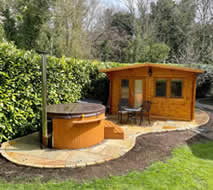
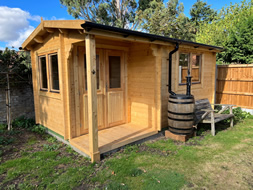
Every UK homeowner dreaming of a bespoke garden log cabin knows that planning a perfect outdoor retreat is about more than picking a design from a catalogue. The success of your project relies on a clear understanding of your garden’s unique size, shape, and features, as well as how planning regulations may shape your choices. This guide leads you through the essential steps, from accurate measurement and garden assessment to staying compliant with local law, so you can create a functional space that truly fits your lifestyle.
Table of Contents
- Step 1: Assess Your Garden Space And Requirements
- Step 2: Review Planning Regulations And Permissions
- Step 3: Design Your Bespoke Log Cabin Layout
- Step 4: Select Materials And Prepare The Site
- Step 5: Verify Compliance And Start Construction
Quick Summary
| Key Point | Explanation |
|---|---|
| 1. Assess Garden Space Thoroughly | Measure dimensions and map features to determine ideal cabin location and design layout, avoiding costly construction mistakes. |
| 2. Understand Planning Regulations | Check local rules regarding planning permission and building regulations to avoid delays and ensure compliance with legal requirements. |
| 3. Design a Functional Cabin Layout | Plan room functionality, accessibility, and movement flow to create a cabin that integrates well with your garden and lifestyle. |
| 4. Choose Sustainable Materials | Opt for FSC-certified timber and sustainable materials to enhance durability, minimise environmental impact, and ensure longevity. |
| 5. Verify Compliance Before Construction | Confirm adherence to building regulations and safety standards to protect your investment and ensure a successful construction process. |
Step 1: Assess your garden space and requirements
Before you even think about what size or style of log cabin you want, you need to understand what you’re actually working with. Taking time to assess your garden properly will save you money, headaches, and regret later on. This step forms the foundation for all your planning decisions.
Start by measuring your garden accurately. Walk around with a tape measure and note down the overall dimensions, then map out where existing features sit—trees, fences, sheds, patio areas. You’ll want to understand how sunlight patterns move across your space throughout the day, as this affects where your cabin should go and how you’ll use it.
Create a rough sketch on paper or use a simple grid pattern to get everything down. Don’t worry about perfection at this stage—you just need a clear picture of what you have. Once you’re happy with the rough layout, make a more detailed scale plan (graph paper works brilliantly for this). This prevents costly mistakes during construction and helps you order the right amount of materials.
Think about how you’ll actually use the space:
- Will it be a relaxation retreat, hobby workshop, or something else entirely?
- Who needs access to it—just you, or family members, carers, and visitors?
- What about ground conditions? Is it level, sloped, boggy, or well-drained?
- Are there power or water connections nearby that you might need?
Consider accessibility and movement around your garden too. You’ll want clear paths to your cabin, and accessible design features matter if anyone has mobility needs. Think about surface types, levels, and how everyone will comfortably reach all parts of the garden.
Know your space before you commit to a cabin size or location—it’s the difference between a perfect addition and an expensive mistake.
Also check local regulations early. Your garden might have constraints you’re not aware of. Understanding these now means no nasty surprises when you’re ready to order.
Pro tip: Take photographs of your garden from different angles and at different times of day—this helps you visualise how light and shadows change, making it easier to pick the perfect spot for your bespoke cabin.
Here’s a concise overview of garden assessment factors versus their potential impact on log cabin planning:
| Assessment Factor | Impact on Cabin Design | Importance for Construction |
|---|---|---|
| Sunlight Patterns | Determines window placement | Affects cabin usability |
| Ground Conditions | Choice of foundation type | Prevents structural issues |
| Accessibility | Path layout and entry points | Ensures comfort for all |
| Existing Features | Cabin positioning decisions | Avoids site conflicts |
| Utilities Proximity | Plans for electrics/water | Supports cabin functionality |
Step 2: Review planning regulations and permissions
Now that you understand your space, it’s time to tackle the regulations side of things. This might sound dull, but getting it right at this stage prevents expensive delays or having to remove your cabin later. Planning rules vary across the UK, so you need to know what applies to your specific situation.
Start by checking whether your cabin needs planning permission. The rules depend on several factors like the size of your cabin, how much of your garden it covers, and where you live. Generally, garden outbuildings must meet specific requirements around height and ground coverage, though stricter rules apply in conservation areas and national parks. If your cabin covers more than 50% of your garden’s land, you’ll likely need permission regardless of size.
Check these key details about your location:
- Is your garden in a conservation zone, national park, or listed building area?
- How much of your garden can be covered by outbuildings before permission is needed?
- What are the maximum height restrictions in your area?
- Are there any other local planning policies that might affect you?
Contact your local planning authority directly. They’re usually helpful and can tell you exactly what you need. Send them measurements and a basic sketch of where you plan to position your bespoke cabin.
Building regulations are separate from planning permission, and they apply to almost all garden structures. These cover materials, construction methods, fire safety, drainage, and electrics. The Approved Documents on GOV.UK provide detailed guidance on meeting these standards for construction projects. Even if your cabin doesn’t need planning permission, building regulations still apply.
Get written confirmation from your planning authority about whether permission is needed before ordering your cabin.
If permission is required, budget 8 to 12 weeks for the process. Your log cabin supplier can often help with technical drawings needed for applications.
Pro tip: Ask your local planning authority for a pre-application advice meeting—it’s often free and gives you clarity on exactly what’s required before you invest in detailed plans.
To clarify the relationship between planning permission and building regulations, review this quick reference:
| Requirement | When It Applies | Governing Authority |
|---|---|---|
| Planning Permission | Large cabins or >50% garden coverage | Local planning authority |
| Building Regulations | All structural work, fire, drainage | Local building control office |
| Conservation Status | Stricter rules, special approvals | Conservation body, council |
| Documentation | Technical drawings, measurements | Both planning and control |
Step 3: Design your bespoke log cabin layout
This is where your cabin starts to take shape. You’ve assessed your space and checked the rules, so now you can design something that actually works for your garden and lifestyle. A thoughtful layout makes all the difference between a cabin you love using and one that feels awkward.
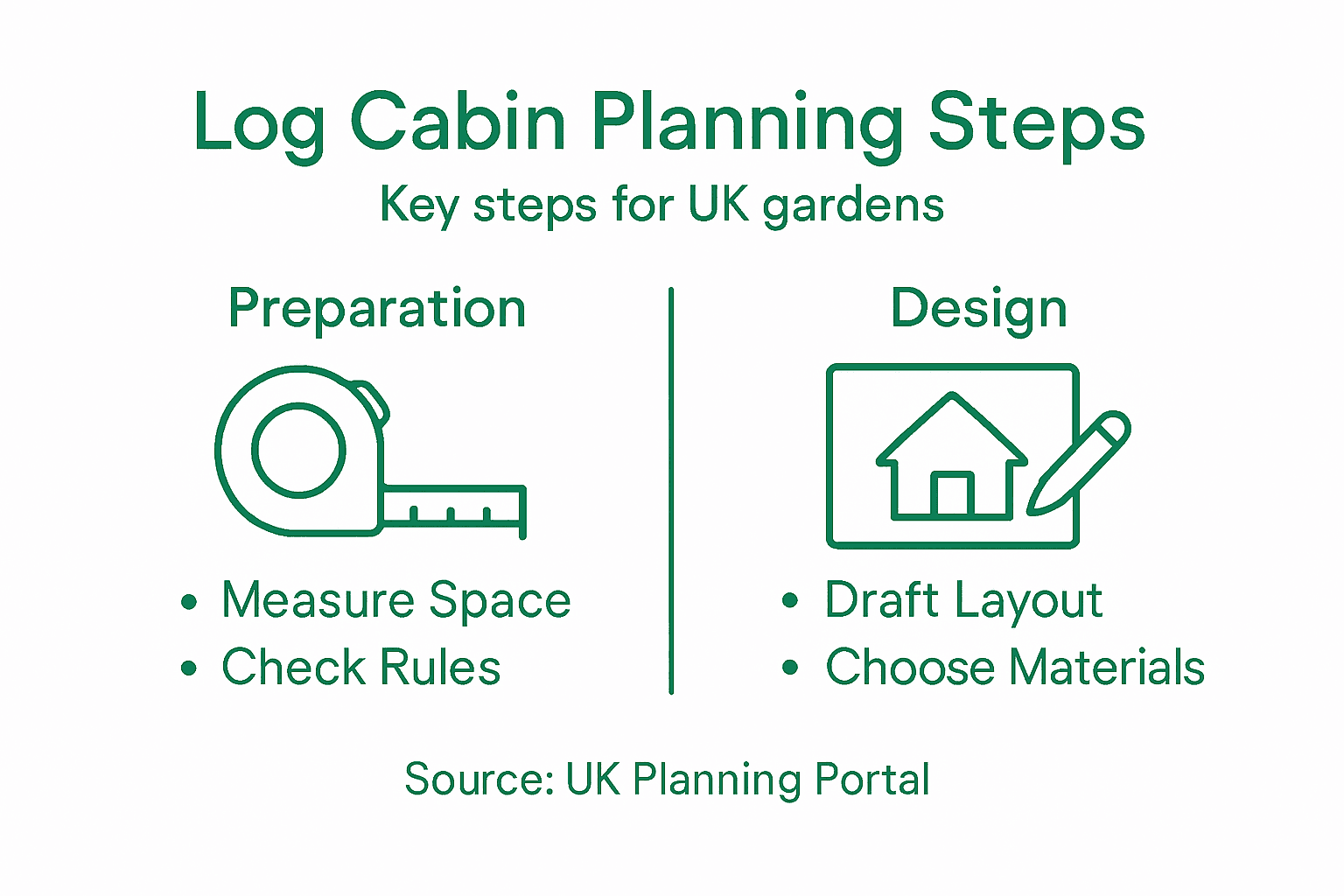
Start by using your scale plan from earlier. Mark where sunlight falls at different times and note any features you want to keep clear. Think about how you’ll move around the cabin—doorways should open onto paths, not towards fences. Consider what you’ll actually do in the space and work backwards from there.
Think about these practical points:
- How many rooms or zones do you need?
- Where should windows go for light and views?
- Will you need electricity, heating, or water connections?
- How much storage or workspace do you require?
- Should there be covered outdoor areas nearby?
When designing your layout, consider how different interior spaces work together. A poorly positioned interior wall might block light or create awkward corners. Good design thinks about flow—moving from one area to another should feel natural, not cramped.
Sketch several different options on your scale plan. Don’t settle on the first idea. Try positioning the cabin at different angles, with doors facing different directions. See how each option affects your garden’s usability and the cabin’s position relative to sunlight and existing features.
Once you’ve settled on a layout that feels right, create a clearer drawing showing measurements, door and window positions, and any internal divisions. This becomes your reference for ordering and construction.
The best cabin layout matches how you actually live, not how you think you should live.
If you’re planning a more complex design with multiple rooms, discuss your ideas with a cabin specialist. They can spot practical issues early and suggest improvements you might have missed.
Pro tip: Create a full-size outline of your cabin on your garden using rope or spray paint—walk around it to see how it actually feels in the space before you commit to ordering.
Step 4: Select materials and prepare the site
Choosing the right materials and preparing your ground properly sets up your cabin for years of reliable service. This step is about making sustainable choices and ensuring your foundation is solid. Rushing through it can lead to problems with rot, settling, or moisture damage later.
When selecting timber and materials, look for FSC-certified wood that’s sustainably sourced. Quality timber with proper treatment resists weather and insect damage without compromising the environment. Natural building materials like timber, straw, and hemp offer breathable, sustainable options for garden structures. Untreated wood can remain durable if properly protected from moisture through good design and maintenance.
Consider these material points:
- Choose timber with FSC certification for responsible sourcing
- Ensure materials are suitable for outdoor UK weather conditions
- Think about long-term maintenance and how materials will age
- Select finishes that protect wood without harmful chemicals
- Consider materials that can be reused or recycled at end of life
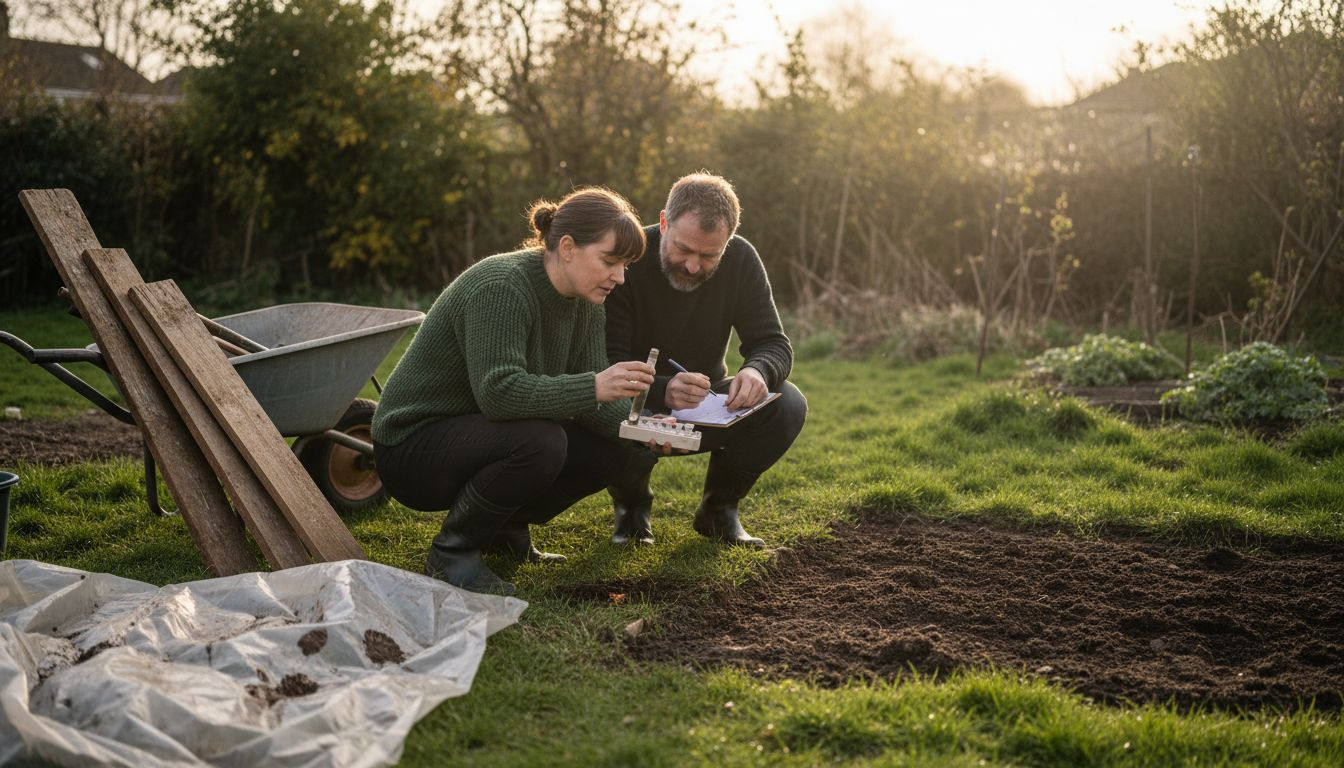
Now for site preparation, which is equally important. Before construction starts, your ground must be properly prepared to meet building regulations. Proper site preparation includes ensuring ground is suitable and managing moisture to establish stable foundations. Check for contaminants, standing water, or poor drainage that could cause problems.
You’ll need to clear the site of vegetation, level the ground, and create proper drainage around the cabin’s footprint. Poor preparation is the biggest cause of premature decay and structural movement. Get this right and your cabin will sit happily for decades.
Good site prep prevents expensive problems later on. It’s worth doing thoroughly at the start.
If your garden has heavy clay soil or drainage issues, consider raised foundations or specialist groundwork advice. Your supplier should guide you on what’s needed for your specific location and cabin type.
Pro tip: Create a small test hole before full site preparation to check soil type and drainage—knowing what you’re dealing with helps you plan the right foundation approach.
Step 5: Verify compliance and start construction
You’re nearly ready to begin. Before the first tools come out, you need to confirm that everything meets legal requirements and that safety measures are in place. This final check protects you, your workers, and ensures your cabin is built to last.
Start by confirming building regulations compliance. All construction work, including garden log cabins, must meet safety, fire protection, and accessibility standards. Building regulations compliance is verified through inspections and approvals before and during construction. Contact your local building control office to register your project and schedule initial inspections.
You’ll need to provide them with:
- Your planning approval or confirmation that none is required
- Technical drawings showing materials and construction methods
- Site plans and foundation details
- Proof of structural calculations if required
- Information about drainage, electrics, and heating systems
Next, understand health and safety responsibilities. Even for a small garden cabin, construction safety regulations set clear responsibilities for managing risks on site. These rules protect everyone involved in the work. Your supplier or contractor should outline safety measures and site management before work begins.
Key safety steps include:
- Identifying hazards and creating a safety plan
- Ensuring proper site access and secure boundaries
- Having emergency procedures in place
- Arranging appropriate insurance and certifications
- Keeping detailed records of inspections and work completed
Once building control approves your application and safety measures are confirmed, you can start construction. Your cabin supplier will guide you through their specific build process and timeline expectations.
Don’t skip compliance checks to save time. They exist to protect your investment and ensure everything is done properly.
Maintain regular communication with building control throughout construction. They’ll schedule inspections at key stages like foundation work and completion. These inspections confirm everything meets standards.
Pro tip: Keep a dated folder of all approvals, inspection reports, and completion certificates—these documents prove compliance and are invaluable if you ever sell your home.
Take the Stress Out of Planning Your Bespoke Garden Log Cabin Today
Navigating the complexities of garden log cabin planning in the United Kingdom can feel overwhelming with all the steps involved. From assessing your garden space and understanding sunlight patterns to complying with planning permission and building regulations, the process demands careful attention to detail and expert support. If you want to avoid costly mistakes and ensure the perfect layout that suits your lifestyle and garden conditions, then you need a partner who understands these challenges and offers bespoke solutions crafted just for you.
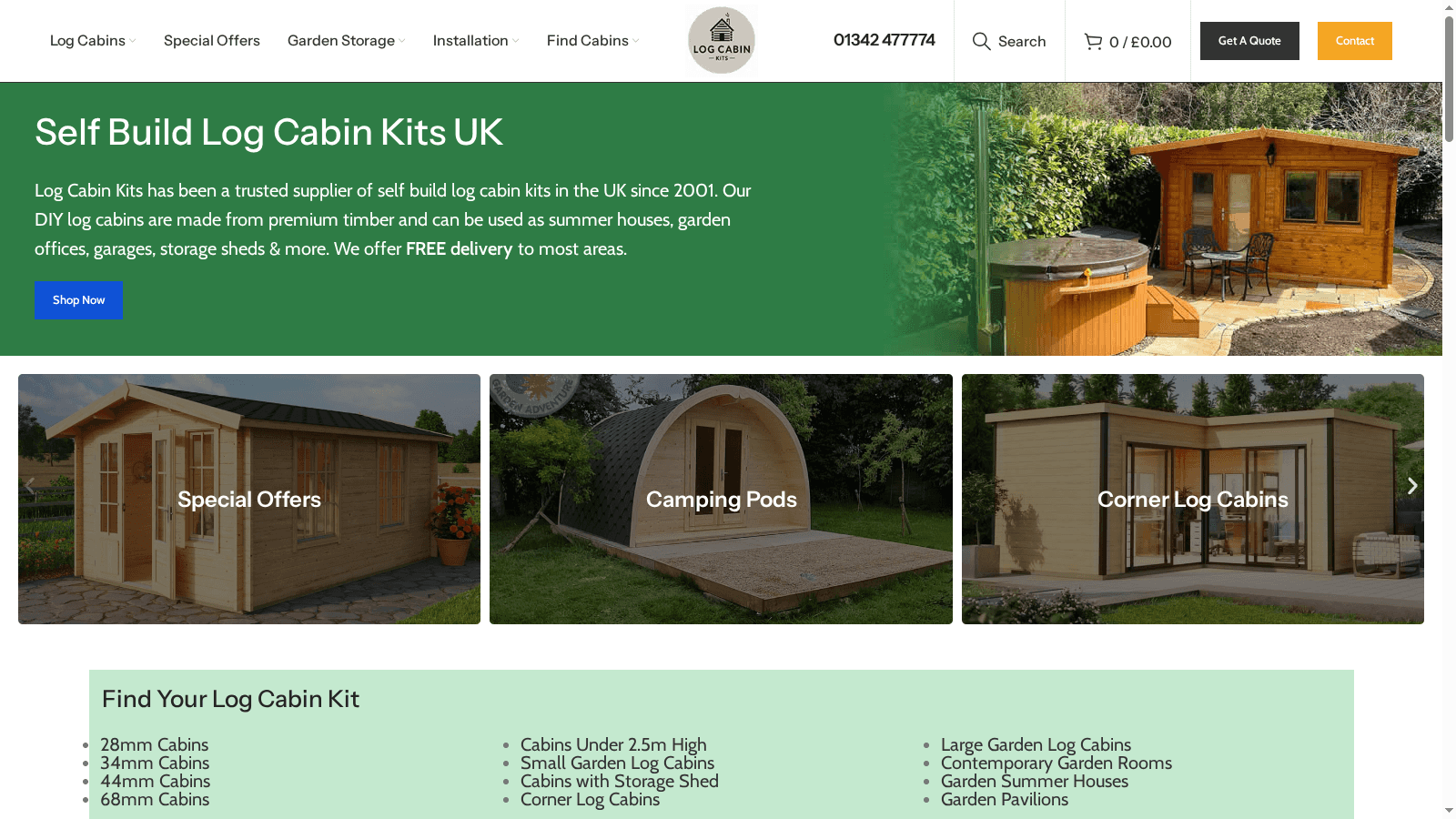
At Log Cabin Kits, we specialise in custom and bespoke garden log cabins tailored to your specific needs. We stand ready to guide you through every step of the journey including site preparation advice, material selection with FSC certified timber, and building regulation compliance support. Whether you are creating a relaxation retreat or a practical workshop, our expert team ensures your cabin not only fits your garden perfectly but is built to last. Take the first step now by exploring our range of bespoke options and receive personalised help designed to streamline your planning process. Visit Log Cabin Kits for tailored solutions and begin your stress-free cabin build today.
Frequently Asked Questions
How do I assess my garden space for a log cabin?
Before planning your log cabin, measure your garden accurately and note existing features like trees and fences. Create a rough sketch to visualise the layout, and consider how sunlight patterns and ground conditions will affect your cabin’s location.
What planning regulations should I be aware of for building a log cabin?
You need to check if your log cabin requires planning permission based on its size and location. Contact your local planning authority for guidance on height restrictions, coverage limits, and any specific rules that may apply to your area.
What materials should I choose for building my log cabin?
Select sustainably sourced materials, such as FSC-certified wood, to ensure durability and environmental responsibility. Consider the long-term maintenance needs of your materials and how they will withstand local weather conditions.
How can I ensure my log cabin design meets building regulations?
Confirm compliance by obtaining written approval from your local building control office regarding your project. Provide detailed technical drawings and follow all relevant safety, fire, and drainage standards for your design to ensure it meets legal requirements.
What steps should I take in preparing the site for my log cabin?
Prepare the site by clearing vegetation and ensuring proper drainage around the cabin’s footprint. Level the ground and address any moisture issues to establish stable foundations that will support your log cabin for years to come.
How do I verify compliance and start construction on my log cabin?
Before starting construction, check that your plans meet all building regulations and approve your application’s details with your local building control office. Maintain clear communication throughout the process and schedule necessary inspections at key construction stages.