

Blog


Choosing the right garden building in the United Kingdom no longer means settling for a basic shed hidden in the corner. British homeowners are embracing multifunctional lifestyle extensions that transform outdoor living, blending sustainability with modern design. With garden buildings now recognised as intelligent investments and covering approximately 4.6% of UK land according to the RHS State of Gardening Report, this guide reveals how bespoke, eco-friendly trends for 2025 can help you create a purposeful sanctuary right at home.
Table of Contents
- Defining Modern Garden Buildings In 2025
- Key Types: Bespoke, Hybrid And Eco Spaces
- Essential Features And Emerging Innovations
- Sustainability And Eco-Friendly Materials
- UK Planning Permission And 2025 Regulations
- Costs, Value Added And Common Pitfalls
Key Takeaways
| Point | Details |
|---|---|
| Modern Garden Buildings | In 2025, garden buildings serve as multifunctional extensions for work, leisure, and personal wellness, reflecting evolving homeowner needs. |
| Types of Garden Buildings | The key categories are bespoke, hybrid, and eco spaces, each designed to meet diverse lifestyle requirements while promoting sustainability. |
| Sustainable Features | Emphasis on eco-friendly materials, energy efficiency, and advanced technologies promotes environmental sustainability in modern garden buildings. |
| Cost Considerations | Investing in garden buildings can enhance property value significantly, with careful budgeting essential to avoid common pitfalls during planning. |
Defining Modern Garden Buildings in 2025
Modern garden buildings in 2025 represent far more than traditional storage spaces. These sophisticated architectural additions have transformed into multifunctional lifestyle extensions that reflect contemporary homeowners’ evolving needs. Garden buildings have emerged as intelligent architectural investments that seamlessly integrate work, leisure, and personal wellbeing into outdoor spaces.
The contemporary garden building transcends simple functionality, becoming a flexible living environment that adapts to changing lifestyle requirements. UK homeowners now view these structures as strategic property enhancements that provide additional square footage without complex renovations. These bespoke spaces can serve multiple purposes: home offices with natural lighting, creative workshops, meditation retreats, or even compact guest accommodations.
According to the RHS State of Gardening Report, garden buildings are integral to the broader ecological landscape, covering approximately 4.6% of UK land. They represent more than architectural additions – they are sustainable solutions that promote environmental integration and personal wellness. Modern garden buildings incorporate eco-friendly materials, intelligent design principles, and energy-efficient technologies that minimise environmental impact while maximising functional utility.
Expert Garden Building Tip: When planning your garden building, prioritise multi-use design that allows flexible transformation between workspace, relaxation area, and storage solution to maximise your investment.
Key Types: Bespoke, Hybrid and Eco Spaces
In 2025, garden buildings have evolved into three distinct and innovative categories that cater to diverse homeowner needs: bespoke, hybrid, and eco spaces. Bespoke garden rooms offer personalised architectural solutions that transform outdoor spaces into highly customised extensions of individual lifestyle preferences.
Bespoke garden buildings represent the pinnacle of personalisation, allowing homeowners to design structures that precisely match their unique requirements. These spaces range from minimalist home offices with sleek glass facades to rustic workshops integrated seamlessly with surrounding greenery. Hybrid garden rooms take this concept further by creating multifunctional spaces that can rapidly transition between work, relaxation, and storage environments. For instance, a hybrid garden room might feature modular furniture that transforms a home office into a yoga studio or guest accommodation within minutes.
Eco spaces represent the environmentally conscious evolution of garden buildings. These structures prioritise sustainable materials, energy efficiency, and minimal environmental impact. They incorporate advanced technologies like solar panels, green roofs, rainwater harvesting systems, and recycled building materials. By integrating these ecological design principles, eco garden buildings not only reduce carbon footprint but also create harmonious connections between built environments and natural landscapes.
Expert Garden Building Tip: When designing your garden building, consider selecting a type that offers maximum flexibility and aligns with your long-term lifestyle and sustainability goals.
Here is a comparison of the main types of modern garden buildings and what makes each unique:
| Type | Defining Feature | Ideal Use Cases |
|---|---|---|
| Bespoke | Fully customised to owner’s specification | Home office, artist studio |
| Hybrid | Multifunctional, reconfigurable layouts | Flexible workspace, guest room |
| Eco Space | Focused on sustainability and ecology | Nature retreat, green office |
Essential Features and Emerging Innovations
The garden buildings of 2025 are characterised by a sophisticated blend of technological innovation and functional design, offering unprecedented customisation options for discerning homeowners. Smart technology integration has become a cornerstone of modern garden building design, transforming these spaces from passive structures into intelligent, responsive environments.
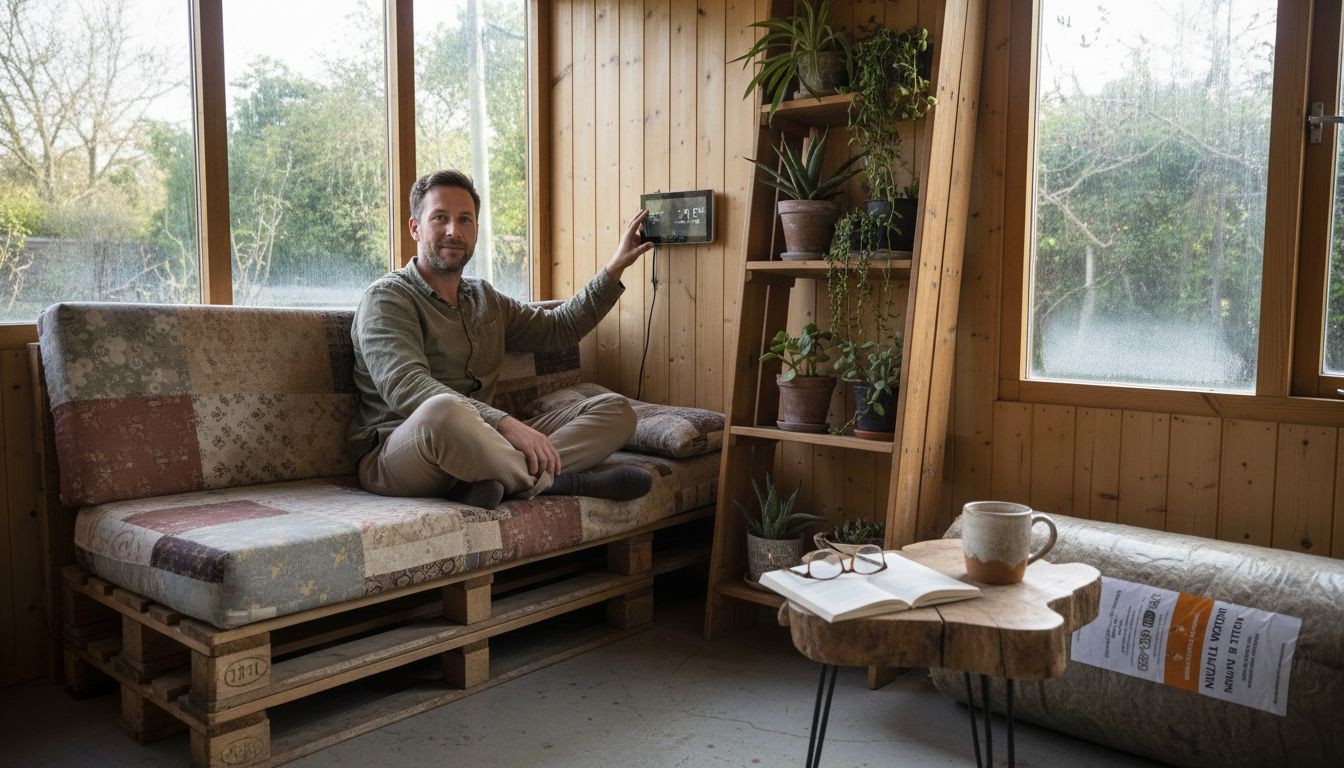
Key essential features now include advanced climate control systems that automatically adjust temperature and humidity, solar-powered electrical systems with battery storage, and high-performance insulation materials that ensure year-round comfort. Wireless connectivity enables seamless remote working capabilities, with integrated sound dampening technologies creating professional acoustic environments. Modular design has emerged as a critical innovation, allowing homeowners to reconfigure spaces rapidly through movable walls, adjustable furniture systems, and flexible interior layouts that can transform from home office to fitness studio within minutes.
Emerging innovations are pushing the boundaries of traditional garden building concepts. Biophilic design principles now incorporate living walls, integrated planters, and transparent materials that blur boundaries between indoor and outdoor spaces. Advanced materials like self-cleaning glass, thermal-regulating surfaces, and recycled composite materials are becoming standard. These innovations not only enhance aesthetic appeal but also significantly improve environmental performance, reducing carbon footprint and creating spaces that actively contribute to ecological sustainability.
Expert Garden Building Tip: Prioritise garden buildings with adaptable design features and integrated smart technologies to ensure your space remains functional and relevant for years to come.
Sustainability and Eco-Friendly Materials
Sustainability has transformed from a niche concept to a fundamental design principle in garden building construction. Timber emerges as a pivotal low-carbon material that supports the UK’s ambitious environmental goals, offering both aesthetic appeal and significant ecological advantages.
Advanced eco-friendly materials now dominate garden building construction, with innovative solutions that dramatically reduce environmental impact. Recycled composite materials, responsibly sourced timber, and regenerative insulation systems have become standard. These materials not only provide superior thermal performance but also minimise carbon footprint. Manufacturers are increasingly utilising locally sourced, renewable resources that can be completely recycled or biodegraded at the end of a structure’s lifecycle, creating a truly circular approach to construction.
The integration of sustainable technologies extends beyond material selection. Solar panel roof systems, rainwater harvesting mechanisms, and passive heating and cooling designs are now integral to modern garden building engineering. Green roofing technologies featuring native plant species help improve local biodiversity, while advanced insulation techniques using natural materials like hemp, cork, and sheep’s wool provide exceptional thermal regulation with minimal environmental consequence. These holistic design approaches transform garden buildings from simple structures into active contributors to ecological sustainability.
Expert Garden Building Tip: Select materials with verifiable sustainability credentials and prioritise designs that integrate renewable energy capabilities to maximise your garden building’s environmental performance.
UK Planning Permission and 2025 Regulations
Navigating the landscape of UK garden building regulations requires careful understanding of evolving legal frameworks. Planning reforms are delivering more streamlined processes for homeowners seeking to develop garden structures while maintaining environmental protections.
The 2025 regulatory landscape introduces nuanced changes that significantly impact garden building projects. Most garden buildings under a specific square meterage now benefit from permitted development rights, which means homeowners can construct structures without full planning permission. Key considerations include height restrictions (typically under 2.5 metres), proximity to property boundaries, and adherence to specific design guidelines that preserve neighbourhood character and ecological integrity.
Specific regulations now mandate considerations beyond mere construction permissions. Biodiversity net gain requirements mean garden buildings must demonstrate a minimal ecological impact, potentially incorporating green roofing, native plant integration, or habitat preservation strategies. Local authorities have been empowered with more discretionary powers to assess each project’s environmental contribution, shifting from a purely restrictive approach to a more collaborative, sustainability-focused framework.
Expert Garden Building Tip: Consult your local planning authority early in the design process and prepare detailed ecological impact assessments to streamline your garden building approval.
Costs, Value Added and Common Pitfalls
Investing in a garden building represents a strategic financial decision that extends far beyond initial construction costs. Garden buildings can significantly boost property value by creating additional functional space and enhancing overall property appeal. Homeowners can expect a potential return on investment ranging between 15-30%, depending on design quality, materials used, and integration with existing property characteristics.
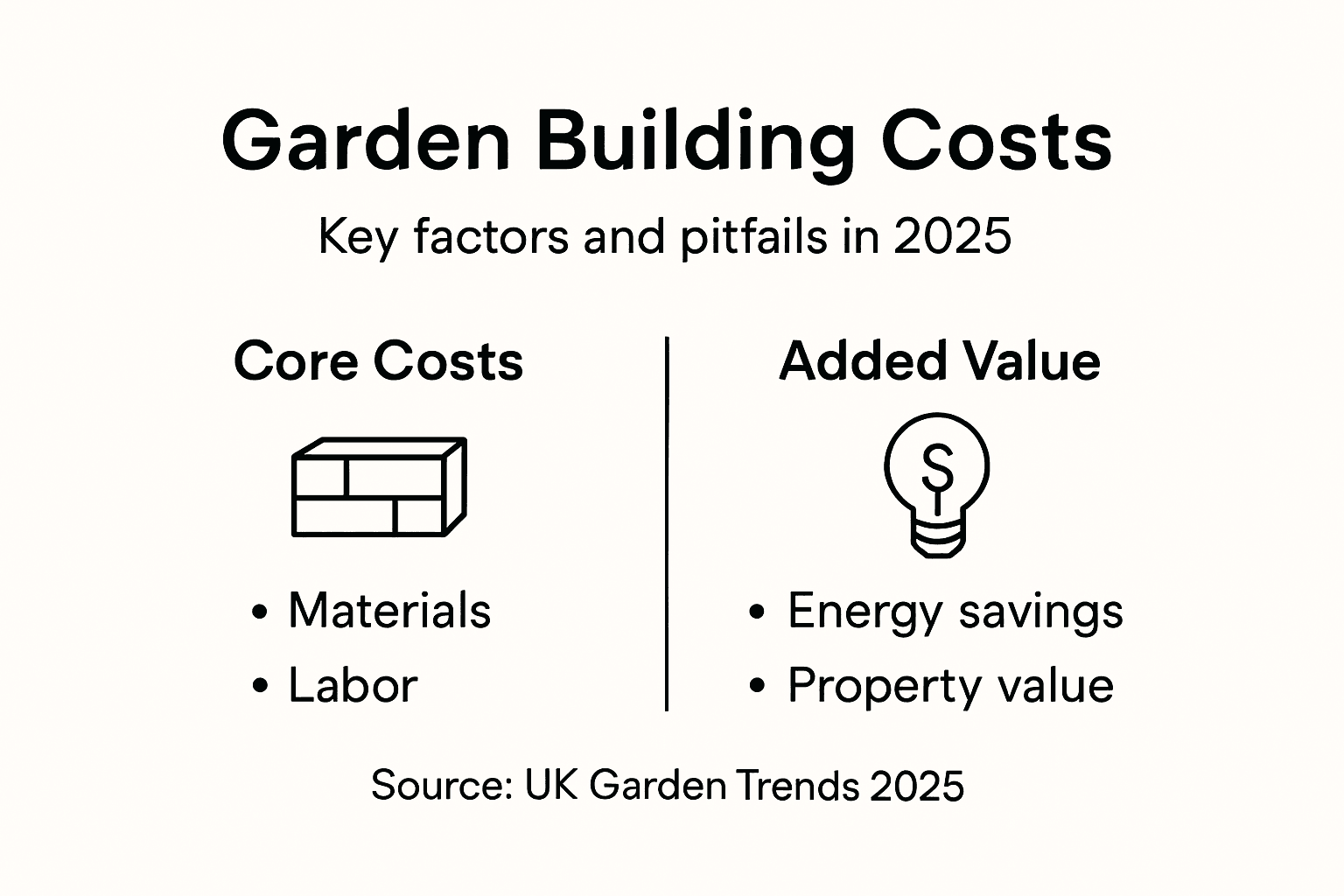
The financial landscape of garden building projects involves multiple cost considerations beyond the initial construction. Typical expenses include foundation preparation, material selection, professional design fees, and potential planning permission applications. Average costs in the UK range from £10,000 for basic structures to £50,000 for sophisticated, fully-equipped garden rooms. Critical factors influencing pricing include square meterage, complexity of design, technological integrations, and chosen sustainability features.
Below is a summary of typical costs and value factors to consider when planning a garden building project:
| Cost Element | Typical Range | Value Impact |
|---|---|---|
| Total Installed Cost | £10,000–£50,000 | Higher quality boosts resale value |
| Return on Investment | 15–30% property uplift | Enhanced appeal and usability |
| Contingency Funds | 15–20% of total budget | Reduces risk of financial overruns |
Common pitfalls in garden building projects often stem from inadequate planning and unrealistic expectations. Homeowners frequently underestimate additional expenses such as electrical connections, insulation upgrades, and potential groundwork requirements. Other significant challenges include miscalculating size restrictions, overlooking local planning regulations, and failing to consider long-term maintenance costs. Proper budgeting should include a contingency fund of approximately 15-20% to accommodate unexpected expenses and potential design modifications.
Expert Garden Building Tip: Always obtain multiple quotes, thoroughly research local regulations, and create a comprehensive budget that includes contingency funds to prevent financial surprises during your garden building project.
Transform Your Outdoor Space with Bespoke Sustainable Garden Buildings
The challenge of creating a garden building that perfectly balances bespoke design, multifunctional use, and eco-friendly features is at the heart of 2025’s garden building trends. Homeowners seek flexible spaces that align with sustainability goals while offering personalised lifestyle solutions. These goals often come with concerns about planning permissions, costs, and selecting the right materials that offer both beauty and environmental harmony.
At Log Cabin Kits, we understand these challenges and provide a wide range of customisable garden buildings designed to meet your unique lifestyle needs while embracing environmental responsibility. Whether you want a bespoke home office bathed in natural light or an eco space that supports wellbeing and biodiversity, our expert guides and tailored kits help you turn these goals into reality. Explore options that integrate advanced insulation, renewable energy capabilities, and modular layouts for unparalleled flexibility.
Ready to create a sustainable and personalised garden building that truly enhances your property value and lifestyle advantages? Visit Log Cabin Kits today to discover how you can bring your bespoke garden building vision to life. Learn more about bespoke garden rooms to explore customised solutions or dive into eco-friendly garden rooms for smart sustainable designs. Take the first step now and invest in a garden building designed for the future.
Frequently Asked Questions
What are the key features of modern garden buildings in 2025?
Modern garden buildings now feature multifunctional designs, advanced climate control systems, smart technology integration, and a focus on sustainability. These spaces can serve as home offices, relaxation areas, or creative studios while utilising eco-friendly materials.
How do bespoke garden buildings differ from hybrid and eco spaces?
Bespoke garden buildings are fully customised to meet individual homeowner specifications, while hybrid spaces are designed for multifunctionality and can easily transition between different uses. Eco spaces prioritise sustainability, incorporating energy-efficient technologies and materials with minimal environmental impact.
What types of materials are commonly used in eco-friendly garden buildings?
Eco-friendly garden buildings often use materials such as responsibly sourced timber, recycled composites, and natural insulation materials. These materials offer superior thermal performance and contribute to a lower carbon footprint.
What should I consider before investing in a garden building?
Before investing in a garden building, consider the design’s flexibility, the potential return on investment, local planning regulations, and the long-term maintenance costs. It’s essential to create a comprehensive budget that includes unexpected expenses.


