
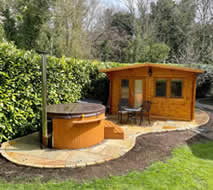
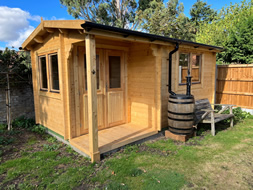
Prefab garden buildings: flexible solutions for your space
TL;DR:
- Prefab garden buildings are high-quality, customizable structures assembled off-site for quick installation. They offer benefits like faster setup, lower costs, better quality control, and minimal disruption. These buildings are suitable for various uses, from home offices to guest rooms, and often do not require planning permission within specific limits.
Prefab garden buildings: flexible solutions for your space
Many homeowners assume prefab garden buildings are basic, flimsy structures with little personality. That assumption couldn’t be further from the truth. Today’s prefab options are high-quality, bespoke, and genuinely impressive. Whether you want a home office tucked at the bottom of your garden, a creative studio, or a fully insulated guest retreat, prefab buildings can deliver all of that and more. This guide walks you through what prefab garden buildings actually are, the real benefits they offer, how they compare to traditional builds, and everything you need to know before you get started.
Table of Contents
- What is a prefab garden building?
- Benefits of prefab garden buildings for UK homes
- Prefab vs traditional garden buildings: A side-by-side comparison
- Planning, permissions, and practical considerations
- Why prefab is the future of UK garden living
- Find your perfect prefab garden building
- Frequently asked questions
Key Takeaways
| Point | Details |
|---|---|
| Flexible, bespoke design | Prefab garden buildings offer custom solutions for a wide range of uses. |
| Fast and efficient installation | Prefabricated buildings can be assembled in just days with minimal disruption. |
| UK planning made easy | Many garden buildings need no planning permission under permitted development, but always check local rules. |
| Prefab vs traditional benefits | Prefab often delivers quicker, more cost-effective results than traditional construction routes. |
| Year-round comfort possible | With the right design, prefab garden rooms can be warm, energy-efficient, and stylish. |
What is a prefab garden building?
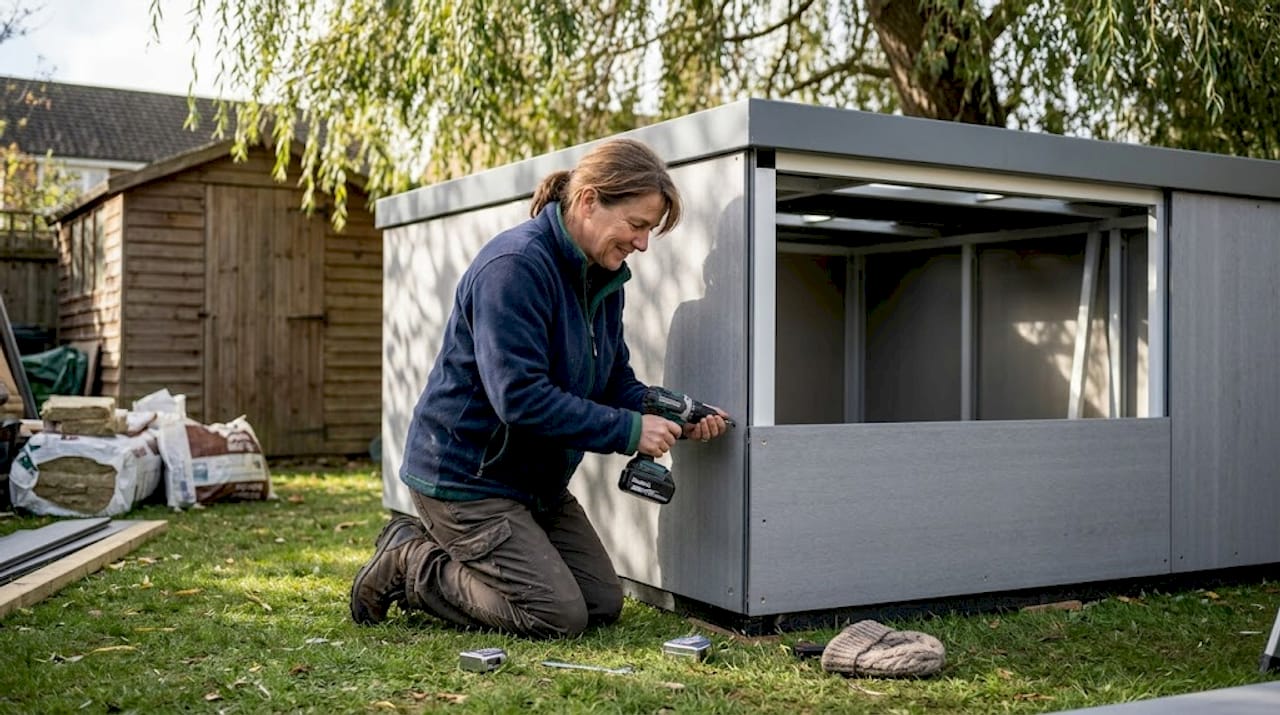
Let’s clear up the confusion straight away. “Prefab” is short for prefabricated, which simply means the building is constructed off-site in a factory, then transported and assembled in your garden. As explained in this garden building definition, prefabricated buildings are constructed offsite in sections and then assembled on location.
The key difference from a traditional build is the process. With a traditional structure, builders arrive, lay foundations, construct walls from scratch, and gradually piece everything together over weeks or months. With a prefab building, the walls, roof panels, windows, and doors arrive ready-made. Installation is swift and far less disruptive to your home life.
This doesn’t mean you’re stuck with a generic box shape. Far from it. Modern prefab garden buildings offer a genuinely impressive level of customisation. You can choose from different log thicknesses, cladding finishes, roof styles, window placements, and internal layouts. Some suppliers, including ourselves, offer fully bespoke designs shaped entirely around your requirements and your outdoor space.
One of the most common misconceptions is that prefab means poor quality. In reality, factory construction often produces more consistent results than on-site builds, because components are manufactured under controlled conditions with precise quality checks at every stage. There’s no bad weather causing delays, no issues with damp affecting freshly laid materials.
Here are just some of the ways people are using prefab garden buildings right now:
- Home office – a quiet, dedicated workspace away from household distractions
- Creative studio – for art, music, photography, or crafts
- Home gym – no more expensive gym memberships
- Guest accommodation – a comfortable, private space for visitors
- Garden room – an extension of your living space for relaxation or entertaining
- Teen retreat – giving teenagers their own independent space
- Therapy or consultation room – for professionals working from home
You can also explore other prefab garden buildings beyond the classic log cabin style, including contemporary flat-roof designs and insulated garden rooms.
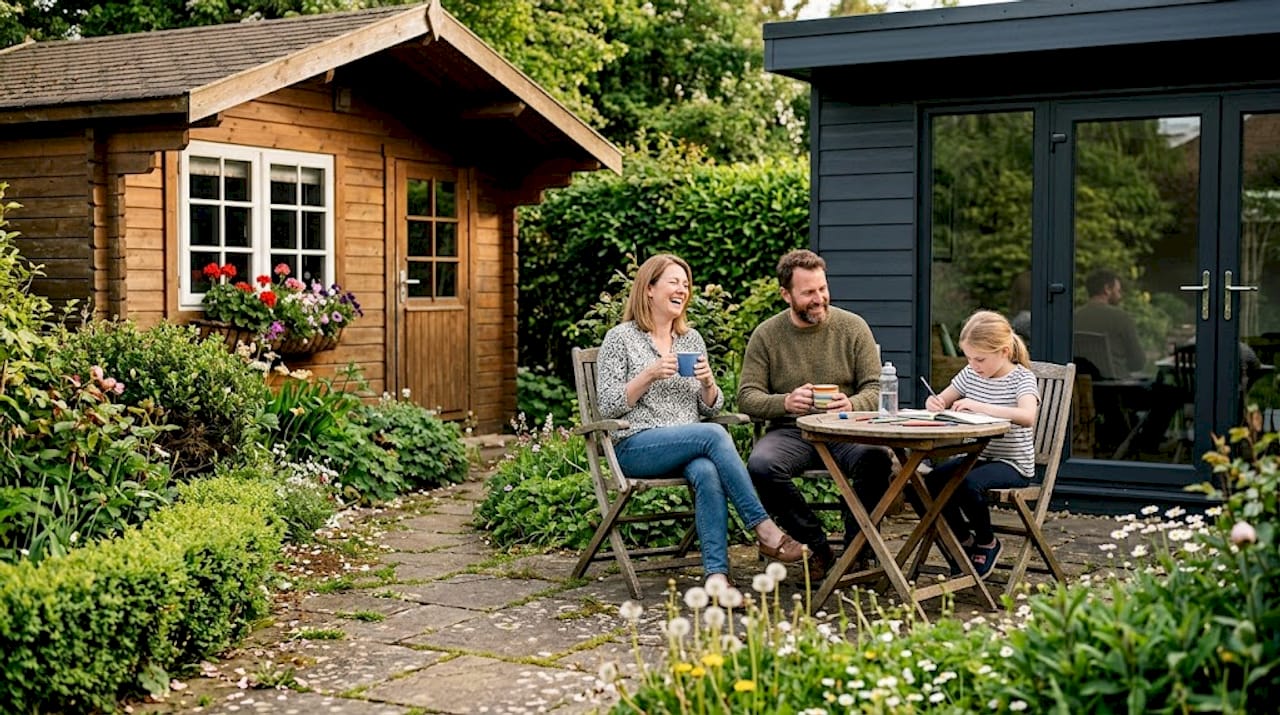
Pro Tip: Before you look at any designs, write down exactly what you need the space for and how many people will use it regularly. That single step will save you hours of searching and help you zero in on the right size and layout from the start.
Benefits of prefab garden buildings for UK homes
Understanding the basics, let’s look at why more homeowners are choosing prefab options over traditional construction.
The speed advantage is enormous. Prefab options generally offer faster installation and less disruption compared to traditional builds. For most families, avoiding weeks of builders tramping through the garden is a significant win. You can go from ordering to having a usable structure in a fraction of the time.
Cost savings are another major draw. Because factory production is more efficient and waste is minimised, you typically pay less for materials compared to a traditional build where on-site offcuts and mistakes add up. Labour costs are also reduced because installation is faster and requires fewer specialists on-site.
Then there’s the sustainability angle, which matters more and more to UK homeowners. Factory builds generate considerably less material waste. Timber is cut to precise measurements, meaning fewer offcuts end up in skips. Many prefab buildings also use sustainably sourced timber, which is increasingly important if you care about your environmental footprint.
For UK climates specifically, quality prefab buildings can be specified with excellent insulation from the outset. Choosing the right wall thickness and adding a proper insulated floor and roof means your garden building stays warm in winter and cool during those rare British summer heatwaves. That makes year-round use practical rather than hopeful.
You can browse contemporary prefab options and also check out trending garden building designs to see what styles are proving most popular right now.
Did you know? Demand for garden buildings in the UK has risen sharply since 2020, with home offices and multi-use garden rooms consistently ranking as the most sought-after additions to residential properties.
Here are the top five benefits UK homeowners enjoy with prefab garden buildings:
- Speed – most buildings are ready to use within days of delivery
- Cost efficiency – lower labour and material costs versus traditional builds
- Quality consistency – factory-controlled production reduces errors
- Design flexibility – bespoke options to match your taste and space
- Low disruption – minimal mess, noise, and intrusion during installation
Pro Tip: If you plan to use the building year-round, specify thicker walls and insulated floors when ordering. It’s much easier and cheaper to get this right upfront than to retrofit insulation later.
Prefab vs traditional garden buildings: A side-by-side comparison
To make the right choice for your needs, let’s directly compare prefab and traditional building approaches.
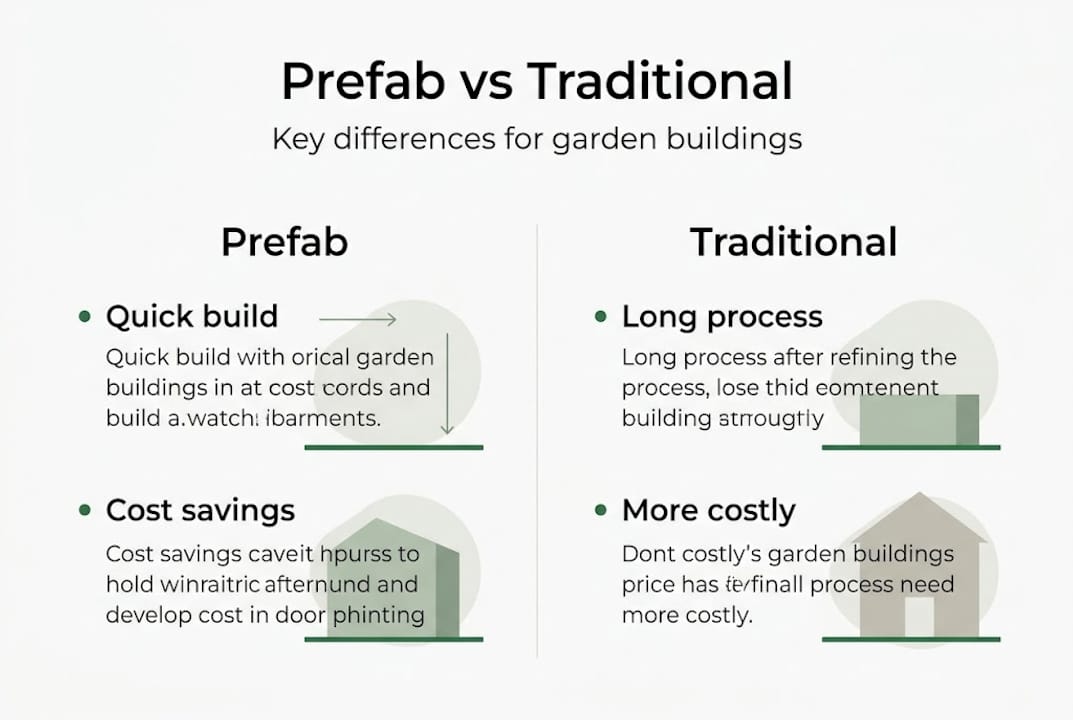
The honest answer is that prefab wins on most practical measures for the average homeowner. Prefab models can often be assembled within a matter of days, whereas traditional builds may take weeks or months. That’s a significant difference if you’re keen to start using your new space quickly.
Here’s a clear comparison to help you weigh things up:
| Factor | Prefab | Traditional |
|---|---|---|
| Installation time | Days to weeks | Weeks to months |
| Cost | Generally lower | Often higher |
| Design flexibility | High (bespoke options available) | Very high |
| Planning permission | Often permitted development | May require full consent |
| Insulation options | Specified at order stage | Added during build |
| Maintenance | Low, consistent quality | Varies by builder |
| Disruption to garden | Minimal | Significant |
| Heritage aesthetics | Modern or rustic available | Better for period styles |
For most UK homeowners wanting a practical, quality outdoor space without months of upheaval, prefab is the clear frontrunner. Traditional builds do still hold an advantage in one specific area: if you want a structure that perfectly matches a period property or requires very unusual architectural features, a skilled traditional builder has more freedom to achieve that look.
Here’s a typical prefab installation process so you know what to expect:
- Consultation and design – work with your supplier to finalise size, layout, and specification
- Foundation preparation – lay a suitable base before delivery (concrete pad, timber frame, or ground screws)
- Delivery of components – pre-cut panels, roof sections, windows, and doors arrive on a delivery vehicle
- Assembly – experienced fitters assemble the structure on-site, usually within one to three days
- Finishing touches – fitting internal linings, electrics if required, and exterior treatments
- Handover – your building is ready to furnish and use
You can learn more about what’s shaping buyer preferences by looking at current design trends across the UK garden building market.
When you’re deciding between prefab vs traditional garden buildings, consider your timeline, budget, and how much disruption you’re willing to accept. For the vast majority of homeowners, prefab delivers excellent results without the prolonged building site in the back garden.
Planning, permissions, and practical considerations
Once you’ve decided on the type of building, it’s crucial to know the rules and planning steps involved.
UK planning rules allow many garden buildings under permitted development, but there are limits. Permitted development means you can build without applying for formal planning permission, as long as your project falls within specific rules about size, height, and placement.
Here’s a quick overview of the main requirements:
| Requirement | Permitted development limit |
|---|---|
| Maximum height (flat roof) | 2.5 metres |
| Maximum height (pitched roof) | 4 metres at ridge (3 metres for other roofs) |
| Footprint coverage | No more than 50% of garden area |
| Proximity to highway | Must not be forward of the principal elevation |
| Use as sleeping accommodation | Generally requires full planning consent |
| Listed buildings or AONB | Restrictions apply, check locally |
For most straightforward garden buildings used as offices, studios, or leisure spaces, you’ll likely fall comfortably within permitted development. But it’s always worth checking the specifics for your plot and location. You can find detailed guidance in our garden building planning permission guide, and there’s also a very clear breakdown of permitted development for garden buildings if you want to go deeper on the rules.
Here are four key planning tips to keep your project hassle-free:
- Measure carefully – always confirm the footprint and height of your chosen building against permitted development limits before ordering
- Check your deeds – some properties have restrictive covenants that limit outbuilding construction regardless of planning rules
- Talk to your neighbours – not required by law in many cases, but a quick conversation avoids surprises and keeps relationships friendly
- Consider access routes – delivery vehicles need to reach your garden, so check gate widths and any restrictions before booking delivery
Insurance is another consideration many people overlook. Check with your home insurer whether a new garden building needs to be declared, and whether you need to update your policy to cover contents inside it, particularly if you’re using it as an office with computers or equipment.
For detailed help on site preparation and layout, our space planning tips guide is a practical resource. And if you’re specifically considering a log cabin style building, our guide on log cabin permissions explained covers that in detail.
Your local council planning department is always the final word on what’s allowed in your specific area. When in doubt, a quick call or an online pre-application enquiry can save a lot of stress down the line.
Why prefab is the future of UK garden living
With the practicalities covered, here’s our take on why the prefab approach is genuinely leading the next wave of outdoor living in the UK.
Traditional building methods have their place. We’re not dismissing them. But the reality for most modern homeowners is that life moves quickly, budgets matter, and waiting months for a garden building to be completed simply doesn’t fit how people live today. Prefab removes that friction entirely.
What excites us most is the level of personalisation now available. A prefab building no longer means accepting someone else’s floor plan. Today you can specify everything, from the position of the door to the finish on the external cladding. That means every building genuinely reflects its owner. There’s real character in these structures, and we see it every time a customer shares photos of their completed space.
The flexibility angle is also becoming increasingly important. Families evolve. A building that starts life as a playroom can become a teenage retreat, then a home office, then a guest room. Prefab buildings are designed to accommodate that kind of change without needing structural alterations. That’s a compelling long-term argument for choosing prefab.
Pro Tip: Think beyond a single purpose. Designing in a small kitchenette nook or a fold-away desk means your building adapts as your needs change, without requiring costly modifications later.
The UK outdoor space is genuinely being reimagined, and flexible garden room design is at the heart of that shift. We think prefab is not just a practical solution for today. It’s the smarter way to invest in your home for the long term.
Find your perfect prefab garden building
Ready to transform your garden? Discovering the right prefab building for your space is easier than you might think.
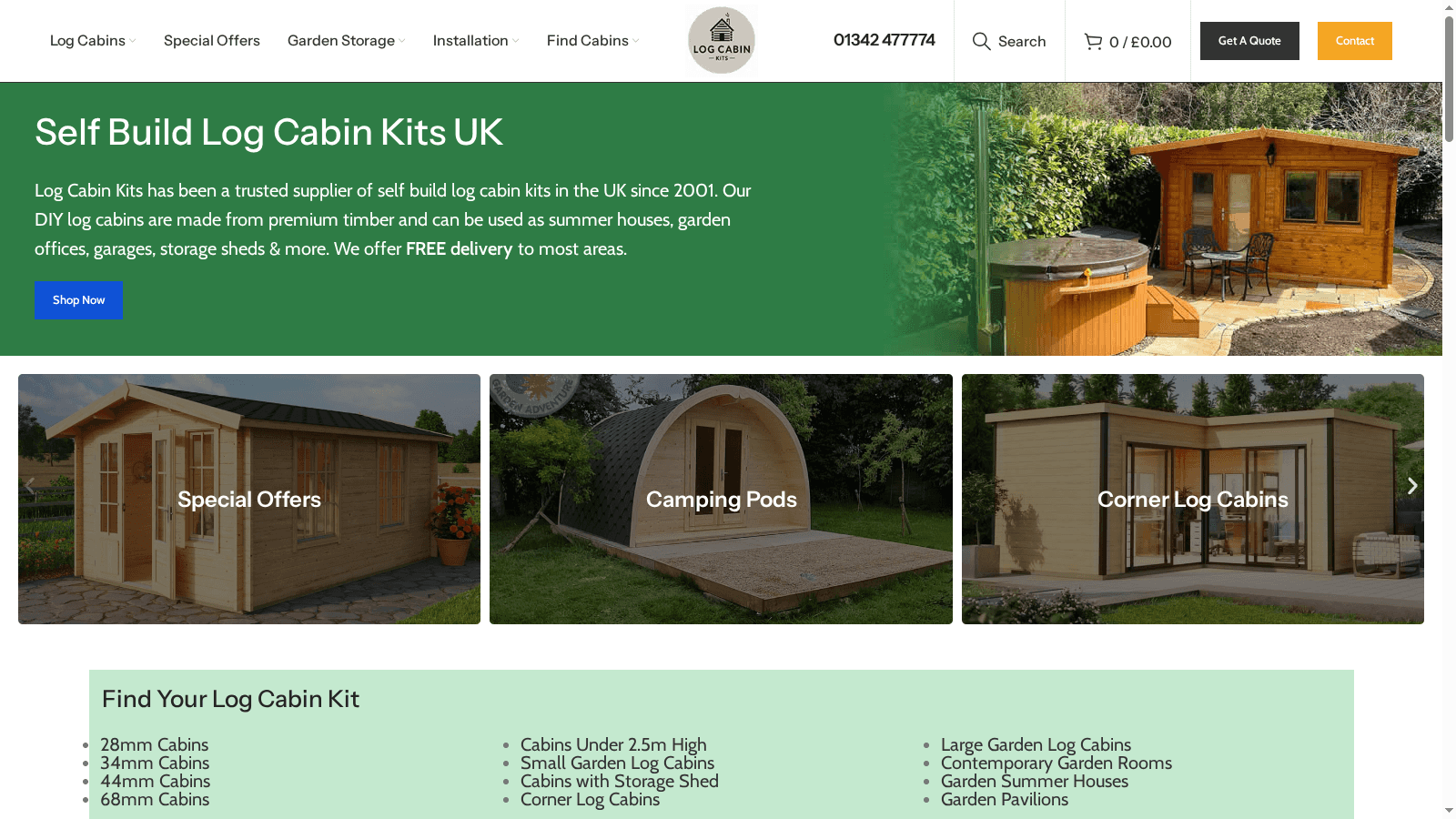
We specialise in bespoke garden log cabins and prefab garden buildings designed around your outdoor space and lifestyle. Whether you’re after a sleek contemporary room or a traditional cabin feel, our prefab garden building gallery is a great place to start browsing real examples. If you already have ideas, our bespoke cabin design service lets you shape every detail from scratch. Not sure where to begin? Explore our garden building inspiration pages for ideas across every style and budget. Our friendly team is always on hand to help you find the right fit, with no pressure and no jargon.
Frequently asked questions
Do prefab garden buildings require planning permission in the UK?
Many prefab garden buildings fall under permitted development, meaning no formal application is needed. However, larger structures, certain uses such as sleeping accommodation, and properties in protected areas may require consent, so always verify your specific situation with your local council.
How long does assembly of a prefab garden building take?
Most prefab garden buildings can be assembled within days, which is a significant advantage over traditional builds that often take several weeks or even months from start to finish.
Can prefab garden buildings be customised?
Absolutely. Many UK suppliers offer a wide range of sizes, styles, cladding options, and internal layouts, meaning full personalisation is genuinely achievable. Bespoke design services allow you to tailor virtually every aspect of the building to suit your needs and tastes.
What are the most popular uses for prefab garden buildings?
Home offices, creative studios, home gyms, entertainment rooms, and guest spaces are among the most popular uses. Many homeowners also use them as therapy rooms, teenage retreats, or flexible multi-purpose spaces that serve different functions at different times.