
How to create a log cabin workspace: comfort and productivity
TL;DR:
- Garden log cabins provide dedicated, inspiring workspaces close to home.
- Proper planning, insulation, and compliant electrical work are essential for year-round comfort.
- Legal regulations and potential business use restrictions should be considered early in the process.
Working from home is brilliant in theory, but in practice, the kitchen table and the spare bedroom only go so far. More UK homeowners are turning to garden log cabins as a proper solution: a dedicated, inspiring workspace just steps from the back door. Whether you want a quiet home office, a creative studio, or a leisure retreat, a log cabin ticks a lot of boxes. But getting it right takes some thought. This guide walks you through everything, from planning and permissions to fitting it out so it works brilliantly every day.
Table of Contents
- Planning your log cabin workspace: what you need to know
- selecting materials, design, and custom features
- Installation and essential utilities: step-by-step
- finishing touches: workspace layout, comfort, and troubleshooting
- What most guides don’t tell you about creating a log cabin workspace
- Get started with your dream log cabin workspace
- frequently asked questions
Key Takeaways
| Point | Details |
|---|---|
| Plan for compliance | Always check sizing, permissions, and regulations before committing to a log cabin workspace. |
| Prioritise comfort | Invest in proper insulation, electrics, and heating from the start for year-round enjoyment. |
| Choose wisely | Select materials and layouts tailored to your workspace needs to maximise productivity and comfort. |
| Get expert help | Employ qualified professionals for electrics and major works to ensure safety and legal compliance. |
| Finish thoughtfully | Add finishing touches and address small issues early for a workspace that stays inviting and functional. |
Planning your log cabin workspace: what you need to know
Before you browse cabin styles or pick a colour for the walls, spend a little time on the fundamentals. A bit of preparation now saves a lot of hassle later.
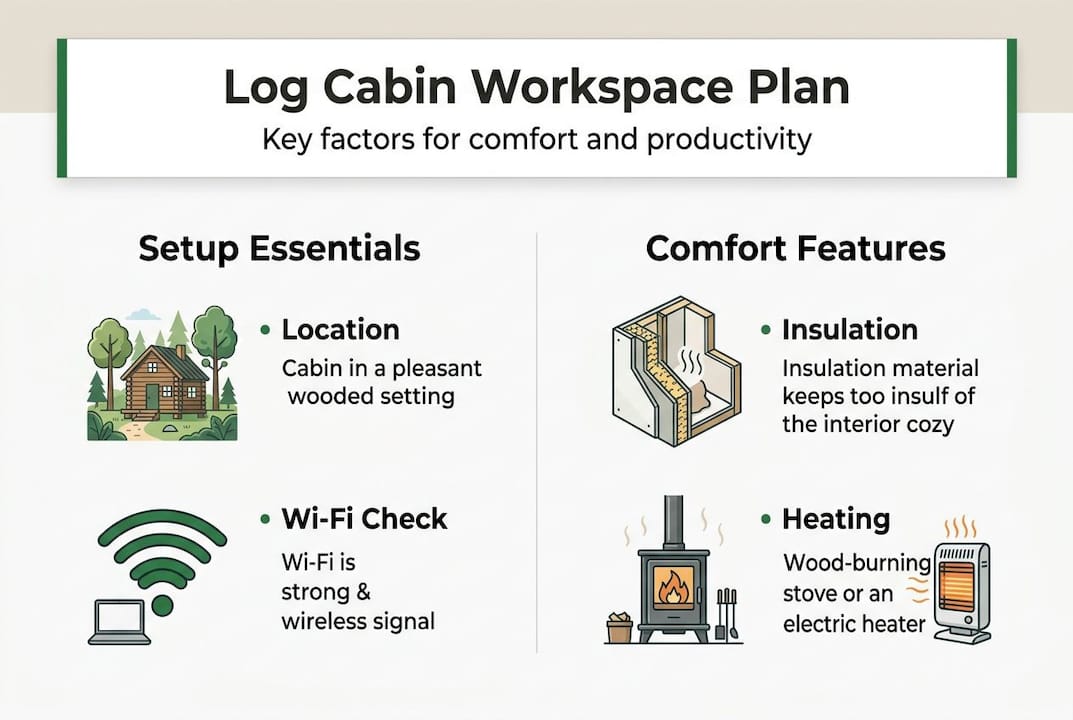
Start by assessing your garden. Think about where the cabin will sit in relation to your home, your neighbours, and the sun. A south or west-facing position usually gives you the best natural light through the working day. Consider privacy too: you probably don’t want to feel on display while you’re on a video call.
Next, be clear about how you’ll use the space. A home office has different needs from a hobby room or a gym. Your intended use will shape everything from the size of the cabin to the utilities you’ll need.
Understanding the legal side is essential. Most garden cabins fall under permitted development rights, meaning no formal planning application is needed, but there are conditions. Check out the full picture on planning permission for garden log cabins before you commit.
On the regulations side, non-habitable cabins under 30m² are often exempt from building regulations, but if you’re adding electrics, heating, or insulation, those elements still need to comply with the relevant standards, and you’ll need a qualified electrician for any electrical work.
Budget is the other big factor. Kit costs, groundwork, insulation, and utilities all add up. Use our guide to choosing your perfect log cabin kit for a clear idea of what’s involved.
| Planning checklist | Key consideration | Notes |
|--------------------|-------------------|------------------------------------------|
| Size | Match to intended use | Under 30m² often avoids building regs |
| Purpose | Office, leisure, or both | Different uses have different requirements |
| Location | Light, privacy, access | South or west-facing is ideal |
| Permission | Check permitted development | Conservation areas have stricter rules |
| Main utilities | Electric, heating | Part P compliance for electrics |
Pro tip: Before settling on a location, test your Wi-Fi signal at different spots in the garden. A cabin that looks perfect may sit in a dead zone. A mesh Wi-Fi extender can solve this, but it’s worth factoring into your setup costs from the start.
For ideas on making the most of the space outside your cabin too, this guide on outdoor space styling tips is well worth a look.
selecting materials, design, and custom features
With a clear plan and site in mind, the next step is selecting your materials and custom features for an ideal workspace.
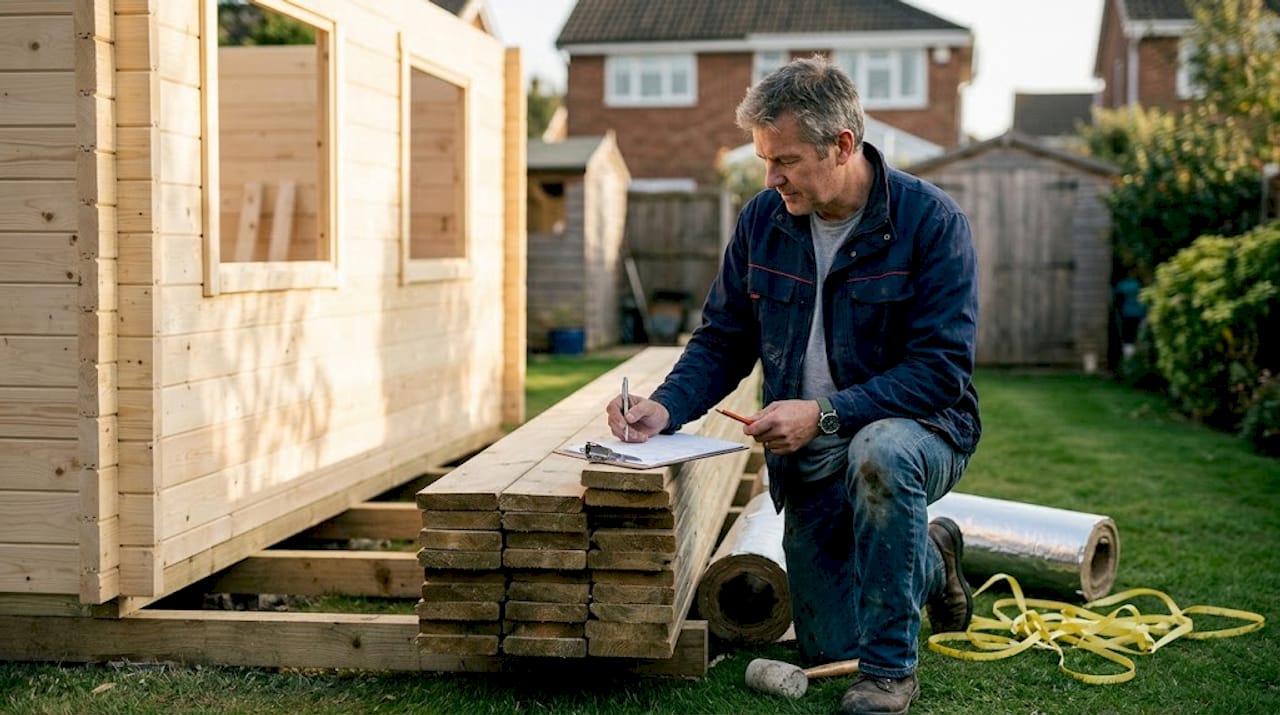
Log cabins come in several construction types. solid log cabins offer a traditional look and great thermal mass, but they can be heavier and more expensive. glued laminated timber (also called glulam) is dimensionally stable, resists warping, and is popular for year-round workspaces. Pre-fabricated kits are the most accessible option for most homeowners: they arrive ready to assemble, with clear instructions and everything you need in the package.
| Material type | Energy efficiency | Cost | Assembly difficulty |
|--------------------|------------------|-------------|----------------------|
| solid log | Good | Higher | moderate |
| glued laminated | Very good | mid-range | moderate |
| Pre-fabricated kit | Variable | Lower | Easy |
Customisation is where your cabin really starts to feel like yours. Think about window placement carefully: large windows on the south-facing wall bring in light without the glare you’d get from east or west. Double glazing is worth every penny for year-round comfort. Consider built-in storage from the outset rather than retrofitting shelves later. It keeps the space cleaner and more space-saving with cabin storage ideas.
Top design features for a productive workspace:
- Double or triple glazing for thermal and acoustic comfort
- South-facing or roof windows for natural light
- Built-in shelving and desk space
- A dedicated power point layout planned before installation
- High-quality insulation as standard, not an afterthought
- A separate entrance so clients or visitors don’t need to pass through the house
Speaking of clients: if you plan to receive visitors or use the cabin commercially, commercial use and client visits can trigger full planning permission and building regulations requirements, even if the cabin would otherwise qualify as permitted development. Conservation areas, cabins close to boundaries, or any sleeping or kitchen facilities also bring additional rules into play. Get advice early to avoid surprises.
For more on getting the design right from the start, read our tips for building a log cabin office and how to create a log cabin office that works for you.
Installation and essential utilities: step-by-step
Once you know your ideal cabin’s specifications, it’s time to roll up your sleeves and get building, with safety and compliance top of mind.
Here are the core steps from groundwork to final fit-out:
- prepare the base. A solid, level foundation is non-negotiable. Options include a concrete slab, paving slabs on compacted hardcore, or a treated timber frame. Get this right and everything else follows.
- Order and check your kit. When your cabin kit arrives, check all components before you start. Follow the manufacturer’s instructions closely.
- erect the cabin frame and walls. Most kits go up in stages: floor, then walls, then roof structure. Take your time and check for level at every stage.
- fit the roof covering. Whether it’s felt, shingles, or a living roof, this is your primary protection against the British weather.
- Install insulation. This is one of the most important steps for year-round comfort. Our guide on how to insulate your log cabin walks through the options in detail.
- Connect electrics via a qualified professional. Never attempt this yourself. UK Part P compliance means all electrical work must be carried out or certified by a registered electrician.
- Install heating. Whether it’s electric panel heaters, an air source heat pump, or a small log burner, ensure your chosen option meets building regulations. For tips on staying warm all year, read how to keep your log cabin warm.
- Test everything. Before you move in your furniture, test all electrics, heating, and any data cabling. Far easier to fix at this stage.
Safety first: All electrical installation in your garden cabin must comply with Part P of the Building regulations. This is a legal requirement, not optional. Always use a qualified, registered electrician. For a full overview, see our guide to safe cabin electrical installation.
Pro tip: Schedule installation on a dry week if you can. British weather is unpredictable, but working on your cabin base and frame in wet conditions isn’t just unpleasant. It can affect timber quality and slow the whole project down significantly.
finishing touches: workspace layout, comfort, and troubleshooting
With your log cabin structure and essentials in place, attention turns to making the space workable, comfortable, and enjoyable.
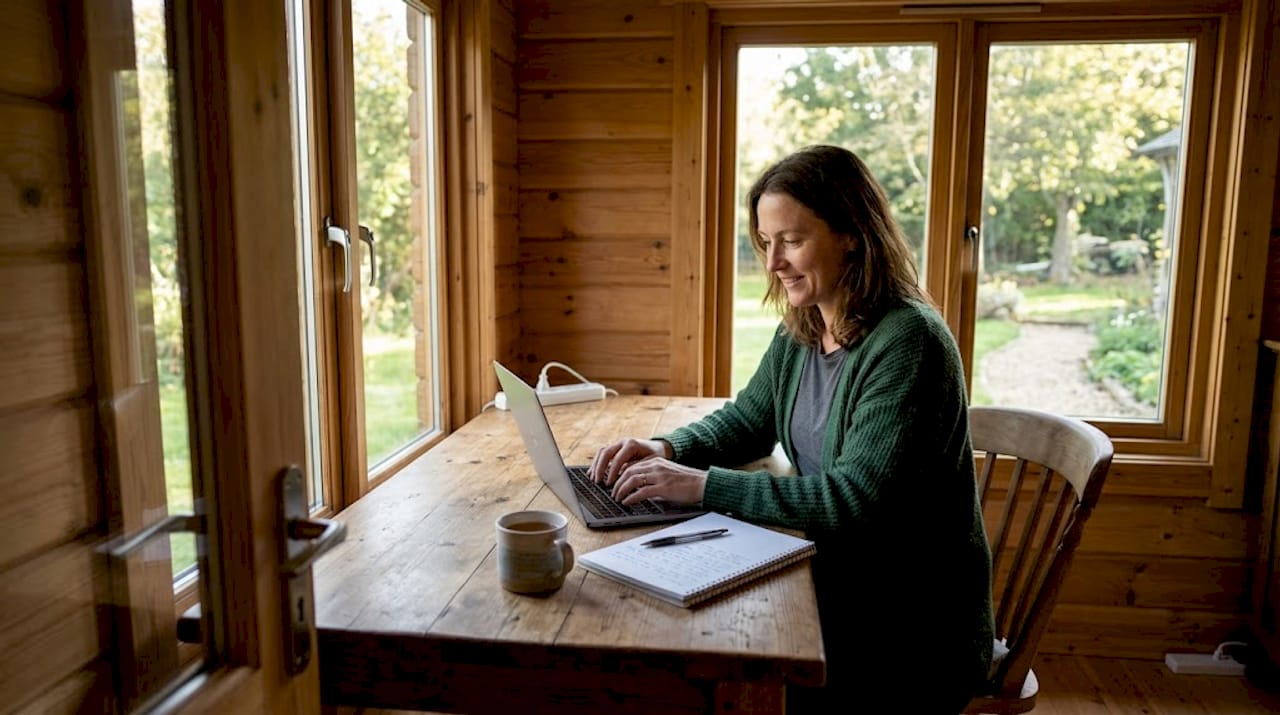
Start with your desk position. Place it so you’re facing a window or have it to your side, not behind you. This reduces screen glare and gives you a natural focal point for breaks. Position your chair so you’re not facing a blank wall all day. Natural light has a genuine impact on mood and focus.
Power point placement matters more than people expect. Plan sockets around where your desk, monitor, and any equipment will sit. An electrician can add sockets before you move in, which is far simpler than routing extension cables across the floor later.
For layout inspiration, our piece on creating a productive home office offers some genuinely useful ideas.
Common pitfalls to watch out for:
- damp: Common in poorly insulated cabins. A dehumidifier and proper vapour barrier during installation both help.
- Cold spots: Usually a sign of gaps in insulation or an undersized heater. Address insulation first.
- Wi-Fi dead zones: A mesh network system or a powerline adaptor running from your home router can fix this reliably.
- Not enough storage: A cluttered cabin kills productivity fast. Consider organising small spaces with built-in solutions rather than freestanding furniture.
- Poor ergonomics: A proper desk chair, monitor at eye level, and keyboard at the right height make a real difference over a full working day.
One thing worth knowing: if your cabin use evolves into receiving clients or hosting business meetings, commercial use rules may apply even if they didn’t when you first built it. It’s worth staying aware of this as your needs change.
Pro tip: Keep one wall in the cabin clear of furniture. It sounds counterintuitive in a smaller space, but a clear wall gives you room to move, reduces the feeling of crowding, and is ideal for a whiteboard, mood board, or even just visual breathing space.
What most guides don’t tell you about creating a log cabin workspace
Here’s something we see regularly: people focus so much on the build itself that they overlook the regulatory grey areas that only become obvious later.
“business use” is surprisingly ambiguous. Working from home quietly on your laptop is very different from holding client workshops or storing commercial stock. The former is generally fine; the latter may well require planning consent. Most guides gloss over this distinction entirely.
There’s also a persistent myth that a basic, low-cost cabin build saves money. In reality, retrofitting proper insulation, upgrading electrics, or adding decent heating after the fact almost always costs more than doing it right first time. We’ve seen it happen too many times.
Our honest take? As the team at Log cabin kits, we think the design of your cabin office deserves as much thought as the build itself. A cabin that’s cold, dim, or awkwardly laid out won’t get used, and that defeats the whole point.
‘It’s far easier to plan for comfort and compliance now, than to fix issues later.’
Invest upfront in the details that make daily use a pleasure, and your log cabin workspace will genuinely pay for itself.
Get started with your dream log cabin workspace
You’ve got the knowledge. Now it’s time to make it real. Whether you’re at the early ideas stage or ready to order, we’re here to help you every step of the way.
Browse our garden log cabin gallery to see what’s possible, from compact home offices to generous leisure cabins. If you want something truly unique, explore our custom build log cabins range or take a look at our bespoke cabin design service. We work with you to create exactly the workspace you have in mind. Get in touch and let’s talk through your ideas.
frequently asked questions
Do I need planning permission for a log cabin workspace in my garden?
Most garden log cabins under 30 square metres don’t need planning permission, but exceptions apply if you’re in a conservation area, near a boundary, or if the cabin includes sleeping or kitchen facilities. Commercial use or client visits can also trigger full planning requirements.
Can I install electricity and heating myself in a log cabin workspace?
No. UK law requires all electrical work to meet Part P compliance, which means a qualified, registered electrician must carry out or certify the work. heating systems must also meet building regulations.
What is the best way to keep a log cabin office comfortable all year?
Good insulation is the foundation: without it, no heater will keep up in winter. Combined with year-round insulation and an efficient heating system, your cabin can be a genuinely comfortable workspace in any season.
Are there any restrictions on using my log cabin for business purposes?
If you’re receiving clients or trading commercially, full planning permission and building regulations may apply regardless of the cabin’s size or location. It’s always worth checking with your local planning authority before you start.
Recommended
- Top Tips For Building A Log Cabin Office - Log Cabin Kits To Buy Online
- Cabins For Working From Home - Log Cabin Kits To Buy Online
- Transforming Your Work Life: Why A Garden Log Cabin Is The Ultimate Home Office Solution - Log Cabin Kits To Buy Online
- A Productive Home Office - Log Cabin Kits To Buy Online