
What Is a Green Roof? Eco-Friendly Urban Solutions
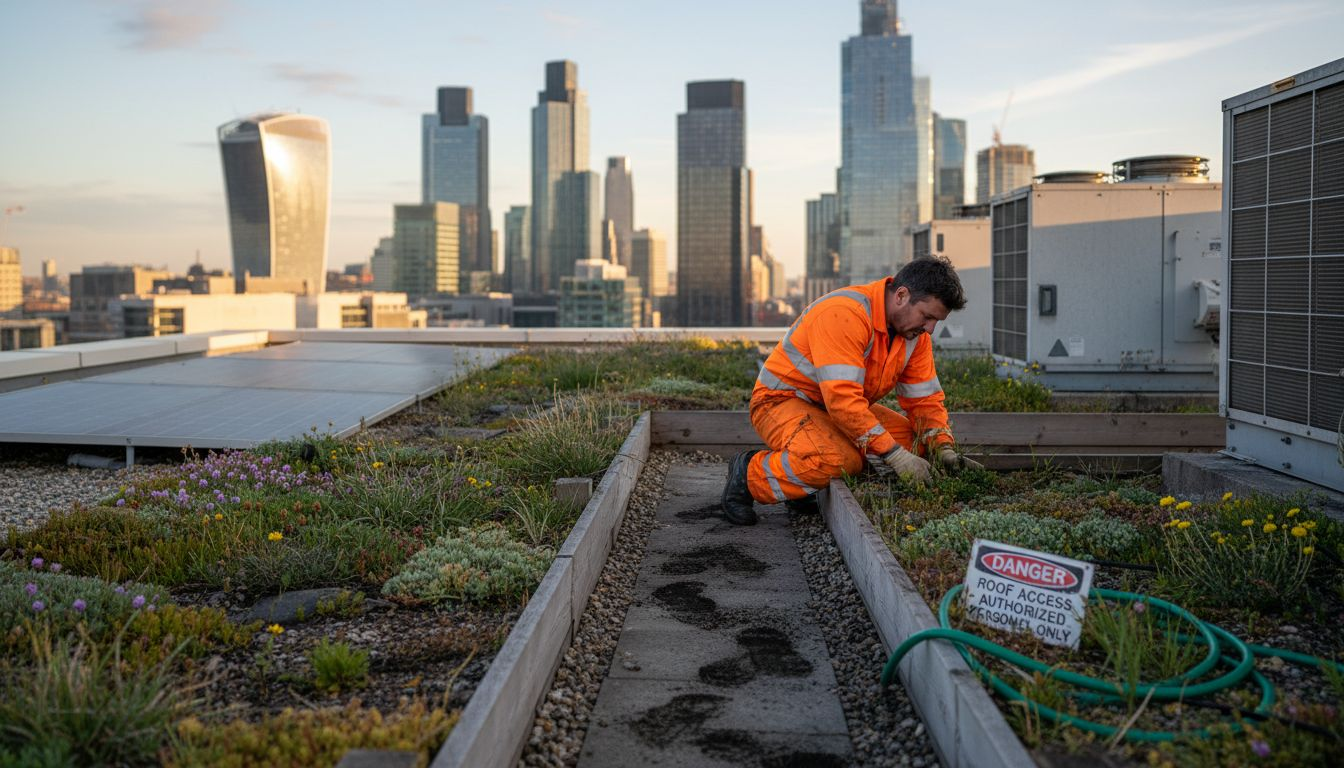
More than 45 percent of urban British homeowners now look to eco-friendly upgrades for their garden buildings. Facing concerns about rising energy costs and climate resilience, many seek sustainable solutions that go beyond ordinary landscaping. Green roofs offer a sophisticated way to transform flat rooftops into living garden spaces, supporting wildlife and reducing heat. This guide clarifies core concepts, types, costs, and practical myths so you can confidently decide if a green roof suits your bespoke British garden building.
Table of Contents
- Green Roofs Defined: Core Concepts And Myths
- Types Of Green Roofs Used In The UK
- Key Components And How Green Roofs Work
- Legal Requirements For UK Homeowners In 2026
- Costs, Challenges, And Common Pitfalls
- Comparing Green Roofs With Other Solutions
Key Takeaways
| Point | Details |
|---|---|
| Sustainable Infrastructure | Green roofs are vital for promoting sustainable urban development by creating ecological systems that combat environmental challenges. |
| Types of Green Roofs | Various green roof types exist, including extensive and intensive roofs, each tailored to specific structural and ecological needs. |
| Legal Considerations | Homeowners must understand local regulations and requirements for green roof installations to ensure compliance post-2026. |
| Investment and Maintenance | While green roofs involve significant upfront costs, their long-term benefits, including energy savings and enhanced property value, can outweigh the initial investment. |
Green Roofs Defined: Core Concepts And Myths
Green roofs represent a sophisticated urban environmental solution transforming traditional building design into dynamic ecological systems. These innovative architectural features are not simply decorative additions but purposeful infrastructure that actively contribute to sustainable urban development. By integrating living vegetation atop buildings, green roofs create artificial ecosystems capable of addressing complex environmental challenges.
At their core, green roofs are multi-layered constructions designed to support plant life on building surfaces. They typically comprise several critical components: a waterproof membrane, root barrier, drainage layer, filter fabric, growing medium, and carefully selected vegetation. Nature-based solutions for urban environments have gained significant traction, with researchers recognising green roofs as powerful tools for mitigating climate change impacts.
Contrary to popular misconceptions, green roofs are not high-maintenance or impractically heavy structures. Lightweight green roof systems using shallow soil and hardy plant species like sedum can be installed on many UK buildings. These extensive green roof designs offer multiple benefits:
- Reduced urban heat island effects
- Enhanced building insulation
- Improved stormwater management
- Increased urban biodiversity
- Noise reduction capabilities
Building owners and urban planners must conduct proper structural assessments to ensure roof compatibility, but the potential environmental advantages make green roofs an increasingly attractive sustainable infrastructure option.
Pro tip: Before installing a green roof, consult a professional structural engineer to assess your building’s load-bearing capacity and determine the most suitable green roof system for your specific architectural requirements.
Types Of Green Roofs Used In The UK
Green roofs in the United Kingdom represent a diverse and sophisticated approach to urban ecological design, with multiple distinctive types tailored to different architectural and environmental requirements. Comprehensive green roof classifications highlight five primary categories that address various structural and ecological needs across British urban landscapes.
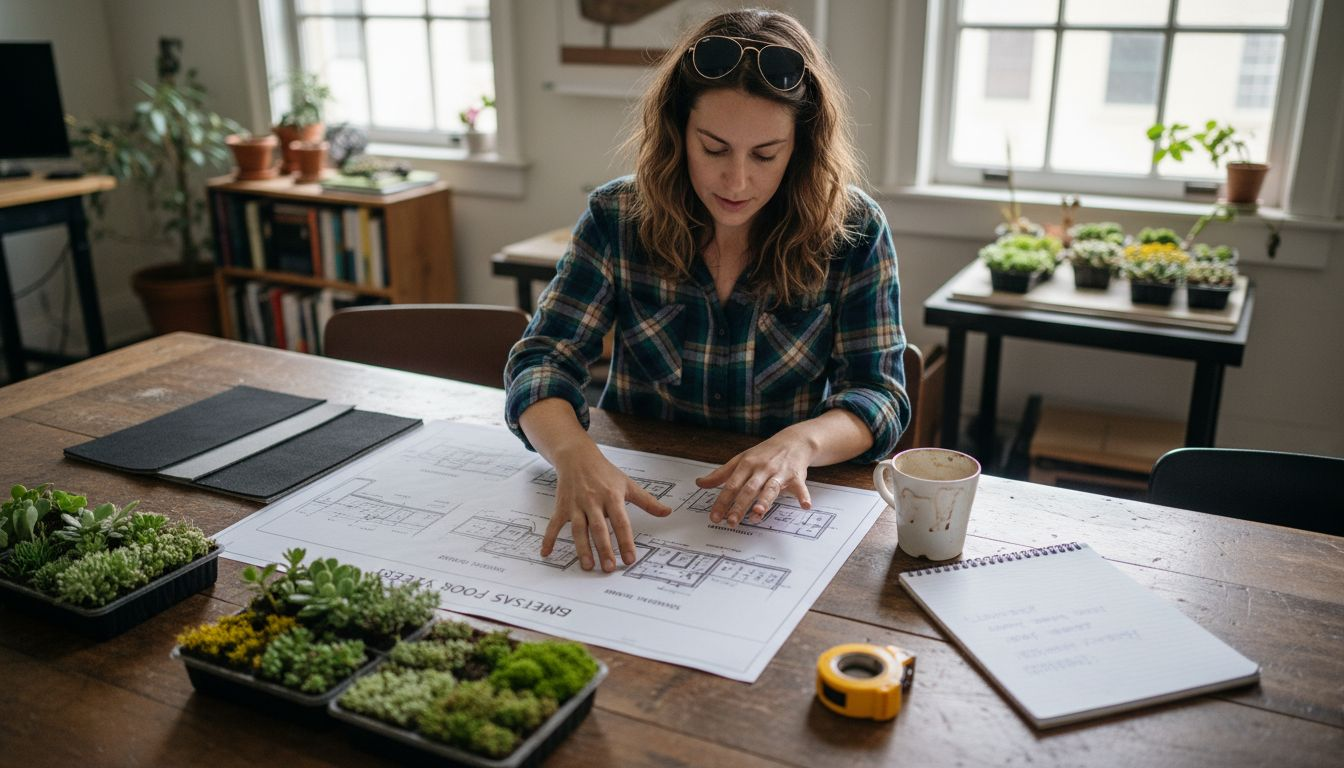
The most common types include extensive green roofs, which are lightweight systems characterised by shallow soil depths and drought-resistant vegetation. These are ideal for buildings with limited structural load capacity, featuring minimal maintenance requirements and typically supporting low-growing plants like sedums, mosses, and wildflowers. In contrast, intensive green roofs offer more substantial growing environments, supporting deeper soil layers that can accommodate larger plant varieties including shrubs, perennials, and even small trees.
UK green roof systems demonstrate remarkable versatility through additional configurations:
- Semi-intensive roofs: Balancing characteristics between extensive and intensive designs
- Modular green roofs: Utilising pre-prepared tray systems for easier installation
- Brown roofs: Focused specifically on enhancing local biodiversity by supporting native plant species
Each green roof type offers unique benefits, from thermal regulation and stormwater management to urban habitat creation. Building owners and architects must carefully evaluate structural capabilities, environmental goals, and maintenance resources when selecting an appropriate green roof system.
To better understand the main green roof types used in the UK, the following table compares their features and recommended applications:
| Green Roof Type | Typical Soil Depth | Vegetation Variety | Best Suited For |
|---|---|---|---|
| Extensive | 60-150mm | Sedums, mosses | Residential, retrofits |
| Semi-intensive | 100-250mm | Wildflowers, grasses | Mixed-use buildings |
| Intensive | 150mm+ | Shrubs, small trees | Commercial, new builds |
| Modular | Varies by tray | Pre-grown sedums | Fast installation, temporary sites |
| Brown Roof | 80-150mm | Native species | Biodiversity enhancement areas |
Pro tip: Consult a professional ecological engineer to conduct a comprehensive site assessment and determine the most suitable green roof type for your specific building and environmental context.
Key Components And How Green Roofs Work
Green roof systems represent sophisticated architectural solutions comprising multiple carefully engineered layers designed to transform traditional roofing into living, functional ecosystems. Comprehensive green roof construction involves a precise layering approach that ensures structural integrity, water management, and optimal plant growth conditions.
The fundamental components of a green roof include a robust structural support capable of bearing additional weight, followed by critical protective layers. These typically consist of a waterproof membrane preventing moisture penetration, a root barrier blocking potential structural damage, and a sophisticated drainage system that manages water flow and prevents accumulation. The growing medium represents a carefully engineered substrate, lightweight yet rich in nutrients, specifically designed to support plant life while maintaining minimal additional load on the building structure.
Green roof functional elements work synergistically to deliver multiple environmental benefits:
- Thermal insulation reducing building energy consumption
- Stormwater runoff management and filtration
- Urban heat island effect mitigation
- Enhanced acoustic insulation
- Increased urban biodiversity support
Vegetation selection is critical, with plant choices varying dramatically between extensive and intensive systems. Extensive roofs typically feature drought-resistant, low-growing species like sedums and mosses, while intensive systems can support more complex vegetation including shrubs and small trees. This living roof system transforms an otherwise passive building surface into an active ecological contributor.
Pro tip: Consult a professional ecological engineer to analyse your specific building’s structural capacity and microclimate before selecting a green roof system to ensure optimal performance and longevity.
Legal Requirements For UK Homeowners In 2026
Navigating the legal landscape of green roof installations demands careful consideration of multiple regulatory frameworks governing domestic construction and environmental standards. UK green roof regulations have become increasingly sophisticated, with the Green Roof Organisation (GRO) providing comprehensive guidance for homeowners seeking to implement these sustainable architectural solutions.
In most instances, green roof installations on domestic properties do not automatically trigger extensive planning permissions. However, specific legal considerations become critical in certain contexts, particularly for properties located in conservation areas, listed buildings, or zones subject to Article 4 Directions. Homeowners must conduct thorough preliminary assessments to ensure compliance with local authority regulations.
Key legal requirements for green roof installations in the UK include:
- Structural integrity verification by a qualified engineer
- Compliance with Building Regulations, especially regarding:
- Waterproofing standards
- Load-bearing capacity
- Fire safety provisions
- Adherence to the Biodiversity Net Gain legislation
- Substrate depth minimums (approximately 80mm in urban areas like London)
- Consideration of local conservation and heritage restrictions
The evolving regulatory landscape emphasises sustainable urban development, with green roofs increasingly viewed as a critical component of modern architectural design. Homeowners must remain informed about changing legislation and seek professional advice to ensure full compliance with emerging environmental standards.
Here is a quick-reference guide to key legal requirements for green roofs for UK homeowners planning installations after 2026:
| Requirement | Description | Who Checks Compliance | Notes |
|---|---|---|---|
| Structural Engineer Report | Confirms load-bearing capacity | Building owner | Required for all roofs |
| Building Regulations | Waterproofing, fire, load standards | Local Authority | Applies to new works |
| Biodiversity Net Gain Law | Enhances local habitats | Planning officer | Relevant for urban zones |
| Substrate Depth | Minimum 80mm in London | Installer | Varies by region |
| Heritage/Conservation Controls | Extra permissions in protected areas | Council committee | Links to listed status |
Pro tip: Engage a specialist green roof consultant to conduct a comprehensive pre-installation assessment, ensuring your project meets all current legal and technical requirements.
Costs, Challenges, And Common Pitfalls
Implementing a green roof represents a significant investment with nuanced financial considerations that extend far beyond initial installation expenses. Green roof installation costs in the United Kingdom typically range between £50 and £200 per square metre, with professional installation adding £25 to £60 per additional square metre. Homeowners must factor in comprehensive expenses including waterproofing membranes, root barriers, drainage systems, growing medium, and specialised vegetation.
Beyond monetary investment, green roofs present several technical challenges that require meticulous planning and professional expertise. Structural assessments are paramount, as inadequate load-bearing capacity can compromise both the roof’s integrity and the building’s overall safety. Financial investment strategies suggest careful evaluation of long-term benefits against upfront costs, considering potential energy savings, extended roof lifespan, and potential property value increases.
Common pitfalls homeowners encounter include:
- Insufficient substrate depth compromising plant survival
- Inappropriate vegetation selection for local climate
- Poor waterproofing and drainage system design
- Underestimating ongoing maintenance requirements
- Inadequate structural reinforcement
- Lack of professional engineering consultation
Navigation of these challenges requires comprehensive research, professional guidance, and a strategic approach to green roof implementation. While initial costs might seem prohibitive, the environmental and potential economic benefits can significantly offset these investments over time.
Pro tip: Request detailed cost projections from multiple green roof specialists, ensuring they provide comprehensive breakdowns of installation, maintenance, and potential long-term savings to make an informed decision.
Comparing Green Roofs With Other Solutions
Sustainable roofing technologies offer diverse approaches to environmental enhancement, with green roofs representing a sophisticated ecosystem solution distinct from alternative strategies. Green roof comparative analysis reveals nuanced differences in ecological and functional benefits across various urban infrastructure solutions, demonstrating the complexity of sustainable design choices.

Solar panels and green roofs exemplify complementary yet distinct environmental technologies. While solar panels primarily generate renewable electricity, green roofs provide comprehensive ecosystem services including thermal insulation, urban cooling, biodiversity support, and stormwater management. Integrated roofing technologies are increasingly exploring synergistic approaches, such as biosolar roofs that combine both technologies to maximise urban environmental performance.
Key comparative characteristics include:
-
Energy Generation
- Solar Panels: Direct electricity production
- Green Roofs: Indirect energy savings through thermal regulation
-
Environmental Impact
- Solar Panels: Carbon footprint reduction
- Green Roofs: Biodiversity enhancement, urban ecosystem support
-
Installation Considerations
- Solar Panels: Electrical safety compliance
- Green Roofs: Structural load-bearing assessments
-
Maintenance Requirements
- Solar Panels: Periodic technical cleaning
- Green Roofs: Regular horticultural management
Ultimately, the most effective sustainable roofing strategy depends on specific architectural contexts, environmental goals, and local regulatory frameworks. Homeowners and architects must carefully evaluate individual project requirements to determine the most appropriate solution.
Pro tip: Consult sustainability experts who can conduct comprehensive site-specific assessments to identify the most appropriate roofing technology for your unique environmental and architectural context.
Transform Your Outdoor Space With Eco-Friendly Garden Buildings
Integrating green roofs offers incredible environmental benefits but requires thoughtful planning to balance load-bearing and sustainability goals. If you are passionate about creating eco-friendly urban solutions, consider enhancing your property with bespoke garden buildings that complement the green roof vision. Our high-quality log cabins and garden rooms provide a perfect canvas to incorporate custom green roof options that support biodiversity, thermal regulation, and stormwater management.
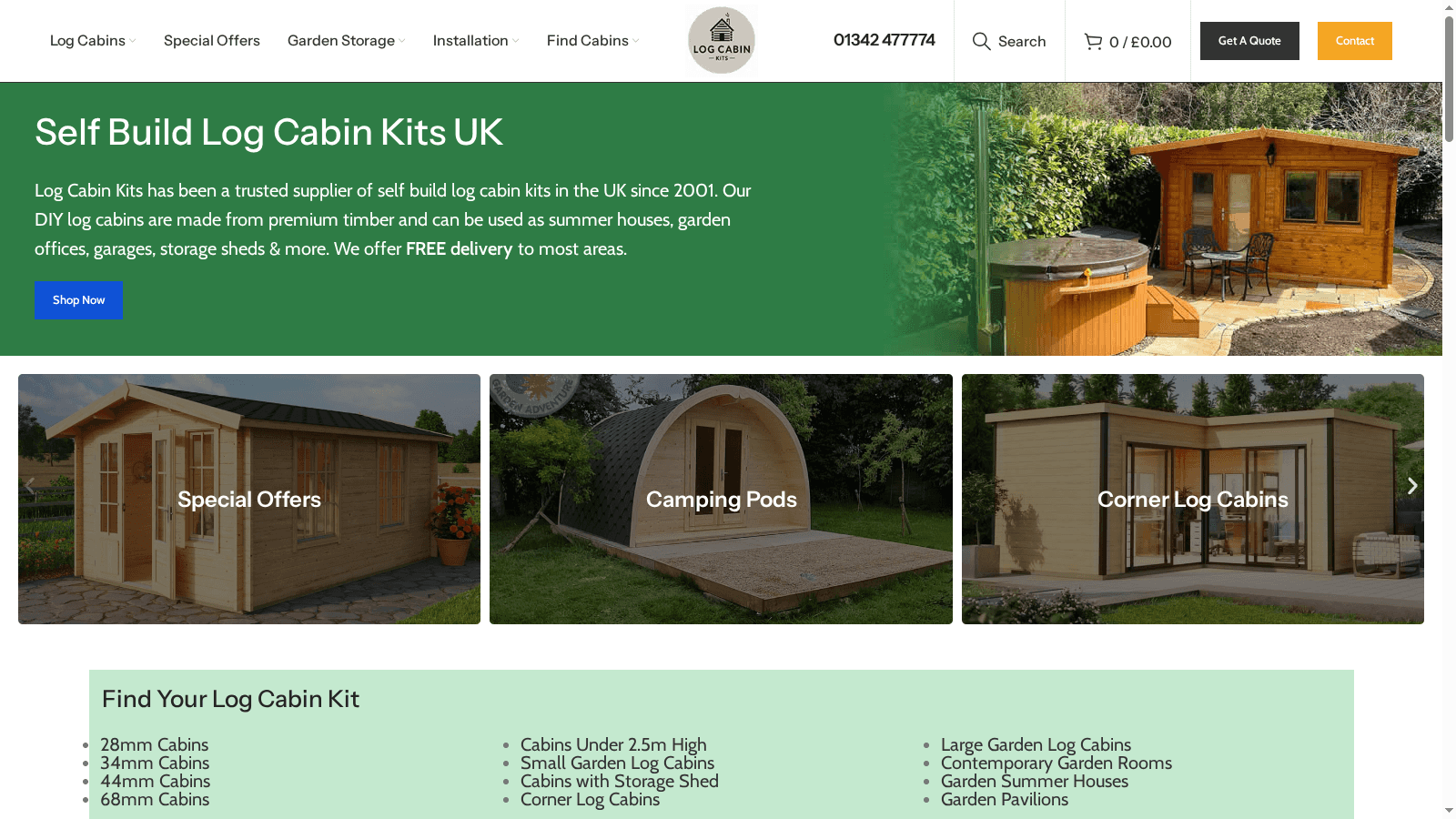
Start your journey toward a greener lifestyle today by exploring the range of garden buildings at LogCabinKits.co.uk. With bespoke design services, you can integrate lightweight and durable green roofing systems tailored to your building’s structural needs and aesthetic preferences. Don’t wait to enhance your outdoor environment with a sustainable feature that combines beauty, function, and environmental responsibility.
Frequently Asked Questions
What is a green roof?
A green roof is a multi-layered system that supports living vegetation on a building’s surface, providing ecological benefits and sustainable urban design.
What are the main components of a green roof?
A green roof typically consists of a waterproof membrane, root barrier, drainage layer, filter fabric, growing medium, and selected vegetation.
How do green roofs benefit the environment?
Green roofs help reduce urban heat islands, improve insulation, manage stormwater, increase biodiversity, and lower noise pollution.
What types of green roofs are available?
The main types include extensive, intensive, semi-intensive, modular, and brown roofs, each offering different soil depths, vegetation varieties, and maintenance requirements.