
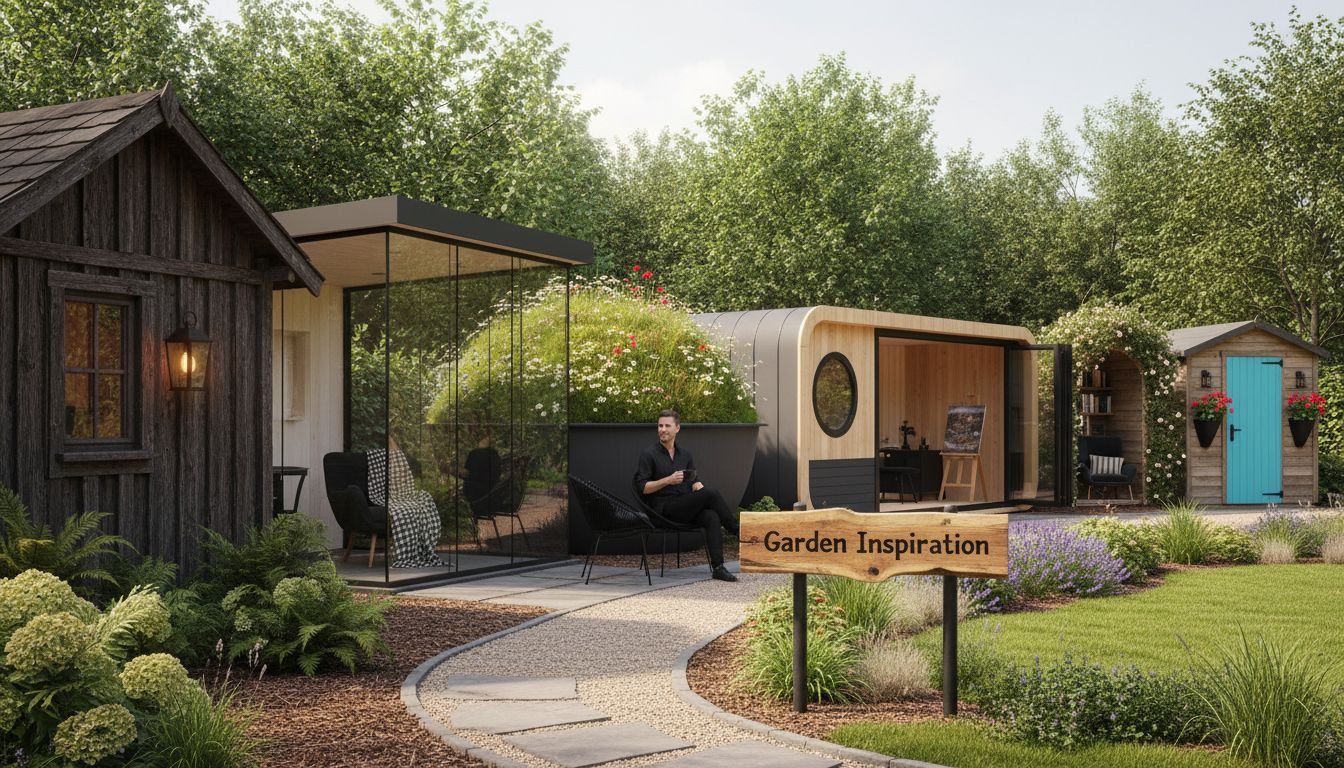
Over 80 percent of british homeowners want outdoor spaces that look beautiful while supporting the environment. The choices you make when building in your garden can shape more than just your view. From innovative eco-friendly materials to clever designs that maximise comfort and function, knowing your options helps you create a space you can be proud of. This guide explores practical ideas that blend sustainability, natural beauty, and personal style for any british garden.
Table of Contents
- 1. Embracing Eco-Friendly Garden Building Materials
- 2. Maximising Light with Glass Garden Rooms
- 3. Adding Multi-Functional Garden Studios
- 4. Incorporating Living Roofs For Biodiversity
- 5. Creating Cosy Garden Retreats With Timber Cabins
- 6. Designing Modern Garden Pods For Work Or Play
- 7. Customising Features For Your Unique Garden Needs
Quick Summary
| Takeaway | Explanation |
|---|---|
| 1. Choose sustainable building materials | Select timber and other materials that are sourced responsibly to minimise environmental impact. |
| 2. Optimise natural light in designs | Incorporate strategic window placements and glass panels to enhance lighting in garden structures. |
| 3. Create versatile multi-functional spaces | Design garden studios that can adapt to various uses, such as work, leisure, or fitness activities. |
| 4. Implement living roofs for biodiversity | Use native plants on roofs to support local wildlife and improve insulation, creating eco-friendly spaces. |
| 5. Customise designs for personal needs | Tailor garden buildings with modular furniture and specific materials that reflect individual lifestyle and preferences. |
1. Embracing Eco-Friendly Garden Building Materials
Transforming your garden space into an environmentally conscious sanctuary begins with selecting sustainable building materials that minimise ecological impact. The world of garden construction is rapidly evolving, with innovative solutions that prioritise both aesthetic beauty and environmental responsibility.
When considering eco friendly materials, timber emerges as a stellar choice. Specifically, sustainably sourced wood types offer a renewable solution that supports responsible forest management. The Royal Horticultural Society recommends selecting timber from certified sustainable sources, which ensures minimal environmental disruption during harvesting.
Key Sustainable Material Options:
- Reclaimed Wood: Repurposed timber from old buildings reduces demand for new logging
- Recycled Composite Materials: Innovative products made from plastics and wood fibres
- Local Stone: Minimises transportation emissions and supports regional ecological systems
Beyond material selection, consider implementing green roof technologies that transform garden buildings into living ecosystems. Green roof solutions not only provide excellent insulation but also create habitats for local wildlife, improving biodiversity in your outdoor space.
Practical implementation involves working with suppliers who transparently demonstrate their commitment to sustainable practices. Look for certifications such as FSC (Forest Stewardship Council) when purchasing wood products, which guarantees responsible forest management and ethical sourcing.
By prioritising eco friendly materials, you are not just constructing a garden building – you are making a meaningful contribution to environmental conservation, one sustainable choice at a time.
2. Maximising Light with Glass Garden Rooms
Glass garden rooms represent a transformative approach to outdoor living spaces, offering an elegant solution for those seeking to flood their garden buildings with natural illumination. These sophisticated structures create seamless transitions between indoor comfort and external landscapes while harnessing the power of sunlight.
Design Principles for Optimal Light Capture:
- Strategic window placement to maximise solar exposure
- Use of floor to ceiling glass panels
- Minimalist frame designs that reduce visual obstruction
Understanding how to optimise natural light positioning becomes crucial when designing glass garden rooms. Orientation plays a significant role in determining light quality and quantity throughout the day.
Practical Considerations for Glass Garden Rooms:
- Select high performance glazing with solar control properties
- Consider thermal efficiency alongside light transmission
- Integrate adjustable shading solutions for temperature management
Glass structures offer remarkable versatility. By creating transparent boundaries between interior and exterior environments, they transform garden spaces into bright sanctuaries that feel simultaneously sheltered and connected to nature.
The key is selecting materials that balance transparency with thermal performance. Modern glass technologies now provide exceptional insulation while maintaining remarkable light transmission capabilities, ensuring your garden room remains comfortable across seasonal variations.
Whether you envision a tranquil reading nook or a vibrant entertainment space, glass garden rooms unlock extraordinary potential for reimagining outdoor living with elegance and sophistication.
3. Adding Multi-Functional Garden Studios
Multi-functional garden studios represent a revolutionary approach to maximising outdoor space, offering versatile solutions that adapt to your evolving lifestyle needs. These dynamic structures transcend traditional garden building concepts by providing flexible environments that can seamlessly transition between work, leisure, and creative pursuits.
Key Design Considerations for Multi-Purpose Spaces:
- Modular interior layouts
- Flexible furniture solutions
- Adaptable lighting systems
- Integrated storage options
Modern garden studios offer unprecedented opportunities for homeowners seeking intelligent spatial design. Low carbon building principles suggest these structures can serve multiple purposes while maintaining environmental responsibility.
Practical Versatility Options:
- Home office with convertible meeting area
- Art studio with integrated storage
- Yoga and fitness space with meditation zone
- Guest accommodation with compact living features
Understanding the potential of multi-functional design means recognising that your garden studio can evolve alongside your personal and professional requirements. Strategic planning allows you to create a space that feels both purposeful and inspirational.
Consider incorporating adaptable elements such as fold down desks, movable partitions, and multi purpose furniture that can quickly transform the room’s functionality. Technological integrations like adjustable lighting and smart storage solutions further enhance the studio’s versatility.
By embracing a flexible approach to garden building design, you can create a dynamic space that reflects your unique lifestyle and supports your changing needs throughout different life stages.
4. Incorporating Living Roofs for Biodiversity
Living roofs represent a transformative approach to garden building design, offering more than aesthetic appeal by creating vibrant ecosystems that support local wildlife and environmental sustainability. These innovative roof systems transform ordinary structures into dynamic habitats that breathe life into your outdoor spaces.
Essential Components of Successful Living Roofs:
- Carefully selected native plant species
- Appropriate soil depth and drainage systems
- Lightweight growing mediums
- Robust waterproofing membranes
Green roof solutions provide an extraordinary opportunity to reimagine garden buildings as integral parts of local ecological networks. The Royal Horticultural Society demonstrates how strategic design can transform simple structures into biodiversity hotspots.
Wildlife Support Strategies:
- Incorporate sedum and wildflower mixes
- Create varied vegetation heights
- Include native grasses and flowering plants
- Design micro habitat zones
Successful living roofs require thoughtful plant selection and maintenance. Native species work best as they are naturally adapted to local climate conditions and provide immediate benefits to indigenous insect populations. Sedums offer exceptional coverage with minimal maintenance, attracting pollinators while requiring little intervention.
Beyond ecological benefits, living roofs provide additional advantages such as improved thermal insulation, reduced urban heat island effects, and enhanced visual appeal. By integrating these dynamic ecosystems into your garden building design, you are contributing to broader environmental conservation efforts while creating a stunning architectural feature.
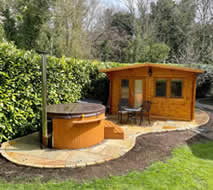
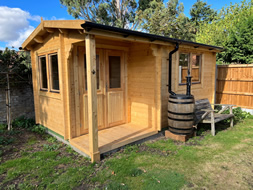
5. Creating Cosy Garden Retreats with Timber Cabins
Timber cabins offer an enchanting solution for transforming garden spaces into personal sanctuaries that blend natural warmth with architectural elegance. These wooden retreats provide a seamless connection between indoor comfort and outdoor tranquillity, creating intimate spaces for relaxation and contemplation.
Design Elements for Ultimate Cosiness:
- Natural wood textures
- Soft interior lighting
- Comfortable seating arrangements
- Strategic window placements
- Thermal insulation features
Sustainable garden cabins represent more than just architectural structures they embody an approach to living that prioritises connection with nature and mindful design. Reclaimed timber offers an environmentally conscious option for those seeking to minimise their ecological footprint while creating a beautiful garden retreat.
Practical Comfort Considerations:
- Select timber with natural insulating properties
- Incorporate draught excluding techniques
- Use breathable wall treatments
- Consider underfloor heating options
- Install double glazed windows
Successful timber cabin design requires careful consideration of materials and construction techniques. Thoughtful wood selection ensures durability while maintaining aesthetic appeal. Opt for locally sourced timber that provides excellent thermal performance and reduces transportation emissions.
Transform your garden cabin into a year round sanctuary by integrating intelligent design features that adapt to seasonal variations. Clever architectural choices can create a space that feels warm and inviting during crisp winter months while remaining cool and refreshing throughout summer evenings.
6. Designing Modern Garden Pods for Work or Play
Modern garden pods represent a revolutionary approach to flexible living spaces, offering versatile environments that seamlessly adapt to work and leisure requirements. These compact structures provide an innovative solution for homeowners seeking functional outdoor spaces that extend living and working capabilities beyond traditional indoor boundaries.
Key Design Considerations for Garden Pods:
- Flexible interior layouts
- Integrated technology infrastructure
- Ergonomic furniture solutions
- Natural lighting strategies
- Acoustic insulation features
Modern garden studios offer unprecedented opportunities for creating personalised spaces that respond to changing lifestyle demands. Low carbon building principles demonstrate how these structures can deliver sustainable, efficient solutions for contemporary living.
Versatility Configuration Options:
- Home office with presentation capabilities
- Creative studio with artistic workspace
- Fitness and meditation zone
- Remote learning environment
- Recreational gaming area
Successful garden pod design requires strategic planning that considers both functional requirements and personal aesthetic preferences. Intelligent spatial configurations allow for seamless transitions between professional productivity and recreational relaxation.
Consider incorporating modular furniture, adjustable lighting systems, and integrated technology solutions that support multiple usage scenarios. Smart design choices can transform a compact garden pod into a dynamic space that evolves with your changing needs, providing a flexible sanctuary just steps from your home.
7. Customising Features for Your Unique Garden Needs
Customising garden buildings transforms standard structures into personalised spaces that reflect individual style and functional requirements. Each garden structure represents an opportunity to create a truly unique environment that seamlessly integrates with your lifestyle and aesthetic preferences.
Strategic Customisation Approaches:
- Modular interior design elements
- Adaptable furniture configurations
- Personalised colour schemes
- Integrated technology solutions
- Multifunctional spatial planning
Bespoke garden buildings offer extraordinary potential for creating spaces that adapt to your evolving needs. The Royal Horticultural Society emphasises the importance of sustainable design choices that minimise environmental impact while maximising personal utility.
Customisation Strategies for Sustainability:
- Use reclaimed or locally sourced materials
- Select renewable timber options
- Integrate natural insulation techniques
- Create multipurpose design configurations
- Implement energy efficient features
Successful garden building customisation requires thoughtful consideration of both aesthetic and functional elements. Consider your specific requirements such as workspace needs, leisure activities, or storage solutions when designing your unique garden structure.
Intelligent design choices can transform a standard garden building into a personalised sanctuary that reflects your individual lifestyle. By prioritising adaptability and sustainable materials, you create a space that grows and changes with your needs while maintaining environmental responsibility.
Below is a comprehensive table summarising eco-friendly garden building materials, glass garden room design principles, multi-functional garden studios, living roof benefits, timber cabin design for cosiness, modern garden pod versatility, and personalisation strategies in garden spaces.
| Concept | Description | Key Considerations |
|---|---|---|
| Eco-Friendly Materials | Utilise sustainable materials like reclaimed wood, recycled composites, and local stone. | Ensure sourcing from certified sustainable suppliers like FSC. |
| Glass Garden Rooms | Incorporate large glass panels and strategic window placement for natural light. | Optimise light and thermal efficiency, consider high-performance glazing. |
| Multi-Functional Studios | Create adaptable spaces integrating modular layouts and flexible furniture. | Focus on low carbon principles and integration for multiple uses. |
| Living Roofs | Transform roofs into ecosystems with native plant species and varied vegetation. | Emphasise biodiversity with native plants like sedum. |
| Timber Cabins | Design cosy retreats with natural wood textures and insulating properties. | Use sustainable timber and incorporate draught exclusion techniques. |
| Modern Garden Pods | Flexible structures for work and leisure, utilising ergonomic designs. | Include modular furniture and technology integration for versatility. |
| Customisation | Personalise garden spaces with adaptable design elements and bespoke features. | Prioritise sustainability with reclaimed materials and multipurpose configurations. |
Discover Your Perfect Garden Building Solution Today
Creating an inspired outdoor space often means overcoming challenges such as finding sustainable materials, maximising natural light, and designing multi-functional areas that truly reflect your lifestyle. This article highlights key goals like embracing eco friendly materials, incorporating living roofs for biodiversity and customising garden studios to adapt to your unique needs. You may be seeking a garden building that combines elegance with environmental responsibility and versatility for work or leisure.
Explore bespoke options that integrate these innovative design concepts through custom garden buildings.
Unlock the full potential of your garden with expert craftsmanship and sustainable choices available at Log Cabin Kits. Whether you want a cosy timber cabin that offers year round comfort or a modern garden pod designed for productivity and play, now is the time to act. Start your journey toward a personalised outdoor sanctuary that supports your lifestyle and respects the environment. Visit Log Cabin Kits to bring your inspired garden building vision to life.
Frequently Asked Questions
How can I choose the right eco-friendly materials for my garden building?
Selecting eco-friendly materials begins with identifying sustainably sourced options like reclaimed wood and recycled composites. Evaluate the environmental impact, and opt for materials that minimise your ecological footprint, ensuring your garden building supports sustainable practices.
What are the key design features for maximising natural light in glass garden rooms?
To maximise natural light in glass garden rooms, focus on strategic window placement and use floor-to-ceiling glass panels. Incorporate minimal frame designs to enhance visibility and select high-performance glazing that balances light transmission with thermal efficiency.
How do I create a multi-functional garden studio to adapt to changing needs?
Design a multi-functional garden studio by incorporating modular layouts and flexible furniture solutions. Consider features like adjustable lighting and integrated storage to support various activities, from work to leisure, ensuring the space evolves with your lifestyle.
What are the essential components for a successful living roof?
Successful living roofs require careful plant selection, appropriate soil depth, and effective drainage systems. Ensure you use native plant species that thrive in your climate to support local wildlife and create a sustainable green space.
How can I customise my garden building for personal use?
Customise your garden building by incorporating modular design elements, personalised colour schemes, and adaptable furniture configurations. Prioritise features that reflect your unique lifestyle needs, such as workspaces, leisure areas, or storage solutions to create a bespoke environment.
What are the benefits of using timber cabins in my garden?
Timber cabins provide a natural warmth and seamless connection to the outdoors, making them ideal for cosy retreats. They offer excellent insulation properties, allowing you to enjoy your garden space year-round while creating a tranquil atmosphere for relaxation or creative pursuits.