Blog


Finding the perfect garden retreat often comes down to creating a space that feels both inviting and distinctly British. For many UK homeowners, a summerhouse cabin offers more than aesthetic charm, providing a comfortable place to unwind while surrounded by peaceful greenery. These wooden structures blend traditional craftsmanship, style, and practicality, making them a smart choice for anyone wanting to extend indoor comforts outdoors. Discover how a summerhouse cabin transforms your garden into a relaxing sanctuary with lasting value.
Table of Contents
- Defining A Summerhouse Cabin In Britain
- Types And Styles Of Summerhouse Cabins
- Key Construction Features And Materials
- Practical Uses And Year-Round Benefits
- Planning Permission And Uk Regulations
- Costs, Maintenance, And Common Pitfalls
Key Takeaways
| Point | Details |
|---|---|
| Purpose and Design | Summerhouse cabins are designed as stylish leisure retreats, contrasting sharply with standard garden sheds. They boost property value and enhance aesthetic appeal. |
| Versatility | These cabins serve multiple functions, such as home offices and creative spaces, making them adaptable for various homeowner needs. |
| Construction and Maintenance | The use of durable materials and regular maintenance is crucial for longevity; homeowners should budget annually for upkeep. |
| Planning Regulations | Understanding UK planning permissions is essential, as specific regulations may apply based on location and structure size. |
Defining a summerhouse cabin in Britain
A summerhouse cabin in Britain represents more than just a garden structure – it’s a cherished outdoor retreat designed to enhance garden living. Distinctive garden buildings offer homeowners a sophisticated space to relax and enjoy their outdoor environments.
In the United Kingdom, summerhouse cabins have a rich tradition rooted in creating peaceful garden sanctuaries. These wooden structures differ significantly from standard garden sheds, focusing instead on providing a comfortable, stylish space for leisure and relaxation. They typically feature:
- Wooden panelled walls
- Large windows for natural light
- Compact but comfortable interior design
- Views that complement garden landscapes
Historically, these cabins have been popular in British gardens, particularly in regions with scenic countryside like the Lake District. Charming garden retreats often include subtle design elements like electric stoves or small fireplaces, allowing year-round enjoyment.
Modern summerhouse cabins serve multiple purposes beyond simple relaxation. Homeowners use them as home offices, art studios, meditation spaces, and social gathering areas that extend living spaces into the garden. The versatility makes them an attractive addition to British residential properties.
Here’s a summary of how summerhouse cabins differ from standard garden sheds in terms of functionality and impact:
| Aspect | Summerhouse Cabin | Standard Shed | Business Impact |
|---|---|---|---|
| Purpose | Leisure retreat | Storage only | Boosts property value |
| Design | Stylish and inviting | Basic and utilitarian | Attracts buyers |
| Uses | Multiple (office, studio) | Tool storage | Enables remote work |
| Visual Appeal | Enhances garden landscape | Minimal enhancement | Improved aesthetics |
Pro tip: Consider your garden’s orientation and sunlight patterns when positioning your summerhouse cabin to maximise natural light and comfort.
Types and styles of summerhouse cabins
British summerhouse cabins showcase an incredible diversity of architectural styles, ranging from historic garden structures to contemporary design solutions. Historic garden pavilions represent a fascinating evolution of outdoor living spaces, reflecting changing aesthetic preferences and architectural traditions.
Traditional summerhouse cabin styles can be broadly categorised into several distinctive types:
- Georgian Elegance: Symmetrical designs with large windows
- Victorian Ornate: Intricate woodwork and decorative elements
- Rustic Country: Natural materials and informal layouts
- Modern Minimalist: Clean lines and functional spaces
- Alpine-Inspired: Wooden structures with steep pitched roofs
Romantic garden architecture often features unique design elements that transform these structures from simple wooden buildings into extraordinary garden focal points. Some remarkable examples include summerhouses with spiral staircases, roof terraces, and intricate craftsmanship that reflect specific historical periods.
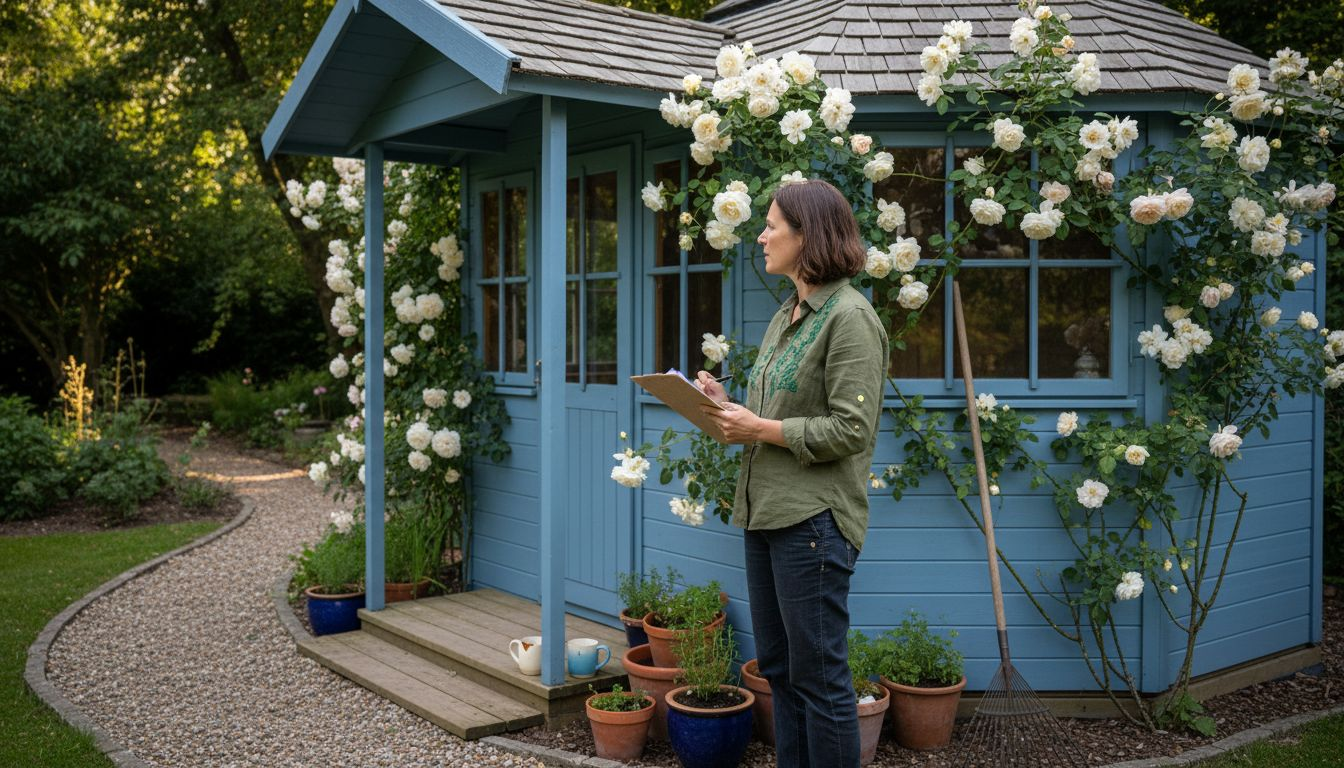
Modern summerhouse cabins have evolved to serve multiple purposes beyond traditional leisure spaces. Contemporary designs incorporate advanced materials, better insulation, and flexible interior configurations that allow homeowners to create personalised garden retreats adaptable to various uses like home offices, art studios, or meditation spaces.
Pro tip: Consider your garden’s architectural style and existing structures when selecting a summerhouse cabin design to ensure harmonious aesthetic integration.
Key construction features and materials
Summerhouse cabin construction in the UK involves sophisticated engineering and carefully selected materials designed to withstand the variable British climate. Traditional timber construction techniques play a crucial role in creating durable and aesthetically pleasing garden structures that can endure decades of use.
Key materials and construction features typically include:
- High-quality Scandinavian redwood for structural integrity
- Tongue and groove cladding for weather resistance
- Tanalised floor joists to prevent moisture damage
- Corrugated roofing sheets for superior water protection
- Mortice locks for enhanced security
- Cross-leaded windows with toughened glass
Timber treatment methods are essential in protecting summerhouse cabins from environmental challenges. Techniques like pressure treatment and dip treatment help extend wood lifespan, preventing rot, insect damage, and weathering. Modern summerhouses often feature double-glazed windows and doors, improving insulation and creating more comfortable year-round spaces.
Roofing designs vary between pent and apex styles, with felt-covered surfaces ensuring maximum waterproofing. The choice of materials and construction techniques reflects a balance between traditional craftsmanship and contemporary engineering, creating garden structures that are both functional and visually appealing.
Pro tip: Invest in professional timber treatment and regularly maintain your summerhouse cabin to significantly extend its operational lifespan and aesthetic quality.
Practical uses and year-round benefits
Summerhouse cabins have evolved from simple seasonal retreats to versatile spaces that offer remarkable functionality throughout the year. Multipurpose garden structures provide British homeowners with flexible living spaces that extend well beyond traditional summer enjoyment.
Practical applications for summerhouse cabins include:
- Home office for remote working
- Creative studio for art and crafts
- Meditation and relaxation space
- Garden gym or fitness area
- Guest accommodation
- Personal library or reading room
Year-round garden retreats become especially valuable when equipped with proper insulation and heating solutions. Modern summerhouse cabins can transform into cosy spaces during colder months, featuring central heating, double-glazed windows, and robust construction that withstands British weather conditions.
The psychological benefits of having a dedicated outdoor space are significant. These cabins offer a mental escape from indoor environments, providing a connection to nature while remaining protected from elements. Whether used for professional work, personal hobbies, or simple relaxation, summerhouse cabins represent an intelligent investment in both property value and personal well-being.
Pro tip: Consider installing additional insulation and a compact heating system to ensure your summerhouse cabin remains comfortable and usable throughout all seasons.
Planning permission and UK regulations
Understanding planning permission for summerhouse cabins requires careful navigation of complex UK building regulations. UK planning regulations can be intricate, with specific guidelines determining whether homeowners need formal approval for their garden structures.
Key considerations for summerhouse cabin planning permission include:
- Height restrictions (maximum 4 metres)
- Distance from property boundaries
- Total floor area of the structure
- Intended usage of the building
- Location within conservation areas
- Proximity to neighbouring properties
Permitted development rights often allow summerhouse cabins without explicit planning permission, provided they meet specific criteria. Most residential properties can install a summerhouse under permitted development, but exceptions exist for listed buildings, properties in conservation zones, and structures exceeding standard size limitations.
Homeowners must consider local council regulations, which can vary significantly between different regions. Some areas have stricter requirements, particularly in conservation areas or for properties with existing planning constraints. Consulting local planning authorities before construction is crucial to ensure full compliance and avoid potential legal complications.
This table provides key factors affecting planning permission for summerhouse cabins and their implications:
| Factor | Limit/Requirement | Implication |
|---|---|---|
| Height | Up to 4 metres | No permit if below |
| Floor Area | Must be within guidelines | Larger size needs approval |
| Boundary Distance | Specific minimum required | Close gaps may restrict use |
| Conservation Area | Special rules apply | Likely stricter permission |
Pro tip: Always contact your local planning department for a definitive ruling before commencing summerhouse cabin construction, as regulations can change and vary by specific location.
Costs, maintenance, and common pitfalls
Establishing a summerhouse cabin involves understanding both initial investment and long-term maintenance requirements. Home improvement considerations reveal that successful projects demand careful financial planning and ongoing care.
Typical cost components for summerhouse cabins include:
- Initial construction materials
- Professional installation services
- Wood treatment and protective coatings
- Foundation preparation
- Additional features like electrics or insulation
- Annual maintenance supplies
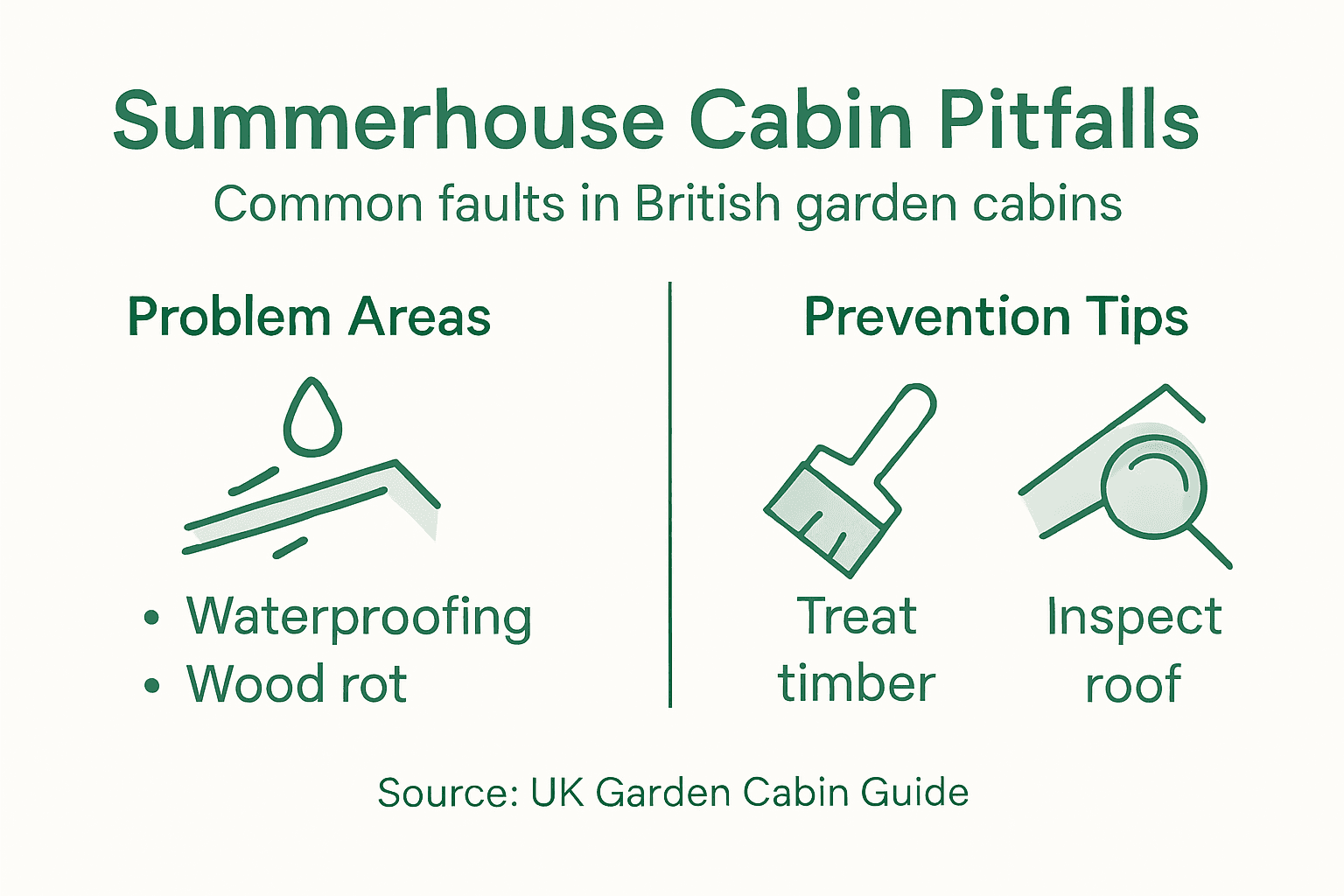
Maintenance planning strategies are crucial for preserving the structure’s integrity and value. Regular inspections should focus on critical areas such as roofing, timber cladding, and weatherproofing to prevent moisture damage and structural deterioration.
Common pitfalls homeowners encounter include inadequate waterproofing, neglecting regular wood treatments, and underestimating the importance of proper foundation work. Unexpected issues like poor drainage, insufficient ventilation, or improper initial construction can lead to costly repairs and significantly reduced cabin lifespan.
Pro tip: Set aside an annual maintenance budget of approximately 2-3% of your summerhouse cabin’s initial construction cost to ensure long-term durability and performance.
Bring Your British Garden to Life with a Bespoke Summerhouse Cabin
Creating the perfect garden retreat requires more than just a structure it demands a blend of style, function and durability to withstand the UK’s unique climate. If you have been inspired by the idea of a summerhouse cabin as a year-round sanctuary for working, relaxing or entertaining you need a reliable partner to bring your vision to life. At Log Cabin Kits, we specialise in bespoke and custom garden cabins crafted from high quality timber designed to match your garden’s character and your lifestyle needs.
Discover how our expertly engineered kits incorporate advanced materials and versatile designs that align perfectly with the features discussed in what is a summerhouse cabin by offering:
- Durable Scandinavian redwood construction treated for weather protection
- Customisable layouts ideal for home offices art studios or cosy garden lounges
- Easy installation guidance ensuring your cabin meets planning regulations
Take the first step now by exploring Log Cabin Kits to turn your garden into the ultimate year-round retreat. Don’t wait to enhance your outdoor living space with a stylish and practical summerhouse that boosts property value and personal well-being today.
Frequently Asked Questions
What is a summerhouse cabin?
A summerhouse cabin is a distinct garden structure designed for leisure and relaxation, featuring wooden panelled walls, large windows, and comfortable interior design that enhances outdoor living.
How is a summerhouse cabin different from a standard garden shed?
Unlike standard garden sheds, which are primarily utilitarian storage spaces, summerhouse cabins are stylish retreats that offer multiple uses, such as home offices or relaxation areas, and significantly enhance the aesthetic appeal of a garden.
What are the key construction features of a summerhouse cabin?
Summerhouse cabins typically feature high-quality Scandinavian redwood, tongue and groove cladding for weather resistance, double-glazed windows for insulation, and robust roofing designs that ensure durability against the elements.
Do I need planning permission to build a summerhouse cabin?
Planning permission may not be required if the summerhouse cabin meets certain criteria, such as height restrictions and boundary distance. However, it’s crucial to check local council regulations before proceeding to ensure compliance.