
Blog
7 Innovative Garden Room Ideas for UK Homeowners

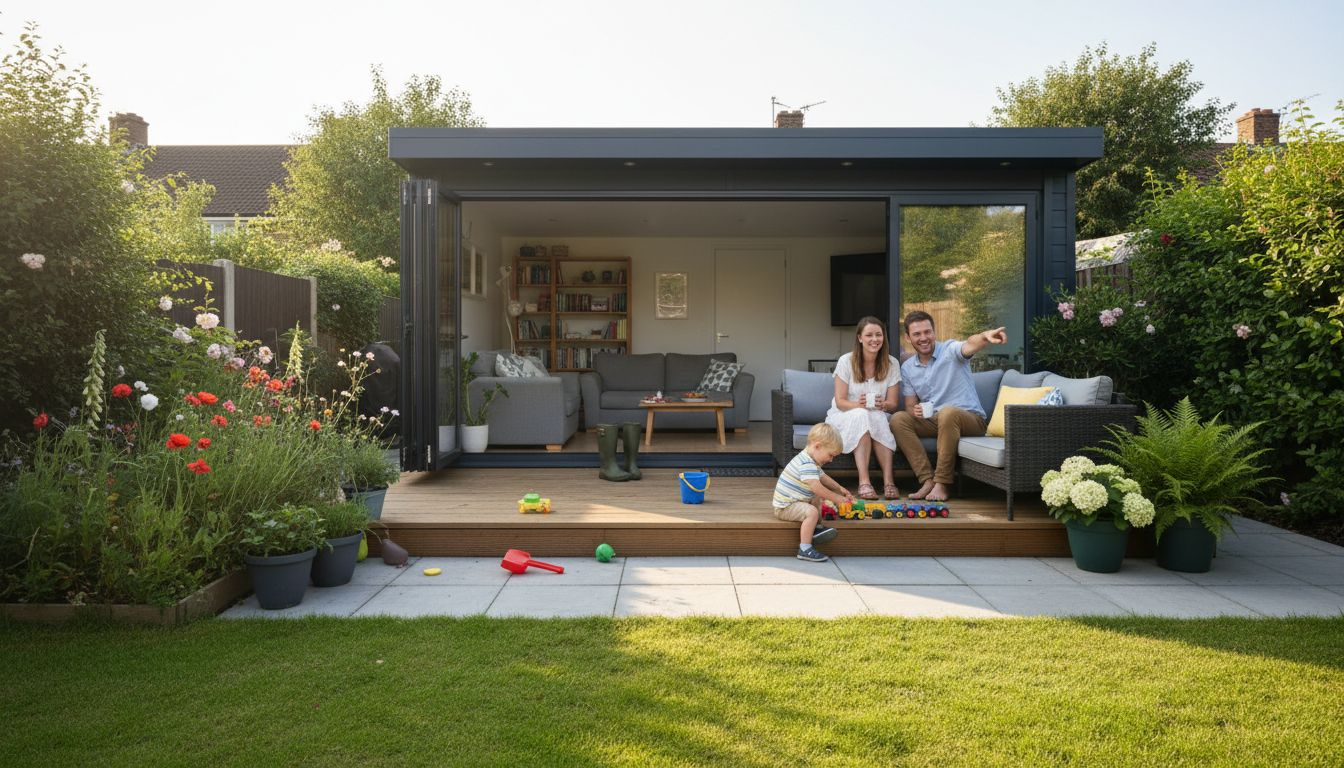
Over half of British homeowners now see garden rooms as essential for modern outdoor living and work-from-home comfort. This growing trend reflects a desire for flexible, stylish spaces that adapt year-round in the UK’s unpredictable climate. Whether you want a peaceful retreat, a productive studio, or a multi-use zone, discover practical ideas for choosing locations, customising designs, and integrating smart solutions to create your perfect British garden room.
Table of Contents
- 1. Choose The Right Location For Your Garden Room
- 2. Customise Designs To Suit Your Outdoor Space
- 3. Incorporate Natural Light With Windows And Skylights
- 4. Create A Multi-Use Space For Work And Leisure
- 5. Add Insulation For Year-Round Comfort
- 6. Integrate Smart Technology For Convenience
- 7. Use Sustainable Materials For An Eco-Friendly Build
Quick Summary
| Key Message | Explanation |
|---|---|
| 1. Select an Optimal Location | Properly positioning your garden room enhances usability, accessibility, and aesthetics while considering light, wind, and soil conditions. |
| 2. Personalise Your Design | Tailor your garden room to reflect your style, ensuring it complements your home and meets your functional needs with suitable materials and layout. |
| 3. Maximise Natural Light | Incorporating strategically placed windows and skylights enhances the room’s atmosphere, making it feel more expansive and energising. |
| 4. Ensure Insulation for Comfort | Quality insulation keeps your garden room comfortable year-round, essential for coping with British climate extremes and improving energy efficiency. |
| 5. Incorporate Smart Technology | Utilising smart devices offers enhanced convenience, control, and security, transforming your garden room into a technologically advanced living space. |
1. Choose the Right Location for Your Garden Room
Selecting the perfect location for your garden room is crucial to ensuring its functionality, comfort, and aesthetic appeal. Your garden room’s placement can dramatically impact its usability and how seamlessly it integrates with your existing outdoor space.
When determining the ideal spot, you’ll want to consider several key factors. The garden layout plays a significant role in this decision. Space planning for garden buildings involves carefully measuring your garden’s dimensions, understanding its shape, and noting existing features like trees, boundaries, and architectural elements.
Sunlight exposure is critical. Observe your garden throughout the day to understand how sunlight moves across different areas. You want a location that receives adequate natural light without causing excessive heat or glare. North facing spots can provide consistent, soft lighting, while southern orientations offer more direct sunlight.
Accessibility matters just as much as positioning. Ensure your garden room has a clear, convenient path from your main house. Consider how you’ll move between spaces, the terrain’s levelness, and potential obstacles. A well-positioned garden room should feel like a natural extension of your home, not an isolated structure.
Wind patterns and protection are another essential consideration. Look for areas that offer some natural windbreak from fences, hedges, or existing structures. This helps maintain a comfortable internal temperature and protects your garden room from harsh weather conditions.
Remember that soil conditions can impact your garden room’s stability. Choose a spot with relatively firm, well drained ground to prevent potential foundation issues. If your preferred location has challenging soil, you might need additional groundwork or specialised foundations.
Top Tip: Create a scaled garden plan using graph paper and measure twice before finalising your garden room location to avoid costly repositioning later.
2. Customise Designs to Suit Your Outdoor Space
Customising your garden room design is about transforming an ordinary outdoor space into a personalised sanctuary that perfectly complements your property. Your garden room should not just be an additional structure but a seamless extension of your lifestyle and landscape.
Begin by carefully assessing your specific outdoor environment. Personalising garden cabins requires understanding your garden’s unique characteristics like soil type, sunlight exposure, and existing landscaping features. These factors will significantly influence your design choices and material selections.
Consider the architectural style of your property when designing your garden room. A modern minimalist home might benefit from a sleek glass and aluminium structure, while a traditional cottage could look stunning with a wooden cabin featuring rustic design elements. The goal is creating visual harmony between your garden room and existing buildings.
Functionality is paramount when customising your design. Think about how you intend to use the space – will it be a home office, art studio, yoga retreat, or entertainment area? Each purpose demands different layout considerations such as window placement, electrical requirements, and internal configurations.
Material selection plays a crucial role in both aesthetics and durability. Choose weather resistant materials that can withstand British climate conditions while maintaining their appearance. Timber treatments, protective coatings, and robust construction techniques ensure your garden room remains beautiful and functional for years.
Flexibility in design allows you to adapt the space to changing needs. Consider modular designs with movable partitions, multipurpose furniture, and clever storage solutions that maximise your garden room’s potential. This approach ensures your investment remains relevant and useful as your lifestyle evolves.
Top Tip: Create a mood board combining your garden’s existing colour palette, architectural style, and intended room function to guide your design decisions perfectly.
3. Incorporate Natural Light with Windows and Skylights
Natural light transforms garden rooms from simple structures into vibrant, inviting spaces. Strategic window and skylight placement can dramatically enhance your garden room’s atmosphere, creating an environment that feels both expansive and energising.
Optimising natural light requires thoughtful design that goes beyond simply adding glass surfaces. Consider your garden room’s orientation and the sun’s path throughout the day. Southern facing windows capture maximum daylight, while northern exposures provide soft consistent illumination without harsh glare.
Window selection plays a crucial role in light management. Double glazed windows with low emissivity coatings allow sunlight to penetrate while reducing heat transfer. This means your garden room stays bright and comfortable across different seasons. Consider different window styles like casement windows for maximum ventilation or picture windows for uninterrupted garden views.
Skylights offer an exceptional method of introducing overhead natural illumination. Positioned strategically, they can flood your garden room with ambient light, creating a sense of openness and connection with the outdoor environment. Roof windows also provide excellent ventilation and can be especially beneficial in smaller garden room designs where wall space might be limited.
Glazing technology has advanced significantly, offering smart solutions for light control. Tinted or frosted glass can reduce glare while maintaining brightness. Some modern glazing options even include integrated solar control properties that help regulate internal temperatures automatically.
Remember that window placement is not just about quantity but quality of light. Aim to create layers of illumination by positioning windows at different heights and angles. This approach prevents flat, uniform lighting and introduces dynamic light patterns that change throughout the day.
Top Tip: Use light coloured interior surfaces and reflective materials to amplify and distribute natural light more effectively throughout your garden room.
4. Create a Multi-Use Space for Work and Leisure
Transforming your garden room into a versatile space that seamlessly transitions between work and leisure requires strategic planning and thoughtful design. The key is creating an environment that supports productivity while offering comfort and relaxation.
Multi-purpose garden buildings offer incredible flexibility for modern homeowners seeking adaptable living spaces. Consider implementing flexible furniture solutions like fold down desks, modular seating, and storage units that can quickly transform the room’s purpose throughout the day.
Divide your garden room into distinct zones to maximise functionality. Create a dedicated workspace with a compact desk positioned near natural light sources. Incorporate ergonomic furniture that supports good posture during work hours. Adjacent to this area, design a relaxation corner with comfortable seating, perhaps a small sofa or armchair where you can unwind after professional tasks.
Technology integration is crucial for a successful multi use space. Ensure robust internet connectivity, install sufficient power outlets, and consider soundproofing elements that help maintain professional atmosphere during work hours. Cable management systems and wireless charging stations can help keep the space looking tidy and functional.
Storage solutions play a significant role in maintaining the room’s versatility. Choose furniture with built in storage, use wall mounted shelving, and select pieces that can be easily moved or reconfigured. This approach allows you to quickly switch between work mode and leisure activities without cluttering the space.
Consider acoustic treatments that support both concentration and relaxation. Soft furnishings like rugs, cushions, and curtains can help absorb sound and create a more comfortable environment. Adjustable lighting with different intensity levels enables you to create appropriate atmospheres for various activities.
Top Tip: Invest in furniture with dual purposes and neutral colour schemes to enhance the room’s adaptability and maintain a cohesive aesthetic.
5. Add Insulation for Year-Round Comfort
Transforming your garden room into a comfortable living space requires strategic insulation that protects against Britain’s unpredictable climate. Proper insulation ensures your garden room remains warm in winter and cool during summer months.
Insulating your garden log cabin involves understanding the different layers that contribute to thermal efficiency. Start with high quality wall insulation that minimises heat transfer and reduces energy consumption. Materials like mineral wool, fibreglass, and rigid foam boards offer excellent thermal performance and can be easily integrated into garden room construction.
Roof and floor insulation are equally critical in maintaining consistent internal temperatures. Consider using multilaminate reflective insulation for roofs, which creates an effective barrier against heat loss. For flooring, rigid insulation boards beneath your chosen floor surface can prevent cold rising from the ground and significantly improve overall room comfort.
Window and door specifications play a substantial role in thermal performance. Choose double or triple glazed units with low emissivity coatings that minimise heat transfer. Draught excluding seals around window frames and doors prevent unwanted air infiltration, helping maintain a stable internal environment.
Ventilation remains crucial when improving insulation. Incorporate moisture resistant materials and consider installing passive ventilation systems that allow air circulation without compromising thermal efficiency. This prevents condensation and maintains healthy indoor air quality throughout the year.
Consider the long term benefits of investing in quality insulation. Proper thermal protection can reduce heating costs by up to 40 percent and create a more sustainable living space. Select materials with high R values that provide superior thermal resistance and longevity.
Top Tip: Invest in breathable insulation materials that allow moisture to escape while maintaining excellent thermal performance.
6. Integrate Smart Technology for Convenience
Smart technology has revolutionised garden room functionality, transforming these spaces from simple structures into intelligent living environments that adapt and respond to your specific needs. Modern garden rooms can now become high tech sanctuaries of comfort and efficiency.
Transforming log cabins with smart technology involves selecting interconnected devices that enhance your garden room experience. Smart thermostats offer precise temperature control, learning your preferences and automatically adjusting settings to maintain optimal comfort while reducing energy consumption.
Wireless lighting systems provide unprecedented control and ambience management. Install smart LED bulbs that can be controlled via smartphone apps, allowing you to adjust brightness, colour temperature, and create personalised scenes for different activities like work, relaxation, or entertaining. Voice activated controls through smart speakers can further simplify your interactions with these systems.
Security technology has also become increasingly sophisticated for garden rooms. Smart locks that can be operated remotely, motion sensor cameras, and integrated alarm systems provide peace of mind. These technologies ensure your garden room remains secure while offering convenient access through digital keys or smartphone applications.
Energy management represents another critical area for smart technology integration. Smart meters and IoT enabled devices can track energy consumption in real time, helping you understand and optimise your garden room’s power usage. Some advanced systems even integrate solar panel monitoring, allowing you to maximise renewable energy utilisation.
Consider implementing smart audiovisual systems that transform your garden room into a versatile entertainment or work environment. Wireless sound systems, smart projectors, and automated screen mechanisms can create immersive experiences with minimal physical intervention.
Top Tip: Choose smart devices with robust compatibility and consider a centralised smart home hub to ensure seamless communication between different technologies.
7. Use Sustainable Materials for an Eco-Friendly Build
Creating an environmentally responsible garden room requires careful selection of materials that minimise carbon footprint while delivering exceptional quality and durability. Sustainable construction is no longer a niche concept but a critical approach to responsible building.
Sustainable insulation choices represent an essential starting point for eco friendly garden rooms. Look for materials like recycled cellulose, sheep’s wool, or hemp insulation that provide excellent thermal performance while significantly reducing environmental impact. These natural materials offer superior breathability and moisture regulation compared to traditional synthetic alternatives.
Timber selection plays a pivotal role in sustainable construction. Opt for wood sourced from certified sustainable forests that practice responsible woodland management. Locally sourced timber reduces transportation emissions and supports British forestry industries. Materials like British grown Douglas fir or larch offer excellent durability and natural resistance to weathering.
Consider innovative materials beyond traditional timber. Bamboo provides an incredibly rapid renewable resource with remarkable structural properties. Recycled plastic lumber offers another sustainable alternative that prevents waste materials from entering landfills while creating robust building components. Mass timber technologies also enable the creation of engineered wood products with exceptional strength and minimal environmental impact.
Paint and surface treatments represent another opportunity for sustainability. Choose low volatile organic compound products that minimise chemical emissions. Natural oil based treatments derived from plant sources can protect wooden surfaces while maintaining ecological integrity. Look for products certified by recognised environmental standards organisations.
Investigate local suppliers and manufacturers committed to sustainable practices. Supporting businesses that prioritise responsible sourcing and manufacturing reduces the overall carbon footprint of your garden room project. Many British manufacturers now offer transparent supply chain information to help environmentally conscious consumers make informed choices.
Top Tip: Request environmental certification documents from suppliers to verify the genuine sustainability credentials of your chosen building materials.
Below is a comprehensive table summarising the key strategies and considerations discussed throughout the article on designing and enhancing a garden room to maximise its functionality, comfort, and sustainability.
| Section | Key Insights | Actionable Tips |
|---|---|---|
| Choose the Right Location | Placement affects sunlight, accessibility, and wind protection. | Map out your garden on graph paper before choosing a site. |
| Customise Designs | Tailor the garden room to harmonise with your property’s style and needs. | Create a mood board for design inspiration and coherence. |
| Incorporate Natural Light | Proper use of windows and skylights improves the indoor atmosphere. | Use double-glazed windows and light-coloured interiors for effective light utilisation. |
| Create Multi-Use Spaces | Versatile rooms serve multiple purposes such as work and leisure. | Use flexible furniture and create distinct zones with proper technology integration. |
| Add Insulation | Effective insulation ensures year-round comfort and energy efficiency. | Select high-quality materials like mineral wool for walls, roofs, and floors. |
| Integrate Smart Technology | Smart systems enhance convenience, security, and energy management. | Use smart lighting and thermostats, and establish a centralised control system. |
| Use Sustainable Materials | Eco-friendly construction reduces carbon footprint. | Choose locally sourced timber and low VOC materials. |
Elevate Your Garden Room Vision with Expert Solutions
Planning a garden room that truly reflects your lifestyle demands insight into location choice, custom design, natural light integration, multi-functionality, insulation, smart technology, and sustainability. The challenge lies in creating a seamless blend of comfort and style that stands the test of the British climate while catering to evolving needs. Whether you’re aiming for a tranquil retreat, a productive workspace, or an eco-friendly sanctuary, mastering these components is essential.
Discover how custom garden buildings from Log Cabin Kits can transform these innovative ideas into reality with bespoke options tailored to your outdoor space. Benefit from smart designs that incorporate quality insulation, eco-friendly materials, and flexible interiors built to maximise natural light and functionality.
Ready to bring your perfect garden room to life today Explore our range of bespoke garden buildings at Log Cabin Kits and take the first step towards a versatile, comfortable outdoor space designed just for you. Act now to enjoy expert guidance and quality craftsmanship that matches your vision perfectly.