Blog

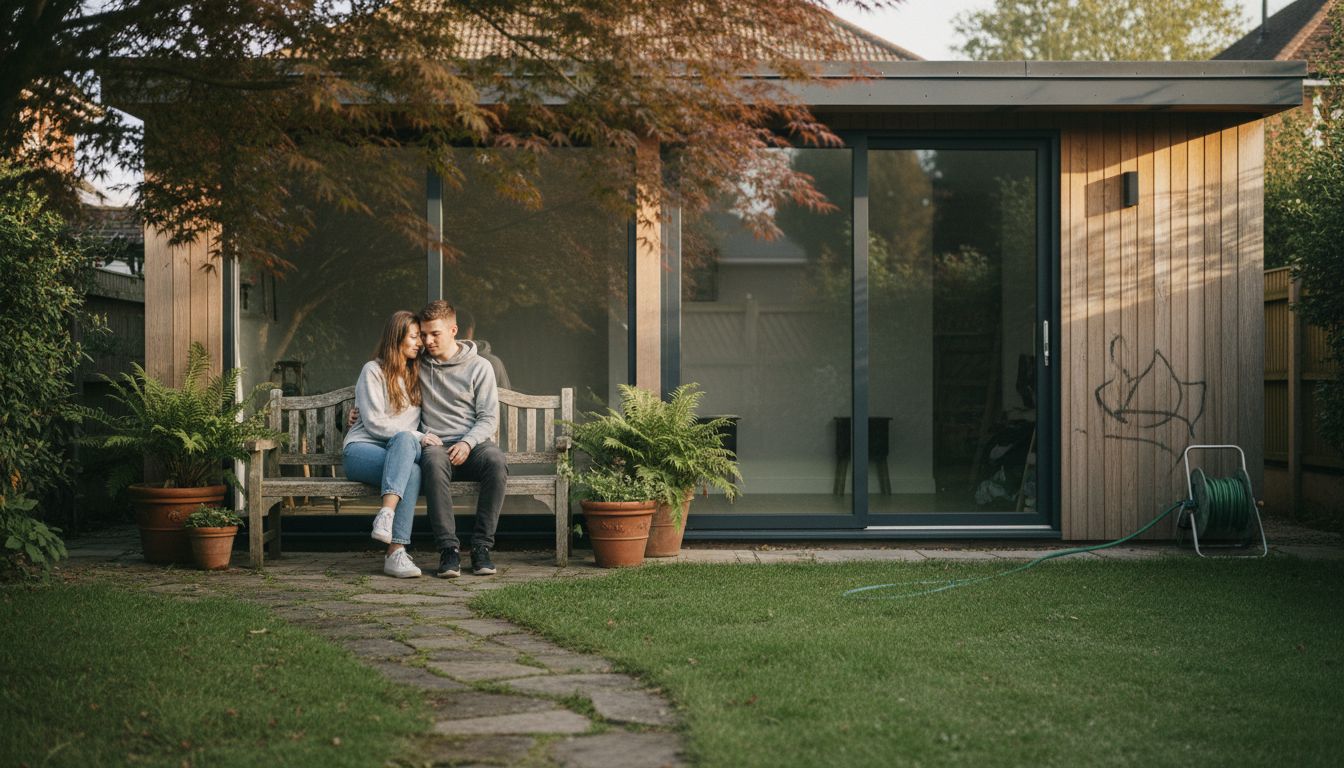
More than one in four british homeowners now view garden buildings as vital to modern living. These versatile structures offer much more than simple storage space, reflecting shifts in lifestyle and property values across the UK. From relaxation rooms and home offices to artist studios and compact gyms, garden buildings unlock possibilities for families seeking tailored solutions. Understanding their diverse uses and real benefits empowers anyone considering a stylish, practical upgrade for their own outdoor spaces.
Table of Contents
- Defining Garden Buildings And Their Uses
- Popular Types Of Garden Buildings In The UK
- Key Benefits For Property And Lifestyle
- Planning Permission And Legal Considerations
- Financial Impact: Costs And Value Added
- Common Pitfalls And How To Avoid Them
Key Takeaways
| Point | Details |
|---|---|
| Versatility of Garden Buildings | Garden buildings can serve various functions, such as offices, workshops, and leisure spaces, enhancing both utility and aesthetic appeal. |
| Property Value Enhancement | Well-designed garden buildings can increase property value by 5-10%, making them strategic investments for homeowners. |
| Planning and Regulations | Homeowners should be aware of local planning regulations and ensure compliance to avoid legal issues. |
| Financial Considerations | Comprehensive budgeting is essential, as costs can extend beyond initial construction to include maintenance and utilities. |
Defining Garden Buildings And Their Uses
Garden buildings represent versatile outdoor structures designed to enhance residential properties by providing additional functional spaces beyond traditional home boundaries. These purpose-built constructions range from compact storage sheds to elaborate garden rooms that transform outdoor living spaces.
At their core, garden buildings serve multiple practical and aesthetic purposes. Homeowners might utilise these structures for workshops, home offices, relaxation spaces, storage solutions, or even as dedicated hobby areas. Architectural diversity means garden buildings can be crafted from various materials including timber, metal, and composite panels, each offering distinct advantages in durability, appearance, and functionality.
Drawing inspiration from traditional architectural concepts like greenhouses, these structures have evolved significantly. While conservatories traditionally featured glass walls and roofs for agricultural or leisure purposes, modern garden buildings incorporate sophisticated design elements that blur boundaries between indoor comfort and outdoor charm. They’re not merely utilitarian additions but strategic investments that can dramatically enhance property value and lifestyle flexibility.
Key considerations when selecting a garden building include:
- Purpose and intended use
- Available garden space
- Budget constraints
- Local planning regulations
- Desired architectural style
- Material durability and maintenance requirements
These structures represent more than just external attachments; they’re dynamic spaces that extend living areas, provide functional solutions, and contribute meaningfully to property aesthetics and utility.
Popular Types Of Garden Buildings In The UK
The UK garden buildings market offers remarkable diversity, catering to homeowners seeking functional and aesthetically pleasing outdoor structures. From compact storage solutions to elaborate garden rooms transforming outdoor spaces, these structures reflect sophisticated design approaches and practical requirements.
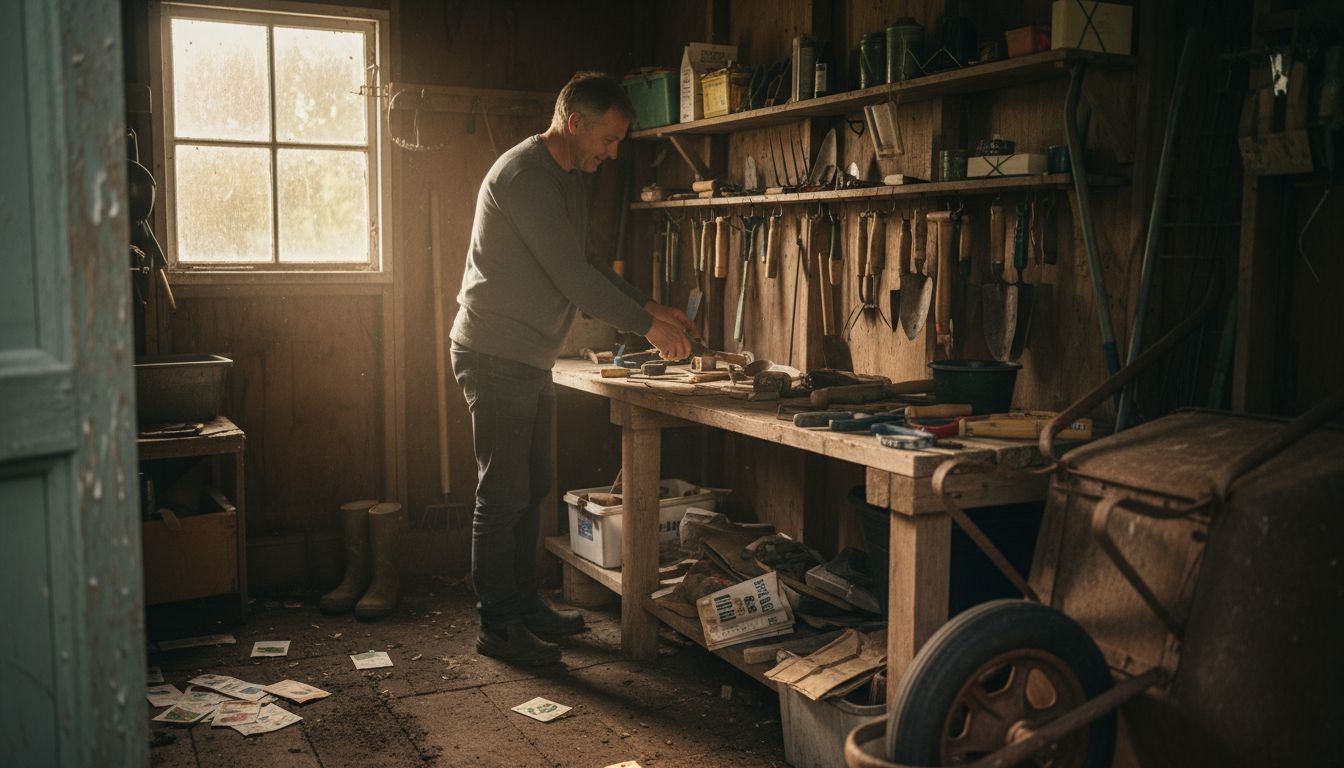
Traditional garden building types have significantly evolved. Conservatories originally designed as greenhouses now represent sophisticated living spaces that seamlessly blend indoor comfort with exterior environments. Modern iterations include sophisticated log cabins, multi-purpose garden studios, insulated workspace retreats, and elegant summer houses that provide flexible living solutions for contemporary homeowners.
Specialised garden buildings in the UK demonstrate remarkable architectural innovation. Timber structures dominate the market, offering natural aesthetics and exceptional durability. Specialist categories include:
- Garden offices with professional workspace configurations
- Multipurpose leisure rooms
- Artist studios and creative spaces
- Home gyms and fitness retreats
- Gardening and storage workshops
- Outdoor entertainment pavilions
These structures represent more than simple external additions; they are strategic investments that enhance property functionality, provide additional living spaces, and contribute significantly to residential lifestyle flexibility.
Key Benefits For Property And Lifestyle
Garden buildings represent transformative investments that extend far beyond simple architectural additions, offering homeowners substantial property and lifestyle enhancements. Conservatories demonstrate how these structures can dramatically increase living spaces by creating versatile environments that seamlessly blend indoor comfort with outdoor connectivity.
Property Value Enhancement emerges as a primary benefit of strategic garden building investments. These structures provide multiple advantages including increased square footage, improved aesthetic appeal, and functional flexibility. Potential buyers consistently view well-designed garden buildings as desirable features that distinguish a property in competitive real estate markets, effectively increasing market valuation and attractiveness.
Lifestyle benefits are equally compelling. Garden buildings offer personalised spaces that adapt to evolving domestic needs, supporting diverse activities such as:
- Remote working environments
- Creative hobby studios
- Personal fitness and wellness retreats
- Meditation and relaxation spaces
- Extended entertainment areas
- Seasonal garden workshops
Moreover, these versatile structures provide psychological benefits by creating dedicated spaces that separate work from leisure, enhance mental well-being, and offer personal sanctuary within residential boundaries. They represent intelligent lifestyle investments that simultaneously solve spatial challenges and enrich daily living experiences.
Planning Permission And Legal Considerations
Navigating the legal landscape for garden buildings requires careful understanding of local regulations and planning permission requirements. Homeowners must recognise that not all garden structures are exempt from official scrutiny, and compliance is crucial to avoid potential legal complications.
Permitted Development Rights play a critical role in determining whether planning permission is necessary. UK government guidelines specify precise conditions under which garden buildings can be constructed without formal approval. Key considerations include:
- Total floor area of the structure
- Proximity to property boundaries
- Building height and positioning
- Intended usage of the garden building
- Proportion of garden space occupied
Specific legal parameters demand meticulous attention. Garden buildings must typically meet strict criteria to qualify for permitted development, including:
- Maximum height restrictions (usually 2.5 metres)
- Coverage limit of no more than 50% of garden area
- Location away from main highway
- No permanent residential use
- Compliance with building regulations
Consultation with local planning authorities is always recommended before commencing construction. Professional guidance can help homeowners navigate complex regulations, ensuring their garden building project remains fully compliant and avoids potential enforcement actions.
Financial Impact: Costs And Value Added
Garden buildings represent sophisticated investments that offer substantial financial benefits beyond their initial construction costs. Benefits of choosing a log cabin as a strategic property enhancement demonstrate how these structures can significantly improve property valuation and generate long-term economic advantages.
Investment Potential varies considerably depending on design, materials, and intended usage. Typical financial considerations include:
- Initial construction and material expenses
- Potential property value increase
- Ongoing maintenance costs
- Utility and customisation expenses
- Potential rental or workspace revenue streams
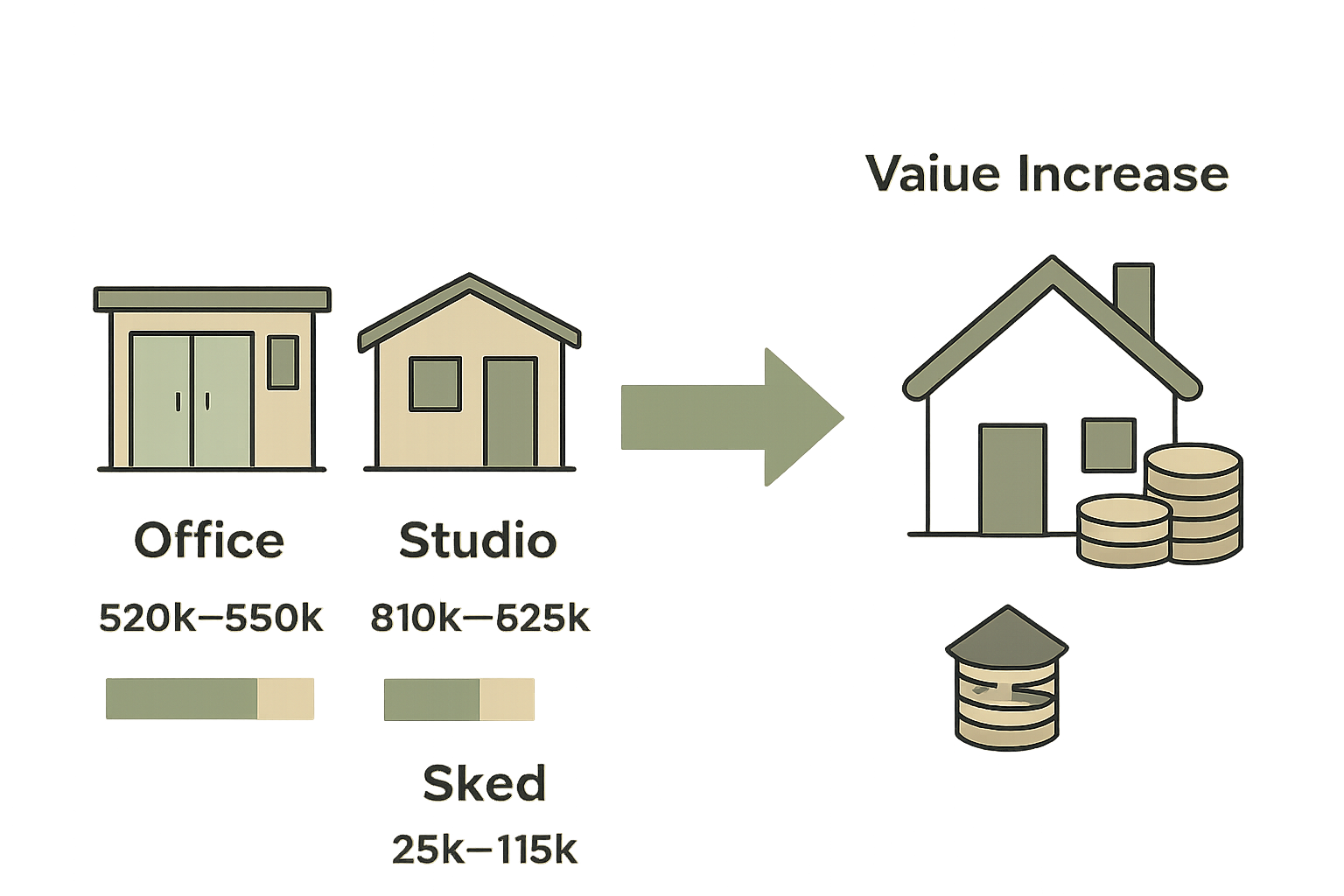
Cost ranges for garden buildings typically span from £5,000 for basic storage structures to £50,000 for sophisticated, fully-equipped garden offices. Property market research suggests well-designed garden buildings can potentially increase overall property value by 5-10%, representing a compelling return on investment. Professional-grade installations that offer versatile functionality tend to generate more significant financial returns, particularly those supporting remote working or providing additional living spaces.
Strategic financial planning involves considering not just immediate expenses but long-term value generation. Homeowners should evaluate potential usage scenarios, anticipated maintenance requirements, and the specific ways a garden building might enhance lifestyle and property marketability. Quality construction, thoughtful design, and alignment with local property market trends are crucial factors in maximising financial potential.
Common Pitfalls And How To Avoid Them
Constructing garden buildings requires strategic planning and awareness of potential challenges that can derail even the most well-intentioned projects. Planning permission mistakes represent one of the most critical areas where homeowners frequently encounter difficulties.
Costly Missteps often emerge from inadequate preparation and overlooked details. Common pitfalls that homeowners should vigilantly avoid include:
- Failing to verify local planning regulations
- Underestimating total project costs
- Neglecting foundation and site preparation
- Choosing inappropriate materials for local climate
- Ignoring structural integrity and long-term durability
- Bypassing necessary building regulations
Budgetary miscalculations can dramatically impact project success. Homeowners frequently underestimate comprehensive costs, which extend beyond initial construction expenses. These hidden costs encompass site preparation, foundation work, utility connections, interior finishing, and potential landscaping modifications. Professional consultations and comprehensive project scoping can mitigate financial risks, ensuring that garden building investments remain both economically viable and structurally sound.
Quality control represents another critical consideration. Cutting corners on design, materials, or craftsmanship can lead to substantial long-term expenses through increased maintenance, reduced property value, and potential structural failures. Rigorous research, professional guidance, and a commitment to quality throughout the design and construction process are essential strategies for avoiding potentially expensive mistakes.
Transform Your Garden Space Into Lasting Value and Lifestyle Comfort
The article highlights the challenge of choosing the perfect garden building that not only boosts your property’s value but also meets your lifestyle needs such as remote working, relaxation, or creative spaces. It acknowledges key concerns like planning permission, durable materials, and smart design to avoid costly mistakes and stress.
If you want to overcome these hurdles and create a garden building tailored to your exact requirements look no further than our bespoke and custom garden buildings at Log Cabin Kits. With expert craftsmanship and a wide range of styles you gain durability, aesthetic appeal, and flexible space all in one investment that enhances your home and daily living.
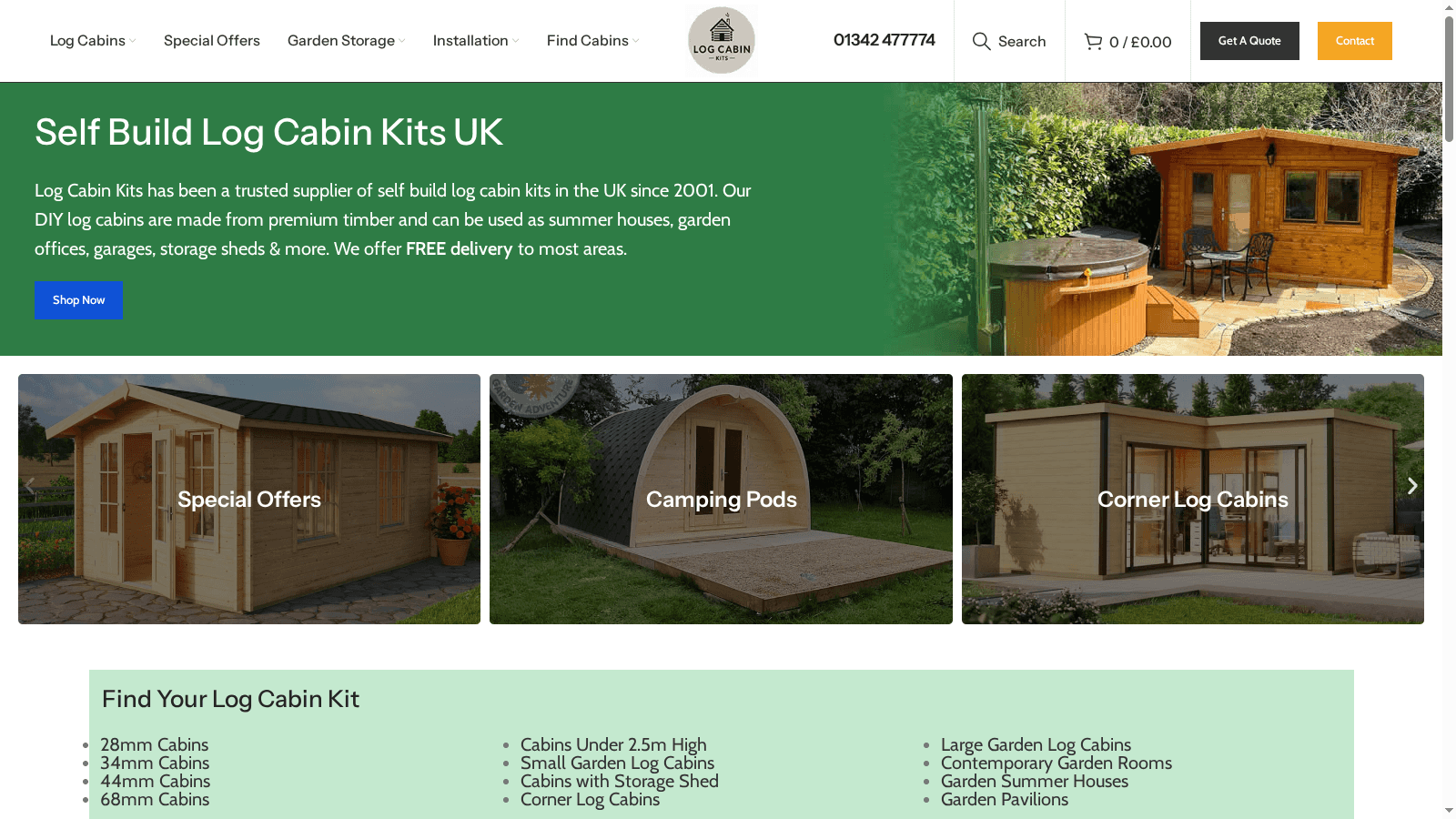
Start your journey to a smarter outdoor living space today. Visit Log Cabin Kits to explore custom options that respect local planning laws while giving you the lifestyle upgrade you deserve. Don’t wait to add value and comfort where it matters most in your home garden.