
Choosing the right garden studio often means balancing aesthetic appeal with everyday practicality. Many British homeowners find themselves facing costly setbacks when budgets for insulation, technology, and future upgrades are underestimated, or when planning regulations are ignored. This guide clarifies the essential features, customisation options, and legal factors of log cabin garden studios, helping you confidently create a versatile, year-round space tailored to your personal or professional needs.
Table of Contents
- Defining Garden Cabins as Studios
- Types and Customisation Options Explained
- Essential Features for Creative and Work Spaces
- Planning, Permitted Development, and Legal Factors
- Comparing Cabins to Other Garden Structures
- Common Pitfalls and Budgeting Considerations
Key Takeaways
| Point | Details |
|---|---|
| Versatility of Garden Cabins | Modern garden cabins serve multifunctional purposes, acting as studios for various professional and creative activities. |
| Customisation Options | Homeowners can personalise their cabins to meet specific needs, enhancing both functionality and aesthetic appeal. |
| Legal Considerations | Understanding UK planning regulations is crucial to ensure compliance before constructing garden studios. |
| Budgeting for Success | A comprehensive financial plan, inclusive of a contingency budget, is essential for a successful garden studio project. |
Defining Garden Cabins as Studios
Garden cabins have emerged as versatile spaces that transcend traditional outdoor structures, offering homeowners a sophisticated solution for creating dedicated studio environments. These purpose-built structures represent more than simple wooden buildings - they are carefully designed multifunctional living spaces that adapt seamlessly to personal and professional needs.
Unlike conventional garden sheds, modern garden cabins are engineered with precision to serve as professional-grade studio spaces. Modern garden studios represent a sophisticated approach to extending living and working areas beyond traditional home boundaries. These structures provide several distinctive advantages:
- Separate from main residential property
- Fully insulated for year-round usage
- Customisable to specific professional requirements
- Offer natural light and connection with outdoor environments
- Provide acoustic separation for focused work
The contemporary garden cabin transforms from a simple outdoor structure into a dedicated workspace that supports creative and professional endeavours. Architects and designers have recognised these buildings as intelligent solutions for individuals seeking flexible, comfortable studio environments without significant property renovations.
Studio Functionality distinguishes these cabins from standard garden buildings. They are specifically constructed with professional needs in mind, incorporating features like robust electrical systems, high-quality insulation, and adaptable interior configurations. Whether used for artistic pursuits, remote working, or specialised hobby spaces, garden cabins offer unprecedented flexibility.
Pro tip: Consider your specific studio requirements before designing your garden cabin, focusing on natural light, electrical infrastructure, and thermal performance to create an optimal workspace.
Types and Customisation Options Explained
Modern garden cabins offer an extraordinary range of customisation possibilities that transform these structures from standard buildings into personalised studio spaces tailored to individual requirements. British homeowners increasingly seek flexible solutions that reflect their unique professional and creative needs.
Cabin customisation options enable individuals to design spaces that seamlessly integrate with their specific lifestyle and work demands. These adaptable structures can be configured to support various professional and personal activities:
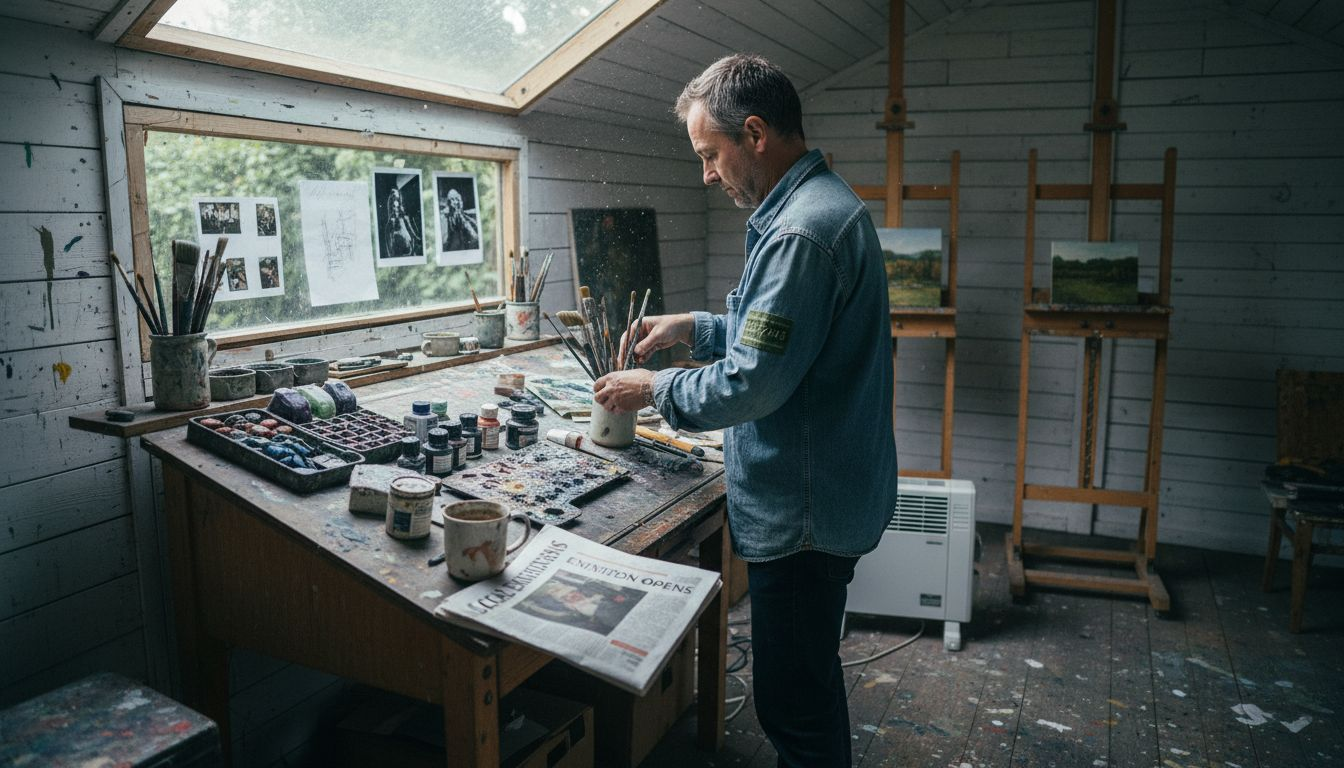
- Artistic studios with specialised lighting
- Remote working environments
- Yoga and fitness spaces
- Music and recording rooms
- Photography and creative workshops
The versatility of garden cabins extends beyond basic structural modifications. Homeowners can select from a range of sophisticated features that enhance functionality and aesthetic appeal. These might include integrated electrical systems, advanced insulation technologies, bespoke window configurations, and personalised interior finishes that create a professional and inspiring atmosphere.
Interior Configurations play a crucial role in transforming garden cabins into professional-grade studios. Designers can incorporate modular furniture systems, adjustable workspace layouts, and specialised storage solutions that maximise the available space. The ability to create a purpose-built environment allows individuals to design a studio that perfectly matches their professional requirements.
Pro tip: Prioritise flexibility in your garden cabin design, ensuring the space can adapt to changing professional needs and technological requirements over time.
Essential Features for Creative and Work Spaces
Creating an effective garden studio requires careful consideration of functional design elements that support productivity and creativity. The right combination of features can transform a simple garden cabin into a professional-grade workspace that inspires and enables peak performance.
Garden office layout ideas highlight the critical aspects of designing a successful creative workspace. Professional studios demand specific elements that enhance both functionality and comfort:
- Natural lighting with strategically placed windows
- Robust electrical infrastructure
- High-quality thermal insulation
- Soundproofing capabilities
- Ergonomic workspace design
- Integrated storage solutions
- Reliable internet connectivity
The physical environment plays a crucial role in supporting creative and professional activities. Modern garden studios are engineered to provide optimal working conditions, with attention to details that make a significant difference in daily productivity. Considerations like temperature regulation, acoustic performance, and visual aesthetics combine to create a holistic workspace environment.
Technological Integration is paramount in contemporary garden studios. Designers must incorporate advanced electrical systems, seamless internet connectivity, and flexible power solutions that support various professional equipment. The ability to create a technologically advanced workspace determines the studio’s effectiveness for different creative and professional pursuits.
Pro tip: Invest in flexible electrical and data infrastructure that can adapt to evolving technological requirements and professional equipment needs.
Planning, Permitted Development, and Legal Factors
Navigating the legal landscape for garden studios requires a comprehensive understanding of UK planning regulations. Homeowners must carefully consider various legal considerations to ensure their garden cabin project complies with local and national guidelines.
Planning permission for log cabins involves several critical factors that can significantly impact your garden studio project. The key legal considerations typically include:
- Permitted development rights
- Maximum structure dimensions
- Distance from property boundaries
- Height restrictions
- Location within the property
- Impact on neighbouring properties
- Conservation area regulations
Most garden studios benefit from Permitted Development Rights, which often allow structures without formal planning permission. However, these rights come with specific limitations that homeowners must understand carefully. Factors such as the cabin’s total floor area, height, and proximity to property boundaries can determine whether additional approvals are necessary.
Local councils maintain specific guidelines that can vary significantly between different regions of the United Kingdom. Some areas have more stringent requirements, particularly in conservation zones or areas with special architectural designations. Homeowners should always consult their local planning department to understand the precise regulations affecting their specific property and proposed garden studio project.
Pro tip: Always conduct a thorough consultation with your local planning authority before commencing any garden studio construction to ensure full compliance with regional regulations.
Comparing Cabins to Other Garden Structures
Garden structures have evolved significantly, with log cabins emerging as a sophisticated alternative to traditional garden buildings. Understanding the distinctive advantages of garden cabins helps homeowners make informed decisions about their outdoor spaces.
Advantages of garden cabins reveal substantial differences between various garden structure types. The key comparative elements include:
- Durability and construction quality
- Thermal performance
- Aesthetic appeal
- Versatility of usage
- Long-term investment value
- Maintenance requirements
- Customisation potential
Traditional garden sheds typically represent basic storage solutions with limited functionality. In contrast, modern garden cabins are engineered as multifunctional spaces that can serve professional, creative, and recreational purposes. The structural integrity, superior insulation, and architectural design of log cabins distinguish them from standard prefabricated alternatives.
Structural Comparison highlights the significant advantages of purpose-built garden cabins. Unlike simple wooden sheds or metal structures, log cabins offer enhanced durability, better thermal regulation, and a more sophisticated aesthetic that complements residential properties. The robust construction and higher-quality materials ensure a longer lifespan and more versatile usage.
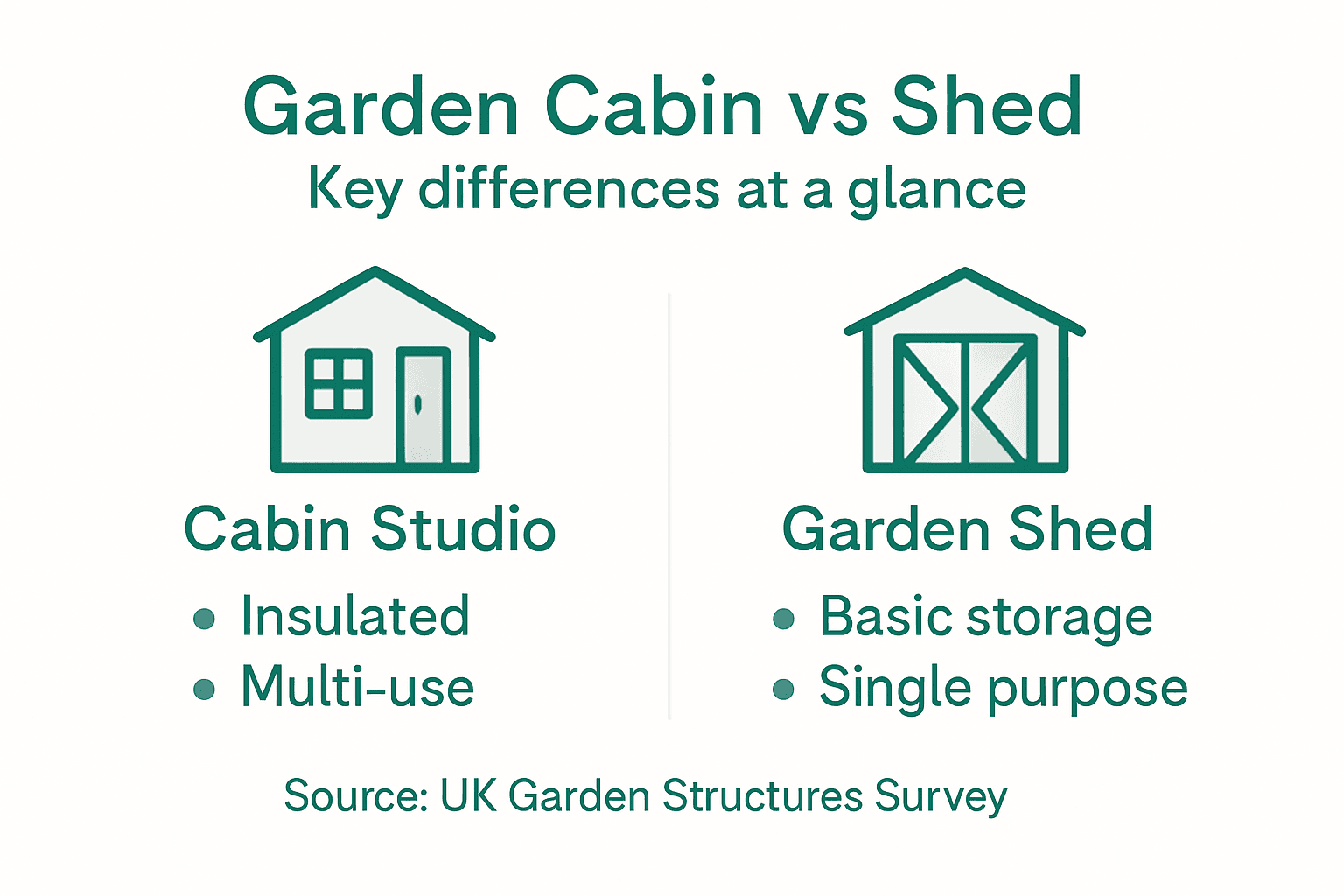
For a clear overview, here is a comparison of garden cabins versus traditional sheds, highlighting core differences for UK homeowners:
| Aspect | Garden Cabin Studio | Traditional Garden Shed |
|---|---|---|
| Build Quality | Precision-engineered timber | Basic wooden or metal frame |
| Insulation | Full, for all-season use | Minimal, unsuitable in winter |
| Intended Use | Professional, creative work | Storage for tools and supplies |
| Customisation Level | Highly personalised design | Limited or basic alterations |
| Longevity | 15+ years with maintenance | 5–10 years on average |
| Investment Value | Adds home value | No impact on property price |
Pro tip: Consider the long-term value and potential usage when selecting a garden structure, prioritising adaptability and quality over initial cost savings.
Common Pitfalls and Budgeting Considerations
Creating a garden studio involves navigating complex financial and design challenges that can significantly impact the overall project success. Homeowners must approach their garden cabin investment with strategic planning and comprehensive understanding of potential obstacles.
Garden room budgeting strategies reveal several critical financial considerations that can make or break a garden studio project. The most prevalent budgeting challenges include:
- Initial construction costs
- Technology and electrical infrastructure
- Heating and insulation requirements
- Future upgrade potential
- Ongoing maintenance expenses
- Potential planning permission fees
- Professional installation charges
Understanding the total cost spectrum is crucial for making an informed decision. Basic uninsulated cabins might start around £3,000, but fully functional professional studios can range from £10,000 upwards. These costs reflect the complexity of creating a versatile, year-round working environment that meets professional and regulatory standards.
Financial Planning demands a holistic approach that considers both immediate expenses and long-term value. Homeowners should budget not just for the initial structure, but for comprehensive features like electrical systems, internet connectivity, heating, and potential future modifications. Cutting corners initially can lead to significantly higher retrofit costs down the line.
Below is a summary of budgeting factors to consider when planning your garden studio project:
| Expense Type | Typical Impact | Planning Advice |
|---|---|---|
| Construction Cost | £3,000–£25,000+ | Factor insulation and finishes |
| Electrical & Data | Moderate, varies by design | Plan for future upgrades |
| Heating & Cooling | High, depends on insulation | Consider energy efficiency |
| Maintenance | Annual upkeep recommended | Budget for repairs |
| Planning Fees | Regionally dependent | Verify with local council |
| Contingency Budget | Crucial for unexpected costs | 15–20% of total project cost |
Pro tip: Always include a 15-20% contingency budget to accommodate unexpected expenses and potential design modifications during your garden studio project.
Discover the Perfect Garden Cabin Studio Tailored for You
If you are seeking a professional, fully customisable space that offers year-round comfort and superb insulation the challenge of finding the right garden studio ends here. Garden cabins provide the ideal solution for UK homeowners who demand durability, adaptability, and aesthetic appeal in their creative or work environments. With bespoke build options and attention to thermal performance and electrical infrastructure, you can create a studio that truly meets your specific needs.
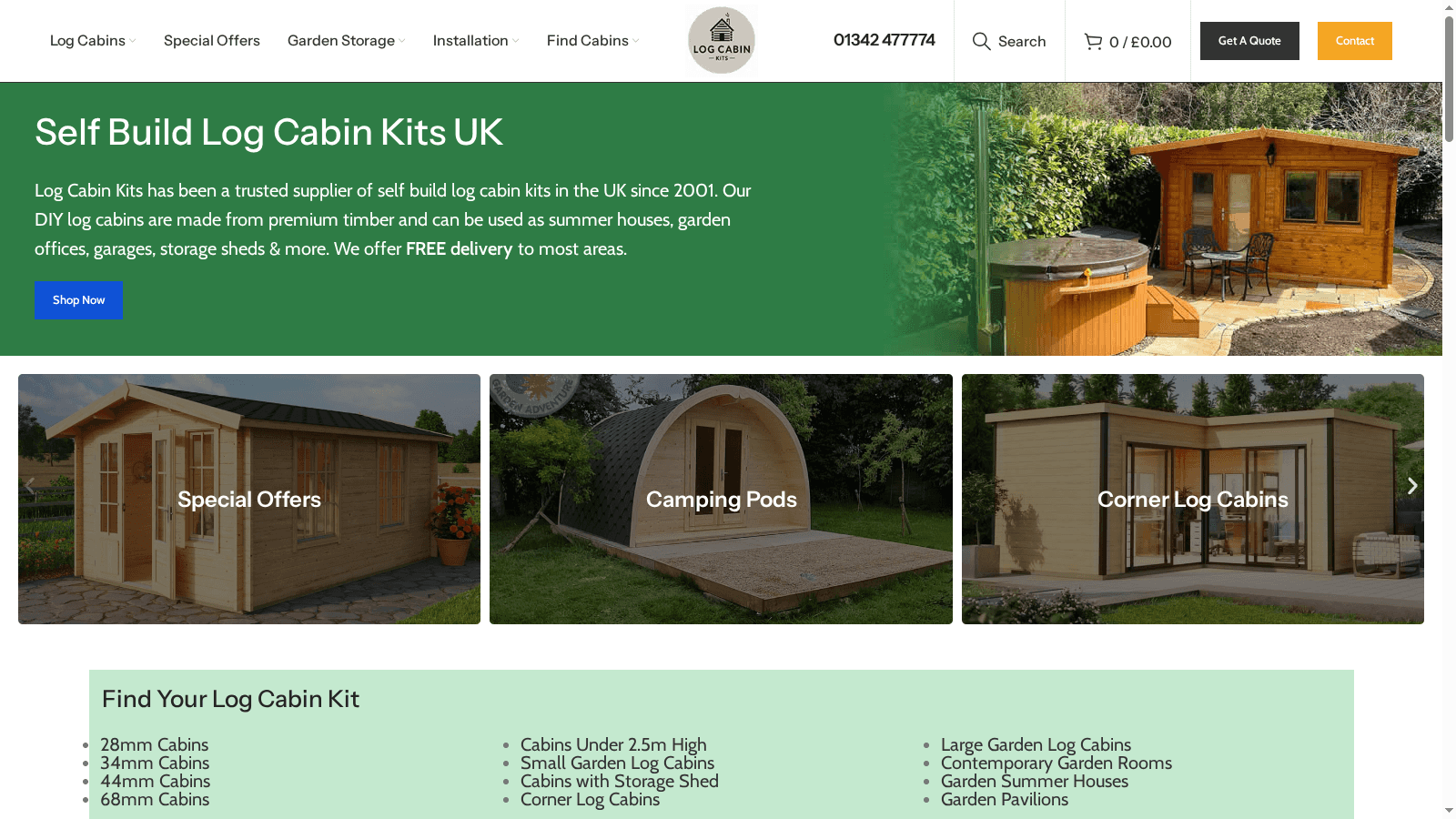
Explore how our expertly crafted garden cabins can transform your garden into a dynamic studio space. Visit LogCabinKits UK to discover options for custom-built garden studios designed to maximise natural light, acoustic separation, and professional-grade features. Don’t wait to invest in a versatile, beautifully finished garden cabin that complements your lifestyle and boosts your productivity. Start your personalised design journey now and secure a space built entirely around your professional vision.
Frequently Asked Questions
What are garden cabins?
Garden cabins are versatile outdoor structures designed to serve as dedicated spaces for various personal and professional activities. Unlike traditional garden sheds, they are fully insulated and equipped to function as year-round studios.
How do garden cabins differ from traditional garden sheds?
Garden cabins offer superior durability, insulation, and multifunctionality compared to traditional garden sheds, which are primarily used for storage. Cabins can be customised for specific uses, such as offices, art studios, or fitness spaces.
What features should I consider when designing a garden studio cabin?
Key features to consider include natural lighting, robust electrical systems, high-quality insulation, soundproofing, ergonomic workspace design, and integrated storage solutions to enhance both functionality and comfort.
Do I need planning permission for a garden cabin?
In most cases, garden cabins can be built under permitted development rights, which do not require formal planning permission. However, it’s essential to verify local regulations regarding dimensions and placement to ensure compliance.
Recommended
- Garden Art Studio Ideas: Tips & Inspiration | Log Cabin Kits
- Crafting Your Perfect Art Studio: Design Ideas for Garden Cabins - Log Cabin Kits to Buy Online
- Why Cabins Suit Garden Lovers In The UK
- Modern Garden Studios - Our Complete Guide | Log Cabin Kits
- 7 Expert Solar Charging Tips for UK Campervan Owners – Skyenergi