
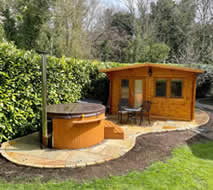
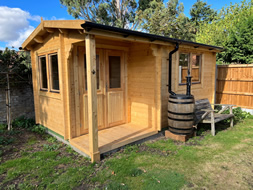
The role of log cabin thickness explained
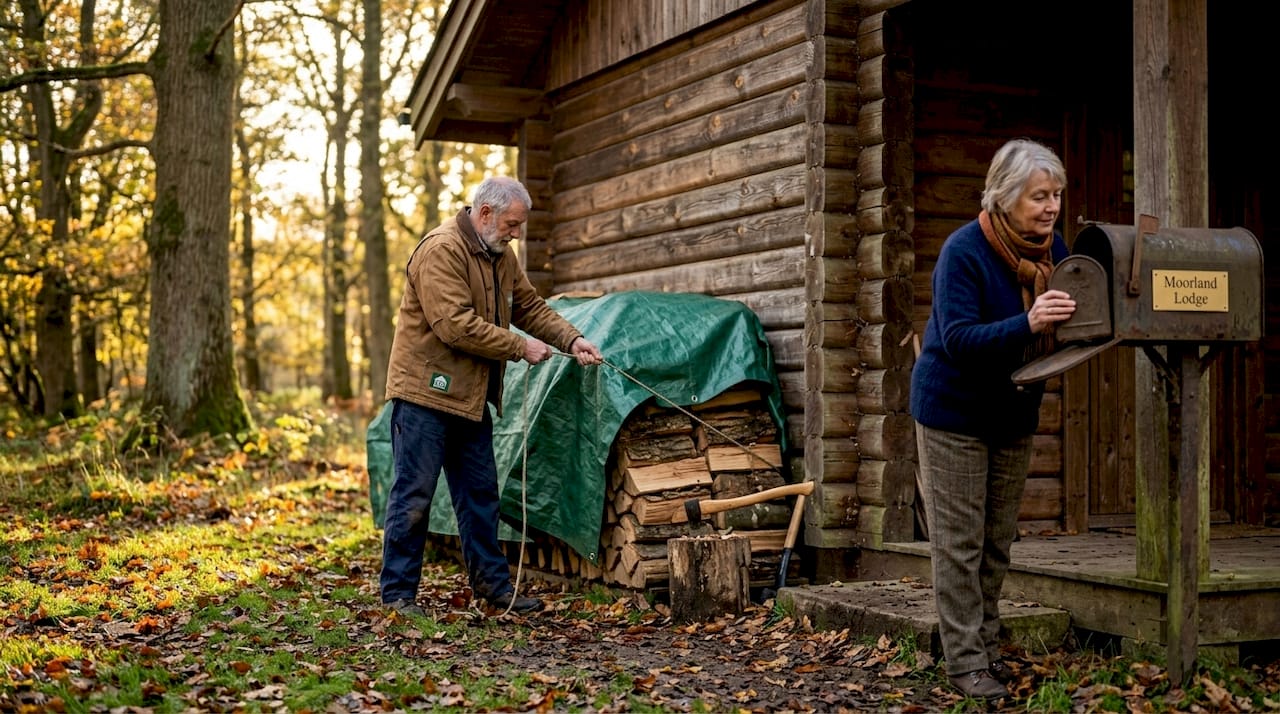
TL;DR:
- Thicker log cabin walls improve insulation and durability, but their benefits are limited without proper sealing, roof, and floor insulation.
- Overall efficiency depends more on airtightness and comprehensive insulation strategies than solely on wall thickness, especially in colder climates.
Most people assume that thicker log cabin walls automatically mean a warmer, sturdier, longer-lasting building. It’s a reasonable thought, but it’s only part of the story. The role of log cabin thickness is real and significant, but it works alongside other factors like airtightness, roof insulation, and wood type rather than replacing them. Whether you’re planning a garden office, a guest room, or a year-round retreat, understanding how log cabin wall thickness actually performs will help you make a much smarter choice from the start.
Table of Contents
- Key takeaways
- How log cabin thickness affects insulation
- Thickness, strength, and long-term durability
- Thickness versus a whole-cabin insulation approach
- Choosing the right thickness for your needs
- My honest take on thickness decisions
- Find the right cabin for your build
- Common questions
Key takeaways
| Point | Details |
|---|---|
| Thickness affects insulation | Thicker logs add thermal resistance, but softwood R-value per inch is modest at around 1.41. |
| Thermal mass adds real value | Logs absorb and release heat over time, boosting real-world performance beyond raw insulation numbers. |
| Airtightness matters more | Sealing joints and gaps has a greater effect on warmth than adding extra log thickness alone. |
| Roof and floor are critical | Up to 70% of heat loss can be addressed through roof and floor insulation, not just walls. |
| Match thickness to intended use | Choose your log thickness based on climate, how you’ll use the cabin, and your overall budget. |
How log cabin thickness affects insulation
When people talk about log cabin insulation thickness, they usually mean the thermal resistance of the walls. This is measured as an R-value. The higher the number, the better the wall resists heat passing through it.
Softwood R-value per inch sits at approximately 1.41. That means a 44mm log wall (roughly 1.75 inches) gives you an R-value of around 2.5. A 70mm wall gets you closer to 3.9. A 6-inch softwood log wall delivers just over R-8, which still falls short of most residential energy code requirements without additional insulation. If you’re using hardwood, the picture is even more modest. Hardwood R-value per inch is around 0.71, roughly half that of softwood.
But here’s where it gets more interesting. Logs don’t just resist heat transfer. They also store it. This is called thermal mass. Logs absorb heat during the day and release it slowly at night, which smooths out temperature swings inside the cabin. In temperate climates, this effect can increase the apparent R-value by roughly 0.1 per inch. It’s not a huge number, but it does mean your log cabin may feel warmer than the raw figures suggest.
| Wall thickness | Approx R-value (softwood) | Best suited for |
|---|---|---|
| 28mm | 1.6 | Summer use only |
| 44mm | 2.5 | Occasional use, mild UK climate |
| 58mm | 3.3 | Regular use, spring to autumn |
| 70mm+ | 4.0+ | Year-round use with added insulation |
Pro Tip: Don’t rely on wall thickness alone to judge a cabin’s warmth. Ask the supplier for the full specification including roof, floor, and glazing details before you buy.
Thickness, strength, and long-term durability
Log cabin wall thickness does more than influence heat. It directly affects how solid and sturdy the building feels, and how well it holds up over years of use.
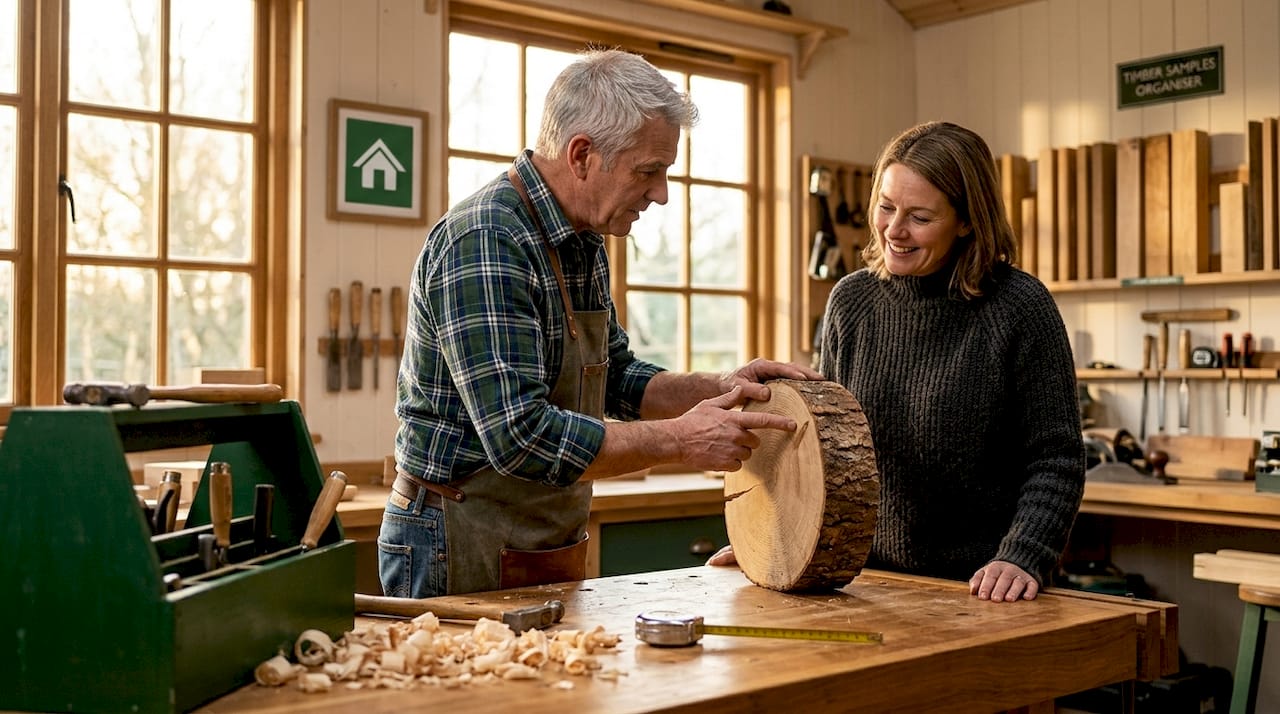
Logs thicker than 44mm substantially improve resistance to weather and structural stress. Thicker walls are heavier, which reduces movement and flexing during strong winds. They’re also less prone to warping and cracking as the wood naturally expands and contracts with moisture changes through the seasons. That matters a lot in the UK, where you get wet winters, damp springs, and the occasional dry summer.
What catches many buyers off-guard is the maintenance side. There’s a common assumption that a thicker log means a maintenance-free cabin. That isn’t the case. Thicker logs can still suffer rot and insect attack if they’re not treated and maintained properly. The extra thickness buys you more time if something goes wrong, but it doesn’t replace regular care.
Here’s what you should stay on top of regardless of thickness:
- Treat the wood annually with a quality exterior wood preservative or stain
- Check and reseal joints between logs each spring to prevent water ingress
- Clear debris from around the base and roof to avoid moisture build-up
- Inspect for soft spots or discolouration that could indicate rot forming
- Keep gutters clear so rainwater flows away cleanly rather than dripping onto walls
You can find a good seasonal checklist in these spring cabin maintenance tips from Logcabinkits, which covers the key jobs for keeping any cabin in good shape year on year.
Pro Tip: Check the base and lower wall logs first every season. Ground-level moisture is the number one cause of rot in garden log cabins, regardless of wall thickness.
Thickness versus a whole-cabin insulation approach
This is where many DIY builders make their biggest mistake. They spend a lot of time comparing 44mm versus 58mm wall logs, but barely think about what’s above their heads and beneath their feet.
Roof and floor insulation can reduce heat loss by up to 70%, which is far more impactful than upgrading from one wall thickness to another. The roof is the single biggest weak point in most garden log cabins. Heat rises, and without proper insulation up there, you’re losing warmth constantly no matter how thick your walls are.
Airtightness is the other big factor. Sealing joints between logs impacts overall thermal efficiency more than modest increases in log thickness. Gaps between logs, around windows, and at door frames let cold air in and warm air out far more than you’d expect. No amount of extra wall thickness compensates for a draughty cabin.
For year-round comfort, you need to treat the cabin as a complete system. Here’s a sensible order of priorities for DIY builders:
- Seal all joints and gaps around windows, doors, and between log courses before anything else
- Insulate the roof using mineral wool or rigid foam boards between and over the roof joists
- Insulate the floor with rigid boards under decking or tongue-and-groove boarding
- Upgrade glazing to double glazing if using the cabin through autumn and winter
- Consider wall thickness as part of the overall specification, not the only factor
If you’re looking to upgrade an existing cabin or planning insulation from scratch, this guide on insulating a log cabin covers the practical steps in detail.
Choosing the right thickness for your needs
So how do you actually decide? The answer depends on three things: where you are in the UK, how you plan to use the cabin, and what your budget allows.
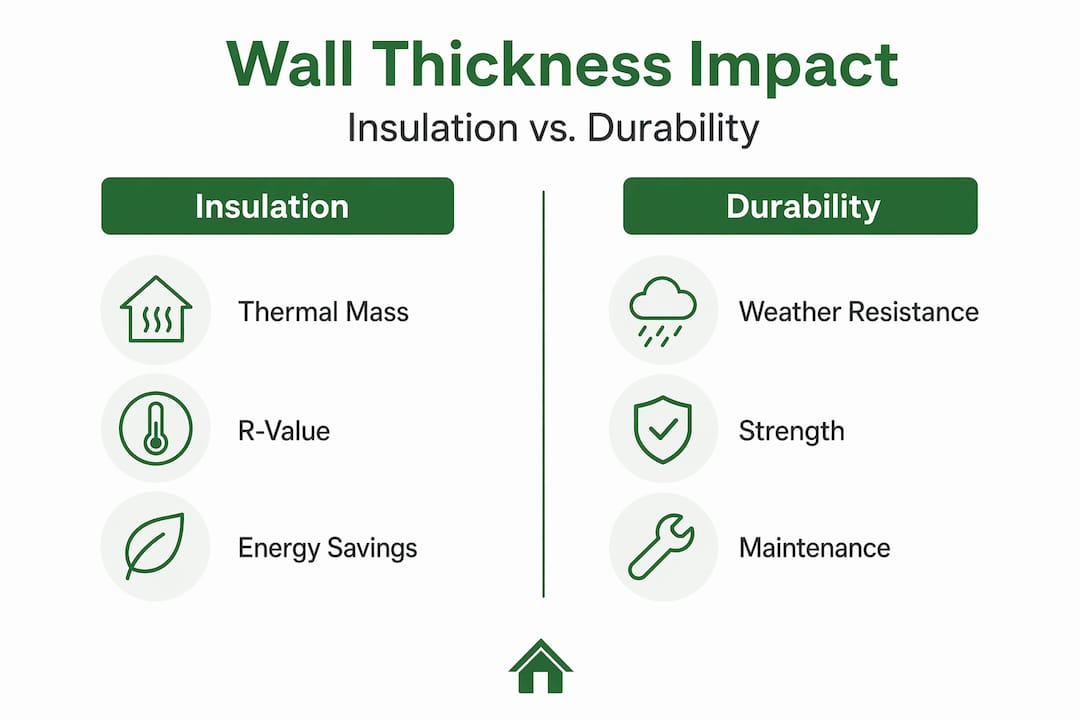
The UK climate varies more than people realise. Southern England has milder winters, so a 44mm cabin used as a garden office with good roof insulation can be perfectly comfortable through most of the year. In Scotland or the north of England, where temperatures drop harder and stay low longer, 58mm or above makes a noticeable difference. Choosing wall log size based on climate is well worth reading if you’re unsure what applies to your location.
Thicker walls also take up more interior space. A 70mm wall on all four sides of a 4x4 metre cabin reduces your usable floor area compared to 44mm walls. It’s a small difference in numbers, but it’s worth factoring in when you’re designing a compact space.
Here’s a quick comparison to guide your thinking:
| Thickness | Typical use case | Notes |
|---|---|---|
| 28mm | Summer house, occasional use | Not suitable for year-round use |
| 44mm | Garden office, hobby room | Good all-rounder with added insulation |
| 58mm | Year-round office, guest room | Strong performance, better weather resistance |
| 70mm+ | Full residential annexe use | Best structural strength, requires full insulation package |
One more thing worth checking before you buy: many UK log cabins are actually timber-framed with log-effect cladding rather than true solid logs. The thickness stated in the spec may refer to the cladding boards, not solid interlocking logs. Always ask the supplier to confirm whether the walls are solid log or a timber frame construction. The answer changes how you should think about insulation entirely.
Pro Tip: Ask to see a cross-section image or diagram of the wall construction before ordering. A genuine solid log cabin will show interlocking logs throughout, not a frame with cladding attached.
My honest take on thickness decisions
I’ve spoken with a lot of people who’ve come to Logcabinkits convinced that the thickest log available is automatically the best choice. I understand the logic. Bigger feels stronger. More wood feels warmer. But in my experience, that thinking leads to overspending in one area while under-investing in others.
What I’ve seen time and again is that a well-built 44mm cabin with a properly insulated roof, sealed joints, and decent double glazing will outperform a 70mm cabin with a single-glazed window and no floor insulation. The logs matter, but they’re one piece of a bigger picture.
The mistake I see most often is treating log cabin thickness as a shortcut to quality. It isn’t. It’s a starting point. The real quality is in how the whole building is put together and maintained over time. I’d always rather help someone choose a slightly thinner cabin and spend the saving on insulation upgrades than the other way around.
If you’re planning a bespoke build, think about your end use first. Work backwards from how you want to use the space and in what season. The right thickness will usually become obvious once you frame it that way.
— Martin
Find the right cabin for your build
At Logcabinkits, we stock a range of garden log cabins from 28mm right through to 58mm and beyond, with bespoke options available for those who want something tailored to their exact needs.

If you’re after a popular mid-range choice, our 44mm log cabins are a great starting point. They offer a solid balance of structural strength and insulation performance, and work brilliantly alongside the roof and floor upgrades we’ve discussed above. Prefer something fully bespoke? Our custom-build log cabins let you specify thickness, layout, and finish to match your space and budget. Get in touch and we’ll help you work it all out without the stress.
Common questions
What is the best log thickness for a year-round cabin?
For year-round use in the UK, 58mm or above is generally recommended, combined with a well-insulated roof, floor insulation, and sealed joints. Wall thickness alone won’t deliver year-round comfort without those additions.
Does thicker wood mean better insulation?
Thicker logs do provide more thermal resistance and better thermal mass performance, but the gains are modest per inch. Airtightness and roof insulation typically have a far greater impact on overall warmth.
How do I know if my log cabin is solid log or timber frame?
Ask your supplier for a cross-section diagram of the wall construction. Solid log cabins show interlocking logs throughout, while timber-framed cabins use a structural frame with cladding boards attached on the outside.
Does log thickness affect how much maintenance is needed?
Thicker logs are more durable and resist weather stress better, but they still require regular treatment and joint sealing. A property maintenance checklist can help you keep on top of seasonal upkeep for any log cabin thickness.
What R-value does a 44mm log wall provide?
A 44mm softwood log wall delivers an R-value of roughly 2.5, based on softwood’s R-value of approximately 1.41 per inch. This is a useful baseline, but additional insulation is needed for most year-round applications.