
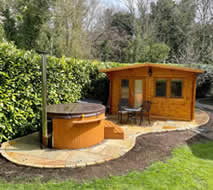
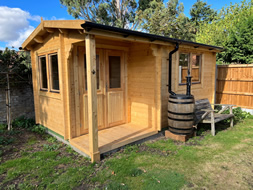
Explaining custom cabin layouts for your backyard
TL;DR:
- A custom cabin layout is a bespoke floor plan tailored to your site, lifestyle, and practical needs, improving usability and comfort. Effective designs prioritize open-plan living, natural light, wet zone grouping, and outdoor connections to maximize functionality within a small footprint. Planning outside elements first and involving utility routes early ensures a smooth build process and a space that truly fits your environment.
A custom cabin layout is a bespoke floor plan designed around your specific site, lifestyle, and practical needs rather than a one-size-fits-all template. Explaining custom cabin layouts means understanding how decisions about room size, window placement, and utility positioning all work together to create a space that genuinely fits your life. Whether you want an open-plan garden retreat, a compact home office, or a multi-room studio, the layout is where every good cabin project begins. Tools like 3D cabin configurators and architectural sketches make the planning process far more accessible than most people expect.
What makes a custom cabin layout work well?
The most effective custom cabin layouts share a handful of core principles, and understanding them early saves you time, money, and frustration later.
Open-plan living areas are the foundation of most well-loved cabin designs. Combining kitchen, dining, and relaxation into one connected space creates a sense of flow that feels generous even in a modest footprint. Interior walls are costly to build and eat into usable area. Using furniture arrangement and ceiling height changes to define zones is a smarter approach.
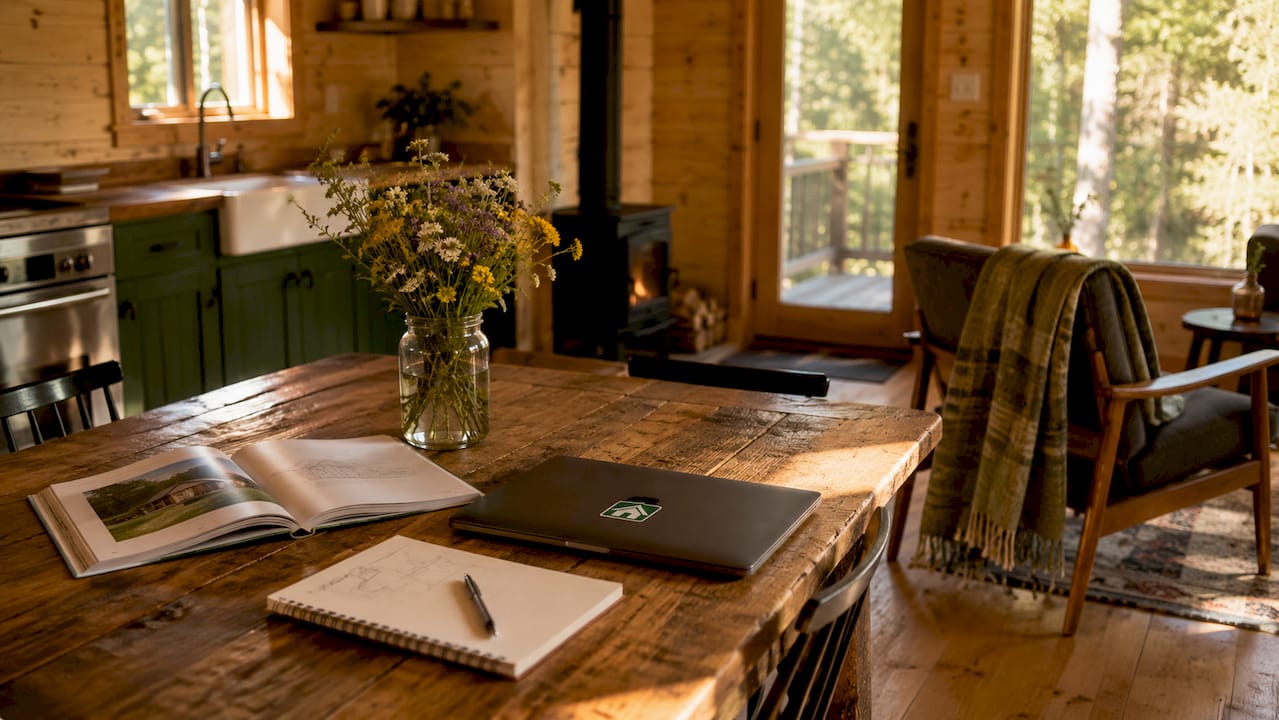
Natural light is the single biggest factor in how a cabin feels to use every day. At least 15% of the floor area should be south-facing glazing to maximise daylight and passive warmth. Clerestory windows and loft glazing add brightness without sacrificing wall space, which is especially useful in compact designs. You can read more about this in Logcabinkits’ guide to south-facing window placement.
Here are the key principles worth building your layout around:
- Wet zone grouping. Bathrooms, kitchens, and utility areas share plumbing. Keeping wet zones together reduces pipe runs and avoids expensive reframing later.
- Site orientation. Large windows facing south capture winter sun. North-facing walls suit bathrooms and storage where smaller openings are fine.
- Transitional spaces. Even a small mudroom of around 4x6 feet adds real daily livability, keeping mud, boots, and outdoor gear from entering the main living area.
- Views and outdoor connections. Position your main living area to face the best view or garden aspect. A covered porch or deck access from the kitchen transforms how you use the space across the seasons.
Pro Tip: Before drawing a single line, stand in your garden at different times of day and note where the sun falls. That observation alone will shape your window placement and room orientation more than any software tool.
Custom plans vs pre-drawn plans: which suits your project?
This is the question most backyard cabin planners wrestle with, and the honest answer depends on your site and your budget.
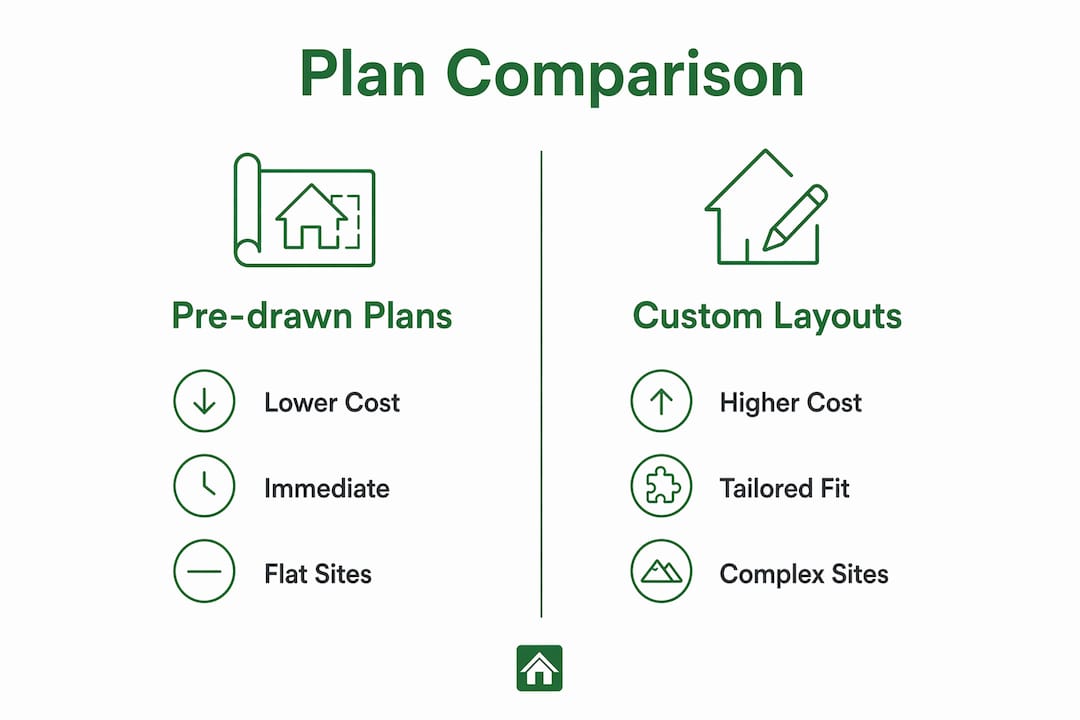
Pre-drawn stock plans cost between £400 and £2,000 and are available immediately. They work well on flat, straightforward plots where the standard dimensions fit without much adjustment. The downside is that modifying a stock plan to suit an unusual site often costs more in revisions than a custom design would have from the start.
Custom architectural layouts typically carry design fees of around 8 to 12% of construction costs and require three to six months before construction begins. On a complex or sloped plot, that upfront investment pays back quickly by avoiding expensive on-site problem-solving.
| Factor | Pre-drawn plan | Custom layout |
|---|---|---|
| Upfront cost | Lower (£400 to £2,000) | Higher (8 to 12% of build cost) |
| Timeline | Immediate | Three to six months |
| Site flexibility | Limited to standard plots | Adapts to any site condition |
| Modification cost | Can be high if changes needed | Included in design process |
| Long-term value | Good for simple sites | Better for complex or sloped sites |
The table makes the tradeoff clear. If your garden is level and rectangular, a well-chosen stock plan is perfectly sensible. If your plot slopes, has mature trees, or has an unusual shape, a custom design is the more practical choice. Logcabinkits specialises in bespoke cabin builds that adapt to exactly these kinds of site conditions.
What mistakes do people make when planning a cabin layout?
Most layout mistakes share a common root: people focus on how the cabin will look before they think about how it will actually be used day to day.
Here are the most common errors, in the order they tend to happen:
-
Choosing aesthetics before utility systems. Finalising the visual layout before planning plumbing and electrics risks having to redo framing and reposition walls once the builder arrives. Plumbing, heating, and electrical routes need to be part of the initial design conversation, not an afterthought.
-
Ignoring traffic flow. Poor room adjacency creates friction every single day. A bedroom that opens directly onto the kitchen, or a bathroom accessible only through the main living area, will irritate you far more than you expect.
-
Underestimating storage. Cabins without built-in storage quickly feel cluttered. Multi-purpose furniture and built-in shelving reclaim space that would otherwise be lost to freestanding units.
-
Skipping outdoor connections. Indoor-outdoor flow is one of the biggest contributors to cabin enjoyment. A layout that treats the garden as an afterthought misses the whole point of a backyard building.
-
Not planning for light early enough. Window placement is structural. Moving a window after framing is expensive. Decide on your glazing strategy before anything else is fixed.
Pro Tip: Walk through your intended daily routine mentally before you finalise anything. Wake up, make coffee, work, eat, relax. If any of those movements feel awkward on paper, they will feel worse in real life.
How to plan a custom cabin layout step by step
Good cabin layout planning follows a clear sequence. Starting with site positioning, then footprint, then windows, and finally interior layout is the approach used by experienced designers, and it works just as well for a backyard project as it does for a full build.
Here is a practical process you can follow:
- Write a needs list first. Note every room or zone you want, along with a rough minimum size. Be honest about how you will actually use the space rather than how you imagine you might.
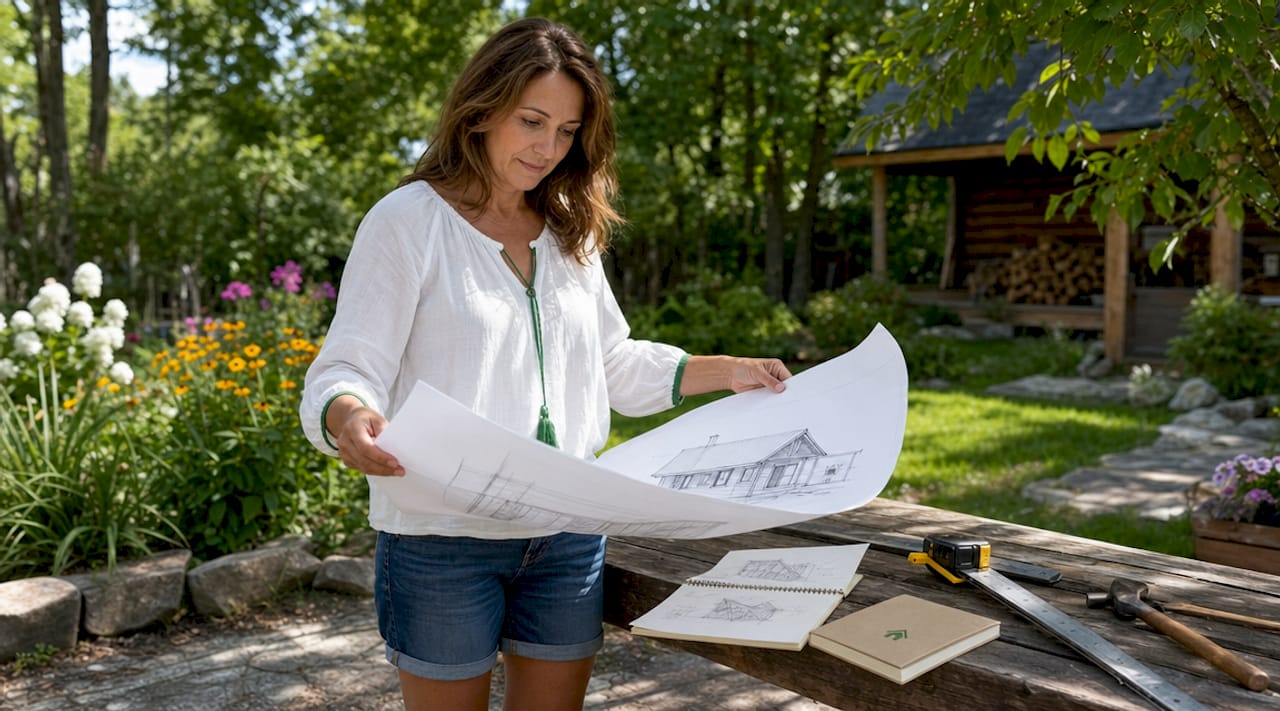
- Sketch before you use software. A rough pencil sketch on graph paper forces you to think about proportions and adjacency before digital tools make everything look polished and final.
- Use a cabin configurator to test ideas. Online floor plan tools and 3D configurators let you move walls and windows without any commitment. Logcabinkits offers bespoke design support that takes this process further.
- Map your daily movement. Trace the path from the entrance to the kitchen, from the kitchen to the outdoor space, from the bedroom to the bathroom. Friction in those routes is worth eliminating at the design stage.
- Plan for sloped sites vertically. Stepped or multi-level designs anchored into a hillside turn a topographical challenge into a design feature. Building upward rather than outward can actually reduce groundwork costs.
- Prioritise indoor-outdoor connections. A covered porch, a wide sliding door from the kitchen, or a deck off the main living area all extend the usable space of the cabin without adding to the footprint.
The table below shows how room size and function interact in a typical compact cabin layout:
| Room or zone | Suggested minimum size | Key design consideration |
|---|---|---|
| Main living area | 16 to 20 sq metres | Open plan, south-facing glazing |
| Kitchen | 6 to 8 sq metres | Adjacent to outdoor cooking or dining area |
| Bathroom or wet room | 3 to 4 sq metres | Group with other wet zones to share plumbing |
| Mudroom or entry | 2 to 3 sq metres | Positioned at main entrance, near storage |
| Sleeping area or loft | 8 to 12 sq metres | Quieter end of plan, away from main living |
A well-organised smaller cabin consistently outperforms a larger but poorly planned one in terms of comfort and daily usability. That is worth remembering when you feel tempted to add extra square footage rather than refining what you already have. For inspiration on connected multi-room designs, Logcabinkits has a helpful guide on designing multi-room cabins.
Key takeaways
A well-planned custom cabin layout delivers more comfort and usability than a larger, poorly organised space ever will.
| Point | Details |
|---|---|
| Start with site and sun | Orient your main living area and largest windows to face south before fixing any other element. |
| Group wet zones early | Plan plumbing runs together from the start to avoid costly reframing during the build. |
| Custom beats stock on complex sites | Pre-drawn plans suit flat plots; custom layouts pay back their design fees on sloped or unusual sites. |
| Small and organised wins | A compact, well-planned cabin outperforms a larger but poorly laid-out one in everyday comfort. |
| Outdoor flow matters | Connect your main living area to the garden through covered porches or wide doors to extend usable space. |
Why I think most people plan their cabin in the wrong order
I have spoken with a lot of people who come to Logcabinkits having already sketched out their ideal interior. They know which wall the sofa goes against and where they want the kitchen units. What they have not thought about is where the sun rises over their garden, or whether their plot slopes toward the back fence, or where the nearest drainage point sits.
The interior is the last thing you should design, not the first. In my experience, the cabins people are most pleased with are the ones where the owner spent real time outside first. They watched the light. They noted the view. They thought about how they would walk from the back door to the cabin on a wet Tuesday morning in November.
Utility planning is the other area where I see people come unstuck. It feels boring compared to choosing cladding colours or window styles, but mapping wet zones and mechanical routes early in the process is what separates a cabin that works from one that causes headaches for years. Moving a soil pipe after framing is not a small job.
The good news is that none of this is complicated. It just requires doing things in the right order. Start outside. Work inward. Fix the practical constraints before you get creative with the details. That sequence will serve you far better than any design trend or clever feature ever could.
— Martin
Plan your bespoke cabin with Logcabinkits
If you are ready to move from ideas to a real layout, Logcabinkits makes the process straightforward. The range of garden log cabins covers everything from compact single-room retreats to fully bespoke multi-room builds, all designed to fit your specific plot and requirements.
Every cabin in the range can be tailored to your site, with adjustments to dimensions, window positions, door placement, and internal configuration. Logcabinkits also offers fully bespoke custom builds with free UK delivery and a quality guarantee on all timber. Whether you have a clear plan already or you are still at the sketch stage, the team is happy to help you work through the options and find a layout that genuinely fits your garden and your life.
FAQ
What is a custom cabin layout?
A custom cabin layout is a bespoke floor plan designed specifically for your site, lifestyle, and practical requirements. Unlike a pre-drawn stock plan, it adapts room sizes, window positions, and utility routes to suit your exact plot conditions.
How much does a custom cabin layout cost?
Custom architectural design fees typically run at 8 to 12% of construction costs, compared to £400 to £2,000 for a pre-drawn plan. On complex or sloped sites, the custom fee pays back by avoiding expensive on-site modifications.
What is the best layout for a small backyard cabin?
An open-plan design combining kitchen, dining, and living into one connected space works best for compact cabins. Grouping wet zones, adding a small mudroom at the entrance, and maximising south-facing glazing all improve comfort without increasing the footprint.
How do I plan the layout for a sloped garden?
Stepped or multi-level cabin designs anchored into the slope are the most practical solution for uneven ground. Building vertically rather than cutting into the hillside reduces groundwork costs and can create a more interesting finished design.
Should I plan utilities before or after the room layout?
Always plan utilities before finalising your room layout. Plumbing, heating, and electrical routes need to be fixed early so that wet zones can be grouped efficiently and walls positioned to avoid costly reframing once construction begins.