
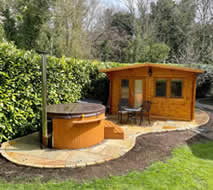
Garden playrooms: Transform outdoor spaces for children
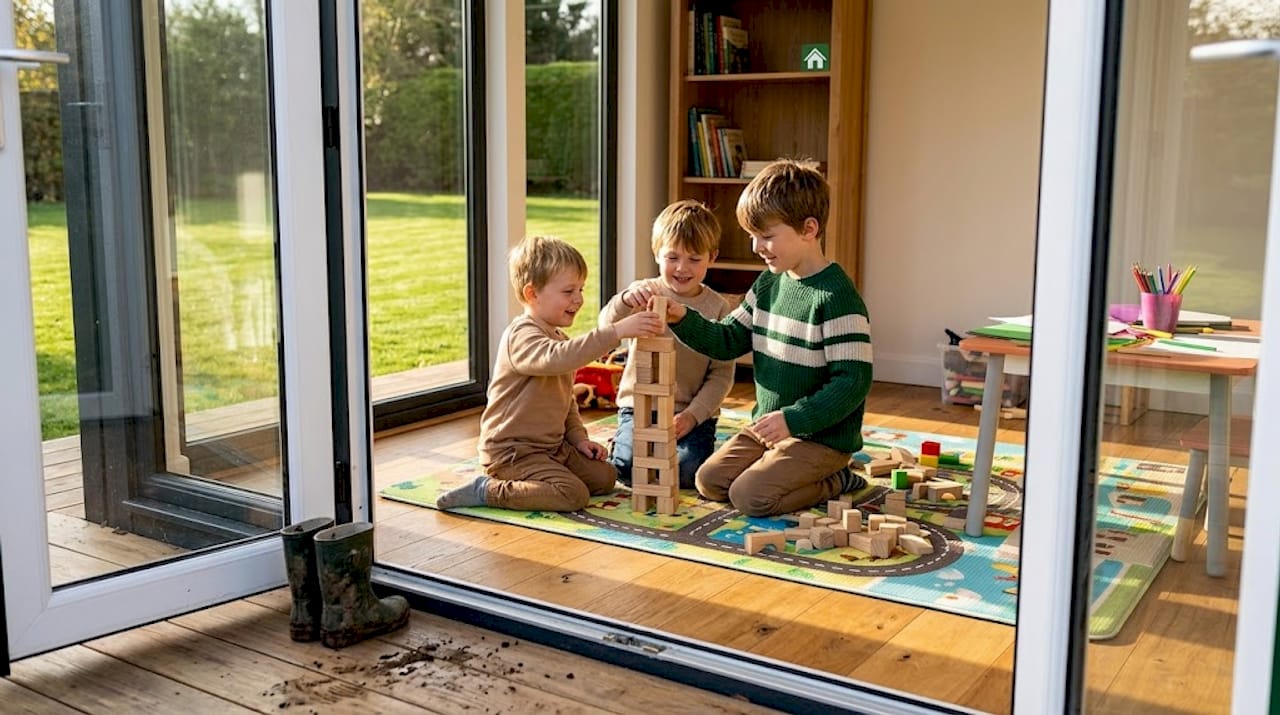
TL;DR:
- A purpose-built, insulated garden playroom transforms outdoor spaces into all-year-use family areas, enhancing value and independence. Proper design, insulation, and long-term planning ensure the space remains attractive and functional through UK weather variability. Investing in a tailored log cabin creates a versatile and durable family asset that adapts to evolving children’s interests.
There’s a widespread idea that garden play spaces in the UK are only useful for a few sunny months a year. Rain arrives, temperatures drop, and the garden becomes somewhere children simply avoid. But a properly designed garden playroom changes that entirely. It’s not a plastic playhouse that leaks in October. It’s a purpose-built, insulated space that gives your children somewhere genuinely exciting to be, whatever the weather is doing outside. This guide walks you through everything you need to know: what a garden playroom actually is, why families are investing in them, how to handle the UK climate, and how to plan something your children will love for years to come.
Table of Contents
- What is a garden playroom?
- Top benefits of garden playrooms for families
- How UK weather affects garden playrooms
- Planning, design, and installation: What you need to know
- Why most garden playrooms fall short of their potential
- Create your ideal garden playroom with bespoke log cabins
- Frequently asked questions
Key Takeaways
| Point | Details |
|---|---|
| Versatile, year-round space | A garden playroom offers flexible, all-season use for play, learning, and family activities. |
| Boosts property value | Investing in a quality playroom can increase home resale value by up to 15 percent. |
| Weatherproofing is key | Proper insulation ensures the playroom is comfortable and usable even in UK winters. |
| Plan for your family’s needs | Custom design features make the space relevant as children grow and interests change. |
What is a garden playroom?
With so many families rethinking how their outdoor space works for children, it’s worth being clear about what a dedicated garden playroom actually involves.
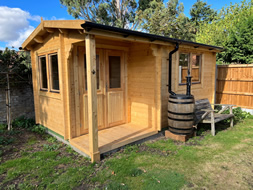
A garden playroom is a purpose-built structure, separate from the main house, designed specifically around children’s needs. It’s not a storage shed that’s been cleared out. It’s not a cheap plastic playhouse from a catalogue. It’s a proper building, typically a wooden cabin or log cabin, with real weatherproofing, insulation, and interior features that make it genuinely usable throughout the year.
The most popular forms include:
- Classic insulated log cabins with child-friendly interiors, bright décor, and practical flooring
- Multi-use garden rooms that serve as play spaces now and can adapt into hobby rooms or home offices later
- Themed playhouses designed around a child’s specific interests, from adventure dens to art studios
- Combined family spaces where one zone suits the children and another offers a relaxed seating area for parents
The benefits of a garden room extend well beyond play. These structures genuinely expand the usable footprint of your home without the cost and disruption of a traditional extension. In fact, garden rooms cost £5,000 to £30,000+ depending on size and specification, which puts them well below the typical cost of a home extension, while still adding 5 to 15% to your property value. That’s a meaningful return on investment, even before you consider how much use your family actually gets out of the space.
Key features that separate a garden playroom from ordinary garden buildings include safety-first design (smooth edges, non-toxic materials, stable structures), effective insulation for year-round comfort, and enough flexibility in the layout to grow with your children’s changing interests.
Top benefits of garden playrooms for families
Once you know what a garden playroom is, it’s worth understanding why so many UK families are making the investment right now.
The core appeal is simple: it gives children their own space. Not a corner of the living room. Not a bedroom that doubles as a play area. A proper, dedicated space that belongs to them. That has real effects on how independently and confidently children play.
Here’s a quick overview of how garden playrooms compare to the alternatives:
| Feature | Garden playroom | Indoor play area | Standard garden toys |
|---|---|---|---|
| Year-round use | Yes (with insulation) | Yes | No |
| Property value boost | 5 to 15% | Minimal | None |
| Child independence | High | Moderate | Variable |
| Weather protection | Full | Full | None |
| Adaptability as kids grow | High | Low | Low |
| One-off investment | Yes | Partial | Ongoing |
The advantages stack up quickly:
- Safe, independent play within sight of the house, giving children freedom while keeping parents relaxed
- Year-round use that transforms the garden from a seasonal afterthought into a genuine family asset
- Property value gains that make the spend feel much more justifiable
- Lower cost than extensions, making this accessible to a wider range of budgets
- Creative freedom in design, so the space can genuinely reflect your children’s personalities and interests
Understanding how garden cabins add value is particularly useful if you’re thinking about the long game. Buyers increasingly look for versatile outdoor spaces, and a well-built garden playroom ticks that box clearly. The garden room benefits go well beyond the children’s enjoyment in the short term.
Pro Tip: Think about how the space will function in five years, not just now. A five-year-old who loves a themed pirate den will become a ten-year-old who wants a quiet space for reading or gaming. Building in flexibility from the start means you won’t need to reinvest just because your children’s tastes have changed.
How UK weather affects garden playrooms
Many UK parents worry about whether they’ll get real value from a garden playroom once autumn arrives. It’s a fair concern. The British climate is not exactly predictable, and a space that only gets used from May to September isn’t much of an investment.
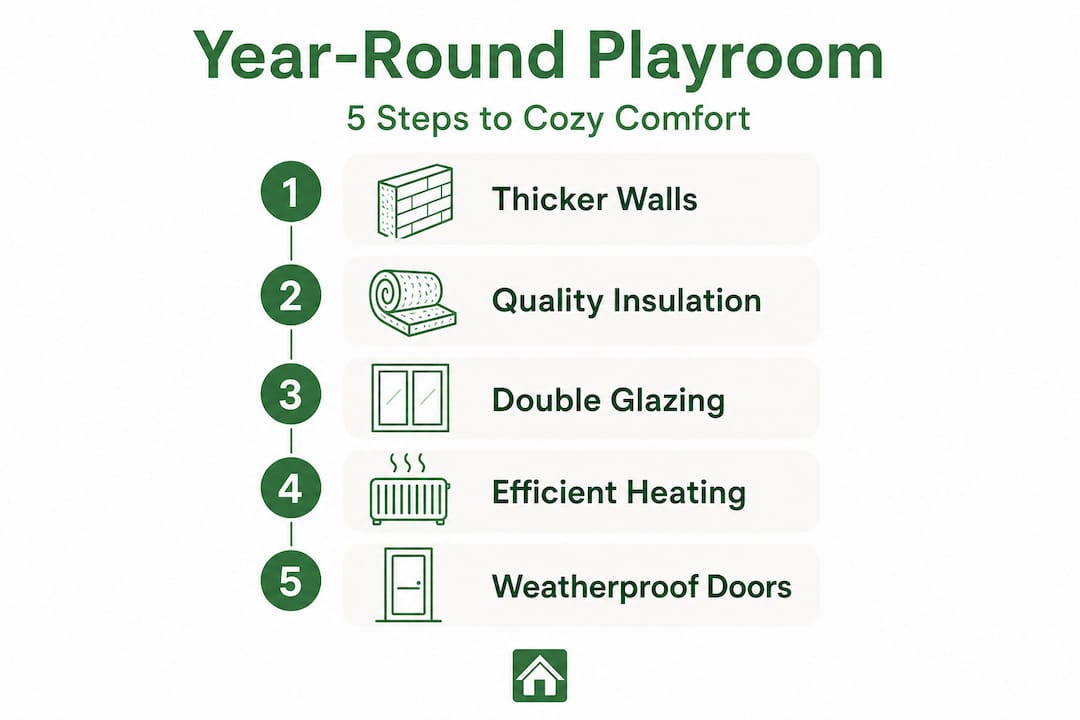
The honest answer is that insulation and heating make all the difference. An uninsulated wooden cabin will feel cold and damp from October onwards, and children won’t want to spend time in it. But a properly insulated garden playroom, with a simple electric heater or even underfloor heating, stays comfortable even in January.
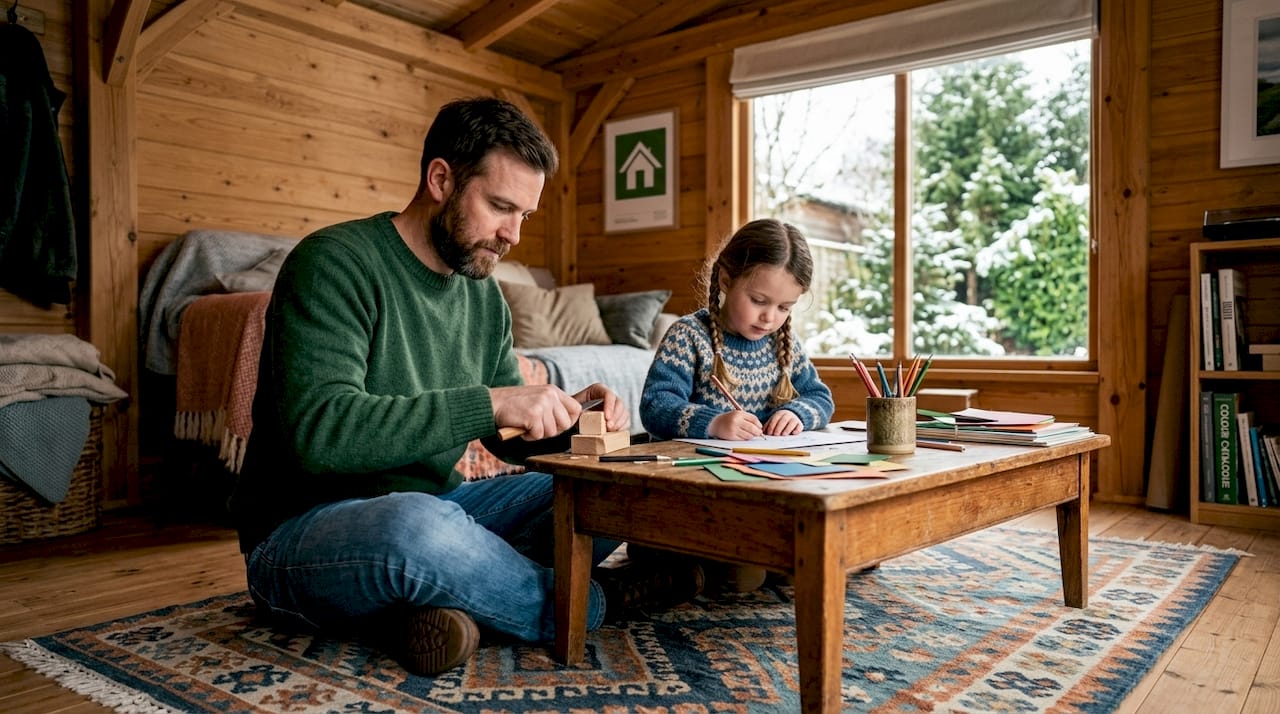
Here’s a clear comparison between the main options UK families tend to consider:
| Option | Durability | Year-round comfort | Upfront cost | Long-term value |
|---|---|---|---|---|
| Insulated log cabin playroom | Excellent | Yes | £8,000 to £30,000+ | High |
| Basic wooden playhouse | Moderate | No | £500 to £3,000 | Low |
| Polytunnel play space | Poor | No | £200 to £1,500 | Very low |
| Indoor play area (home) | N/A | Yes | Varies | Moderate |
“While ideal for engagement, UK weather may limit winter use without full insulation. Cheaper polytunnel alternatives exist, but lack durability and consistent comfort across seasons.”
That contrast says a lot. A polytunnel might seem like a budget-friendly shortcut, but it won’t survive a few UK winters in the same condition it started. It’s also unlikely to feel inviting in cold or wet weather. An insulated garden playroom, on the other hand, is a building that functions properly all year.
Learning about weatherproof garden rooms and understanding the detail behind insulating a garden playroom will help you make a much more informed decision before you commit to anything.
Pro Tip: When choosing a cabin, ask specifically about the wall thickness and insulation rating. A 44mm log cabin wall is a reasonable starting point, but 70mm or above will give you noticeably better thermal performance throughout winter months.
Planning, design, and installation: What you need to know
Thinking about the UK weather naturally leads into the planning phase. Getting the design and setup right from the start saves you headaches later, and it makes sure the space actually delivers what your family needs.
Here’s a straightforward step-by-step approach to planning your garden playroom:
- Assess your needs. Think about how many children will use the space, their ages, and what activities you want to support. Art? Active play? Reading? Imaginative games? The answers shape the size and interior layout.
- Set a realistic budget. As noted, garden playrooms range from £5,000 to £30,000+ depending on size and specification. Factor in groundwork, installation, and any interior fittings.
- Choose your design. A standard cabin works well for many families, but a bespoke design lets you really personalise the space. Look at garden building design trends for inspiration before you decide.
- Check permissions. Most garden playrooms fall under permitted development, meaning you won’t need full planning permission. But it’s always worth checking. Read up on planning permission for a garden cabin before you proceed.
- Plan your insulation. This is the step most people underestimate. Proper insulation isn’t just about comfort. It also protects the structure and reduces damp. A full guide to insulating a garden building covers everything you need to know.
- Install with care. Whether you’re using a professional installer or doing it yourself with a kit, make sure the base is solid and level. A poorly laid base causes problems with doors, windows, and structural integrity further down the line.
When it comes to the interior, here’s a checklist of features worth including:
- Safe, rounded furniture with no sharp edges
- Practical flooring that’s easy to clean (rubber matting or laminate work well)
- Adequate storage so the space stays tidy and usable
- Good lighting, both natural (windows) and artificial for darker days
- Heating that can be controlled safely and efficiently
- Age-appropriate play tools such as a chalkboard wall, art station, reading nook, or building block area
- Ventilation to keep air fresh and prevent condensation
Taking time over this checklist pays off. A garden playroom that ticks these boxes will actually get used, day in and day out, rather than sitting empty after the initial excitement wears off.
Why most garden playrooms fall short of their potential
Here’s something we see fairly regularly: a family invests in a garden playroom, the children love it for a few months, and then gradually it becomes a place where things are stored rather than where things happen. That’s a real shame, and it’s almost always avoidable.
The most common reason a garden playroom falls short is that it wasn’t built for year-round use. If the space is cold and uninviting from October through to March, that’s nearly half the year when it’s effectively unused. Children won’t choose to play somewhere uncomfortable. Neither would you. Skipping proper insulation and weatherproofing in the name of saving money upfront is, genuinely, a false economy in the UK climate.
The second most common issue is that children weren’t involved in the design. A playroom that reflects a parent’s idea of what children should enjoy, rather than what the actual children in question find exciting, will lose its appeal quickly. Ask your children what they want. Let them choose colours, themes, or at least have some input. That sense of ownership makes a real difference to how much they value and use the space.
The third issue is failing to plan for how the space will evolve. A playroom designed purely around a toddler’s needs becomes awkward and limiting by the time those children are eight or nine. Thinking ahead, even just a few years, and building in some flexibility means the space stays relevant for longer. A reading corner today becomes a homework area in a few years. A creative play zone can grow into a proper hobby space. The cabin itself remains the same. It’s the interior that adapts.
Getting this right from the start is what separates a garden playroom that the whole family loves for a decade from one that becomes a source of mild regret. Being genuinely thoughtful about making the most of a garden room means thinking beyond the first few months of use and planning for the long term from day one.
Create your ideal garden playroom with bespoke log cabins
Having seen what it takes to create a space your children will actually use, here’s how to bring that vision to life.
We specialise in garden log cabins that work brilliantly as family playrooms, and we offer a wide range of sizes, specifications, and layouts to suit different gardens and budgets. If you have something specific in mind, our bespoke log cabin options let you build something truly tailored to your family’s needs.
We offer free delivery across the UK, so there’s no hidden cost to worry about once you’ve chosen your cabin. And if you’re not sure where to start, our garden building inspiration gallery is a great place to see what’s possible before you commit to anything. We’re always happy to help you find the right fit for your space, your children, and your budget.
Frequently asked questions
How much does a garden playroom cost in the UK?
Most garden playrooms cost between £5,000 and £30,000 depending on size, insulation level, and interior features. Simpler cabins sit at the lower end, while fully bespoke builds with high-spec insulation and custom interiors sit at the higher end.
Do I need planning permission for a garden playroom?
Many garden playrooms are permitted under permitted development rights, meaning no formal planning permission is required. However, rules vary depending on your location and the size of the structure, so it’s always worth checking with your local authority before you start.
Can a garden playroom be used year-round in the UK?
Yes, with the right insulation and a suitable heating solution, a garden playroom can be comfortable and genuinely usable throughout the year. Without insulation, UK weather may limit winter use significantly, so it’s a key consideration during the planning stage.
Will a garden playroom add value to my property?
A well-designed garden playroom can add 5 to 15% to your property’s value. Buyers increasingly value versatile outdoor structures, and a properly built playroom is an attractive feature for families looking to move in.
Recommended
- How A Garden Building Transforms Your Outdoor Space - Log Cabin Kits To Buy Online
- Transform Your Garden With A Log Cabin Recreational Room - Log Cabin Kits To Buy Online
- Multi-Room Garden Cabins: Your Backyard Upgrade - Log Cabin Kits To Buy Online
- Create A Summer Playroom With A Log Cabin - Log Cabin Kits To Buy Online