
Why natural light matters in cabins: a practical guide
TL;DR:
- Natural light improves sleep, mood, and energy efficiency in cabins when windows face east or southeast. Measuring above 1000 lux in the morning ensures real circadian benefits, while well-placed views reduce stress and boost wellbeing. Proper shading and window orientation help maintain comfort, reduce energy use, and enhance overall cabin usability.
Natural light is the single most effective tool for improving comfort, mood, and sleep quality in any cabin space. Whether you use your cabin as a home office, a weekend retreat, or a year-round garden room, the way sunlight enters and moves through the space shapes how you feel inside it. Research from JMIR mHealth & uHealth published in 2026 confirms that daytime sunlight above 1000 lux increases total sleep time the following night. That finding alone makes natural light design one of the most worthwhile decisions you can make when planning or upgrading a cabin.
Why natural light matters in cabins for sleep and body clock
Your body runs on a 24-hour internal clock, and natural light is its most powerful reset signal. Scientists call this a “zeitgeber,” which simply means a time cue. Morning sunlight tells your brain it is daytime, which sets off a chain of hormonal changes that keep you alert during the day and sleepy at night.
The practical impact of this in a cabin is significant. A 2026 study found that each extra hour above 1000 lux during the day adds 10.67 minutes of sleep the following night. That might sound modest, but across a week of cabin stays it adds up to over an hour of extra sleep. For anyone using a cabin as a retreat or a place to recharge, that is a meaningful difference.
Timing matters just as much as brightness. Morning bright light phase-advances the circadian clock by roughly two hours, helping you feel alert earlier and fall asleep at a sensible time. Evening light does the opposite. It delays your body clock, which can push back sleep onset and reduce sleep quality. The same 2026 research from Scientific Reports found that prolonged evening light combined with shortened sleep reduces the morning light benefit significantly.
Here is what this means for your cabin:
- Prioritise east or southeast-facing windows to catch morning light as soon as the sun rises
- Avoid large west-facing glazing in sleeping areas, as late afternoon sun delays the body clock
- Use blinds or curtains in the evening to block artificial and residual natural light after sunset
- Aim for bright, unshaded daylight during morning hours rather than relying on lamps
Pro Tip: Use a simple lux meter app on your smartphone to check whether your cabin’s main windows are delivering above 1000 lux during the morning hours. If they are not, repositioning furniture or trimming overhanging trees can make a real difference.
How sunlight affects your mood and mental wellbeing in a cabin
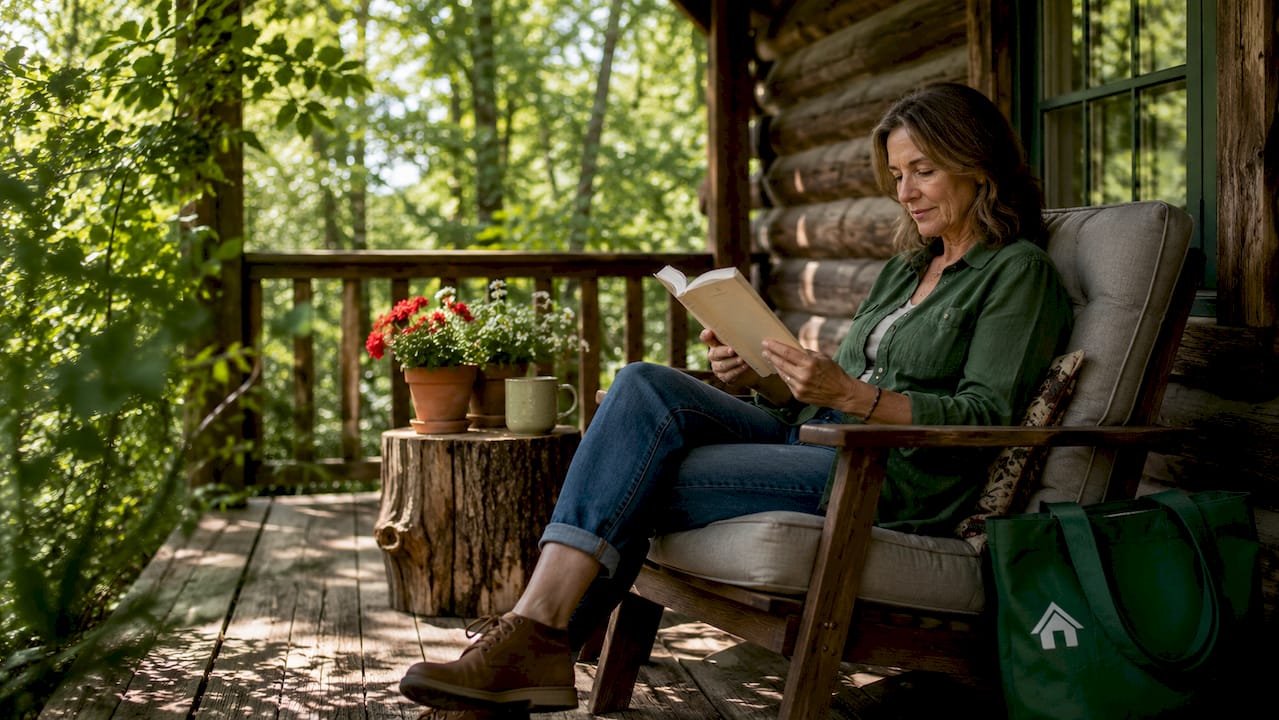
The psychological benefits of natural light in cabins go well beyond sleep. Daylight exposure supports cognitive performance, reduces stress, and lifts mood in ways that artificial lighting simply cannot replicate.
A 2026 study published in MDPI Buildings found that unobstructed window views significantly enhance psychological wellbeing and reduce stress in building occupants. The research highlights that windows serve two roles at once. They bring in light, and they provide a visual connection to the outside world. Both matter.
For cabin owners, this means the view from your window is not just a nice bonus. It is a genuine contributor to how relaxed and focused you feel inside. A window that frames trees, a garden, or a stretch of lawn delivers measurable stress recovery benefits that a blank wall simply cannot. Research from MDPI Buildings confirms that visual connection to natural elements such as trees or a lake is a key factor in improving occupant mood.
The benefits of good daylight design in a cabin include:
- Reduced feelings of stress and mental fatigue during the day
- Improved concentration, making the cabin more effective as a workspace
- A stronger sense of connection to the garden and surrounding environment
- Better mood regulation, particularly during shorter winter days
If you want to understand more about how these benefits translate into real cabin design, the Logcabinkits guide on natural light and wellbeing covers this in practical detail.
Balancing daylight with glare and heat in cabin design
More glass does not always mean a better cabin. This is one of the most common mistakes cabin owners make, and it is worth understanding before you commit to a design.
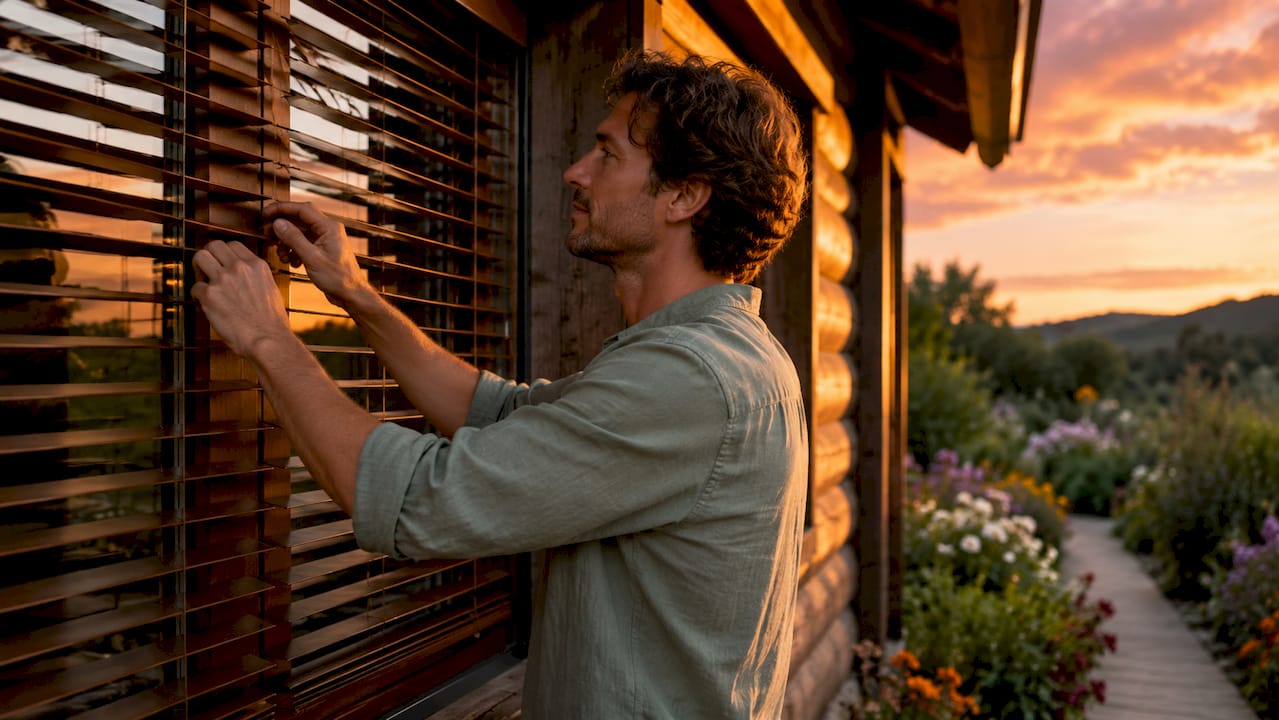
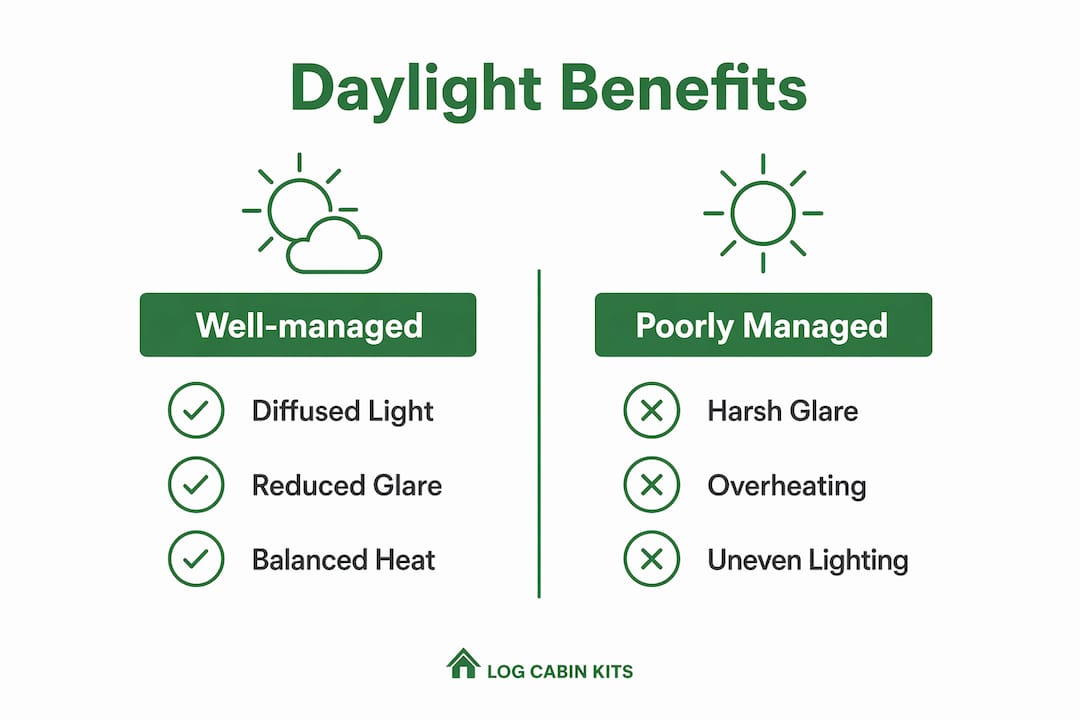
Passive solar daylighting, as defined by Passive Solar Architecture, is the practice of designing buildings to use sunlight for illumination and warmth without causing overheating or glare. The distinction between useful daylight and unwanted solar heat gain is central to this approach. Daylighting must be controlled because excessive direct sunlight causes glare, overheating, and uneven lighting across the space.
The table below shows the key differences between well-managed and poorly managed daylight in a cabin:
| Factor | Well-managed daylight | Poorly managed daylight |
|---|---|---|
| Glare | Diffused light, no harsh reflections | Direct sun on screens and work surfaces |
| Temperature | Stable and comfortable year-round | Overheating in summer, cold in winter |
| Light distribution | Even across the cabin interior | Bright patches and dark corners |
| Sleep impact | Supports circadian rhythm | Disrupts body clock with evening light |
| Energy use | Reduces need for artificial lighting | May increase cooling or heating demand |
The solution is not fewer windows. It is smarter windows. Passive solar design integrates orientation, thermal mass, insulation, shading, and ventilation together. Each element works with the others to keep the cabin comfortable across all seasons.
Overhangs are one of the most practical tools here. A correctly sized overhang above a south-facing window blocks high summer sun while allowing lower winter sun to enter. This keeps the cabin cool in July and warm in January without any moving parts or running costs.
Pro Tip: When specifying glazing for your cabin, ask about low-emissivity (low-e) glass. It lets daylight through while reducing heat transfer, which means you get the light benefits without the temperature swings.
Practical design tips to get the most from natural light
Getting the most from sunlight in your cabin comes down to a handful of specific decisions made early in the design process. These are not complicated, but they do require some thought.
- Orient east or southeast for morning light. East-facing glazing captures the early daylight that sets your body clock for the day. This is the most circadian-effective window position you can choose.
- Use smaller, well-placed windows rather than large unshaded ones. Excessive window size without shading causes glare and overheating. A well-positioned 900mm x 1200mm window with a shallow overhang often outperforms a full-width glazed wall.
- Plan a daylight ramp after waking. Research from Scientific Reports supports the idea of a gradual increase in morning light exposure to improve circadian entrainment. East windows in a bedroom or living area deliver this naturally.
- Measure in lux, not impressions. Using quantitative daylight thresholds rather than subjective assessments is the most reliable way to evaluate whether your cabin’s windows are delivering circadian benefits. Aim for periods above 1000 lux during morning hours.
- Frame outdoor views deliberately. Position windows to capture trees, planting, or water features rather than fences or walls. The view from the window contributes directly to stress recovery and mood.
The table below gives a quick reference for window orientation and its primary benefit:
| Window orientation | Primary benefit | Best use in cabin |
|---|---|---|
| East | Morning circadian light | Bedroom, living area |
| Southeast | Morning light with some afternoon warmth | Main living space |
| South | Winter solar gain and daylight | Sitting room, workspace |
| West | Afternoon warmth and evening light | Avoid in sleeping areas |
| North | Consistent, diffused daylight | Studio, art space, office |
For more detail on positioning and window placement, the Logcabinkits article on cabin window positioning is a good next step.
Natural light, energy use, and sustainable cabin design
Good daylight design does more than improve how you feel. It reduces how much energy your cabin uses, which matters both for running costs and for environmental impact.
Replacing artificial lighting with natural daylight during daytime hours cuts electricity demand directly. A well-lit cabin that relies on daylight from 7am to 5pm needs far less from the grid than one that depends on ceiling lights throughout the day. Passive solar principles take this further by using the sun’s warmth to reduce heating demand in winter, without causing overheating in summer.
Key sustainability benefits of natural light design in cabins include:
- Lower electricity bills from reduced artificial lighting use
- Reduced heating demand through passive solar gain in cooler months
- Less reliance on mechanical cooling when shading and overhangs are correctly sized
- A smaller carbon footprint over the lifetime of the building
Solar power is a natural complement to good daylighting design. If your cabin already captures morning light effectively through east-facing glazing, adding a solar panel to the roof extends that energy independence further. The Logcabinkits guide on adding solar power explains how to combine both approaches for a greener cabin setup.
Key takeaways
Natural light in cabins directly improves sleep, mood, and energy efficiency when windows are oriented, sized, and shaded with intention rather than guesswork.
| Point | Details |
|---|---|
| Morning light is most valuable | East or southeast windows deliver circadian-effective light that improves sleep and alertness. |
| Measure daylight in lux | Aim for periods above 1000 lux in the morning to gain measurable sleep benefits. |
| Views matter as much as light | Unobstructed views of natural elements reduce stress and support cognitive performance. |
| Bigger windows are not always better | Oversized glazing without shading causes glare and overheating; smaller, well-placed windows perform better. |
| Daylight design saves energy | Passive solar daylighting reduces artificial lighting and heating demand across the year. |
What I have learned from watching homeowners get this wrong
I have seen a lot of cabin projects over the years, and the same mistake comes up again and again. Someone invests in a beautiful cabin, fits a large glazed wall facing west or south, and then spends every summer afternoon with the blinds shut because it is too bright and too hot to sit in comfortably. The cabin they built for relaxation becomes a space they avoid during the best hours of the day.
The irony is that the fix is usually simpler than people expect. It is not about spending more on glass. It is about thinking carefully about which direction the sun travels across your garden, and placing windows to catch the right light at the right time. A modest east-facing window in a bedroom will do more for your sleep quality than a full-width south-facing glazed wall ever could.
What the 2026 research from JMIR mHealth & uHealth confirmed for me is something I had observed in practice for years. Daytime light quality genuinely changes how people sleep and feel. That is not a soft benefit. It is a measurable, physiological outcome that you can design for from the start. The cabins that get this right are the ones people actually use, year-round, without regret.
If you are planning a cabin now, spend as much time thinking about window orientation as you do about size or style. It will be the decision you are most glad you made.
— Martin
Find a cabin designed to make the most of natural light
At Logcabinkits, every cabin in our range can be tailored to suit your garden’s orientation and your lifestyle. Whether you want a compact retreat with carefully placed east-facing windows or a larger bespoke garden log cabin with passive solar design built in from the start, we can help you get it right. Our custom build options mean you are not stuck with a standard layout. You choose the window positions, the glazing, and the shading details that suit your space. Good daylight design does not have to be complicated. We make it straightforward.
FAQ
How does natural light improve sleep in a cabin?
Each additional hour of daytime sunlight above 1000 lux increases total sleep time by 10.67 minutes the following night, according to a 2026 JMIR mHealth & uHealth study. Morning light is the most effective, as it phase-advances the circadian clock by up to two hours.
Which direction should cabin windows face for the best light?
East or southeast-facing windows deliver the most circadian-effective morning light. South-facing windows are best for passive solar warmth in winter, while west-facing glazing in sleeping areas should be avoided as it delays the body clock.
Can too much natural light cause problems in a cabin?
Yes. Excessive direct sunlight without shading causes glare, overheating, and uneven light distribution. Passive solar daylighting principles recommend combining well-oriented windows with overhangs, shading, and low-emissivity glazing to manage these effects.
Do window views affect wellbeing as well as light levels?
Research published in MDPI Buildings in 2026 confirms that unobstructed views of natural elements such as trees or water significantly reduce stress and support cognitive performance, independent of light levels alone.
How can I tell if my cabin gets enough natural light?
Use a lux meter or a smartphone lux app to measure light levels during morning hours. Periods above 1000 lux are the threshold linked to measurable sleep and circadian benefits in the 2026 JMIR research.