
800mm Rule: Specify Laminated Security Glass for UK Garden Rooms
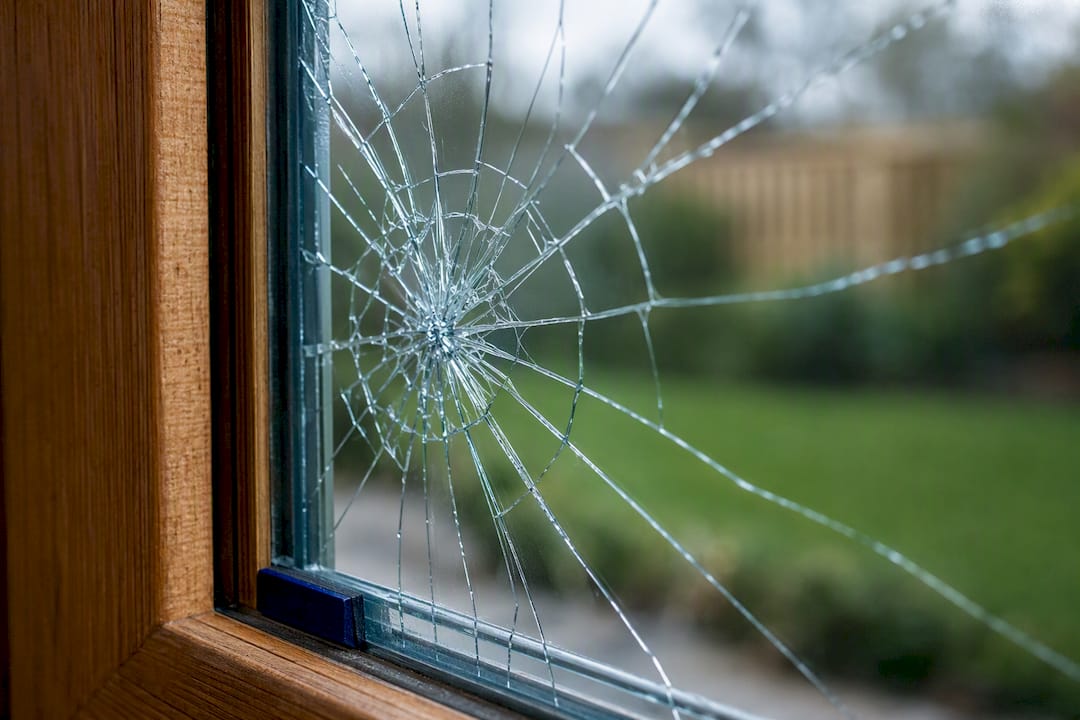
Laminated safety glazing is the best choice for security glass garden rooms, because it holds together when someone tries to break in. Toughened safety glass still has its place, mainly where the rules say a pane must break safely rather than resist attack, and the two are often combined in one door or window. LogCabinKits can specify and fit the right mix for your bespoke timber cabin.
TL;DR:
- Laminated glass offers superior security because it remains intact in the frame after impact, making breaching more difficult than with toughened glass.
- UK safety regulations require safety glass within 800mm of the floor, in doors, sidelights, and specific roof areas, which laminated glass can fulfill while enhancing security.
- Using laminated glass for windows and doors significantly deters opportunistic intruders, especially when combined with secure frame fixing and tamper-resistant beads.
- Proper installation is critical; internally fitted beads, factory-sealed units, and reinforced door hardware prevent intruders from levering out the glass.
- Incorporating security features such as security film or sensors complements laminated glazing and provides additional safety against forced entry.
Table of Contents
- Why laminated glazing is the better choice for security
- What does UK law say about safety glazing in garden rooms?
- How do I choose the right glazing for my garden cabin?
- Frame, fixing and installation: the part people forget
- Do I need anything else beyond security glass?
- Martin’s perspective: the mistakes I see homeowners make
- Get bespoke security glazing built into your garden cabin
- Essential reading: regulations and technical guidance
- Sources
- FAQ
Why laminated glazing is the better choice for security
Laminated glass is made from two or more panes of glass bonded together with a tough plastic layer in the middle. Hit it with a hammer, a brick, or a shoulder, and the glass cracks, but the plastic layer holds the pieces in place. There’s no hole to climb through. That’s what makes laminated glass genuinely resistant to forced entry, rather than just tough.
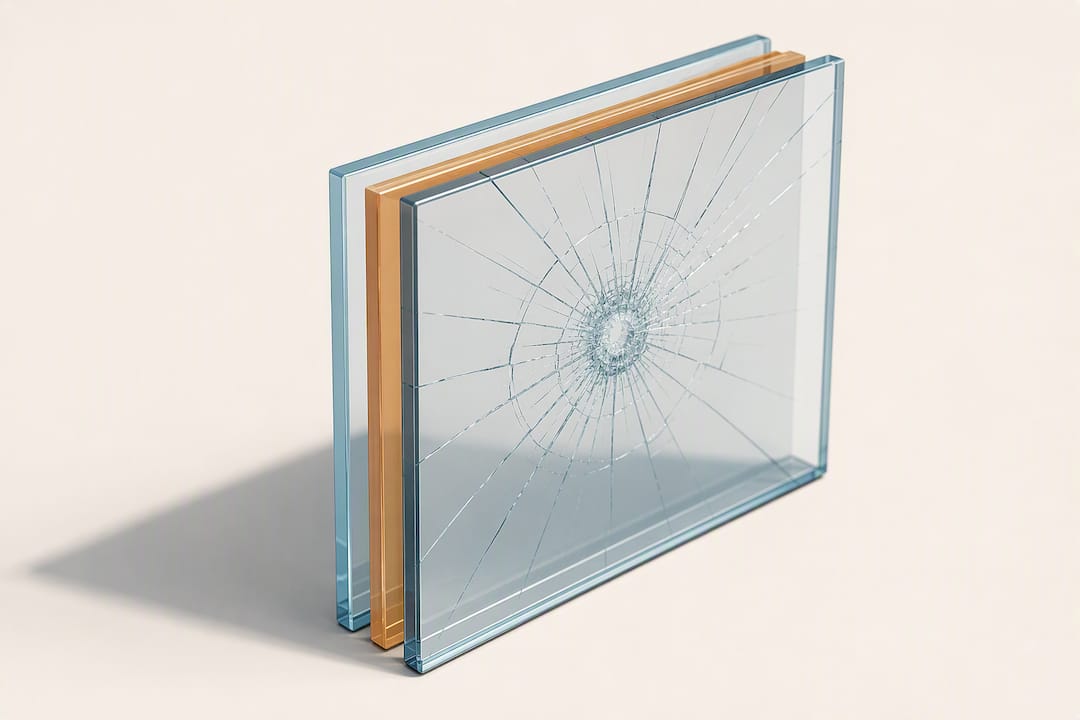
Toughened glass works differently. It’s heat treated so that when it breaks, it shatters into small, blunt pieces instead of dangerous shards. That’s brilliant for safety, protecting anyone who might fall against it, but not so brilliant for security. Once it’s broken, there’s a gap, and gaps let people in.
Pro Tip: Don’t assume “toughened” means “secure.” It means “safe when broken.” Those are two different jobs, and only one of them stops a burglar.
Here’s how the two compare for a garden room:
- Laminated glass: cracks but stays in the frame, harder to breach quickly, better sound insulation
- Toughened glass: breaks into small pieces, cheaper, required in certain safety locations
- Mixed units: toughened on the outside, laminated on the inside, often used for doors
Cost matters too. Laminated glass typically costs more than standard toughened panes of the same size, but for a garden office holding a laptop and a camera bag, that difference is small next to the loss from a break in. If your cabin sits near a road, an acoustic laminated interlayer can cut down traffic noise as well, and some interlayers filter UV light, which helps protect furniture from fading.
What does UK law say about safety glazing in garden rooms?
Building rules don’t leave glazing to guesswork. Approved Document K and BS 6262 set out where safety glass, either toughened or laminated, is legally required:
- Any pane within 800mm of floor level
- Glass in and around doors, including sidelights next to the door
- Certain overhead or rooflight positions
The good news is that meeting these rules doesn’t mean giving up on security. A laminated pane satisfies the safety requirement and gives you far better resistance to a break in than a basic toughened one. For a full glass door, a common approach is toughened glass on the outer face paired with a laminated inner leaf, which ticks the safety box and still slows down an intruder. When you order your cabin, ask your supplier to confirm the exact safety spec for every single pane, not just the obvious ones like the door.
How do I choose the right glazing for my garden cabin?
Start by thinking about where your cabin sits and who might try to get into it. A garden office tucked behind a locked side gate faces a different risk to one visible from a public footpath or backing onto an alleyway. Most break-ins are opportunistic, someone trying a window because it looks easy, so even a moderate laminated spec puts most casual attempts off.
A few practical rules of thumb:
- Use laminated glass as standard for any window or door that’s easily reached from outside
- Pair toughened outer panes with laminated inner leaves on full glass doors
- Check U-values if the cabin will be heated year round; laminated units can match double glazed performance when specified correctly
- Add acoustic laminate if you’re near a road or want a quiet space to work
- Confirm bead and frame depth with your designer before ordering, because bespoke sizes affect what glass units will physically fit
Pro Tip: Talk to your cabin designer about glazing before you finalise the frame drawings, not after. Bespoke frame depths and bead details limit which glass build-ups will fit, and changing your mind later usually means starting again.
If energy bills matter as much as security, our guide on whether double glazing is worth it in a garden log cabin walks through the thermal side in more detail.
Frame, fixing and installation: the part people forget
Good glass in a badly fitted frame is still a weak point. The timber frame itself needs to be solid, and the glazing beads, the strips of wood that hold the glass in place, must be fitted so they can’t be popped out from outside. That single detail decides whether laminated glass actually does its job.
Here’s what makes a real difference on site:
- Internally fitted or tamper resistant beads, so an intruder can’t simply lever the glass out from the garden side
- Factory sealed insulated glass units rather than glass sealed on site, since factory sealing holds up better over time than a retrofit job
- Multi-point locking on doors, plus reinforced hinges and anti-lift measures, so the frame is as strong as the glass
- A written specification and photos from your installer, showing exactly what glass and fixings went into each opening
If you’re specifying a full glass door for your cabin, our piece on choosing sliding doors for a timber garden room covers the common fitting mistakes worth avoiding.
Do I need anything else beyond security glass?
Glass is one layer of protection, not the whole plan. Security film adds an extra skin to existing panes, internal bars suit high-risk locations, and motion activated lighting or door and window sensors give you an early warning if someone’s trying their luck. Our guide to bespoke security features for garden buildings covers these options if you want to go further than glazing alone.
A short maintenance routine keeps everything working as intended:
- Check seals and beads yearly for gaps or movement
- Test locks and hinges, especially after winter weather
- Look for delamination (cloudy patches) or misting between panes, both signs a unit has failed
- Keep your glazing specification and installation paperwork somewhere safe
Pro Tip: Photograph your glazing specification label (usually etched in a corner of the pane) when the cabin is installed. It’s the quickest way to prove what you had fitted if you ever need to claim on a warranty or insurance policy.
Martin’s perspective: the mistakes I see homeowners make
The biggest mistake is treating “safety glass” and “security glass” as the same thing. They’re not, and that mix-up leaves plenty of garden rooms less protected than the owner thinks. The second is bead fixing on retrofit jobs, where glass gets popped in from outside almost as easily as it went in. A reputable supplier specifies laminated or mixed units as standard on request and documents exactly what’s gone into your cabin. If you want a bespoke recommendation for your build, get in touch and we’ll talk it through.
— Martin
Get bespoke security glazing built into your garden cabin
Standard glazing works for plenty of garden buildings, but if security matters to you, a bespoke specification is where LogCabinKits earns its keep. Our Bespoke Log Cabin Service and Professional Installation Service let you choose laminated glazing, mixed door units, and frame details built around your exact cabin, rather than picking from a fixed catalogue and hoping it fits your needs.
Whether you’re after a full garden office, a larger garden pavilion, or a standard model from our garden log cabins range with upgraded glazing, we’ll work through the safety rules and security options with you before anything gets built. Get in touch with our team for a quote or a specification check, and we’ll make sure the glass in your cabin does more than just let the light in.
Essential reading: regulations and technical guidance
- BRE guidance on security glazing, covering types, tests, and how to match glass to threat
- LogCabinKits’ guide to residential grade windows, for how safety specs get applied in timber frames
Sources
- BRE guidance: Security glazing — types, tests and selection
- Which glass do I need? Decision guide | Clear Sealed Units
FAQ
Is laminated or toughened glass more secure?
Laminated glass is more secure because the plastic interlayer keeps the pane in the frame after impact, rather than leaving a gap. Toughened glass breaks into small pieces for occupant safety, which is exactly why it’s less effective at keeping someone out.
Where does my garden room legally need safety glass?
Under Approved Document K and BS 6262, any pane within 800mm of floor level, glazing in doors and sidelights, and certain rooflights all need toughened or laminated safety glass. A good supplier will confirm this for each pane on your order.
Can I combine security glass with double glazing?
Yes, laminated glass can be built into a factory sealed double glazed unit, so you get thermal performance and security resistance in one pane. It’s worth checking U-values with your supplier if the cabin will be heated all year.
Does LogCabinKits fit security glazing in its cabins?
Yes, LogCabinKits can specify and fit laminated or mixed glazing units through its Bespoke Log Cabin Service, tailored to your cabin’s frame depth and layout. Current pricing depends on your specific design, so it’s best confirmed directly with the team.
How much does security glass add to the cost of a garden room?
There’s no fixed figure, since it depends on pane size, thickness, and whether you choose laminated, toughened, or a mixed unit. It’s best to request a specification and quote directly, since costs vary by cabin size and glazing choice.