
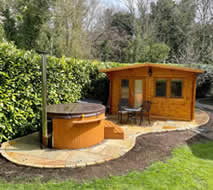
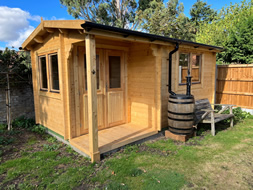
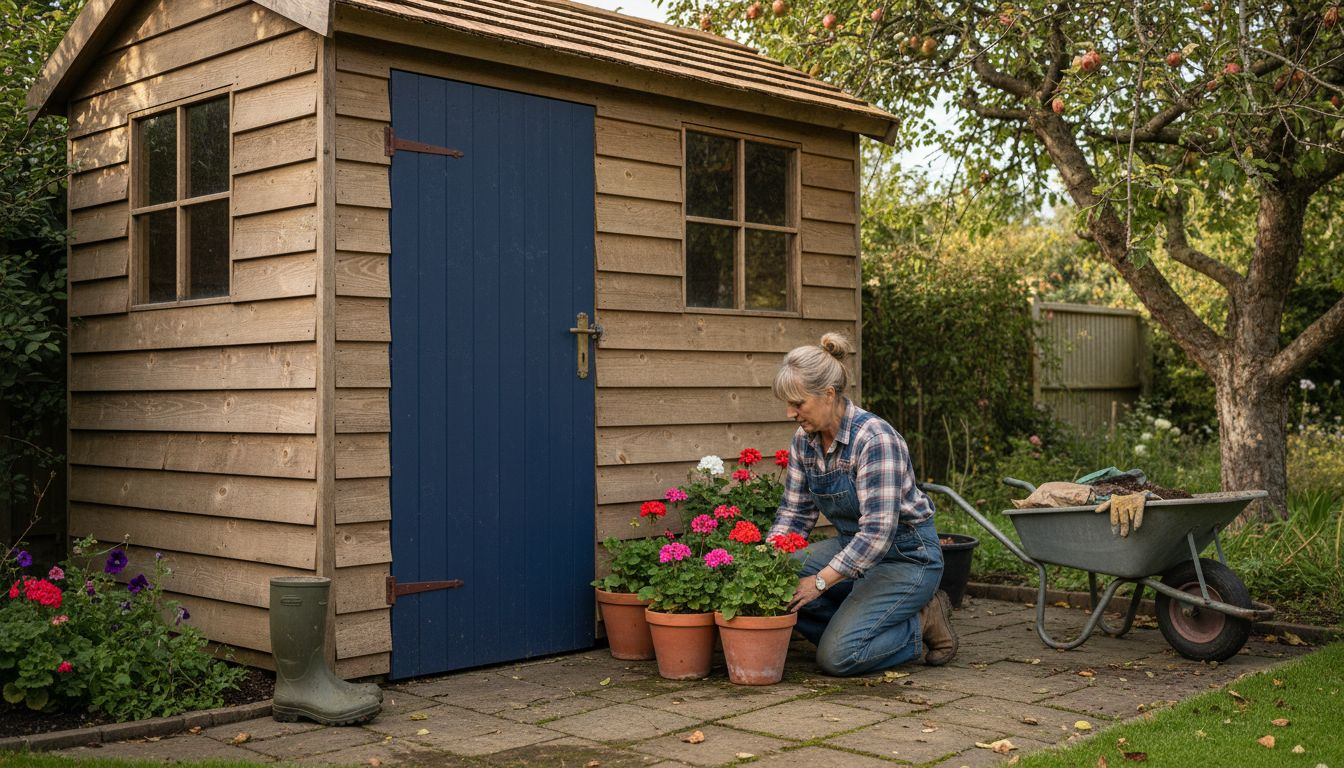
More than half of British homeowners admit their gardens are cluttered with tools and equipment they rarely use. Tackling outdoor storage in a British setting means more than finding a place to hide things—it is about blending practicality with comfort and style. Discover how a smart approach to garden storage can transform unused corners into functional, attractive spaces while keeping your garden free from mess.
Table of Contents
- Step 1: Assess Your Garden Storage Needs
- Step 2: Plan and Select Custom Features
- Step 3: Prepare Materials and Tools
- Step 4: Install Bespoke Additions
- Step 5: Check Quality and Functionality
Quick Summary
| Key Insight | Explanation |
|---|---|
| 1. Assess Your Storage Needs | Conduct an inventory of items and measure your space to optimise storage solutions. |
| 2. Plan Custom Features Thoughtfully | Choose features that enhance functionality while harmonising with your garden’s aesthetic. |
| 3. Prepare Quality Materials and Tools | Gather high-quality, treated timber and the necessary tools to ensure durability and efficiency. |
| 4. Install Bespoke Additions Carefully | Ensure all additions are securely mounted and visually integrated with the overall garden design. |
| 5. Conduct a Quality Check | Perform thorough inspections of functionality and structure to maintain long-term performance and appeal. |
Step 1: Assess Your Garden Storage Needs
Customising garden storage begins with a strategic assessment of your unique outdoor requirements. Understanding your specific storage needs will help you design a solution that seamlessly blends functionality with personal style. Garden storage planning involves carefully evaluating your available space and intended usage to prevent overcrowding and maintain aesthetic appeal.
Start by conducting a comprehensive inventory of the items you want to store. Garden tools, bicycles, seasonal decorations, outdoor furniture cushions and maintenance equipment all require different storage considerations. Measure the dimensions of your largest items and consider their frequency of use. Some items might need quick accessibility while others can be stored more compactly. Take precise measurements of your garden area to determine the potential storage footprint without compromising your existing landscape design.
Next, consider the environmental conditions in your garden. Wooden log cabins offer versatile storage solutions that protect against moisture and provide insulation. Think about sunlight exposure, potential wind patterns and ground stability when selecting your storage location. A well positioned storage area can protect your belongings while complementing your garden’s overall design.
Pro tip: Create a quick sketch of your garden layout, marking potential storage zones and noting measurements to help visualise your storage strategy before making any purchases.
Step 2: Plan and Select Custom Features
Custom garden storage solutions offer an exciting opportunity to personalise your outdoor space with functional and stylish features. Waste management and storage integration plays a crucial role in designing a log cabin that meets your specific needs while maintaining aesthetic harmony.
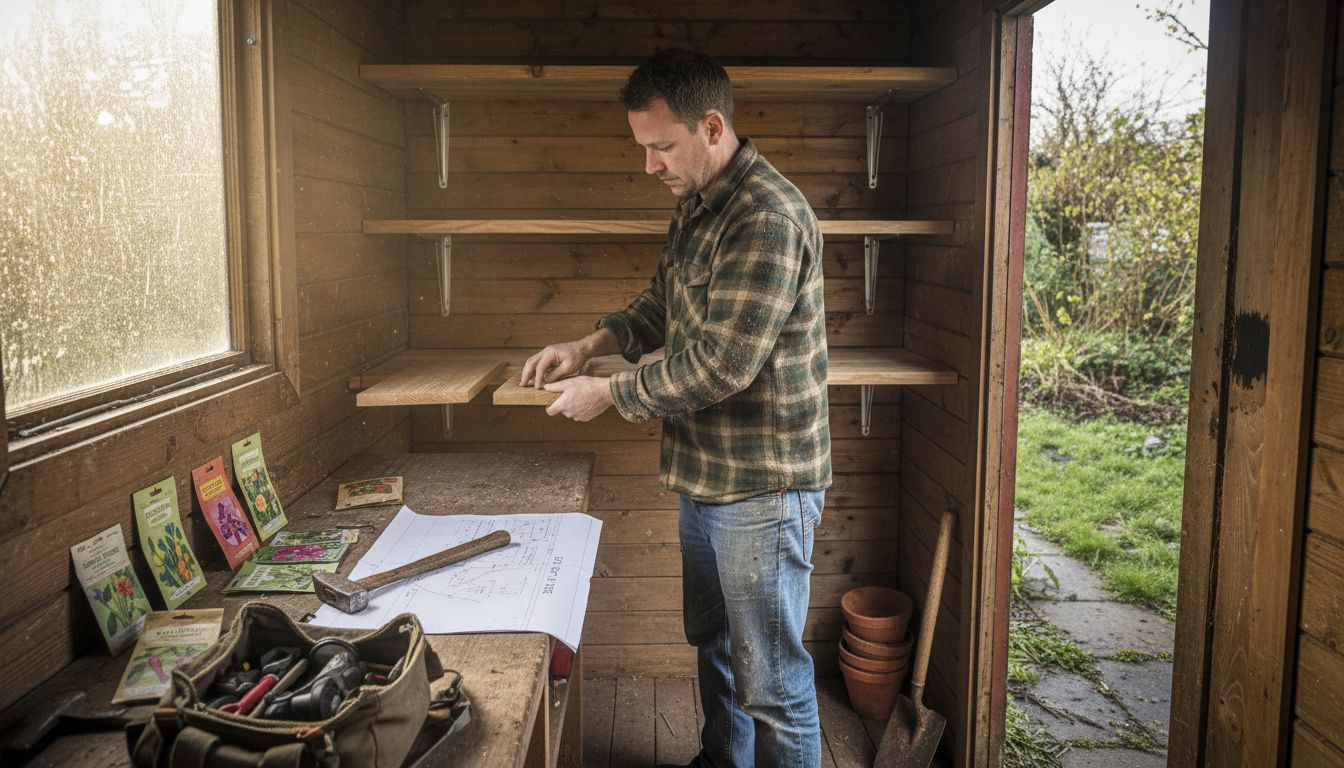
Begin by considering the specific features that will enhance your storage functionality. Think about built-in shelving systems that can accommodate different sized tools and equipment. Modular designs offer flexibility, allowing you to adjust internal configurations as your storage requirements change. Consider additional elements like integrated workbenches for garden maintenance, hanging rails for tools, or dedicated spaces for seasonal equipment. Pay attention to door styles, window placements, and roof designs that not only provide practical storage but also complement your garden’s existing aesthetic.
Material selection is equally important when customising your garden storage. Wooden log cabins provide natural insulation and a timeless look that blends seamlessly with outdoor environments. Consider timber treatments that offer weather protection while maintaining the wood’s natural beauty. Think about colour options that either match or contrast with your existing garden structures. Some customisation options might include additional roofing styles, different timber finishes, or unique window configurations that transform a simple storage solution into a personalised garden feature.
Pro tip: Create a digital mood board or sketch that includes your desired custom features, colour palette, and storage requirements to help visualise the final design before making any commitments.
Here is a summary of common custom features for garden storage and their primary benefits:
| Custom Feature | Functionality Enhancement | Aesthetic Impact |
|---|---|---|
| Adjustable shelving | Organises varied tools and items | Clean, uncluttered look |
| Modular design | Allows flexible configurations | Modern, tailored appearance |
| Integrated workbench | Workspace for gardening activities | Professional, workshop feel |
| Hanging rails | Efficient tool accessibility | Maximises vertical space |
| Decorative elements | Personalised exterior accents | Complements garden theme |
Step 3: Prepare Materials and Tools
Preparing the right materials and tools is a critical step in creating your personalised garden storage solution. Material repurposing and organisation strategies can help you streamline your preparation process and maximise efficiency.
Begin by taking inventory of the tools and materials required for your log cabin project. Essential tools typically include measuring tape, spirit level, drill, screwdriver set, hammer, saw, safety goggles, work gloves, and a sturdy ladder. For timber projects, gather wood sealant, protective treatments, paintbrushes, sandpaper with varying grits, and a drop cloth to protect your working area. Consider the specific design features you planned earlier and collect additional specialised tools like roofing nails, hinges, window fittings, and any decorative elements you want to incorporate.
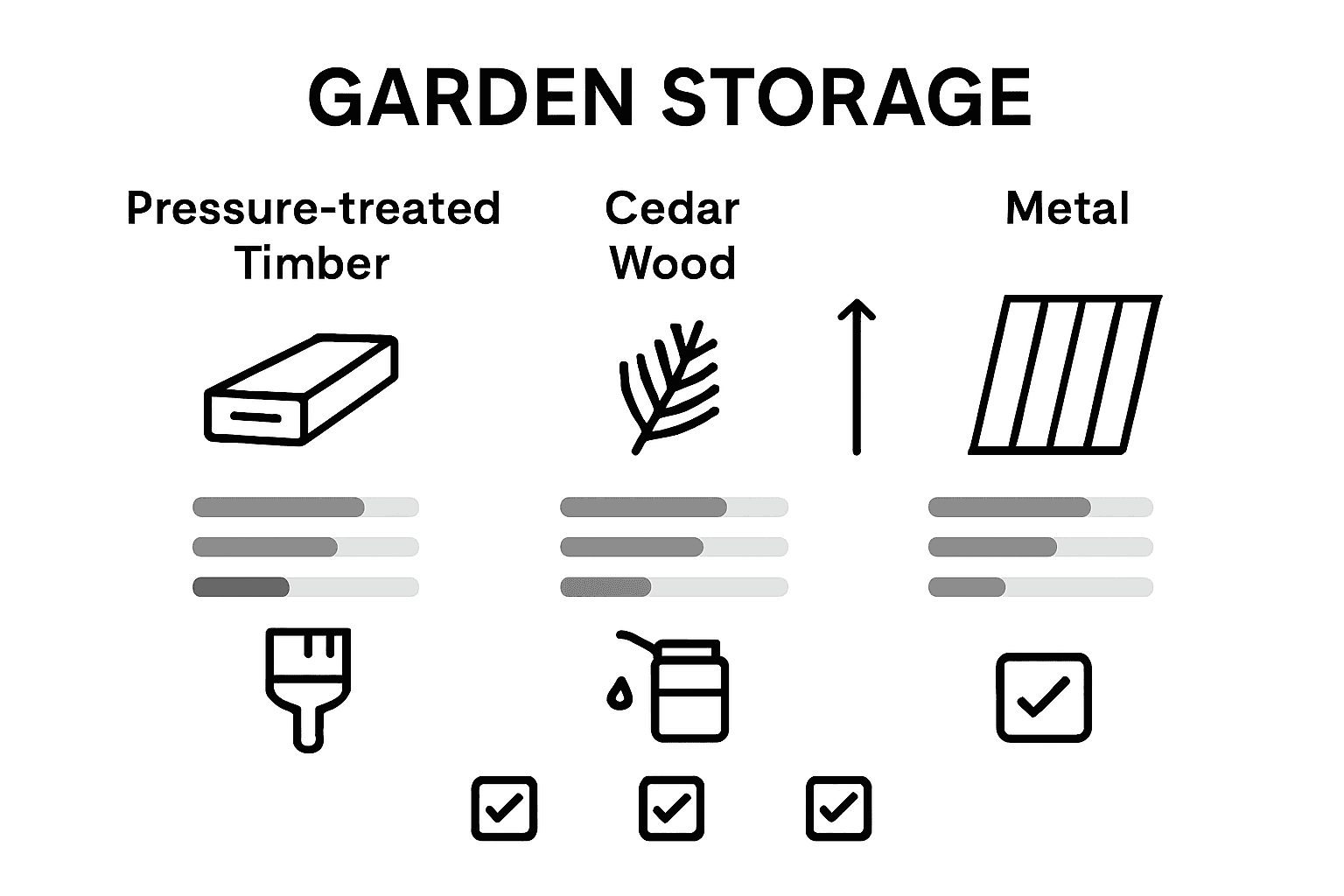
Quality materials are paramount in creating a durable garden storage solution. Select timber that is appropriately treated for outdoor conditions preferably sourced from sustainable forests. Check each piece for structural integrity, ensuring no warping, significant knots, or visible damage. Prepare your workspace by creating a clean, level area with adequate room for construction. Organise your materials systematically, keeping smaller components in clearly labelled containers to prevent loss and maintain efficiency during the building process.
Below is a comparison of timber types typically used for garden storage:
| Timber Type | Durability Outdoors | Visual Appeal | Maintenance Required |
|---|---|---|---|
| Pressure-treated | Highly resistant to rot | Subtle greenish hue | Occasional resealing |
| Cedar | Naturally weatherproof | Warm reddish-brown tones | Minimal upkeep |
| Spruce | Less resistant to pests | Pale, smooth finish | Regular treatment |
| Larch | Very tough wood | Attractive grain patterns | Light maintenance |
Pro tip: Create a dedicated preparation station with all tools and materials laid out beforehand, which can save considerable time and reduce the likelihood of interrupting your workflow to search for misplaced items.
Step 4: Install Bespoke Additions
Installing bespoke additions transforms your garden storage from a standard structure to a personalised masterpiece that reflects your unique style and functional needs. Garden installation guidelines emphasise the importance of carefully planned modifications that enhance both aesthetic appeal and practical utility.
Begin by focusing on interior customisations that maximise your storage potential. Install adjustable shelving systems that can be reconfigured as your storage requirements change. Consider adding specialised features like pull-out tool organisers, magnetic tool strips, or built-in workbenches that create dedicated spaces for different equipment types. For exterior enhancements, think about adding decorative elements like window boxes, unique door handles, or personalised paintwork that complements your garden’s existing colour palette.
Precision is key when implementing bespoke additions. Measure twice and install carefully, ensuring that each custom element is securely mounted and aligned perfectly. Pay attention to weight distribution when adding shelving or hanging systems, and use appropriate fixings that can withstand outdoor conditions. Consider the visual balance of your additions, creating a cohesive look that integrates seamlessly with both the log cabin and your broader garden design.
Pro tip: Create a mockup or template of your planned additions using cardboard or painter’s tape before final installation to visualise the layout and ensure perfect placement.
Step 5: Check Quality and Functionality
Garden storage assessment guidelines emphasise the critical importance of thoroughly evaluating your newly customised log cabin to ensure it meets both practical and aesthetic requirements. Checking the quality and functionality of your garden storage solution is the final crucial step in creating a personalised outdoor space that truly works for you.
Begin with a comprehensive functional inspection of all custom additions. Test each shelving system by loading it with typical garden equipment to verify structural integrity and weight capacity. Open and close doors and drawers multiple times to check smooth operation and alignment. Examine all custom features like tool organisers, workbenches, and hanging systems to ensure they function exactly as you intended. Pay close attention to how the additions interact with the overall structure paying particular mind to weight distribution and potential stress points.
Next conduct a detailed visual and structural assessment. Check all timber surfaces for proper sealing and weather protection. Look for any gaps or potential points of moisture ingress that could compromise the long term durability of your log cabin. Verify that decorative elements are securely fastened and that exterior additions complement the existing design. Test the overall stability of shelving and hanging systems by applying gentle pressure and observing any unexpected movement or flexing.
Pro tip: Use a spirit level and measuring tape during your final inspection to confirm that all custom additions are perfectly aligned and symmetrically installed for both functional performance and visual appeal.
Transform Your Garden Storage Into a Personal Haven Today
Customising garden storage often feels overwhelming with the need to balance functionality, style and durability. Whether you are tackling challenges like selecting the right timber, planning bespoke shelving or integrating waste management, the goal is clear: make your outdoor space uniquely yours without sacrificing practicality. If you find yourself needing tailored solutions to bring your vision to life, you are not alone.
Discover how easy it is to create a personalised garden building that matches your exact requirements at Log Cabin Kits. We offer a range of bespoke, custom options designed to help you overcome common pain points such as weather-proofing, storage optimisation or aesthetic harmony with your garden.
Elevate your garden storage with quality materials and custom features that reflect your personal style. Visit https://logcabinkits.co.uk now and explore how our expert craftsmanship and flexible designs can simplify your project and deliver lasting satisfaction. Make your next step towards a stunning garden storage that works for you today.
Frequently Asked Questions
How can I assess my garden storage needs?
Begin by conducting an inventory of the items you need to store, including tools, furniture, and seasonal decorations. Measure the largest items and consider how often you’ll need access to each, then sketch a layout of your garden to identify potential storage zones.
What custom features should I consider for my garden storage?
Consider features like adjustable shelving, integrated workbenches, and hanging rails to maximise functionality. Plan a digital mood board with your desired features and colour palette to visualise your ideal storage solution.
What materials are best for building garden storage?
Choose materials that are treated for outdoor conditions, such as pressure-treated timber or cedar, to ensure durability and aesthetic appeal. Evaluate the structural integrity of the wood before construction to guarantee a lasting storage solution.
How can I ensure my garden storage is properly installed?
Carefully measure and align all components to ensure a secure installation. Test the functionality of shelves and doors after installation, making adjustments if necessary to achieve a well-balanced and operational space.
What steps should I take to review the quality of my garden storage?
Conduct a thorough inspection by testing the weight capacity of shelves and ensuring all custom features operate smoothly. Check for proper sealing and moisture protection to maintain the storage’s long-term durability.
How can I personalise the look of my garden storage?
Incorporate decorative elements that reflect your style, like unique handles or colour accents that match your garden theme. Sketch out your desired customisations before installation to ensure they align with your aesthetic vision.