
How double glazing boosts comfort and efficiency in garden offices

TL;DR:
- Many homeowners overlook glazing when designing their garden offices, which can compromise comfort and efficiency. High-quality double glazing offers a practical balance by reducing heat loss, preventing condensation, and improving acoustics, making year-round use feasible. Selecting the right U-value, framing, and ventilation ensures a comfortable, energy-efficient workspace tailored to your needs throughout the seasons.
Most homeowners spend hours choosing timber thickness, roof styles, and interior layouts for their garden office, then give glazing about five minutes of thought. That’s a mistake that can cost you dearly. The glazing in your garden office isn’t just about light or looks. It directly determines how warm you’ll be in January, how much you’ll spend heating the space, and whether you’ll be wiping condensation off your windows every morning. Get it right and your garden office becomes a genuinely productive workspace all year. Get it wrong and it’s a cold, damp shed you avoid from October to March.
Table of Contents
- Why glazing matters in garden offices
- Comparing single, double and triple glazing for garden offices
- Tackling condensation: The hidden benefit of double glazing
- Understanding U-values: Setting the standard for garden office glazing
- Beyond the basics: When to consider triple glazing or advanced solutions
- What most guides miss about glazing for garden offices
- Next steps for your bespoke garden office
- Frequently asked questions
Key Takeaways
| Point | Details |
|---|---|
| Double glazing cuts heat loss | Switching from single to double glazing in a garden office makes a dramatic difference to energy retention and comfort. |
| Condensation is about more than glass | Double glazing helps, but proper ventilation is essential for keeping garden offices dry and mould-free. |
| U-values guide smart choices | Whole-window U-values provide an accurate standard—aim for 1.4 W/m²K or better to meet UK benchmarks. |
| Advanced glazing needs context | Triple glazing is only worth the investment for large, exposed, or high-performance garden offices. |
Why glazing matters in garden offices
A garden office is a standalone structure. Unlike your house, it doesn’t benefit from the thermal mass of surrounding rooms or shared walls with heated spaces. That means every element of the build, including the glazing, carries more responsibility for keeping the space comfortable.
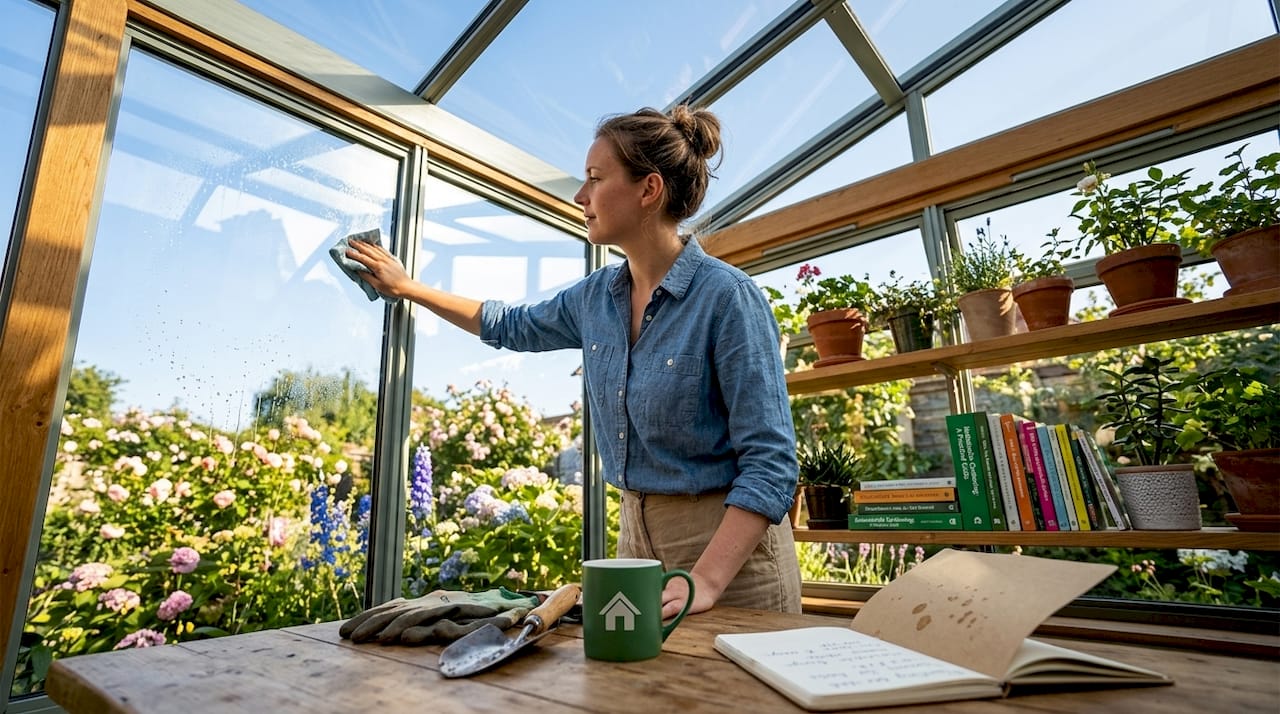
Glazing is one of the biggest sources of heat loss in any building. In a small garden cabin with two or three windows and a glazed door, that impact is magnified. Double glazing reduces heat loss dramatically versus single glazing, with U-values of around 1.2 to 1.6 W/m²K compared to roughly 5.0 for single glazing. A U-value, simply put, measures how quickly heat escapes through a material. Lower is better.
Here’s a quick summary of what good glazing actually delivers for your garden office:
- Warmth in winter: Less heat escapes, so your heater works less and your workspace stays comfortable without running costs through the roof.
- Cooler summers: Quality glazing with a good solar factor helps prevent your cabin turning into a greenhouse when the sun is out.
- Reduced energy bills: Less heat loss means you spend less on electricity or gas to maintain a comfortable temperature.
- Less condensation: Warmer inner glass surfaces mean moisture is less likely to settle on the glass.
- Better acoustic performance: Two panes with an air or gas-filled gap also reduce noise from outside, which matters if you’re taking calls all day.
“A garden office is only as good as its least-performing element. If the glazing is weak, no amount of wall insulation will fully compensate.”
It’s also worth noting that glazing doesn’t work in isolation. The importance of insulation throughout the floor, walls, and roof is equally critical. And when choosing the right garden office for your plot and working style, glazing type should be on your checklist from day one, not an afterthought.
Comparing single, double and triple glazing for garden offices
Let’s lay it out clearly. You’ll generally encounter three main options when specifying garden office glazing: single, double, and triple. Each has its place, but for most UK homeowners, one clearly stands out as the practical choice.
| Glazing type | Typical U-value (W/m²K) | Relative cost | Best suited for |
|---|---|---|---|
| Single glazing | ~5.0 | Lowest | Unheated storage only |
| Double glazing | 1.1 to 1.6 | Moderate | Year-round garden offices |
| High-performance double | ~1.1 to 1.4 | Moderate to high | Year-round use with lower bills |
| Triple glazing | ~0.64 to 0.80 | Highest | Large glass areas or harsh locations |
UK regulations require replacement windows in existing homes to achieve around 1.4 W/m²K or better. High-performance double glazing can achieve a whole-window U-value of roughly 1.1 to 1.4 W/m²K, while triple glazing can reach about 0.64 to 0.80 W/m²K. That’s a meaningful improvement, but at a significantly higher cost.
Here’s a straightforward way to think through your glazing choice:
- Start with your usage pattern. Will you use the office year-round, or only in spring and summer? Year-round use makes high-performance double glazing a minimum.
- Consider your glass area. The more glazing your design includes, the greater the impact of each unit’s performance. Large bi-fold or sliding doors amplify this effect.
- Set a realistic budget. Triple glazing can add a substantial premium. Weigh that against how much you’ll realistically save on heating in a relatively small space.
- Check the whole-window U-value, not just the glass. Frames and spacers matter too. Ask your supplier for the Uw (whole-window) figure, not just the centre-pane value.
Pro Tip: For most garden offices in the UK, high-performance double glazing hits the sweet spot. It meets modern benchmarks, keeps costs manageable, and delivers genuine year-round comfort without overspending on triple glazing you might not need. You can explore your garden cabin glazing options in detail before committing, and it’s well worth reading up on whether double glazing is worth it for your specific situation.
Tackling condensation: The hidden benefit of double glazing
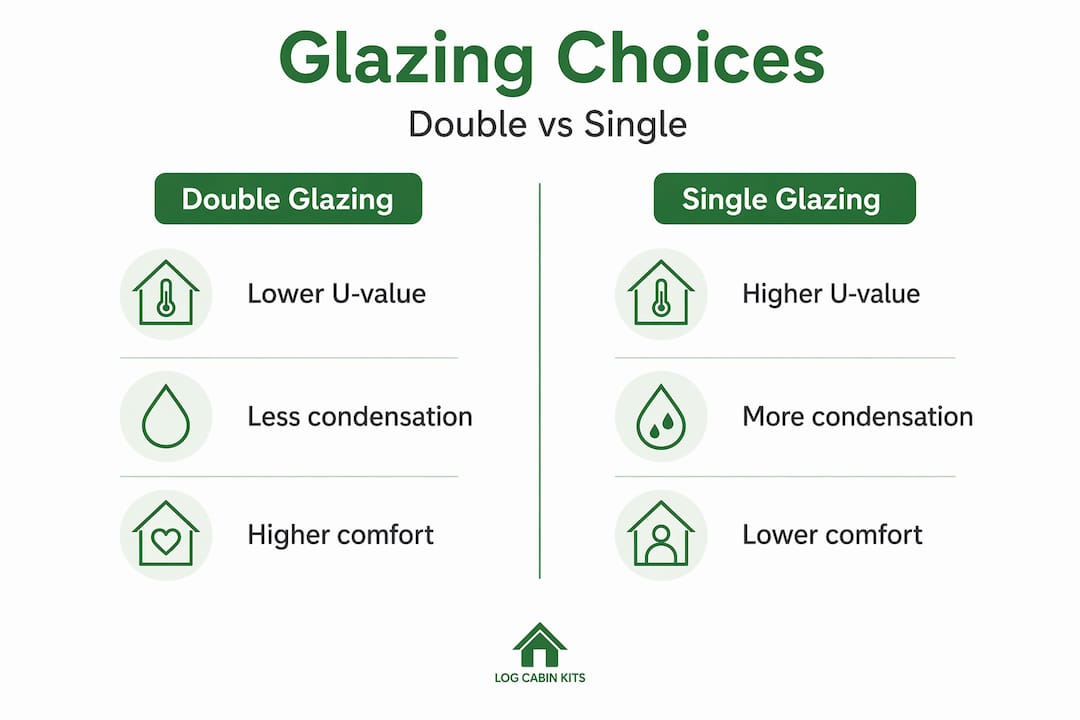
Condensation is one of the most common complaints from garden office owners, and it’s almost always a glazing and ventilation problem. When warm, moist air inside your cabin hits a cold surface, it dumps moisture there. Single-glazed windows are notoriously bad for this because the inner surface gets very cold in winter.
Double glazing keeps the inner glass surface warmer, which significantly reduces the likelihood of moisture settling on the glass. But here’s what many people miss: glazing alone won’t solve condensation if your ventilation strategy is poor.
| Glazing type | Ventilation present | Condensation risk |
|---|---|---|
| Single glazing | No | Very high |
| Single glazing | Yes | High |
| Double glazing | No | Moderate |
| Double glazing | Yes | Low |
| Triple glazing | Yes | Very low |
The table above tells an important story. Even the best glazing can’t fully compensate for a sealed-up, poorly ventilated cabin where humidity builds up from breathing, drinks, and equipment. And if you work in your office with the door shut all day, that moisture has nowhere to go.
Here are practical steps to keep your garden office free from condensation:
- Fit trickle vents in your window frames to allow a small but constant flow of fresh air without draughts.
- Use a small dehumidifier during particularly damp periods, especially if the cabin has been unoccupied for a while.
- Avoid drying clothes or leaving wet items in the office space.
- Keep heating on a low background setting rather than letting the cabin go completely cold overnight, which encourages condensation when it warms up again.
- Add greenery thoughtfully. Some plant-based air fresheners can help with air quality, though heavily moisture-releasing plants should be kept to a minimum indoors.
Pro Tip: If you’re already seeing persistent condensation on your windows, that’s a signal to review both your glazing spec and your ventilation setup. A warmer inner glass surface from quality double glazing, combined with background ventilation, is the combination that genuinely solves the problem. Find out more about controlling condensation in a log cabin for targeted, practical advice.
Understanding U-values: Setting the standard for garden office glazing
The term U-value gets thrown around a lot, but it’s worth understanding what it actually means for your garden office. A U-value measures the rate of heat transfer through a material. The lower the number, the better the material is at keeping heat in. It’s measured in watts per square metre per degree of temperature difference (W/m²K).
Here’s the critical bit that often gets overlooked: whole-window U-values are higher (that is, worse) than centre-pane values, because frames and spacers conduct heat too. A glazing unit might have an impressive centre-pane figure, but if the frames are poor quality or the spacer bars are aluminium rather than a warm-edge alternative, the whole-window performance drops noticeably.
“A window’s weakest link isn’t always the glass. Frames and spacers can quietly undermine the performance of even high-quality glazing units.”
UK guidance for replacement windows in existing homes sets a benchmark of around 1.4 W/m²K for the whole window. That’s a sensible target for a garden office too, and ideally you’d aim lower still for a comfortable, efficient workspace.
Here’s how to evaluate whether your proposed glazing is up to standard:
- Ask for the whole-window Uw value from your supplier or manufacturer. Centre-pane values alone don’t tell the full story.
- Check the frame material. uPVC and timber frames generally outperform aluminium for thermal performance unless the aluminium has a thermal break built in.
- Look at the spacer bar. Warm-edge spacers made from composite or foam materials improve edge-of-glass performance and reduce condensation around the perimeter.
- Consider the gas fill. Most quality double-glazed units are filled with argon gas rather than air, which improves insulating performance.
- Verify the low-E coating. A low-emissivity coating on the inner pane reflects heat back into the room and is now standard on quality units.
Getting the insulation for a garden office right across all elements, glazing included, is what separates a cabin you use every day from one that feels like a compromise.
Beyond the basics: When to consider triple glazing or advanced solutions
Triple glazing has become more talked-about in recent years, and for good reason. In the right circumstances, it genuinely outperforms double glazing. But “the right circumstances” is the key phrase.
Triple glazing excels where glass area is large or conditions are particularly harsh. The extra value it delivers depends heavily on airtightness, orientation, your heating strategy, and your budget. Outside those conditions, the cost premium often doesn’t justify the marginal gain.
Here’s when triple glazing genuinely makes sense for a garden office:
- Large glazed areas: If your design features floor-to-ceiling windows, bi-fold doors, or a heavily glazed wall, the cumulative heat loss through double glazing can be significant. Triple glazing recoups that loss.
- North-facing or exposed locations: A cabin on the north side of your garden or in an exposed spot that gets battered by wind and rain will benefit from the additional thermal buffer.
- Always-on workspaces: If you work long hours in the office throughout winter, the comfort improvement from triple glazing becomes more noticeable and justifiable.
- High-spec builds: If you’re investing in a premium bespoke cabin with thick insulated walls and an airtight build, triple glazing completes the package coherently.
Conversely, double glazing with a well-chosen solar-factor (known as the g-value) and appropriate external shading can actually outperform triple glazing for year-round comfort if your office faces south and overheating is a concern in summer. More glass, more expense, and more complexity isn’t always the right answer.
It’s also worth thinking about adding some carefully chosen office plants to your space. They won’t replace good glazing, but they do contribute to a healthier, more pleasant working environment. Explore the full range of double glazing options available to help you narrow down the right spec.
Pro Tip: Always consider how your glazing interacts with orientation, internal heat sources like computers and monitors, and ventilation. A south-facing cabin with lots of glass might actually need solar-control glass more urgently than extra panes.
What most guides miss about glazing for garden offices
Here’s something worth saying plainly: most glazing guides treat the choice as a purely technical exercise. Hit the U-value target, spend as little as possible, job done. That approach misses the point entirely for a garden office.
Your office is a workspace you’ll use every day. Comfort matters beyond what any U-value can fully capture. The quality of the frame, how well the unit is installed, and whether your ventilation strategy actually works together with your glazing spec are often what separate a genuinely pleasant office from one that’s always slightly too cold, too stuffy, or too bright at the wrong time of day.
We’ve spoken to many customers who upgraded from single to double glazing and felt the difference immediately, not just in warmth but in focus. A quieter, more stable environment makes a real difference to how productively you work. That’s not a technical benchmark you’ll find on a spec sheet.
We’d also gently push back against the idea that triple glazing is automatically the premium choice worth chasing. For many UK garden offices, a well-specified double-glazed unit in a quality frame, properly installed with warm-edge spacers and argon fill, will deliver excellent comfort at a much more reasonable cost. Spending the saving on better wall insulation or underfloor heating often brings more comfort per pound than upgrading to triple glazing.
The real lesson is that your glazing choice needs to fit your specific office, your usage, your orientation, and your budget. There’s no single right answer. A good double glazing deep dive is worth your time before you decide, and thinking about your build as a year-round garden office from the start shapes every decision that follows.
Next steps for your bespoke garden office
If this article has helped you feel more confident about glazing choices, you’re already in a better position than most homeowners starting this process. The good news is that you don’t have to figure it all out alone.

We offer a wide range of garden log cabins designed with year-round comfort in mind, including double-glazed units as standard on many models. If you’re looking for something tailored to your exact needs, our custom build log cabins allow you to specify glazing, insulation, and layout to match your working style and garden. Our team is happy to talk through your options and help you find the right balance between performance, comfort, and cost. Get in touch and let’s build something you’ll actually love using every day of the year.
Frequently asked questions
Is double glazing really necessary for a UK garden office?
Yes, double glazing reduces heat loss substantially compared to single glazing, making garden offices practical and comfortable for year-round use. Without it, you’ll likely find the space unusable during colder months.
What U-value should I look for in garden office glazing?
Aim for a whole-window U-value of around 1.4 W/m²K or lower, which is the benchmark replacement windows are expected to meet in the UK. Going lower than this improves performance further, especially in colder or more exposed locations.
Does double glazing stop condensation in garden offices?
Double glazing greatly reduces condensation risk by keeping the inner glass warmer, but ventilation strategy still matters and is essential for fully managing moisture. Trickle vents and background heating are the practical companions to quality glazing.
When is triple glazing better than double glazing?
Triple glazing is the stronger choice when glass area is large or conditions are harsh, such as north-facing cabins or heavily glazed designs. For most standard garden offices, high-performance double glazing delivers excellent results at a more accessible price.