
Customisable cabin features: your 2026 guide
TL;DR:
- Customisable garden cabins allow you to tailor interior layouts, materials, energy systems, and outdoor features. Modular and fold-out designs can significantly increase usable space, enhancing functionality and outdoor connectivity. Planning utility and structural choices early ensures long-term durability, safety, and cost savings.
Customisable cabin features are the design elements and additions you can tailor to suit your own lifestyle within a garden cabin. They cover everything from interior layouts and wall finishes to energy systems and fold-out terraces. The right combination of flexible cabin features turns a standard timber building into a space that genuinely works for you. Logcabinkits specialises in bespoke garden log cabins, and this guide walks you through the most popular options, how modular designs expand usable space, what structural choices matter, and how to plan everything before you build.
What are the most popular customisable cabin features?
The most requested adjustable cabin designs fall into four broad groups: layout, materials, energy, and outdoor connection. Knowing what is available makes it much easier to decide what you actually need.

Interior layout options are often the starting point. You can choose between open-plan spaces, partitioned rooms, or a mix of both. Multi-room log cabins give you separate zones for sleeping, working, or relaxing without needing a larger footprint. Kitchenette units, compact bathrooms, and built-in storage are all standard requests that manufacturers can accommodate from the outset.
Material and finish choices shape how your cabin looks and how long it lasts. Common options include:
- Natural timber cladding in pine, spruce, or larch
- Aluminium composite panels for a contemporary finish
- Wood grain panels that mimic timber but offer greater weather resistance
- Glass walls or large glazed panels to maximise light
Exterior cladding options such as aluminium composite panels and colour steel plates provide UV, fire, and weather resistance. That matters in the UK, where rain and temperature swings are constant.
Energy and smart home additions are growing fast. Solar panels, battery storage, underfloor heating, and smart lighting controls can all be integrated at the design stage. Off-grid solar systems are a popular choice for garden cabins used as home offices or studios, reducing running costs and keeping the space comfortable year-round.
Outdoor connection features include folding windows, retractable walls, covered terraces, and awnings. Personalisation options such as tatami areas, viewing terraces, and folding windows let you shape how the cabin connects to your garden.
Pro Tip: Decide on your energy setup before anything else is finalised. Adding solar or underfloor heating after the build is complete costs significantly more and often means opening sealed panels.
How does modular design increase usable space?
Flexible cabin designs solve one of the most common garden building problems: limited floor area. Modular and fold-out elements let a small cabin punch well above its size.
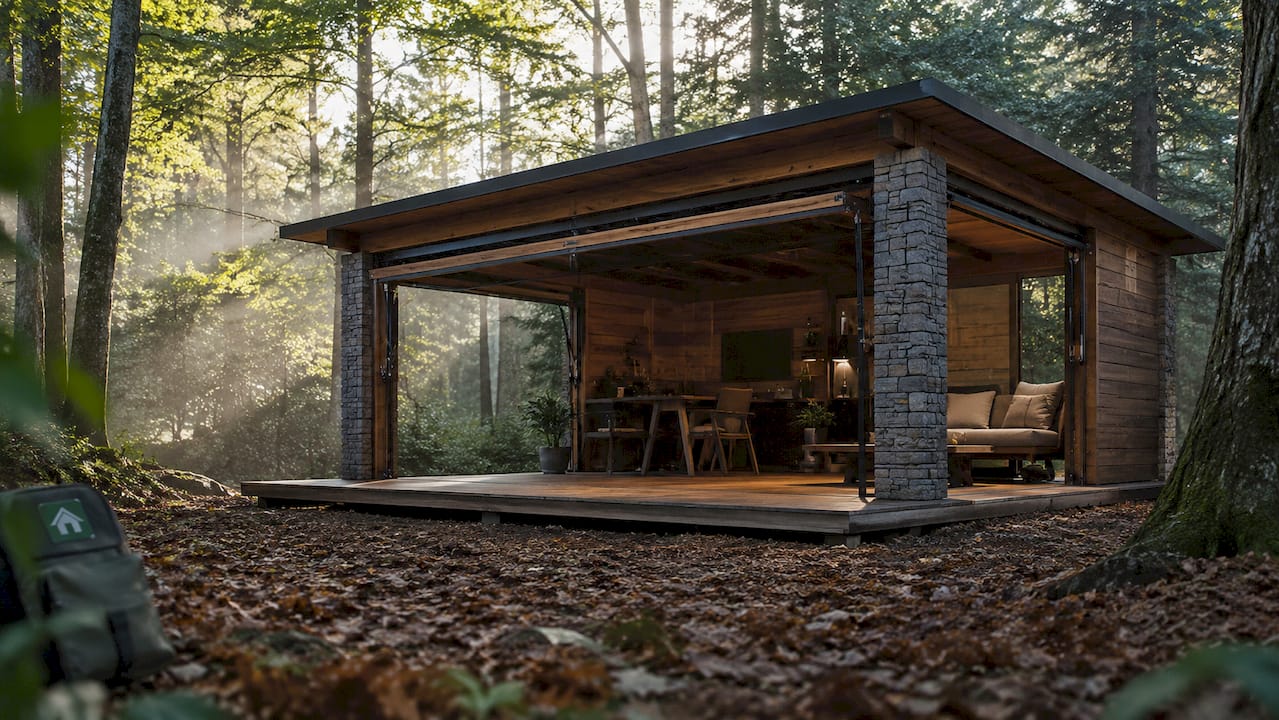
Dynamic modular designs can increase usable floor space by up to 138%, expanding from 90 sq ft to 215 sq ft via electrically actuated fold-down side walls. That is a dramatic gain from a structure that sits compactly when closed.
The table below shows how different flexible elements affect usable space and function:
| Feature | Space impact | Best use |
|---|---|---|
| Fold-down side walls | Up to 138% more floor area | Entertaining, yoga, studio work |
| Retractable terrace | Adds outdoor living zone | Dining, relaxing, gardening |
| Fold-away bed | Frees daytime floor space | Guest room doubling as office |
| Sliding partition wall | Creates two separate rooms | Home office plus hobby room |
| Glazed bi-fold doors | Merges indoor and outdoor areas | Summerhouse, garden room |
Electric fold-down walls create a fluid connection to the outdoors, expanding the livable area and strengthening the sense of being in the garden rather than just near it. That indoor-outdoor feeling is one of the most requested qualities in modern garden cabin design.
True cabin personalisation goes further than walls and doors. Adaptable indoor-outdoor boundaries can include beds and baths hidden under floor panels, keeping the space clear and multi-functional during the day. It sounds unusual, but it works brilliantly in compact builds where every square metre counts.
Pro Tip: If you want a retractable terrace or fold-down wall, check that your garden has enough clearance on the relevant side before you commit to the design. A metre of extra space outside makes a big difference to how the feature actually feels in use.
What structural and safety options are worth considering?
Structural choices affect how long your cabin lasts and how safe it feels in all weathers. These are not decisions to leave until last.
-
Frame construction. High-strength galvanised steel frames and glulam timber structures both offer long service lives. Galvanised steel structures with resilient cladding can deliver a service life above 15 years in coastal, rural, and exposed garden settings. That is reassuring if you are investing in a quality build.
-
Wind and earthquake resistance grades. Modular cabins can be built to grade 7 earthquake resistance and grade 12 wind resistance. In the UK, wind resistance is the relevant figure, and knowing your cabin meets a recognised grade gives you confidence in exposed or elevated gardens.
-
Cladding for fire, UV, and weather protection. Aluminium composite panels and colour steel plates resist UV degradation and surface weathering far better than untreated timber. If your cabin faces south or sits in an open garden, this is worth the extra investment.
-
Off-grid energy systems. Solar panels with battery storage remove dependence on mains power. Smart home and off-grid energy systems elevate the modern cabin experience for remote use and sustainability. They also add genuine value if you ever sell your property.
-
Utility planning at design stage. Finalising whether your cabin will be on-grid or off-grid during the design phase avoids expensive retrofits. Defining utility specs early prevents retrofit costs rising by 20–30%. That is a meaningful saving on any build budget.
How to plan and maintain custom features for long-term enjoyment
Good planning before the build saves money and frustration later. Maintenance after the build keeps your investment in good shape for years.
Before you build:
- Finalise your interior layout completely before construction begins. Moving a partition wall or adding a bathroom after the frame is up is costly.
- Decide on all utility connections, including electricity, water, and drainage, at the design stage. Retrofitting sealed panels is the most common and avoidable extra cost in custom cabin builds.
- Get a transparent, itemised quote that covers all chosen features. Modular cabin personalisation works best when costs are clear upfront, so you can make informed choices rather than discovering surprises mid-build.
- Check permitted development rules for your garden. Most garden cabins under a certain height and footprint do not need planning permission, but adding a bathroom or mains electricity connection can change that.
After the build:
- Retractable walls and fold-down elements require bi-annual lubrication and seal inspections to prevent water ingress. This is the single most overlooked maintenance task for dynamic structures.
- Treat external timber cladding every one to two years with a quality wood preservative. The UK climate is hard on untreated surfaces.
- Check roof seals and glazing gaskets each autumn before the wet season begins.
- Keep drainage clear around the base of the cabin to prevent damp working into the floor structure.
A little regular attention keeps mechanical features working smoothly and extends the life of the whole building.
What design styles are popular for garden cabins in 2026?
Aesthetic trends for garden cabins in 2026 lean towards clean lines, natural materials, and a strong connection to the surrounding garden. The most popular styles right now include:
- Contemporary. Flat or reverse apex roofs, large glazed panels, and minimal detailing. The Kent Log Cabin is a good example of this look.
- Forest or natural. Heavy timber cladding, earthy tones, and planting integrated around the structure. This style suits wooded or rural gardens.
- Industrial. Metal cladding, exposed fixings, and dark colour palettes. Works well as a garden studio or workshop.
- Scandinavian. Simple forms, pale timber, and large windows to bring in natural light.
Multi-material facades are a growing trend. Combining wood grain panels with metal trim or glass creates visual interest without complexity. Skylights, covered terraces, and wood-burning stoves add warmth and ambience that make a cabin feel like a proper room rather than an outbuilding.
Personal touches matter too. Artwork on external walls, bespoke colour choices for doors and windows, and custom signage all make a cabin feel genuinely yours. Contemporary garden buildings show how far the design options have come from the basic timber box of a decade ago.
The key principle is to choose a style that suits your garden and your life, not just what looks good in a photograph. A cabin you use every day needs to feel right in all seasons and all weathers.
Key takeaways
The most effective approach to customising a garden cabin is to finalise every design decision, from layout to energy systems, before the build begins.
| Point | Details |
|---|---|
| Plan utilities first | Deciding on solar, water, and heating at design stage avoids costly retrofits later. |
| Modular designs expand space | Fold-down walls and retractable elements can increase usable floor area by up to 138%. |
| Cladding choice affects longevity | Aluminium composite and UV-resistant panels outlast untreated timber in exposed UK gardens. |
| Maintenance is non-negotiable | Retractable and fold-down features need bi-annual servicing to prevent water ingress. |
| Style should suit your life | Choose a design that works in all seasons, not just one that photographs well in summer. |
What I have learned from watching people customise their cabins
People often spend weeks choosing the right exterior finish and then give almost no thought to how the cabin will be heated in january. I have seen it happen repeatedly. The aesthetic decisions are enjoyable. The practical ones feel like homework. But the practical ones are the ones that determine whether you actually use the cabin in winter or leave it locked until april.
The other thing I have noticed is that flexible space features, the fold-down walls, the hidden beds, the retractable terraces, sound impressive in a brochure but only deliver real value if you have genuinely thought through how you will use them day to day. A fold-down terrace is wonderful if you entertain regularly. If you do not, it is just a maintenance task.
My honest advice is to start with how you want to feel in the space, not what you want it to look like. A well-designed garden log cabin that is warm, well-lit, and laid out for how you actually live will give you far more pleasure than a beautiful one you rarely step inside. Personalise for your lifestyle, not for a trend. Trends change. Your garden does not.
— Martin
Logcabinkits can help you build the cabin you actually want
Choosing the right combination of features for your garden cabin does not have to be complicated. Logcabinkits specialises in bespoke cabin design and custom builds, working with you to get the layout, finish, and features right before anything is ordered or built.
Whether you want a simple garden room with a few personal touches or a fully specified cabin with off-grid energy, partitioned rooms, and a covered terrace, the team at Logcabinkits can put together a clear, transparent quote. You can also browse the full range of custom build log cabins to get a feel for what is possible, or use the cabin selection wizard to narrow down the right starting point for your garden and budget.
FAQ
What are cabin customisation options for garden buildings?
Cabin customisation options include interior layout changes, material and finish choices, energy system integration, and outdoor features like retractable walls or covered terraces. The options available depend on the manufacturer and whether you choose a standard or bespoke build.
Do customisable cabin features cost significantly more?
Bespoke features add cost, but finalising all specifications at the design stage keeps expenses predictable. Retrofitting features after the build is complete typically costs 20–30% more than including them from the start.
How much extra space can flexible cabin designs create?
Dynamic fold-down wall systems can increase usable floor space by up to 138%, expanding a cabin from 90 sq ft to 215 sq ft. The actual gain depends on the design and the available space in your garden.
What maintenance do adjustable cabin features need?
Retractable walls and fold-down elements need bi-annual lubrication and seal inspections to prevent water ingress. External timber cladding should be treated every one to two years with a quality wood preservative.
Can I add solar power to a garden cabin?
Yes. Off-grid solar systems with battery storage can be integrated into garden cabin designs at the build stage. Adding solar after the build is possible but more expensive, so it is best planned from the outset.