
Cabin build timelines explained: your planning guide
TL;DR:
- A garden cabin construction timeline typically spans six to twelve months, with larger or custom builds taking up to 24 months. Key phases include planning, permit approval, site preparation, construction, and finishing, all of which influence the schedule and costs. Early decision-making, thorough planning, and clear communication help minimize delays and ensure a successful long-term project.
A garden cabin construction timeline is the total time from first planning decisions to the day you unlock the finished building. For most garden cabin projects, that period runs from 6 to 12 months, though bespoke or larger builds can stretch to 24 months. Explaining cabin build timelines properly means splitting that total into clear phases, because the active build on site is often the shortest part. Understanding each phase helps you plan your budget, your schedule, and your expectations before a single log is laid.
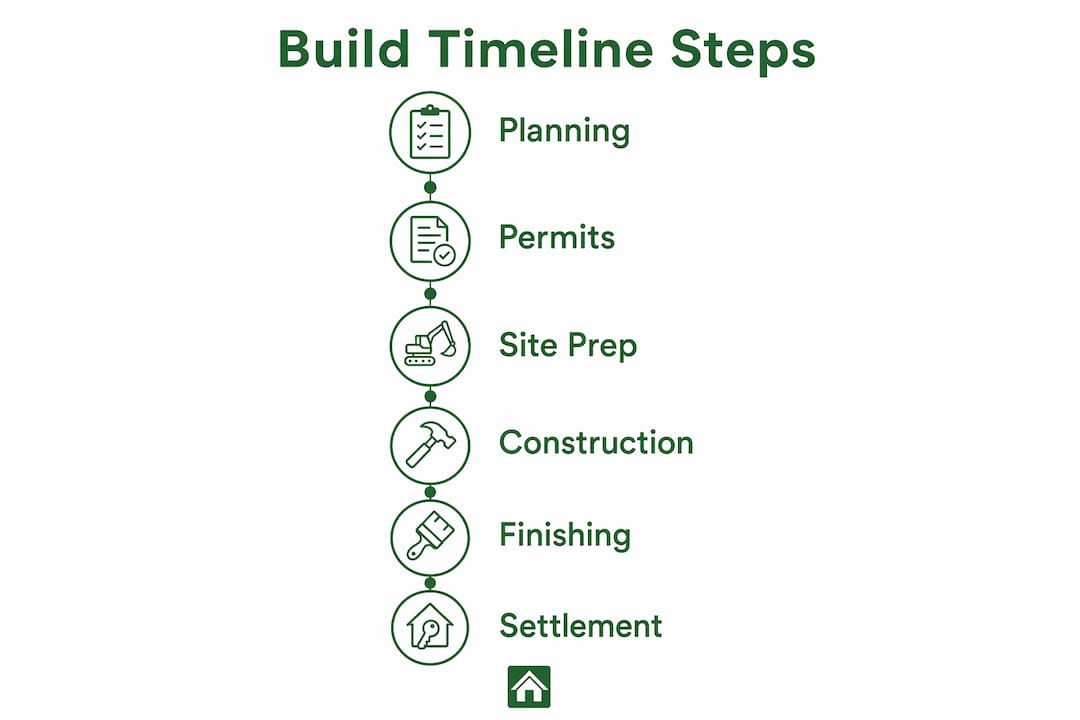
What are the main phases in a cabin construction timeline?
The cabin building process follows a set sequence. Skipping or rushing any phase creates problems downstream, so it pays to know what comes when.
-
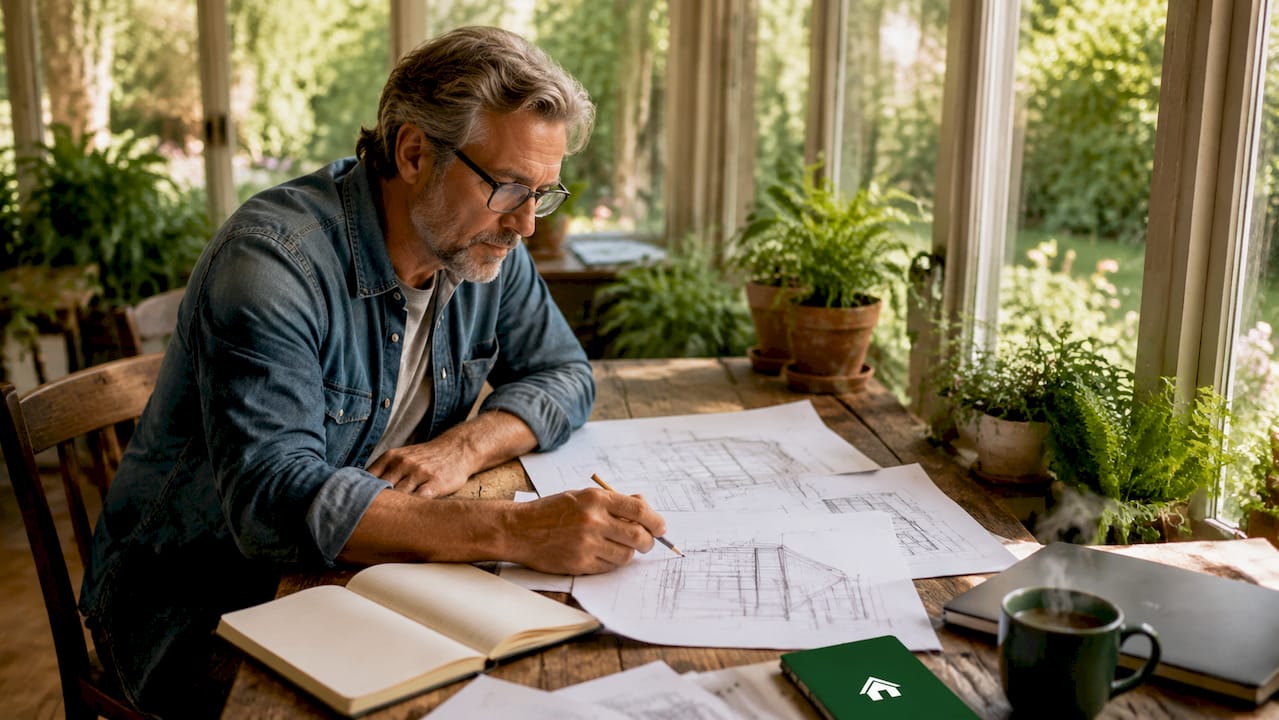
Pre-construction planning. This covers budgeting, finalising your design, and applying for any necessary permits. Pre-construction planning takes up a substantial portion of the overall 12-month average. Many people underestimate this stage, but it sets the pace for everything that follows.
-
Permit approval. Permit approval typically takes 2–8 weeks, though some projects face delays of up to 293 days depending on your local authority’s workload. That is not a typo. Apply early and chase progress regularly.
-
Site preparation and foundations. Ground clearance, levelling, and laying the base come next. Soft ground, slopes, or poor drainage all add time here. A solid, level base is non-negotiable for a cabin that stays true over the years.
-
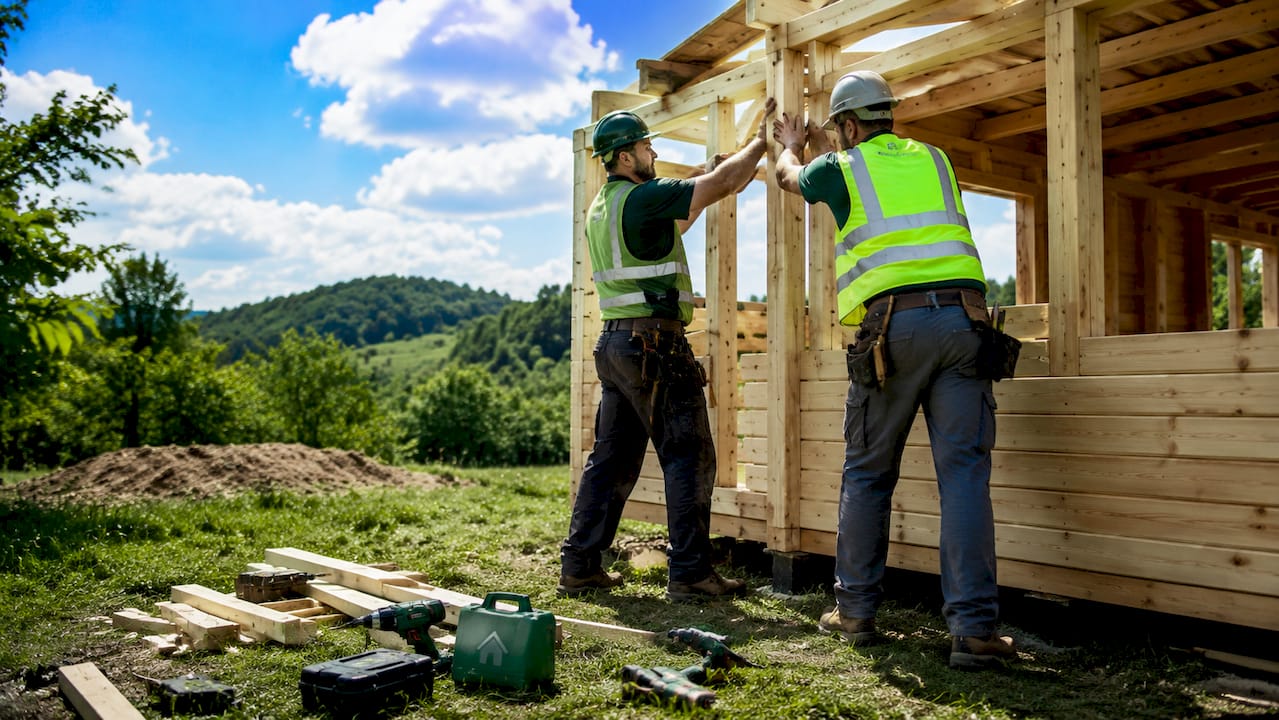
Cabin shell construction and roofing. This is the phase most people picture when they think about building. For a small garden cabin of 200–400 sq ft, active construction takes 1–3 weeks. Larger structures over 1,500 sq ft typically need 12–16 weeks or more on site.
-
Interior finishing and utilities. Insulation, internal lining, electrics, and any plumbing are fitted at this stage. The more bespoke your interior, the longer this takes.
-
Final inspection and handover. A walkthrough confirms everything meets the agreed specification. Snagging, touch-ups, and sign-off close the project.
Pro Tip: Book your site preparation contractor at the same time as you submit your permit application. The two processes often overlap, and having your groundworker lined up means you can start the moment approval lands.
How do size, customisation, and site conditions affect build timelines?
No two garden cabin projects run to exactly the same schedule. Three factors drive most of the variation.
Cabin size and active build time
Size is the most straightforward variable. A compact 200 sq ft garden cabin takes a fraction of the time that a multi-room structure demands. Customisation level is the primary driver of timeline variance, requiring a phased process that balances engineering complexity with specific site conditions. A standard cabin from a set range moves faster than a fully bespoke design because the engineering work is already done.
Key variables at a glance
- Wall log thickness. Thicker logs take longer to source and handle on site. Choosing your wall log size early avoids late-stage redesigns.
- Bespoke features. Custom window positions, non-standard roof pitches, and added rooms all require additional design time before the build even starts.
- Site accessibility. A garden with narrow access or a sloped plot adds days to both delivery and groundwork.
- Weather and climate. Wet winters in the UK slow groundwork and external finishing. Climate conditions also influence which wall log specification suits your location.
- Material lead times. Ordering materials early is standard practice. Allow roughly 12 months from initial planning to first material delivery for a smooth supply chain.
| Factor | Typical Impact on Timeline |
|---|---|
| Small cabin (under 400 sq ft) | 1–3 weeks active build |
| Large cabin (over 1,500 sq ft) | 12–16+ weeks active build |
| Bespoke design | Adds 4–12 weeks to planning phase |
| Permit delays | Adds 2 weeks to 6+ months |
| Poor site access or soft ground | Adds 1–3 weeks to groundwork |
Pro Tip: If you are considering a bespoke cabin, finalise your floor plan and external dimensions before approaching your local planning authority. Submitting a vague or incomplete application is the single fastest way to trigger a request for further information, which resets the clock.
What are the common causes of delays and how do you minimise them?
Delays on cabin projects are common, but most are predictable. Knowing where they tend to appear means you can plan around them.
- Permit hold-ups. Local authorities vary enormously in processing speed. Submit your application as early as possible and set a calendar reminder to follow up every two weeks.
- Weather disruption. UK weather is unpredictable. Experienced builders add a buffer of 1–2 days for every five days of planned work to absorb weather-related stoppages. Build that buffer into your own expectations too.
- Supply chain gaps. Specialist timber, bespoke glazing, and custom ironmongery all have longer lead times than standard materials. Allow for 2–4 weeks of potential delay from suppliers or subcontractors, especially for anything non-standard.
- Late interior selections. Choosing your flooring, cabinetry, and fixtures mid-build is one of the most avoidable causes of delay. Finalising interior selections early helps avoid costly mid-build hold-ups and keeps momentum going.
- Poor communication. Gaps between you, your builder, and any subcontractors create confusion about sequencing. A weekly check-in call or message thread costs nothing and saves days.
Pro Tip: Create a simple shared document listing every decision that needs to be made before the build starts. Work through it with your supplier or builder at the outset. Decisions made in week one cost nothing. Decisions made in week eight cost time and sometimes money.
For a practical walkthrough of the full process, the step-by-step installation guide from Logcabinkits covers each stage in detail.
What happens after the build? settling, maintenance, and long-term care
The timeline for a garden cabin does not end at handover. Log structures have natural characteristics that require attention in the months and years after completion.
-
Understand the settling period. Fresh logs undergo a natural settling process that lasts 1–3 years as the timber dries and shrinks slightly. This is completely normal. It is not a sign of poor construction.
-
Check for slip joints and adjustable posts. Responsible manufacturers design slip joints and adjustable posts into the structure from the start. These features accommodate log settling and prevent structural stress during the shrinkage period. Ask your supplier whether these are included in your build specification.
-
Plan your maintenance schedule. External timber needs treating regularly to stay protected against the UK’s damp climate. Most manufacturers recommend an initial treatment before installation and a follow-up within the first 12 months. After that, an annual check and re-treatment every 2–3 years keeps the cabin looking good and structurally sound.
-
Factor maintenance into your overall project plan. The decisions you make at the design stage directly affect how easy the cabin is to maintain. Overhanging roof eaves, for example, protect the walls from rain and reduce how often you need to treat the timber. Good planning at the start saves real effort later.
Effective project momentum depends on timely decisions, pre-ordering materials, and clear communication throughout the build and beyond.
Key takeaways
A well-managed cabin construction timeline depends on early planning, realistic buffers, and decisions made before the build starts rather than during it.
| Point | Details |
|---|---|
| Total timeline varies widely | Most garden cabin projects run 6–12 months from planning to handover. |
| Pre-construction is half the work | Permits, design, and budgeting take as long as the active build for many projects. |
| Size and customisation drive duration | Small standard cabins build in 1–3 weeks on site; bespoke large builds need 12–16+ weeks. |
| Buffer planning prevents stress | Allow 1–2 extra days per 5 working days for weather and 2–4 weeks for supply delays. |
| Post-build settling is normal | Log structures settle for 1–3 years; slip joints and adjustable posts manage this safely. |
Why getting the timeline right matters more than going fast
I have spoken with a lot of people who come to Logcabinkits having already had a frustrating experience elsewhere. The pattern is almost always the same. They rushed the planning phase, hit a permit delay they did not see coming, and then made interior selections under pressure mid-build. The result was a project that took longer and cost more than it needed to.
The thing I have noticed is that the builders and clients who have the smoothest projects are not the ones who move fastest. They are the ones who make decisions early and communicate clearly. Choosing an experienced supplier who has handled bespoke builds before makes a real difference. They know where the pinch points are and they flag them before they become problems.
My honest advice is to treat the pre-construction phase as seriously as the build itself. Spend time on your design. Get your permit application in early. Finalise your interior choices before the walls go up. And build in more time than you think you need, because UK weather and supply chains will always find a way to test your schedule. A cabin built without rushing is a cabin you will be genuinely pleased with for decades.
— Martin
How Logcabinkits can help you plan your garden cabin build
Planning a garden cabin is much easier when you have the right support from the start. Logcabinkits specialises in both standard and bespoke garden log cabins, with a range that covers everything from compact garden rooms to larger multi-room structures.
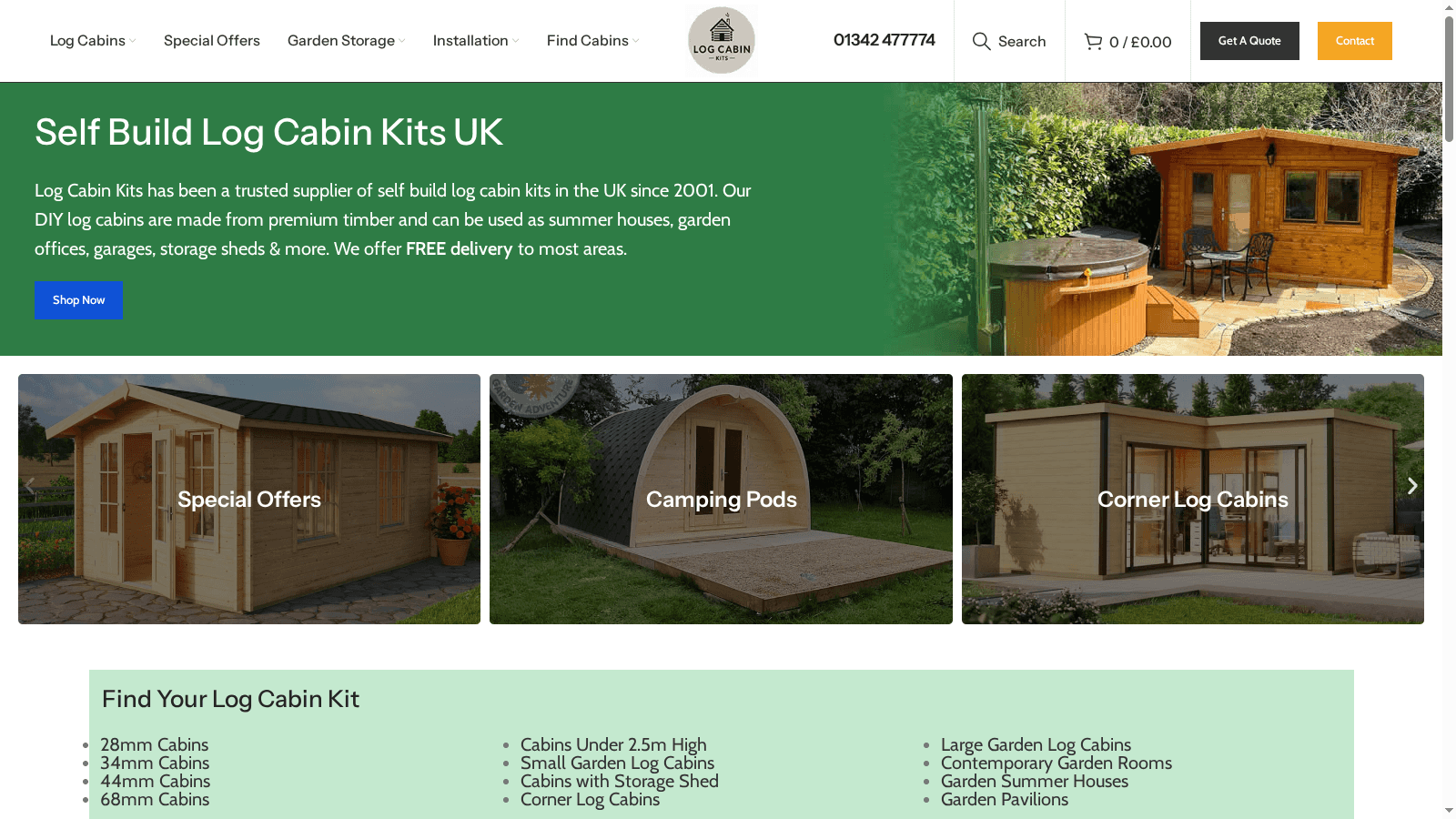
Whether you want to work from an existing design or create something completely tailored to your plot and requirements, the team at Logcabinkits can help you think through your timeline, your specification, and your options before you commit. Explore the full range of garden log cabins online, or take a look at the bespoke cabin design service to see how a custom build could work for you. Getting the right advice early is the best thing you can do for your project timeline.
FAQ
How long does it take to build a garden cabin?
Most garden cabin projects take 6–12 months from initial planning to completion. Simple standard builds can be faster, while bespoke or larger structures may take up to 24 months.
What is the quickest part of the cabin building process?
The active on-site construction is often the shortest phase. A small cabin of 200–400 sq ft typically takes just 1–3 weeks to build once the site is prepared and materials are on hand.
Do i need planning permission for a garden cabin in the UK?
Many garden cabins fall within permitted development rights, but this depends on size, height, and proximity to boundaries. Permit approval can take 2–8 weeks, so check with your local authority early in the process.
Why do log cabins need a settling period after construction?
Fresh timber naturally dries and shrinks slightly over 1–3 years after construction. Well-designed cabins include slip joints and adjustable posts to manage this movement without causing structural damage.
What is the biggest cause of delays on cabin projects?
Late decision-making is the most common and avoidable cause of delay. Finalising your interior selections, materials, and design details before the build starts keeps the project moving and avoids costly hold-ups mid-construction.