
Blog
Extend Your UK Log Cabin: Avoid Mistakes & Save 40% Costs


Extending your garden log cabin should enhance your outdoor living, not create legal headaches and costly delays. Many UK homeowners struggle with confusing planning rules, weak foundations, and avoidable construction mistakes that drain budgets and time. This guide cuts through the complexity, showing you how to confidently extend your cabin within permitted development rights, build solid foundations, and avoid the pitfalls that derail most projects.
Table of Contents
- Planning Permission And Legal Requirements
- Prerequisites: What You Need Before Starting
- Foundation And Structural Preparation
- Construction And Materials For Extensions
- Common Mistakes And Troubleshooting
- Expected Timelines And Costs
- Summary And Next Steps
- Explore Quality Log Cabin Extensions With Log Cabin Kits
Key Takeaways
| Point | Details |
|---|---|
| Permitted development often applies | Small cabin extensions usually comply without formal planning permission if size and height limits are met. |
| Foundations prevent failures | Concrete slabs or treated timber bearers provide stable, level bases that stop rot and structural movement. |
| Insulation boosts comfort | Proper insulation cuts heat loss by up to 40% and prevents condensation in year-round use. |
| Planning applications take time | Formal permission can require 8 to 13 weeks, so plan early to avoid construction delays. |
| Common errors cost money | Skipping permissions and poor foundation prep are the top mistakes that increase expenses. |
Planning Permission and Legal Requirements
Navigating UK planning law is where most homeowners stumble. Understanding permitted development rights saves you months of waiting and hundreds of pounds in fees.
Most garden log cabins do not require planning permission if height and coverage rules are met. Typically, you can extend without formal approval if the cabin stays under 2.5 metres in height, occupies less than 50% of your garden, and sits at least 1 metre from boundaries. These permitted development rights apply to outbuildings not used as primary residences.
However, you must apply for planning permission for your garden log cabin if your extension exceeds these limits, if you live in a conservation area, or if you plan residential use. Formal applications cost £206 to £462 depending on scale and take 8 to 13 weeks for decisions. Always consult your local planning authority before ordering materials to confirm your extension complies.
Many homeowners wrongly assume all garden structures are exempt. Here are critical situations requiring permission:
- Extensions over 4 metres tall or covering more than half your garden
- Cabins used for sleeping, cooking, or full time living
- Properties in national parks, Areas of Outstanding Natural Beauty, or conservation zones
- Structures within 20 metres of your home if they exceed height thresholds
Check UK log cabin planning rules to understand your specific obligations. Missing this step can force you to demolish completed work and reapply, wasting thousands.
Prerequisites: What You Need Before Starting
Proper preparation separates smooth projects from frustrating disasters. Before breaking ground, gather information, materials, and approvals to avoid expensive surprises.
Start by verifying permitted development eligibility or submitting planning applications if required. Request a lawful development certificate from your council for written confirmation your extension is legal. This protects you if regulations are questioned later.
Next, create detailed site and architectural plans showing dimensions, materials, and placement. Measure your existing cabin and garden accurately to ensure the extension fits within legal limits. Mark boundaries, utilities, and drainage on your plan to prevent accidental damage during construction.
Assess your current cabin’s structural integrity. Check for rot, warping, or foundation settling that could compromise the extension. Identify where you will join new walls to existing timber, ensuring compatibility and secure attachment points.
Gather these essential materials and tools before starting:
- Pressure treated timber bearers or ready mix concrete for foundations
- Spirit level, measuring tape, and string lines for accurate layout
- Safety equipment including gloves, goggles, and steel toe boots
- Hand saw, drill, hammer, and fixings suitable for outdoor timber
- Damp proof membrane to protect foundations from ground moisture
Pro Tip: Schedule foundation work during dry months between April and September when ground conditions are stable and concrete cures properly. Wet soil and freezing temperatures cause shifting and cracking that undermine your entire build.
Follow the garden log cabin planning process to organize tasks systematically and maintain momentum throughout your project.
Foundation and Structural Preparation
Your extension is only as strong as its foundation. Skimping here guarantees future problems including rot, sagging floors, and cracked walls.
Safe and durable extensions require solid, level foundations such as concrete slabs or treated timber bearers; improper foundation preparation is a common cause of structural failures in cabin extensions. Choose your foundation type based on extension size, ground conditions, and budget.
| Foundation Type | Pros | Cons | Best For |
|---|---|---|---|
| Concrete Slab | Permanent, moisture proof, supports heavy loads | Higher cost, longer installation, requires excavation | Year round cabins, large extensions |
| Timber Bearers | Quick installation, lower cost, adjustable | Requires regular treatment, less load capacity | Seasonal use, smaller extensions |
| Paving Slabs | Budget friendly, easy DIY | Can shift over time, limited stability | Temporary structures, very small sheds |
Concrete slabs offer the most durable solution. Excavate 100mm to 150mm deep, add hardcore base, compact thoroughly, then pour minimum 100mm thick concrete reinforced with mesh. Allow 7 days curing before building.
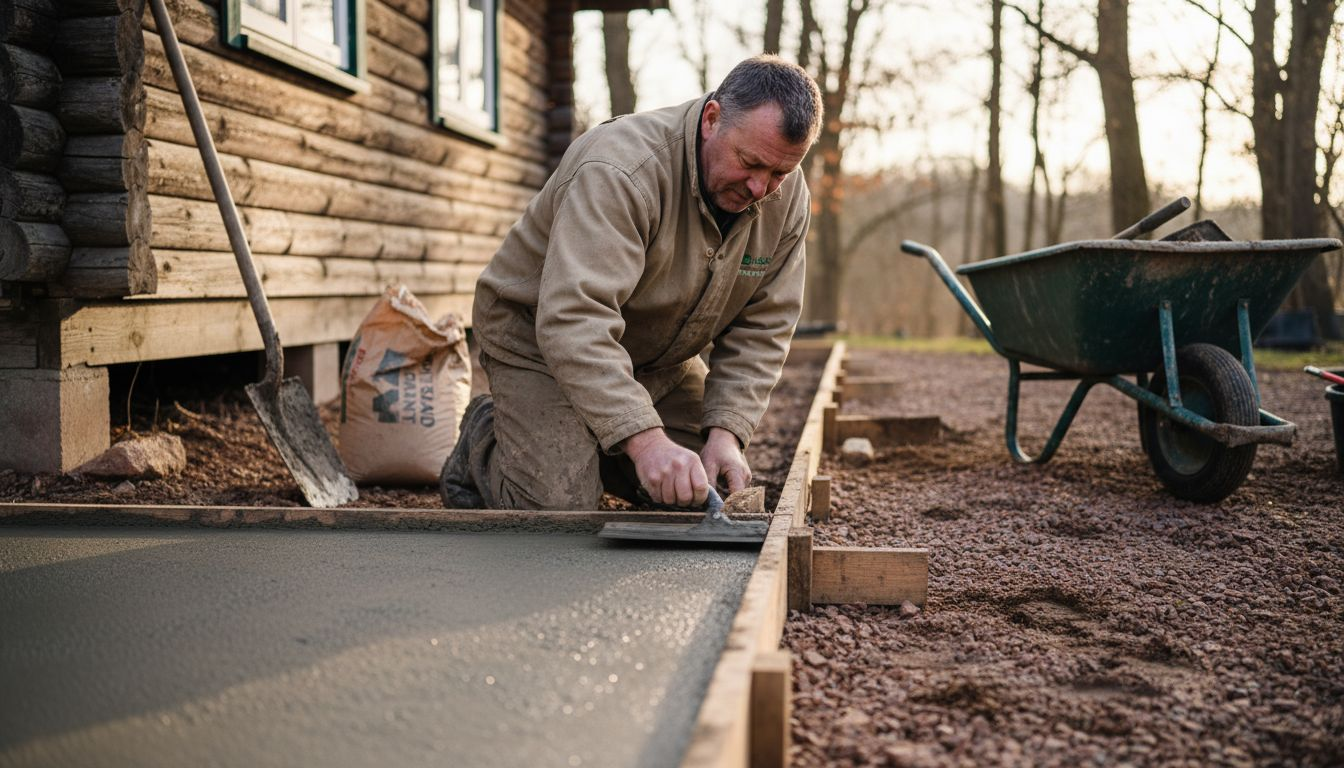
Timber bearers work well for lighter extensions. Use pressure treated 100mm x 100mm posts on concrete pads spaced every 600mm. Level meticulously using adjustable supports or shims, checking diagonals to ensure square corners.
Common foundation failures include:
- Building on uncompacted soil that settles unevenly
- Skipping damp proof barriers that let moisture wick into timber
- Poor drainage causing water pooling under foundations
- Unlevel bases creating twisted frames and gaps
Pro Tip: Dig test holes before laying foundations to check soil drainage. If water pools within 24 hours, install land drains or raise your foundation on hardcore to prevent long term rot and instability.
Ensure compliance with building regulations approval for log cabins if your extension includes electrical wiring, plumbing, or exceeds 15 square metres with sleeping accommodation.
Construction and Materials for Extensions
Choosing quality materials and following proven construction methods ensures your extension stands strong for decades.
Use Nordic spruce or Siberian pine timber treated for outdoor exposure. These woods resist warping and insect damage better than untreated softwoods. Wall thickness should match your existing cabin, typically 28mm to 44mm for garden structures.
Follow these construction steps:
- Secure base rails to your foundation using galvanised fixings every 400mm.
- Build corner posts and wall frames, checking vertical alignment with a plumb line.
- Join the extension to existing walls using interlocking logs or metal brackets, sealing joints with flexible outdoor caulk.
- Install roof joists with adequate overhang to protect walls from rain runoff.
- Apply roofing felt and shingles, ensuring watertight overlaps and proper drainage slope.
If adding electricity or plumbing, hire certified professionals to ensure UK building code compliance. Electrical work requires Part P certification, and plumbing must meet water supply regulations. Never attempt DIY installations without proper qualifications.
Insulating extended sections significantly improves year-round usability, helping to retain heat in winter and reduce condensation, critical for multi season use. Install insulation between wall studs and under roofing, then cover with vapour barriers to prevent moisture buildup.
Top insulation choices include:
- Mineral wool batts offering excellent thermal performance and fire resistance
- PIR boards providing high R values in thin profiles for limited space
- Natural sheep wool for eco friendly, breathable insulation
- Reflective foil insulation as a budget option for seasonal cabins
Explore detailed log cabin insulation options UK to select materials matching your climate needs and budget. Proper insulation reduces condensation that rots timber and makes spaces unusable in cold months.
Maintain safety throughout construction by wearing protective gear, securing ladders properly, and working with a partner when lifting heavy materials. Quality construction today prevents expensive repairs tomorrow.
Common Mistakes and Troubleshooting
Even experienced builders make errors that delay projects and inflate costs. Recognising these pitfalls helps you steer clear.
The biggest mistake is misunderstanding or ignoring permitted development limits. Homeowners assume small extensions are always exempt, then face enforcement notices requiring demolition. Always verify your extension complies before purchasing materials.
Starting construction without written permission or lawful development certificates is the second costliest error. If neighbours complain or your council investigates, you may halt work for months while applications process, paying storage and labour costs with no progress.
Poor foundation preparation causes structural headaches years later. Builders rush this step, skipping soil compaction or drainage, leading to rot, sagging, and moisture damage that require dismantling walls to repair.
Inadequate insulation turns extensions into unusable cold boxes. Without proper thermal barriers, condensation forms on interior surfaces, encouraging mould and making spaces uncomfortable beyond summer months.
If you encounter problems mid project, follow these troubleshooting steps:
- Stop work immediately if you discover planning or regulatory non compliance.
- Contact your local planning authority to discuss retrospective permission or remediation options.
- Hire a structural surveyor if you notice foundation movement, cracking, or sagging.
- Address moisture issues by improving drainage, adding damp barriers, and increasing ventilation.
- Consult certified electricians or plumbers if installations fail inspections.
Pro Tip: Before ordering timber and starting construction, request written confirmation from your council that your extension meets permitted development criteria. This simple step prevents the most expensive mistakes that force project abandonment.
Learn from planning mistakes to avoid by reviewing real cases where homeowners faced enforcement and costly corrections.
Expected Timelines and Costs
Realistic budgeting and scheduling prevent financial strain and manage expectations throughout your extension project.
Most log cabin extensions take 2 to 4 months from initial planning to completion. This includes 2 to 4 weeks for design and approvals, 1 to 2 weeks for foundation work, 3 to 6 weeks for construction, and 1 week for finishing touches like painting and landscaping.
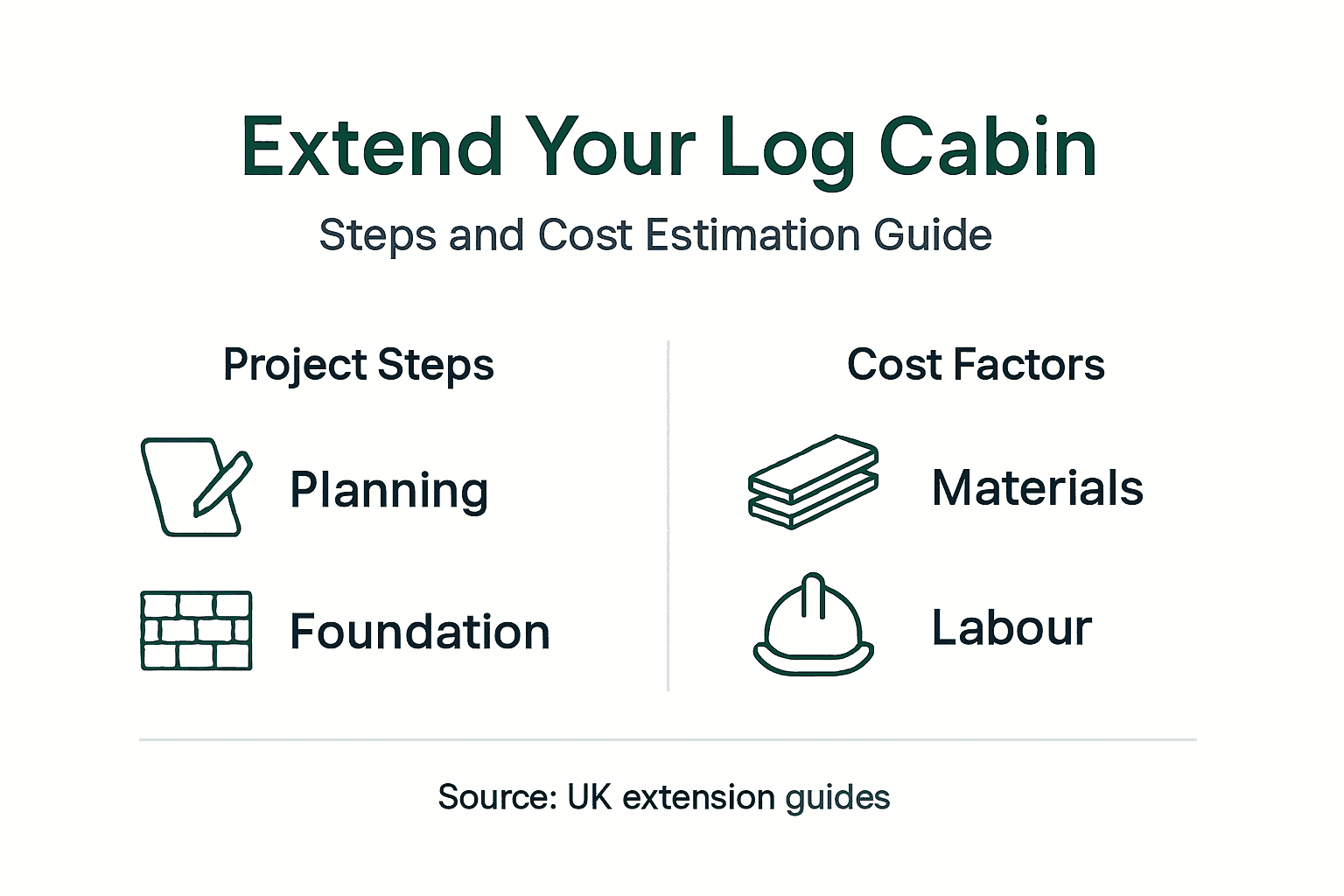
Formal planning applications extend timelines significantly. Councils require 8 to 13 weeks to process submissions, and you cannot start building until approval is granted. Factor this delay into your schedule if your extension exceeds permitted development thresholds.
| Project Phase | Duration | Typical Costs |
|---|---|---|
| Planning and design | 2 to 4 weeks | £200 to £800 |
| Planning application (if required) | 8 to 13 weeks | £206 to £462 |
| Foundation preparation | 1 to 2 weeks | £400 to £1,200 |
| Timber and materials | N/A | £1,500 to £4,000 |
| Construction labour (if hiring) | 3 to 6 weeks | £2,000 to £5,000 |
| Insulation and finishing | 1 week | £300 to £800 |
Total costs range from £2,500 for small DIY extensions to £10,000 or more for large, professionally built projects with premium materials and full insulation.
Save money with these strategies:
- Choose modular log cabin kits that arrive pre cut and ready to assemble, reducing labour hours
- Purchase materials during off season sales in autumn and winter when suppliers offer discounts
- Handle foundation and finishing work yourself while hiring professionals only for specialist tasks
- Plan thoroughly to avoid change orders and material waste that inflate expenses
- Source reclaimed or surplus timber from local builders for budget foundations and framing
Understand planning application timelines and costs to budget accurately if formal permission is necessary. Delays in approvals can add months to your schedule and increase storage or temporary accommodation costs.
Summary and Next Steps
Extending your garden log cabin successfully requires clear planning, solid foundations, quality materials, and regulatory compliance. You have learned how permitted development rights often allow extensions without formal permission, why concrete or timber bearer foundations prevent structural failures, and how insulation improves year round comfort.
Use this checklist to keep your project on track:
- Verify permitted development eligibility or submit planning applications early
- Prepare detailed site plans and assess existing cabin structure
- Choose appropriate foundation type and ensure level, stable installation
- Select treated timber and quality fixings for durable construction
- Install insulation and vapour barriers to prevent condensation
- Hire certified professionals for electrical and plumbing work
- Allow adequate time for approvals and favorable weather conditions
Contact your local planning authority to confirm your extension complies with current regulations. Visit council offices or their websites for application forms and guidance documents.
Explore garden log cabin planning resources for additional support throughout your project. Source bespoke extension kits from trusted suppliers who provide design advice and building grade materials that meet UK standards.
Compliance today prevents enforcement notices, demolition orders, and costly rework tomorrow. Invest time in proper planning and quality construction to enjoy your extended cabin for decades.
Explore Quality Log Cabin Extensions with Log Cabin Kits
Ready to transform your garden cabin into the versatile space you have always wanted? Log Cabin Kits provides bespoke and modular solutions tailored to UK homeowners extending their outdoor living areas.
We supply high quality Nordic spruce timber, expert design support, and comprehensive building guides ensuring your extension complies with planning regulations and building standards. Our team helps you select the right size, materials, and features for your specific needs and budget.
Discover the ultimate guide to garden log cabins covering everything from initial planning to long term maintenance. Explore our bespoke cabin design and supply services for custom extensions perfectly matched to your existing structure. Ready to start? Order bespoke log cabins UK with free delivery and dedicated customer support making your project hassle free from start to finish.
Frequently Asked Questions
Can I extend my garden log cabin without planning permission?
Yes, if your extension meets permitted development criteria for size, height, and garden coverage, formal permission is not required. Most extensions under 2.5 metres tall and occupying less than 50% of your garden qualify. Always verify with your local council before building to avoid enforcement issues.
What foundation type is best for a durable log cabin extension?
Concrete slabs provide the most stable, moisture resistant base, ideal for year round cabins and larger extensions. Pressure treated timber bearers offer a quicker, lower cost alternative suitable for seasonal use and lighter structures. Choose based on your extension size, ground conditions, and intended usage.
How long does it typically take to extend a log cabin in the UK?
From planning to completion, most extensions require 2 to 4 months depending on scale and whether formal permission is needed. Planning applications add 8 to 13 weeks to this timeline. Early preparation, favorable weather, and avoiding common mistakes can shorten the overall duration.
Do I need to insulate my log cabin extension?
Insulation is highly recommended, especially for year round use. Proper insulation reduces heat loss by up to 40%, prevents condensation, and makes your extension comfortable in colder months. Without it, moisture buildup can cause mould and timber rot, reducing the lifespan of your cabin.
What are the most common mistakes when extending a log cabin?
Ignoring planning permission requirements, starting without approvals, poor foundation preparation, and inadequate insulation are the top errors. These mistakes cause legal issues, structural failures, and costly repairs. Always verify compliance, build solid foundations, and invest in quality materials to avoid these pitfalls.