Blog


Many UK homeowners find themselves dreaming of a peaceful escape just steps from their back door. When you want your garden cabin to enhance daily life, careful planning matters more than style alone. From measuring your plot and tracking sunlight to clarifying your needs, a well-designed space saves both trouble and cost. This guide highlights thoughtful assessment of your garden space as the foundation for a bespoke cabin that fits beautifully and functions perfectly year round.
Table of Contents
- Step 1: Assess Your Garden Space And Needs
- Step 2: Define Your Cabin Style And Features
- Step 3: Select The Optimal Location In Your Garden
- Step 4: Design Bespoke Details And Custom Elements
- Step 5: Verify Planning Permission And Local Regulations
- Step 6: Confirm Final Layout Before Building
Quick Summary
| Key Insight | Explanation |
|---|---|
| 1. Assess Your Garden Space | Measure your garden dimensions and observe sunlight patterns to ensure optimal cabin placement. |
| 2. Define Cabin Style | Choose a cabin aesthetic and essential features that reflect your personal needs and preferences. |
| 3. Verify Planning Permission | Check local regulations early to understand if you need planning approval for your cabin build. |
| 4. Confirm Final Layout | Review every detail of the cabin design before construction begins to avoid costly changes. |
| 5. Consider Access and Boundaries | Ensure clear access to the cabin and confirm boundary placements to avoid future disputes. |
Step 1: Assess Your Garden Space and Needs
Before you even think about the style or size of your cabin, you need to understand what you’re actually working with. This means taking a proper look at your garden to see how much space you have, where the sun hits, and what you actually want from your new retreat. Getting this right at the start saves you from costly mistakes later on.
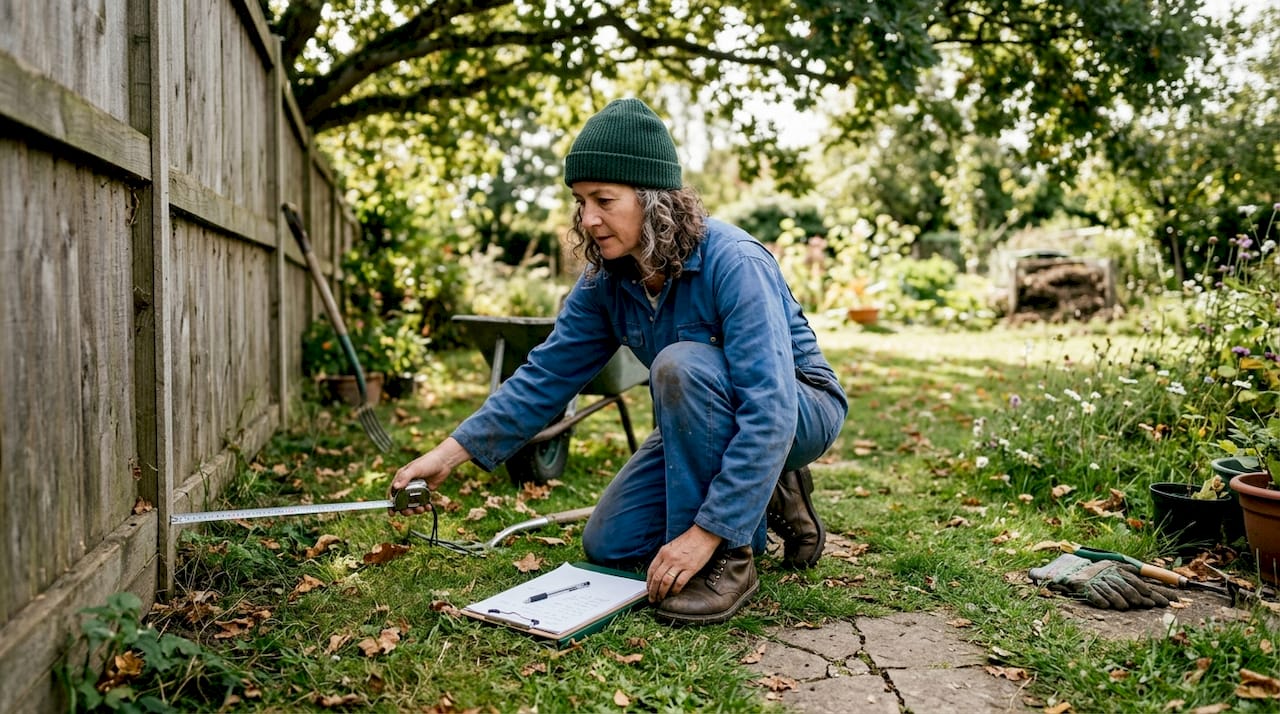
Start by measuring your garden. Grab a tape measure and note down the overall length and width, then identify the specific area where you’re thinking of placing your cabin. Consider the shape of your space too, not just the dimensions. An awkwardly shaped garden might influence where the cabin sits best. Next, spend time observing how light moves across your garden throughout the day. Does one corner stay shaded all morning? Is there a spot that gets full sun in the afternoon? Sunlight exposure and orientation make a real difference to how much you’ll enjoy your cabin and how it functions during different seasons. Winter sunshine might feel precious, but summer heat can be intense if you’ve got a south-facing wall with no shelter.
Think about what you’ll actually use the cabin for. Is it a workspace where you need natural light and good ventilation? A cosy retreat for quiet time? A space for entertaining guests? Your intended use shapes everything from window placement to how you arrange the interior. Also consider the ground conditions. Walk around and check if the land is level, slopes significantly, or has any boggy patches. Check what’s underground too, especially near where utilities run. You’ll want to make full use of your garden space thoughtfully, whether that includes vertical dimensions like trees for shade or neighbouring structures that might provide shelter from wind.
Don’t forget about access and boundaries. How will people reach the cabin? Is there a clear path, or would you need to create one? Check your boundary lines and any permissions you might need from neighbours. Understanding these practical elements means your bespoke cabin will fit seamlessly into your garden rather than creating headaches down the line.
Here’s a summary of key considerations when planning your garden cabin:
| Aspect | Why It Matters | What to Check |
|---|---|---|
| Sunlight Exposure | Affects comfort and usage | Morning/afternoon sun spots |
| Access | Ensures easy movement | Existing paths, need for new walkways |
| Ground Conditions | Impacts foundation and drainage | Levelness, slopes, boggy or firm soil |
| Boundaries | Avoids disputes, legal issues | Exact lines, neighbours’ permissions |
| Existing Features | Enhances or obstructs layout | Trees, sheds, utilities, shelters |
Pro tip: Sketch your garden layout on paper, marking the sun’s path, existing features, and potential cabin positions before contacting us. This simple step helps our team understand your vision and provide more accurate recommendations for your bespoke build.
Step 2: Define Your Cabin Style and Features
Now that you understand your garden’s potential, it’s time to decide what your cabin will actually look like and how it will function. This is where your personal vision becomes real, and where bespoke customisation makes all the difference. Your cabin should reflect not just your taste, but also how you plan to use the space day to day.
Start by thinking about the aesthetic you’re after. Do you prefer the classic appeal of traditional timber with a pitched roof, or something more contemporary with clean lines and large glazing? The style of your cabin sets the tone for your entire garden retreat. Consider how it will sit with your existing house and garden. A cabin that clashes with its surroundings can feel out of place, even if it’s beautifully built. Think about materials too. Solid timber construction offers warmth and authenticity, whilst the finish you choose, whether natural wood tones or painted cladding, completely transforms the character. Your outdoor space deserves careful thought about colours and textures that will age well and continue to appeal to you.

Next, consider what you actually need inside. Will you want a small seating area, a workspace, or perhaps something more multi-purpose? Think about features like insulation if you’ll use it year round, heating options for winter months, and ventilation to keep it fresh in summer. Windows deserve attention too. Their size, placement, and style affect both how the cabin looks and how naturally lit it feels. Some people want floor to ceiling glass for that garden view connection, whilst others prefer a cosier feel with smaller windows. Customisation options for our garden cabins mean you can adapt almost every element to suit your exact requirements, from the layout inside to external finishes.
Don’t overlook practical features either. Do you need storage solutions built in? Would a covered veranda add value to your experience? Should there be power and water connections for comfort? These decisions shape how functional and enjoyable your cabin becomes. Jot down your priorities, separating must haves from nice to haves. This clarity helps when you’re discussing your bespoke build with our team.
Below is a comparison of popular custom cabin features and their benefits:
| Custom Feature | Main Benefit | When to Prioritise |
|---|---|---|
| Large Glazed Windows | Maximises natural light and views | For bright, scenic spaces |
| Built-in Storage | Reduces clutter, adds utility | For smaller floor plans |
| Insulation & Heating | Enables use year round | For four-season comfort |
| Covered Veranda | Provides outdoor shelter | For entertaining guests |
| Multi-zone Layout | Supports varied activities | For work and relaxation |
Pro tip: Collect images of cabins and garden spaces you love, then note what specifically appeals to you about each one, whether it’s the colour palette, window style, or how it’s positioned in the garden. This visual reference library becomes invaluable when describing your dream cabin to our designers.
Step 3: Select the Optimal Location in Your Garden
With your cabin style defined, it’s time to pinpoint exactly where it will sit. Location matters far more than most people realise. A cabin positioned brilliantly transforms how you use it, whilst a poorly placed one can feel awkward and isolate you from the rest of your garden. This step brings everything you learned earlier about your garden’s sunlight, access, and boundaries into sharp focus.
Start by revisiting those observation notes from Step 1. The area that gets morning sun but afternoon shade might be perfect for a retreat where you’ll want warmth without scorching heat. If your cabin faces south, it’ll catch maximum sunshine, which is wonderful in winter but potentially uncomfortable in July without proper ventilation or a shaded aspect. Think about views too. Position your cabin where you’ll enjoy looking out at the most attractive part of your garden, not where you’ll stare at a fence or neighbour’s wall. Access matters significantly. Place it where you can easily reach it from your house without tramping through muddy patches or navigating awkward paths. Consider whether visitors will feel welcomed by the approach, or whether they’ll wonder if they’re intruding on private garden space.
Think about how the cabin relates to neighbouring properties. You’ll want some visual privacy, whether from existing trees, fences, or the cabin’s own positioning. Equally, avoid blocking your neighbours’ light or creating an imposing structure that dominates their view. Check setback distances from boundaries, which vary by location and planning requirements. Sheltered spots are generally better than exposed ones, especially if you get strong prevailing winds from a particular direction. A cabin tucked behind an existing hedge or benefit from tree shelter will be more comfortable year round. Consider ground conditions too, revisiting your earlier observations about level land, slopes, or drainage issues. The most beautiful location won’t work if water pools there during rainy seasons.
Many people find that 7 unique garden building designs for inspired outdoor spaces offer inspiration for how different positioning creates entirely different experiences, from secluded hideaways to social focal points for gatherings.
Pro tip: Place garden furniture or mark out the cabin’s footprint with rope on the actual spot you’re considering, then spend a few days observing how it feels at different times and in various weather conditions before committing to that location.
Step 4: Design Bespoke Details and Custom Elements
This is where your cabin truly becomes yours. Bespoke customisation transforms a standard structure into something that feels entirely personal and perfectly suited to your needs. The details you choose, from door handles to internal layouts, will define how much you love using your space. Think about what makes your ideal retreat genuinely special, then work with those ideas to create something unique.
Start with the fundamentals that affect daily comfort and functionality. How you want to use the interior space matters enormously. Do you need a sleeping area, or is this purely a daytime retreat? Would you prefer an open plan feel that maximises the sense of space, or separate zones for different activities? Consider built in furniture like benches with storage underneath, custom shelving, or a workspace tailored to your hobbies. Lighting deserves careful thought too. Skylights flood interiors with natural light and create an open, airy feel, whilst wall lights offer cosy ambiance for evenings. Your flooring choice affects both aesthetics and practicality. Polished timber feels warm and inviting, whilst sealed concrete offers durability in high traffic areas. Think about heating and cooling systems that keep you comfortable year round without being obtrusive.
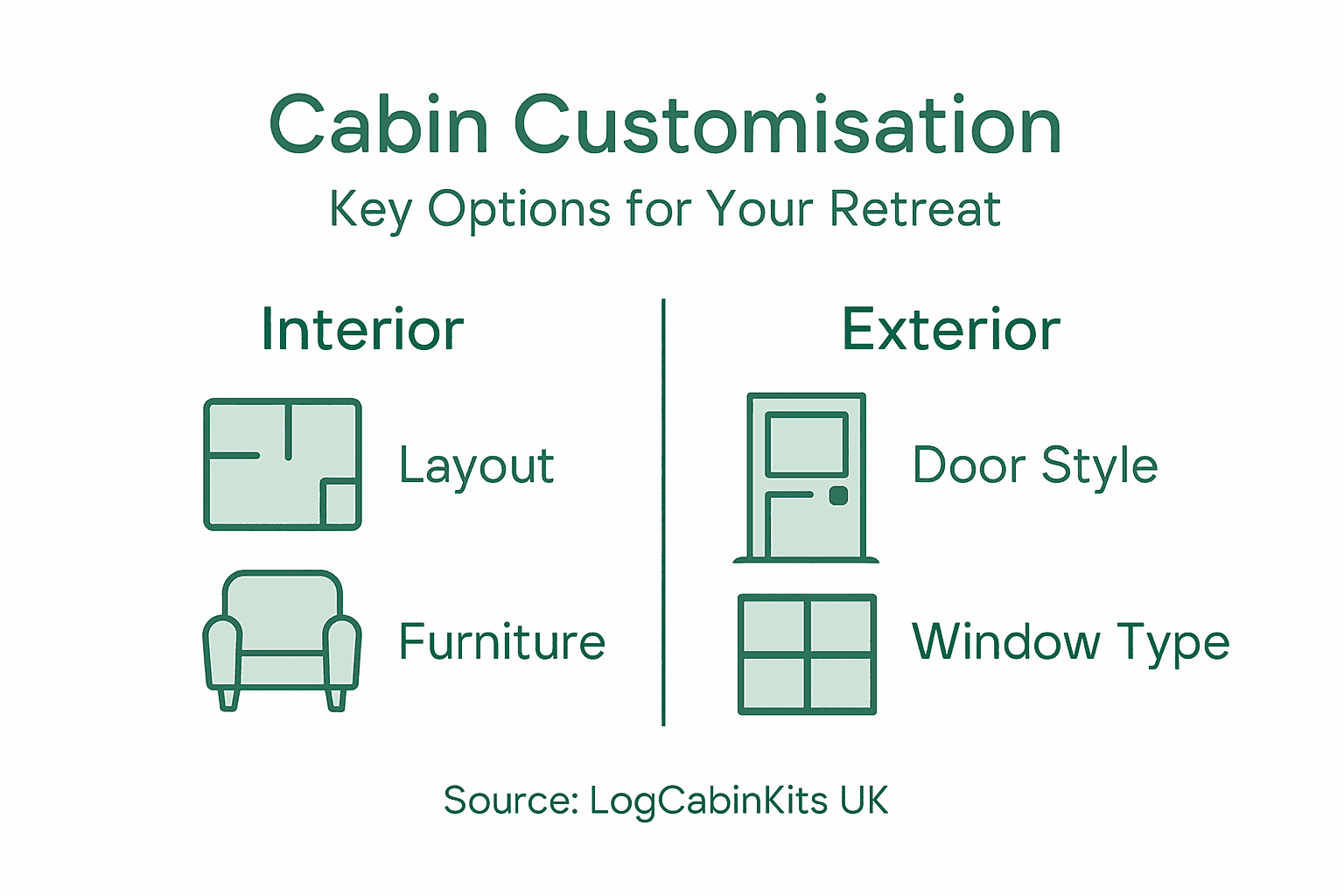
External customisation brings equal impact. Your door style sets the tone for the whole building, whether that’s a traditional timber door with period character or contemporary glass doors that blur the boundary between inside and outside. Window configurations transform the experience, from large picture windows that frame garden views to smaller cottage style windows that create intimate charm. Consider decking or boarding variations, roof styles, and even details like guttering finishes. Colour choices matter tremendously, whether you want timber to weather naturally or prefer painted cladding in tones that complement your garden. Customisation options available across our range ensure you can adjust almost every element to match your vision precisely.
Don’t forget the smaller touches that make spaces feel special. Door hardware, window frames, and ventilation solutions all contribute to the overall character. Think about how you’ll access utilities, where power sockets should go, and whether you need water connections. These practical considerations, when thoughtfully integrated, don’t compromise aesthetics but rather enhance the cabin’s functionality.
Pro tip: Create a detailed list of must have features alongside optional extras, then prioritise them by importance and budget, giving your designer clear guidance on where to invest effort for maximum impact on your specific use case.
Step 5: Verify Planning Permission and Local Regulations
Before you commit to your bespoke cabin design, you need to understand the legal side of things. Planning permission requirements vary across the UK, and what’s allowed in one location might need approval in another. Getting this right from the start prevents costly delays and potential enforcement issues down the line.
Start by checking whether your cabin falls under permitted development rights. Most garden cabins under a certain size, positioned appropriately from boundaries and your house, can be built without formal planning permission. However, several factors determine this. The size matters significantly, with most permitted development allowing structures up to 4 metres high and covering no more than half your garden area. Distance from boundaries is crucial too, typically requiring at least 2 metres clearance. Your cabin’s intended use also affects permissions. A recreational retreat or workspace usually has different requirements than structures designed for independent living. Understanding planning permission criteria including height and boundary distances helps you determine whether you’re looking at permitted development or needing formal approval.
Contact your local planning authority to clarify your specific situation. They’ll advise whether your cabin qualifies for permitted development or requires a formal planning application. If you’re in a Conservation Area, an Area of Outstanding Natural Beauty, or listed building curtilage, stricter rules often apply regardless of size. Some councils require pre application consultations for bespoke builds, which can actually save time and money by addressing concerns early. When submitting plans, be thorough and accurate. Include dimensions, materials, positioning relative to boundaries, and access details. Poor applications get rejected and delay your project unnecessarily.
Local building regulations are separate from planning permission. Even if you don’t need planning approval, you’ll likely need building control sign off. Your cabin must meet standards for structural integrity, electrical safety, drainage, and thermal performance. Think of planning as about use and impact, whilst building regulations ensure the structure is safe and functional. Don’t ignore either requirement.
Pro tip: Get your local planning authority’s verdict in writing before investing heavily in detailed designs, ensuring your bespoke vision actually aligns with what’s permitted in your specific location.
Step 6: Confirm Final Layout Before Building
You’re nearly at the finish line. Before construction begins, it’s crucial to confirm every detail of your cabin’s final layout with your designer. This is your last chance to make changes without disrupting the building process or incurring extra costs. A thorough review prevents misunderstandings and ensures the finished cabin matches your vision precisely.
Review the detailed plans with fresh eyes. Check that dimensions are exactly what you want, from overall cabin size to internal room layouts. Verify door and window positions, ensuring they face the right direction and align with your earlier observations about sunlight and views. Look at traffic flow inside the cabin. Can you move comfortably between areas? Are there awkward bottlenecks or wasted corners? Examine where utilities will be positioned, including electrical sockets, light switches, heating systems, and water connections if relevant. Make sure power points are where you actually need them for appliances or equipment. Visualising yourself using the space helps identify issues now rather than after construction. Walk through the plans mentally, imagining a typical day in your cabin. Where will you sit? Where will you work? Do sight lines feel right when looking out windows? Confirming final design details before construction begins prevents costly changes once building starts.
Think about practical site preparation too. Your garden will need access for building materials and equipment. Check that delivery vehicles can reach the construction area without damaging existing features or your neighbours’ property. Plan for waste disposal during building. Where will rubble and packaging go temporarily? Confirm your site is prepared correctly, with any necessary levelling, drainage, or groundwork completed before the build team arrives. Discuss the timeline and any site-specific challenges with your designer. Are there underground utilities you need to avoid? Will weather or seasonal factors affect construction? Getting these details locked down now prevents surprises and delays.
Don’t skip the small details either. Confirm paint colours, timber finishes, door hardware, and any decorative elements. These finishing touches matter enormously to how you feel about your final space. Ask your designer to produce a clear summary document listing every confirmed specification, so there’s no ambiguity when building begins.
Pro tip: Request a site meeting with your designer before construction starts, walking the actual location together to confirm positioning, access routes, and any final adjustments that become apparent when viewing the space in person.
Bring Your Perfect Bespoke Garden Cabin to Life Today
Planning your dream garden cabin involves carefully assessing your garden space, selecting the ideal style, and navigating planning permissions. Understanding challenges like sunlight exposure, optimal placement, and customisation options ensures your cabin is not just a structure but a personal retreat that suits your lifestyle. At LogCabinKits, we specialise in bespoke and custom garden log cabins designed to fit your exact needs and create a seamless extension of your outdoor space.
Explore our wide range of customisable garden cabins and make your vision a reality now by visiting LogCabinKits. Benefit from expert guidance on ground preparation, insulation, and planning permission compliance to build your perfect bespoke UK retreat with confidence. Start your journey by discovering how our customisation options can transform your ideas into a unique garden haven. Don’t wait to enjoy the comfort and elegance of a tailored garden cabin that fits your lifestyle perfectly.
Frequently Asked Questions
How do I assess the space for my garden cabin?
To assess the space for your garden cabin, measure the length and width of your garden and identify the specific area for the cabin. Spend some time observing sunlight patterns and access routes to ensure optimal placement for both functionality and comfort.
What are the key considerations when choosing a cabin style?
Key considerations for choosing a cabin style include your personal aesthetic preferences and the intended use of the space. Consider materials, colour schemes, and how the cabin will complement your existing garden and home style.
How should I select the location for my garden cabin?
Selecting the location involves revisiting sunlight exposure, access, and the layout of your garden. Position your cabin where it benefits from natural light and is easily accessible, while also respecting the privacy of both your space and neighbouring properties.
What details should I customise in my cabin design?
Important details to customise include the layout, built-in furniture, window styles, and external finishes. Focus on features that enhance comfort and utility, such as insulation, heating, and practical storage solutions.
Do I need planning permission for my garden cabin?
Whether you need planning permission depends on the size and use of the cabin. Check local regulations to determine if your cabin qualifies for permitted development, especially if it exceeds specific height or size limits.
How can I verify the final plans before building?
To verify the final plans, review all details, including dimensions and layouts, with your designer. Ensure everything, from door positions to utility access points, aligns with your vision before construction begins.