

Blog


Every British homeowner who treasures their garden wants more than a simple shed for creative projects or peaceful retreats. Custom garden cabins blend functional design and minimalism, reflecting modern garden design principles with clean lines and adaptable spaces. This article clarifies what defines a genuine garden cabin, uncovers common misunderstandings, and guides you through bespoke choices perfect for Southeastern England gardens, helping you confidently transform your outdoor sanctuary.
Table of Contents
- Garden Cabins Defined And Common Misconceptions
- Types Of Garden Cabins And Bespoke Options
- Features, Materials And Modern Design
- Planning Permission And UK Legal Rules
- Costs, Value And Risks Of Cabin Investment
- Alternatives To Garden Cabins For Extra Space
Key Takeaways
| Point | Details |
|---|---|
| Versatile Usage | Garden cabins can serve multiple purposes, such as home offices, relaxation spaces, or art studios, enhancing property functionality. |
| Customisation Options | Homeowners can personalise garden cabins with various design features to match their preferences and existing architecture. |
| Planning Considerations | Understanding UK planning regulations is crucial; many garden cabins may not require formal permission if specific criteria are met. |
| Investment Value | A well-designed garden cabin can significantly enhance property value and create additional living space, making it a strategic investment. |
Garden cabins defined and common misconceptions
A garden cabin is a versatile outdoor structure designed to provide additional living or workspace beyond traditional home boundaries. Unlike basic storage sheds, these purpose-built wooden buildings offer substantial flexibility for UK homeowners seeking functional extensions to their property. Exploring garden cabin options reveals a world of potential uses from home offices to relaxation spaces.
Garden cabins differ significantly from standard garden structures in several key aspects:
- Substantial construction using high-quality timber
- Robust insulation for year-round usability
- Larger interior spaces compared to traditional sheds
- Purpose-designed for multiple functional uses
- Permanent installation with proper foundations
Many people mistakenly believe garden cabins are expensive, temporary structures with limited utility. In reality, these adaptable spaces represent a smart investment in property enhancement. Modern garden cabins can be customised to match architectural styles, provide additional living areas, and increase overall property value.
Garden cabins represent more than just an outdoor building – they’re a flexible living solution tailored to modern British home requirements.
Common misconceptions about garden cabins often prevent homeowners from exploring their potential. Some believe these structures are only suitable for storage or basic workshops, when in fact they can serve as fully functional living spaces, home offices, gyms, art studios, or relaxation retreats.
Pro tip: Before investing in a garden cabin, carefully assess your specific spatial requirements and potential usage to ensure you select the most appropriate design for your property.
Types of garden cabins and bespoke options
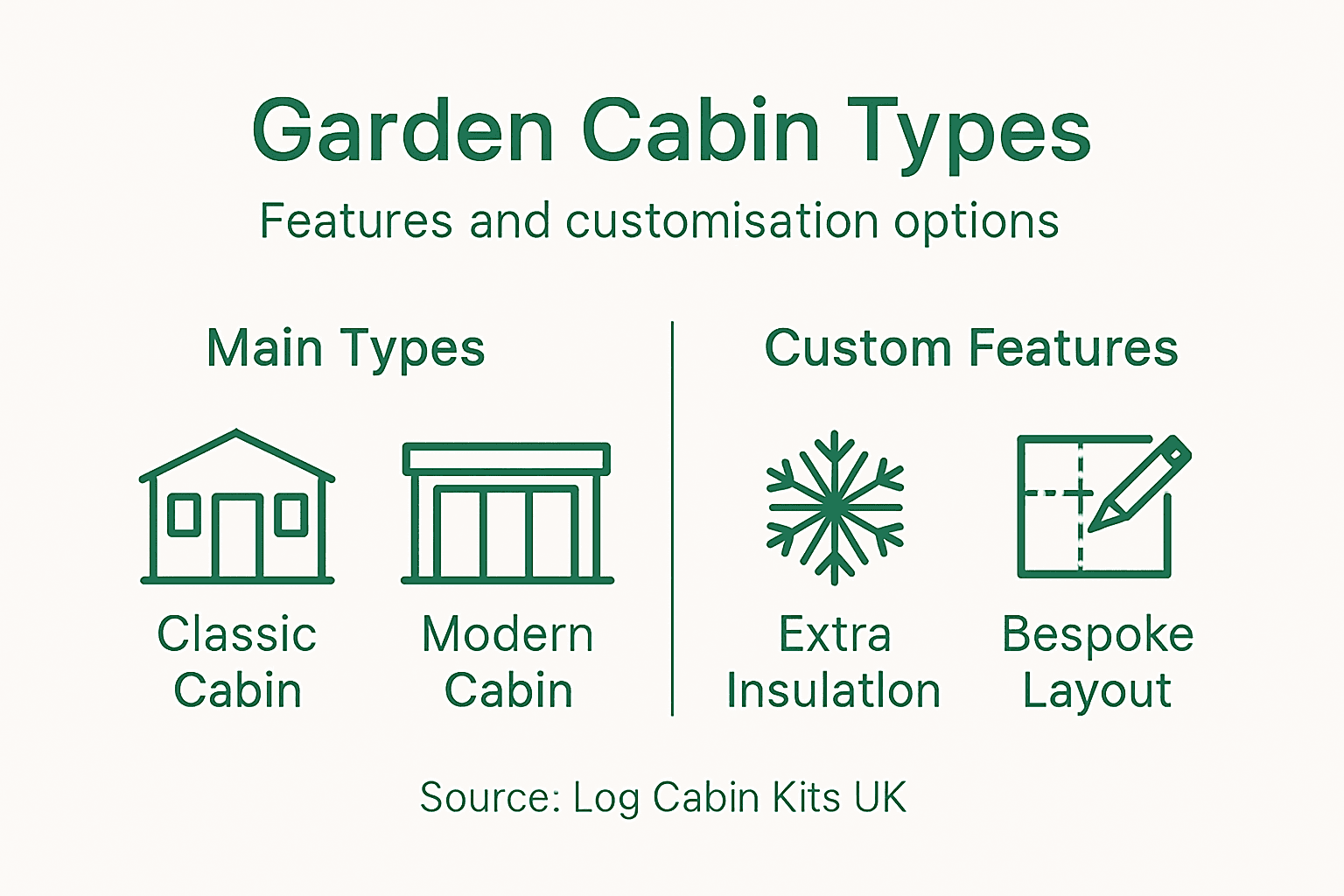
UK homeowners have access to a diverse range of garden cabin configurations designed to meet various lifestyle and spatial requirements. Garden cabin design options showcase the incredible versatility of these contemporary outdoor structures, ranging from compact studio spaces to expansive multi-functional retreats.
The primary categories of garden cabins include:
- Home Office Cabins: Professionally designed with integrated workspace features
- Leisure Cabins: Recreational spaces for relaxation and personal hobbies
- Studio Cabins: Artistic and creative spaces with excellent natural lighting
- Multipurpose Cabins: Flexible designs adapting to changing household needs
- Annexe Cabins: Self-contained living spaces with potential rental opportunities
Bespoke garden cabin options allow remarkable customisation to match individual preferences. Homeowners can select specific features like:
- Exterior timber finishes
- Roof styles and materials
- Window configurations
- Internal wall treatments
- Electrical and insulation specifications
- Foundation types
Bespoke garden cabins represent a tailored solution that transforms outdoor spaces into personalised living environments.
Modern manufacturing techniques enable precise customisation, ensuring each garden cabin can be precisely engineered to complement existing property architecture and meet specific functional requirements. Professional designers work closely with clients to translate their vision into a practical, aesthetically pleasing outdoor structure.
Pro tip: Consider consulting a professional designer who can help you balance aesthetic preferences with practical functionality when planning your bespoke garden cabin.
Features, materials and modern design
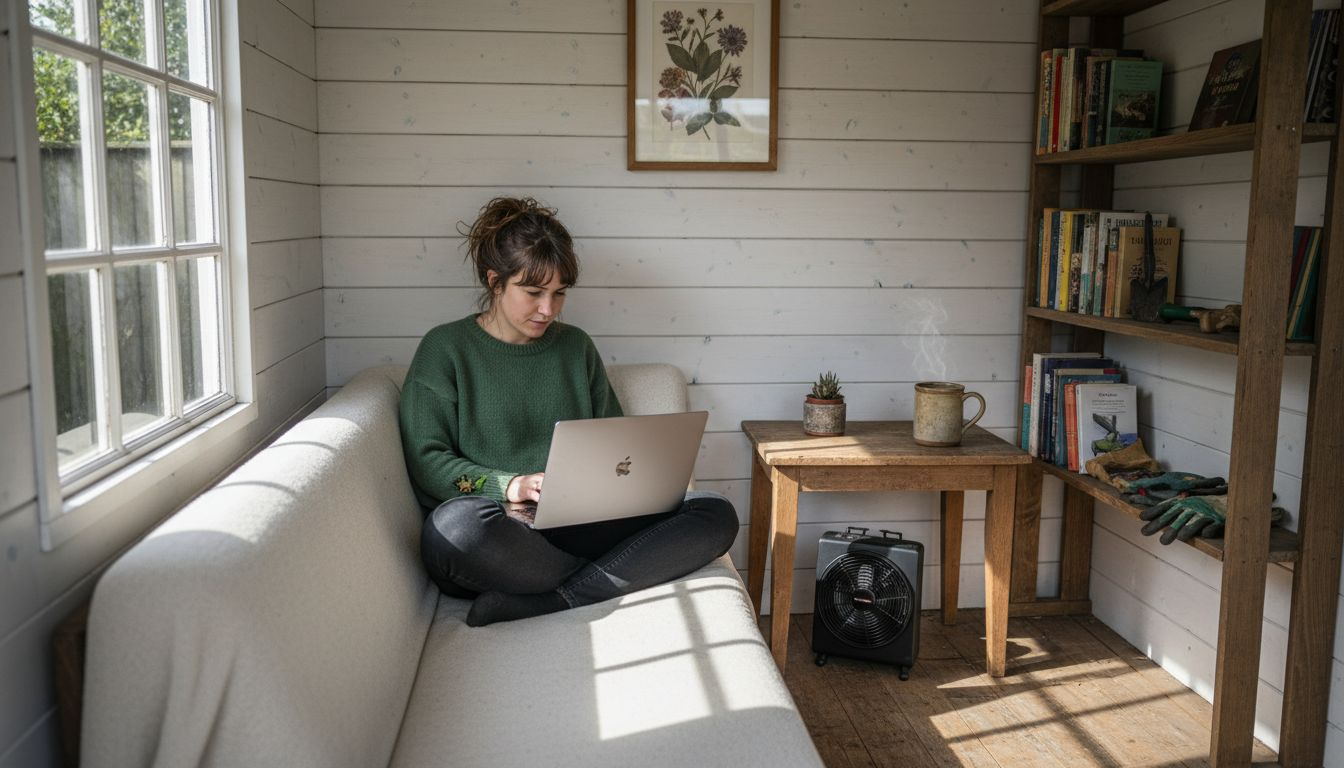
Modern garden cabins represent a sophisticated blend of architectural innovation and functional design. Modern garden design principles emphasise clean lines, minimalist aesthetics, and seamless integration with existing outdoor spaces. These structures are engineered to provide both practical utility and visual elegance.
Key architectural features of contemporary garden cabins include:
- Large panoramic windows maximising natural light
- Slim-profile aluminium framing
- Integrated solar panel options
- Sustainable timber construction
- Advanced thermal insulation systems
- Minimalist exterior cladding
- Smart home technology compatibility
The choice of materials plays a crucial role in garden cabin design. Manufacturers typically utilise high-performance materials that balance durability, aesthetic appeal, and environmental sustainability:
- Scandinavian spruce timber
- Thermowood treatments
- Recycled composite materials
- Tempered glass panels
- Aluminium-reinforced frames
- Eco-friendly protective coatings
Contemporary garden cabins are more than structures – they’re personalised living spaces that reflect individual lifestyle and design preferences.
Engineering advancements have transformed garden cabins from basic wooden structures into sophisticated living environments. Modern designs incorporate sophisticated thermal regulation, sound insulation, and adaptable interior configurations that can transform seamlessly between work, leisure, and relaxation spaces.
Pro tip: Prioritise materials with proven durability and thermal efficiency when selecting your garden cabin to ensure long-term performance and comfort.
Planning permission and UK legal rules
Navigating the legal landscape for garden cabins requires careful understanding of UK planning regulations. Planning permission guidance provides critical insights into the complex rules surrounding outdoor structures and their potential development restrictions.
Most garden cabins fall under Permitted Development Rights, which means they can be constructed without formal planning permission if they meet specific criteria:
- Total floor area under 15 square metres
- Height not exceeding 2.5 metres
- Located behind the principal elevation of the property
- Not used as self-contained living accommodation
- Located within the property’s curtilage
- Not forward of the house’s front wall
Key considerations that might require formal planning permission include:
- Structures exceeding height restrictions
- Cabins located in conservation areas
- Buildings intended for permanent residential use
- Structures covering more than 50% of garden space
- Cabins near property boundaries
- Installations in listed building settings
Homeowners must carefully verify local planning regulations, as rules can vary significantly between different local authorities.
Outbuilding planning regulations specify nuanced requirements that can impact garden cabin installations. These regulations distinguish between incidental use (permitted) and primary residential accommodation (requiring full planning permission).
Pro tip: Always consult your local planning authority and obtain written confirmation before commencing any garden cabin construction to avoid potential legal complications.
Costs, value and risks of cabin investment
Investing in a garden cabin requires careful financial planning and understanding of potential economic implications. Construction cost analysis reveals that UK homeowners can expect significant variations in pricing depending on specific project requirements and design specifications.
Typical cost breakdowns for garden cabin investments include:
- Base construction costs
- Material quality and specification
- Site preparation expenses
- Foundation and groundwork requirements
- Electrical and utility connections
- Interior finishing and customisation
- Professional design and architectural fees
Financial considerations that impact overall investment value:
- Potential property value enhancement
- Additional functional living space creation
- Reduced need for external workspace rentals
- Potential home office tax benefits
- Long-term maintenance expenses
- Energy efficiency ratings
- Durability of construction materials
Garden cabins represent more than a cost – they’re a strategic investment in lifestyle and property potential.
Risk management is crucial when considering a garden cabin investment. Homeowners should carefully evaluate factors such as local planning regulations, potential resale impact, and long-term utility to ensure the project delivers genuine value. Professional consultation can help mitigate potential financial uncertainties and guide decision-making.
Here is a summary of key factors impacting garden cabin investment outcomes:
| Factor | Influence on Value | Tips for Homeowners |
|---|---|---|
| Quality of Materials | Higher durability, longer life | Select sustainable timbers |
| Design Customisation | Enhances appeal and function | Tailor to lifestyle requirements |
| Planning Permissions | Legal compliance, avoids fines | Verify with local authority |
| Energy Efficiency | Reduces running costs | Prioritise thermal insulation |
| Site Preparation | Impacts installation quality | Allow for professional groundwork |
| Maintenance Costs | Affects long-term investment | Plan for regular upkeep |
Pro tip: Obtain multiple quotes, factor in a 15-20% contingency budget, and conduct thorough research to ensure your garden cabin investment remains financially sound.
Alternatives to garden cabins for extra space
Homeowners seeking additional living or workspace have multiple alternatives to traditional garden cabins. Each option presents unique advantages and potential challenges that require careful consideration based on individual property characteristics and specific spatial requirements.
Popular alternatives for creating extra space include:
- Loft conversions
- Utilise existing roof space
- Typically require professional architectural planning
- Can increase property value significantly
- Garage transformations
- Convert underused garage into functional space
- Lower initial construction costs
- Often simpler planning permission process
- Home extensions
- Permanent structural addition to existing property
- Maximum flexibility in design and usage
- Potential for substantial square metre increase
- Conservatory installations
- Glass-based additional living area
- Quick installation compared to other options
- Natural light enhancement
Each alternative comes with specific considerations regarding cost, complexity, and potential impact on property value:
- Planning permission requirements
- Construction timeframes
- Thermal efficiency
- Initial and ongoing maintenance expenses
- Potential return on investment
- Impact on existing property structure
Alternative space solutions should align with your specific lifestyle needs and long-term property goals.
The decision between a garden cabin and alternative space solutions depends on multiple factors including budget, available outdoor space, intended usage, and local planning regulations. Professional consultation can help homeowners navigate these complex considerations and select the most appropriate option.
Compare the main options for creating extra living space:
| Solution Type | Typical Cost Range | Planning Permission Complexity | Speed of Completion |
|---|---|---|---|
| Garden Cabin | Moderate to high | Usually low | Several weeks |
| Loft Conversion | High | Typically high | Several months |
| Garage Conversion | Moderate | Generally moderate | 2-8 weeks |
| Home Extension | Very high | Most complex | 3-9 months |
| Conservatory | Moderate | Often moderate | 2-6 weeks |
Pro tip: Conduct a comprehensive cost-benefit analysis and consult local planning authorities before committing to any space expansion project.
Discover Your Perfect Garden Cabin Solution Today
Investing in a garden cabin can solve pressing challenges such as limited living space, the need for a dedicated home office, or a relaxing retreat that transforms your outdoor environment. If you value bespoke design, durable materials, and energy efficiency as detailed in the article Why Invest In Garden Cabins: Flexible Living For UK, then exploring tailored garden cabins is your next best step. With options expertly customised to match your lifestyle needs and local planning requirements, you can enjoy year-round comfort and enhanced property value.
Unlock the potential of your garden with our comprehensive range at Log Cabin Kits. Whether you want a functional workspace or a leisure cabin designed just for you, start your journey by browsing bespoke garden cabin designs today. Act now to secure a personalised build that blends modern design with practicality and elevates your home environment.
Explore the possibilities and make your dream outdoor living space a reality by visiting Log Cabin Kits now.
Frequently Asked Questions
What is a garden cabin and how is it different from a shed?
A garden cabin is a versatile outdoor structure that provides additional living or workspace. Unlike basic sheds, garden cabins are purpose-built with high-quality timber, robust insulation, and larger interiors, designed for multiple functional uses and permanent installation.
What are the main benefits of investing in a garden cabin?
Investing in a garden cabin offers various benefits, including the creation of additional living space, flexibility for different uses such as home offices or leisure areas, and the potential to enhance property value. They can also reduce the need for external workspace rentals.
Do I need planning permission to build a garden cabin?
Most garden cabins can be constructed without formal planning permission under Permitted Development Rights, provided they meet specific criteria, such as having a total floor area under 15 square metres and not exceeding a height of 2.5 metres. However, specific local planning regulations should always be verified.
How can I customise my garden cabin to suit my needs?
Garden cabins can be customised extensively, with options like different exterior timber finishes, roof styles, window configurations, and interior layouts. Working with a professional designer can help ensure your cabin meets functional and aesthetic requirements.


