
Blog
Contemporary Garden Room: Modern Living for UK Homes

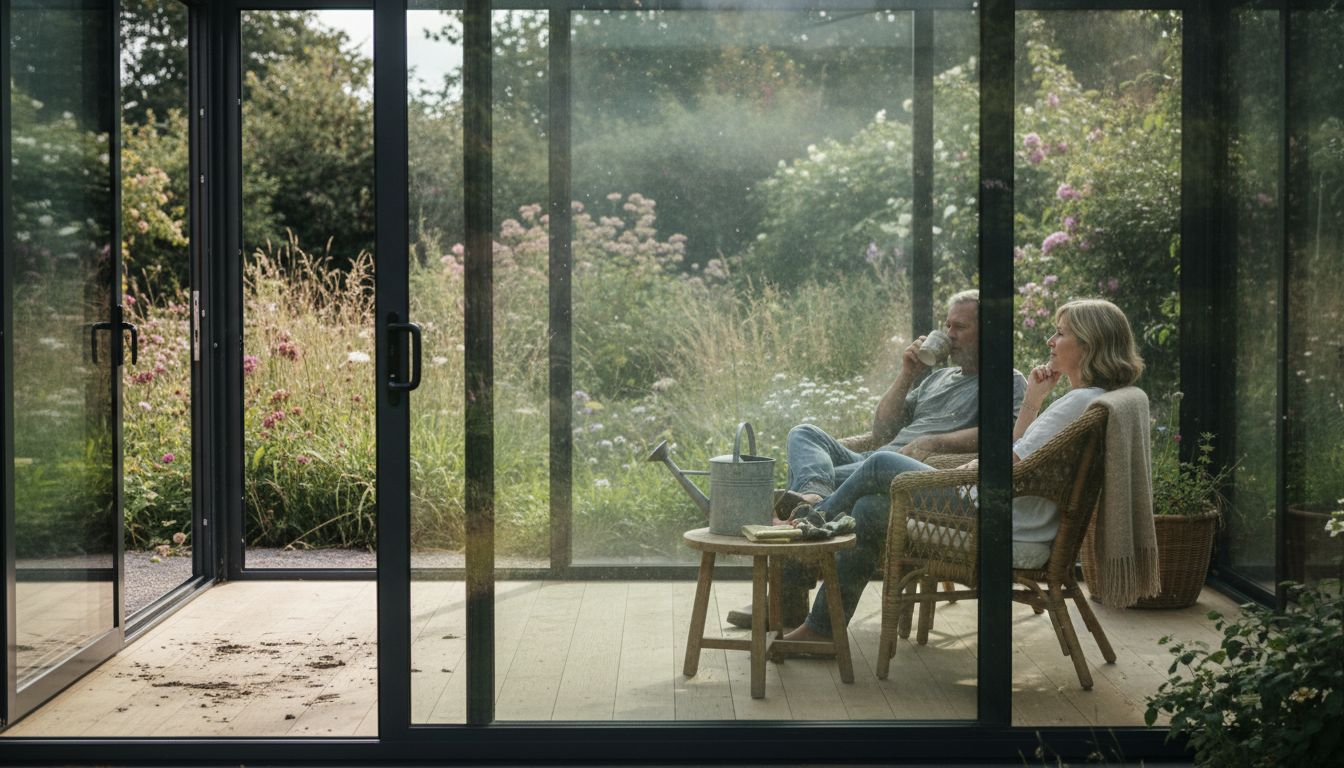
Many British homeowners now prioritise flexible living, with searches for modern garden rooms rising by over 40 percent in the past year. As work and relaxation needs shift, a bespoke garden space offers a smart alternative to costly extensions. Whether you crave a peaceful home office or a serene retreat, understanding the true potential and design possibilities of contemporary garden rooms helps you make the most of your British property.
Table of Contents
- Core Definition And Common Misconceptions
- Main Types And Style Distinctions
- Essential Design Features And Materials
- Planning Permission And Building Regulations
- Costs, Installation, And What To Avoid
Key Takeaways
| Point | Details |
|---|---|
| Contemporary Garden Rooms | They are designed as flexible, purpose-built spaces for various uses, unlike basic sheds. |
| Design Features | High-quality insulation and architectural integration are essential for functionality. |
| Planning Considerations | Most structures under 15 square metres do not require planning permission; however, check local regulations. |
| Cost Awareness | Costs can range widely, so always obtain multiple quotes and consider additional expenses. |
Core definition and common misconceptions
A contemporary garden room represents a sophisticated modern living solution that transcends traditional garden structures, offering homeowners a flexible, purpose-built space integrated seamlessly with outdoor environments. Unlike basic wooden sheds, these structures are meticulously designed living extensions that provide year-round functionality and aesthetic appeal.
Modern garden rooms have evolved significantly from their historical predecessors. Contemporary garden design principles emphasise multifunctional spaces that enhance lifestyle and wellbeing. These structures are engineered with advanced features such as superior thermal insulation, architectural precision, and design flexibility that accommodate diverse needs from home offices to creative studios.
Common misconceptions about garden rooms often stem from outdated perceptions. Many people mistakenly believe these spaces are simply glorified storage sheds or basic wooden structures. In reality, modern garden rooms are sophisticated architectural additions characterised by:
- High-quality insulation
- Modular and adaptable layouts
- Seamless integration with existing landscape
- Purpose-built design for specific functions
- Clean, minimalist aesthetic
The key distinction lies in their intentional design and technological sophistication. These spaces are not mere afterthoughts but carefully planned extensions of your living environment, crafted to enhance both functionality and aesthetic appeal.
Pro tip: When planning your garden room, consider long-term usability and invest in quality insulation and design that complements your existing property style.
Main types and style distinctions
Garden rooms in the United Kingdom represent a diverse range of architectural solutions, each designed to meet specific lifestyle needs and aesthetic preferences. Garden room variations encompass several distinctive styles, offering homeowners flexible living spaces that extend beyond traditional garden structures.
The primary categories of garden rooms include garden offices, summer houses, log cabins, contemporary garden rooms, and garden pods. Each type presents unique characteristics tailored to different functional requirements:
- Garden Offices: Professionally designed spaces with superior insulation, dedicated to creating productive remote working environments
- Summer Houses: Classic structures offering seasonal relaxation and garden entertainment zones
- Log Cabins: Rustic designs providing charming, natural wooden aesthetics
- Contemporary Garden Rooms: Minimalist structures emphasising clean lines and indoor-outdoor living
- Garden Pods: Compact, versatile units ideal for smaller garden spaces
Architectural styles in garden rooms differ significantly in construction quality, thermal efficiency, and design philosophy. Contemporary garden rooms, for instance, prioritise large glazing elements, clean geometric forms, and seamless integration with existing landscape architecture. These spaces often feature floor-to-ceiling windows, creating transparent boundaries between interior living areas and external garden environments.
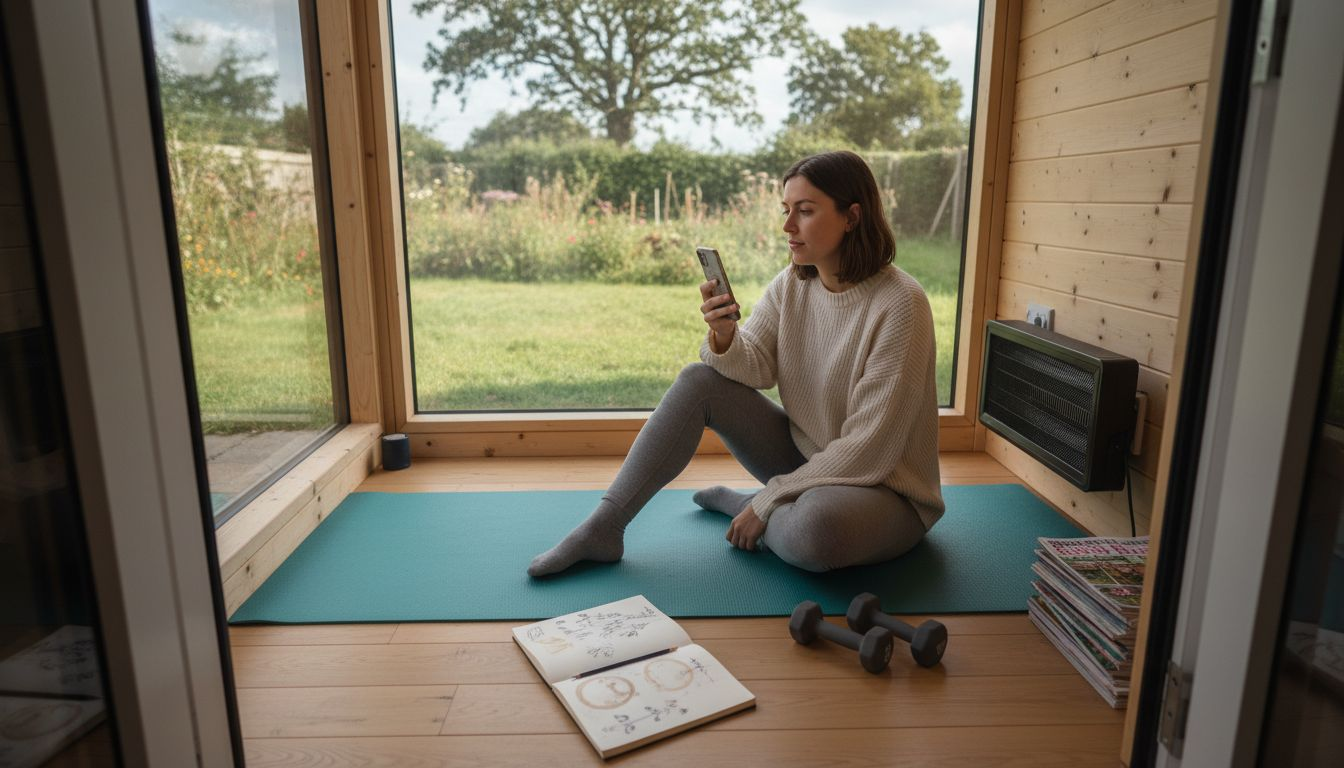
Multi-functional garden rooms have gained substantial popularity, with designs ranging from home gyms and yoga studios to creative workshops and relaxation spaces. The key consideration is selecting a style that harmonises with your property’s existing architectural language while meeting specific lifestyle requirements.
Here’s how main garden room types differ in function and appearance:
| Type | Ideal Use | Typical Aesthetic | Adaptability |
|---|---|---|---|
| Garden Office | Remote working space | Professional, modern style | Highly customisable |
| Summer House | Leisure or entertaining | Classic, airy structure | Moderate flexibility |
| Log Cabin | Rustic retreat | Timber, traditional feel | Limited versatility |
| Contemporary Room | Creative/relaxing space | Minimalist, glazed design | Highly modular |
| Garden Pod | Compact multipurpose | Futuristic, small footprint | Most space-efficient |
Pro tip: Consider your garden’s dimensions, sunlight exposure, and intended usage when selecting a garden room style to ensure optimal functionality and aesthetic alignment.
Essential design features and materials
Creating a contemporary garden room requires careful consideration of design features and materials that ensure durability, functionality, and aesthetic appeal. The selection of high-quality components is crucial in transforming a simple garden structure into a sophisticated living space that seamlessly integrates with your property’s existing architecture.
The fundamental materials for modern garden rooms typically include:
- Structural Frameworks
- Engineered timber
- Steel reinforcements
- Aluminium framing
- Exterior Cladding
- Western red cedar
- Composite panels
- Fibre cement boards
- Insulation Systems
- Mineral wool
- Closed-cell foam
- Ecological recycled materials
Thermal performance stands as a critical design consideration. High-specification garden rooms incorporate advanced insulation techniques that maintain comfortable internal temperatures throughout seasonal variations. Double or triple-glazed windows with low-emissivity coatings help regulate heat transfer, while robust weatherproofing prevents moisture ingress and ensures long-term structural integrity.
Modern garden rooms prioritise architectural integration and sustainability. Designers frequently employ modular construction methods, allowing for flexible layouts and minimising environmental impact. Roof designs range from flat contemporary styles with green sedum coverings to pitched configurations that complement traditional British architectural aesthetics. Sustainable materials like responsibly sourced timber and recycled composites are increasingly prominent, reflecting growing environmental consciousness among homeowners.
For quick reference, here are key material and design considerations for a durable contemporary garden room:
| Aspect | Preferred Choices | Contribution to Performance |
|---|---|---|
| Structure | Engineered timber, steel | Strength, longevity |
| Exterior Cladding | Cedar, composite panels | Weather resistance, low upkeep |
| Insulation | Mineral wool, recycled foam | Year-round comfort, energy save |
| Glazing | Double/triple, low-emissivity | Enhanced light, thermal control |
Pro tip: Prioritise material quality and thermal efficiency over initial cost savings, as superior construction will provide better long-term value and performance.
Planning permission and building regulations
Undertaking a garden room project requires careful navigation of the United Kingdom’s complex planning permission guidelines. Most garden rooms fall under permitted development rights, which means homeowners can construct structures without formal planning permission, provided specific criteria are met.
Key regulations for garden room construction include:
- Structures under 15 square metres typically do not require building regulations approval
- Maximum height restrictions apply:
- 2.5 metres near property boundaries
- 3-4 metres for structures set further back
- Cannot be used as self-contained living accommodation
- Must be standalone and not connected to the main property
Certain conditions significantly impact planning requirements. Building regulation compliance becomes mandatory for structures larger than 30 square metres or intended for sleeping. Properties located in conservation areas, listed buildings, or areas with additional planning restrictions will require more comprehensive approvals.
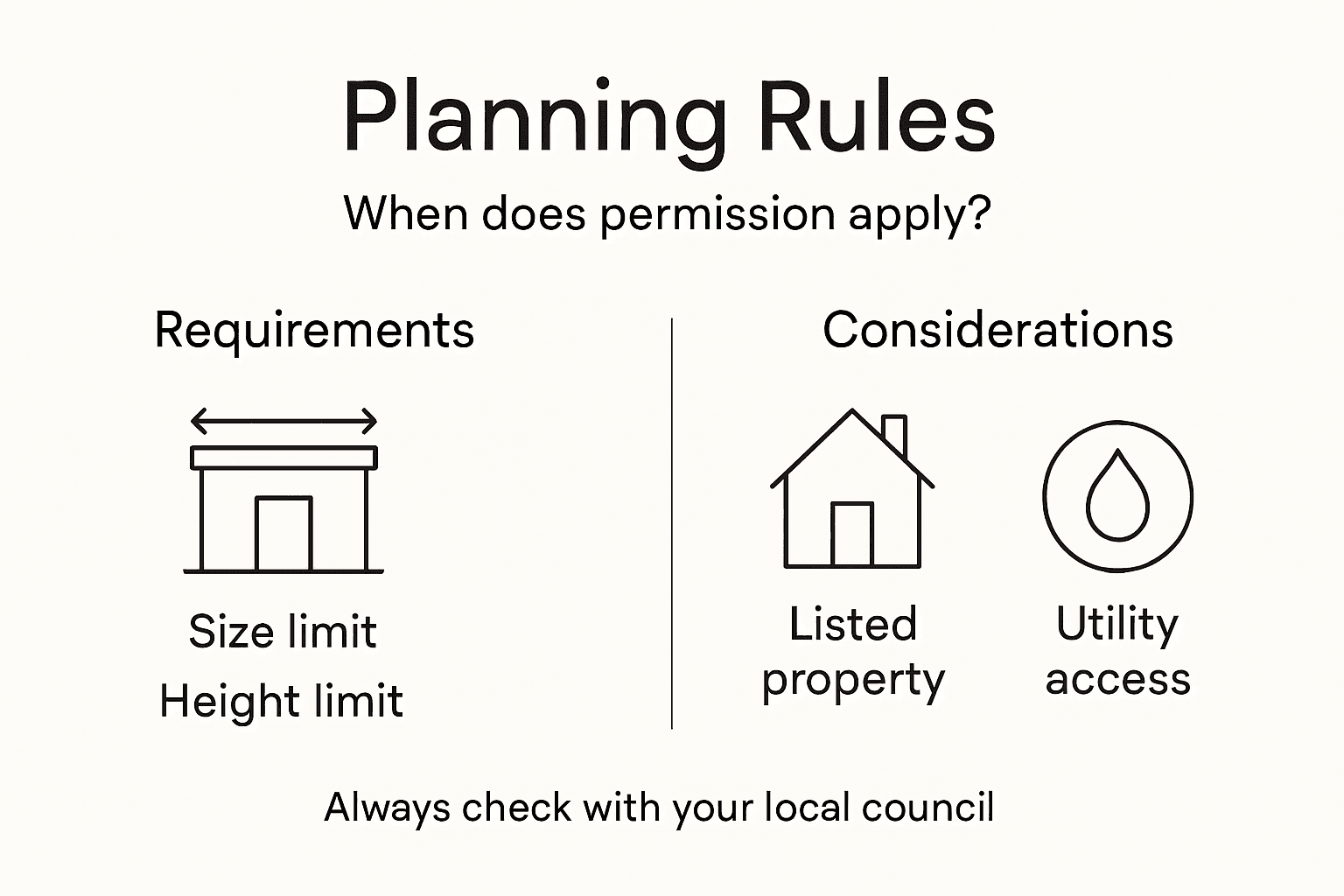
Homeowners must also consider local authority specific guidelines, which can vary between different councils. Factors such as proximity to boundaries, total plot coverage, and the intended use of the garden room will determine the level of permission required. Professional consultation with local planning departments is recommended to ensure full compliance and avoid potential enforcement actions.
Pro tip: Always consult your local planning authority and obtain written confirmation of permitted development status before commencing garden room construction.
Costs, installation, and what to avoid
Understanding the financial landscape of garden room construction is crucial for homeowners planning their project. Garden room costs can vary dramatically, ranging from budget-friendly options starting at £80 per square metre to premium, fully-finished spaces costing over £2,000 per square metre.
Typical cost breakdown for garden room projects includes:
- Basic Structure
- £80-£120 per square metre
- Simple design, minimal features
- Mid-Range Rooms
- £500-£1,000 per square metre
- Enhanced insulation, better materials
- Premium Installations
- £1,500-£2,500 per square metre
- High-end finishes, complex designs
- Installation Labour
- £700-£1,800 additional cost
- Dependent on project complexity
Critical factors that impact overall expenditure include site preparation, utility connections, and bespoke design elements. Homeowners frequently underestimate additional expenses such as groundwork, electrical installations, and potential groundwater management. Large architectural features like bi-fold doors or integrated technology can substantially increase the total project budget.
Common mistakes to avoid during garden room installation involve inadequate planning, overlooking foundational requirements, and failing to account for long-term maintenance. Selecting inappropriate materials for British weather conditions, neglecting proper insulation, or choosing designs that do not complement existing property architecture can lead to costly future modifications.
Pro tip: Always obtain multiple quotes, factor in a 15-20% contingency budget, and prioritise quality of construction over initial cost savings.
Transform Your Outdoor Space with Bespoke Contemporary Garden Rooms
Are you ready to overcome common challenges like poor insulation, limited functionality, or outdated garden structures discussed in the article? At Log Cabin Kits, we understand the desire for a modern garden room that combines high-quality materials, thermal efficiency, and sleek minimalist design to create the perfect year-round living or work space. Whether you want a creative retreat, a productive garden office, or a stylish relaxation zone our bespoke, custom options ensure a seamless fit with your UK home’s architecture and lifestyle needs.
Discover how easy it is to upgrade your garden environment with purpose-built, insulated garden buildings designed for durability and aesthetic appeal. Visit Log Cabin Kits today to explore a wide range of tailor-made solutions and capitalise on materials and designs that align with the latest contemporary trends. Take the next step now and enjoy the benefits of a stunning garden room created just for you.