

Blog

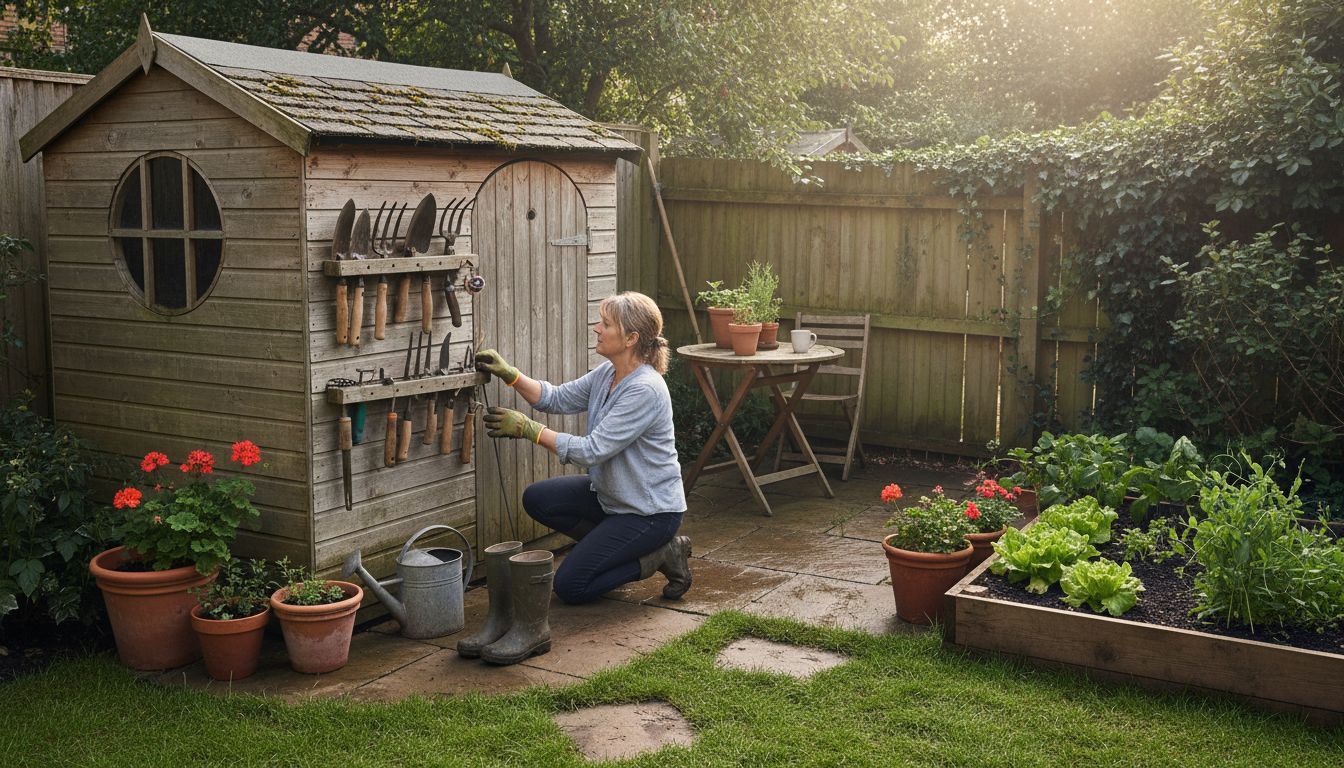
More than one in three British homeowners say limited garden space restricts their outdoor plans. Creating a functional and stylish retreat in small gardens remains a real challenge, especially with unpredictable British weather and unique property layouts. If you want to make the most of every square metre, these smart solutions reveal how British garden lovers can turn constraints into opportunities with creative garden buildings and clever storage strategies.
Table of Contents
- 1. Choose Multi-Use Garden Rooms For Flexibility
- 2. Opt For Compact Sheds To Save Space
- 3. Install Vertical Storage For Tools And Equipment
- 4. Use Bespoke Summerhouses To Fit Any Size
- 5. Try Modular Greenhouses For Small Gardens
- 6. Create Covered Seating With Small Pergolas
- 7. Maximise Corners With Custom Structures
Quick Summary
| Key Message | Explanation |
|---|---|
| 1. Choose Multi-Use Garden Rooms for Versatility | Multi-use garden rooms cater to various needs, acting as home offices, studios, or relaxation zones, adding value and functionality to your garden space. |
| 2. Opt for Compact Sheds to Enhance Storage | Compact garden sheds optimise space and storage, ideal for small gardens while remaining aesthetically pleasing and often exempt from complex building regulations. |
| 3. Utilize Vertical Storage for Efficiency | Implementing vertical storage solutions, such as wall-mounted systems, maximises space in small garden buildings while ensuring tools are organised and easily accessible. |
| 4. Create Custom Structures for Corner Spaces | Custom structures transform neglected corners into functional areas, using innovative designs to maximise garden potential and add visual interest. |
| 5. Incorporate Modular Greenhouses for Growing Potential | Modular greenhouses allow gradual expansion and adaptability, perfect for small gardens, enabling efficient plant cultivation and optimised growing environments. |
1. Choose Multi-Use Garden Rooms for Flexibility
Uk garden enthusiasts are increasingly discovering the transformative potential of multi-use garden rooms, offering unprecedented versatility for outdoor living spaces. These ingenious structures provide homeowners with adaptable solutions that can seamlessly transition between various functions without compromising on style or practicality.
A multi-use garden room represents more than just an additional building it is a dynamic space that can effortlessly adapt to your changing lifestyle needs. Whether you require a home office, workout studio, art workshop, or relaxation retreat, these flexible structures can be designed to accommodate multiple purposes. Exploring multi-room garden building options reveals the incredible potential of these versatile garden buildings.
Key Benefits of Multi-Use Garden Rooms:
- Adaptable Design: Configure spaces that can change with your requirements
- Cost Effective: Eliminate the need for separate dedicated rooms
- Space Efficient: Maximise your garden’s potential without major construction
- Increased Property Value: Add functional square footage to your home
Consider how a multi-use garden room could transform your outdoor living experience. By selecting a flexible design with modular interiors and clever zoning, you can create a space that works harder and smarter for your lifestyle. The key is strategic planning and understanding your potential future needs.
Modern multi-use garden rooms come with sophisticated features like movable partitions, convertible furniture, and intelligent lighting systems that support seamless transitions between different functions. This means your garden building can serve as a professional workspace during the day and transform into a serene evening relaxation zone with minimal effort.
2. Opt for Compact Sheds to Save Space
Garden lovers with limited outdoor areas can unlock remarkable potential by selecting compact garden sheds designed to maximise space efficiency. These ingenious storage solutions offer a smart approach to managing garden equipment while maintaining a sleek aesthetic in smaller garden environments.
Compact garden sheds represent an intelligent strategy for homeowners seeking practical storage without overwhelming their limited landscape. Exploring compact garden shed options reveals numerous innovative designs that can transform restricted spaces into functional storage zones.
Advantages of Choosing Compact Garden Sheds:
- Space Optimisation: Perfect for restricted garden areas
- Efficient Storage: Intelligent design maximises internal capacity
- Cost Effective: Generally less expensive than larger structures
- Planning Permission: Often exempt from complex building regulations
When selecting a compact shed, consider vertical storage solutions like integrated shelving and wall hooks to enhance spatial efficiency. Narrow designs with clever internal configurations can store substantial amounts of gardening equipment without consuming excessive ground space. Look for models with sliding or bifold doors that require minimal clearance and offer maximum accessibility.
Modern compact sheds come in diverse materials including weather resistant timber, metal, and durable plastic composites. Each material offers unique advantages tailored to different garden environments and storage requirements. Your choice should balance aesthetic preferences with practical functionality while respecting your specific garden layout and storage needs.
3. Install Vertical Storage for Tools and Equipment
Garden enthusiasts often struggle with limited storage space, making vertical storage solutions a game changing approach to organisation and efficiency. By thinking upwards instead of outwards, you can transform even the smallest garden building into a remarkably functional workspace.
Mike Robinson’s innovative tiny workshop design demonstrates how strategic vertical storage can maximise every square centimetre of available space. The key is to utilise wall space systematically and creatively.
Vertical Storage Strategies:
- Wall Mounted Pegboards: Versatile and customisable tool organisation
- Magnetic Tool Strips: Perfect for metal gardening implements
- Hanging Racks: Ideal for longer items like rakes and spades
- Shelving Systems: Multilevel storage for varied equipment sizes
Consider investing in adjustable mounting systems that allow you to reconfigure your storage as your tool collection evolves. Robust metal brackets and heavy duty wall anchors will ensure your storage solutions remain secure and dependable.
Pro gardeners recommend grouping tools by frequency of use, placing most accessed items at eye level and seasonal or rarely used equipment higher up. Colour coding or using clear labelling can further enhance your organisational system, making tool retrieval swift and intuitive.
Remember that effective vertical storage is not just about saving space it is about creating an efficient workflow that makes your gardening experience more enjoyable and productive. With thoughtful implementation, even the most compact garden building can become a highly organised toolkit haven.
4. Use Bespoke Summerhouses to Fit Any Size
Uk garden lovers with limited outdoor spaces can transform their landscaping challenges into opportunities by selecting bespoke summerhouses tailored precisely to their unique garden dimensions. Custom garden buildings offer an intelligent solution for maximising both aesthetic appeal and functional space.
Bespoke garden buildings provide remarkable flexibility for homeowners seeking personalised outdoor structures that complement their specific landscape requirements. The ability to customise dimensions ensures that no garden space goes underutilised.
Advantages of Bespoke Summerhouse Design:
- Precise Measurements: Perfectly matched to available garden area
- Design Flexibility: Personalised to individual aesthetic preferences
- Optimised Functionality: Tailored to specific usage requirements
- Enhanced Property Value: Custom solutions that complement existing architecture
Consider working with manufacturers who offer comprehensive customisation options. This might include selecting specific roof styles, window placements, external cladding materials, and interior configurations that align with your exact needs. Professional designers can help translate your vision into a practical garden building solution.
When planning your bespoke summerhouse, measure your available space meticulously. Consider not just floor dimensions but also headroom, potential solar orientation, and surrounding landscape features. A well designed summerhouse should feel like a natural extension of your garden rather than an awkward addition.
Think beyond traditional rectangular designs. Triangular or irregularly shaped summerhouses can unlock potential in challenging garden layouts, transforming previously unusable corners into delightful functional spaces. Your imagination and a skilled designer are the only true limitations.
5. Try Modular Greenhouses for Small Gardens
Modern gardeners with limited outdoor spaces can unlock extraordinary growing potential through innovative modular greenhouse designs that maximise every square centimetre of available area. These adaptable structures offer an intelligent solution for cultivating plants in compact urban and suburban gardens.
The Royal Horticultural Society provides comprehensive guidance on selecting modular greenhouses that transform small garden spaces into productive growing environments. Modular designs allow gardeners to expand or reconfigure their greenhouse as gardening needs evolve.
Benefits of Modular Greenhouse Solutions:
- Scalable Design: Easily add or remove sections
- Space Efficient: Perfect for compact garden layouts
- Cost Effective: Incremental investment options
- Flexible Configurations: Adapt to changing gardening requirements
Consider starting with a basic module that fits your current garden space and budget. Many manufacturers offer interlocking panels and extension kits that allow you to grow your greenhouse gradually. Aluminium framed designs are particularly lightweight and resistant to weathering, making them ideal for British garden conditions.
When planning your modular greenhouse, assess sunlight exposure and ground levelling. Even small garden spaces can become productive growing zones with strategic placement. Think vertically by incorporating shelving systems and hanging planters to maximise your growing capacity.
Experienced gardeners recommend selecting modular greenhouses with adjustable ventilation and robust weatherproof seals. These features ensure optimal growing conditions while protecting delicate plants from unpredictable British weather. Your compact greenhouse can become a thriving microclimate for herbs, vegetables and ornamental plants.
6. Create Covered Seating with Small Pergolas
Garden lovers with limited outdoor spaces can transform their landscape into an inviting retreat by incorporating small pergolas that provide elegant covered seating areas. These versatile structures offer both aesthetic appeal and functional protection from unpredictable British weather.
The Royal Horticultural Society recommends strategic pergola design to enhance garden functionality and create intimate outdoor living spaces. Small pergolas can serve as charming focal points that maximise the potential of compact garden environments.
Advantages of Small Pergola Seating Areas:
- Architectural Interest: Add visual structure to garden spaces
- Weather Protection: Create sheltered outdoor relaxation zones
- Space Efficient: Work perfectly in smaller garden layouts
- Versatile Design: Adaptable to various garden styles
When selecting a pergola for a small garden, consider lightweight materials like aluminium or treated timber that provide durability without overwhelming the space. Narrow designs with vertical elements can create the illusion of height and make compact areas feel more expansive.
Think creatively about integrating climbing plants such as jasmine, wisteria or clematis to soften the pergola structure and add natural greenery. Strategic placement near existing garden features can create seamless transitions and enhance the overall landscape design.
Remember that lighting can transform your pergola seating area into an enchanting evening retreat. Solar powered string lights or discrete LED fixtures can create a magical atmosphere without requiring complex electrical installations. Your small pergola can become a stunning centrepiece that extends your outdoor living potential.
7. Maximise Corners with Custom Structures
Homeowners with limited garden spaces can unlock remarkable potential by transforming often overlooked corner areas into functional and visually appealing zones. Intelligent custom structures can breathe new life into these seemingly awkward garden spaces, turning neglected corners into stunning focal points.
The Royal Horticultural Society offers expert guidance on strategic corner space utilisation, demonstrating how thoughtful design can maximise every square centimetre of outdoor environments. Custom structures provide an innovative solution for gardens with challenging layouts.
Corner Space Transformation Strategies:
- Triangular Structures: Perfect for acute angle spaces
- Vertical Storage Solutions: Utilise height effectively
- Multifunctional Designs: Combine storage with aesthetic appeal
- Integrated Seating Areas: Create comfortable nooks
Consider triangular garden buildings or shelving units specifically designed to fit corner geometries. Lightweight materials like aluminium or treated timber can create structures that feel open and unobtrusive while providing substantial functionality. Modular designs allow for future adaptations as your garden evolves.
Pro gardeners recommend incorporating vertical elements such as climbing plants or wall mounted storage to draw the eye upward and create an illusion of expanded space. Mirrors strategically placed can also enhance the perception of depth and openness in compact corner areas.
Remember that corner structures are not just about storage they are opportunities to introduce character and personality into your garden. Choose designs that reflect your personal style while addressing practical requirements, transforming dead spaces into vibrant garden features.
Below is a comprehensive table summarizing the main strategies and benefits of utilising various types of garden structures as discussed throughout the article.
| Strategy | Implementation | Benefits |
|---|---|---|
| Multi-Use Garden Rooms | Design flexible spaces with modular interiors and clever zoning. | Versatile for multiple functions, cost effective, adds property value. |
| Compact Garden Sheds | Utilise vertical storage and intelligent internal layouts. | Space optimisation, efficient storage, often exempt from planning permission. |
| Vertical Storage Solutions | Implement wall mounted pegboards, magnetic tool strips, and shelving. | Maximises space, enhances organisation, improves workflow efficiency. |
| Bespoke Summerhouses | Customise dimensions and aesthetics to fit garden space. | Perfectly matched to garden size, enhances property value, optimised functionality. |
| Modular Greenhouses | Start with a basic module and expand if needed. | Scalable, space efficient, cost effective, flexible configurations. |
| Small Pergolas | Integrate lightweight materials and climbing plants. | Adds architectural interest, provides weather protection, creates a focal point. |
| Custom Corner Structures | Use triangular designs and vertical storage. | Utilises neglected areas, multifunctional, adds character and style. |
Transform Your Small Garden Challenges into Clever Solutions Today
Limited garden space often leads to frustration when trying to find the perfect balance between functionality and style. This article highlights the need for flexible, space-saving garden buildings such as multi-use rooms, compact sheds, bespoke summerhouses and modular greenhouses that adapt to your lifestyle. If you are aiming to maximise space while enhancing your outdoor living experience, bespoke designs customised precisely to your garden’s dimensions can be the answer you have been searching for.
Discover how bespoke garden buildings can perfectly fit your unique outdoor space and lifestyle demands. Embrace the freedom to choose designs that offer both beauty and practicality with options tailored specifically for small gardens. Explore our collection of customisable garden structures that combine innovative features with elegant craftsmanship. There is no time like now to reinvent your garden with smart, stylish spaces that work as hard as you do. Visit Log Cabin Kits UK to start transforming your outdoor area today.


