
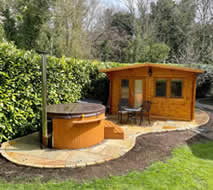
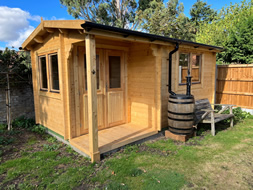
Cabin roof pitch: why it matters for your garden log cabin
TL;DR:
- Choosing a roof pitch of 6/12 to 8/12 ensures effective water drainage, ventilation, and good aesthetics for UK garden log cabins. Steeper pitches above 9/12 increase material and labor costs without significant practical benefits, while lower pitches risk leaks and premature failure in wet climates. Prioritizing climate suitability and proper ventilation early prevents costly mistakes and enhances your cabin’s durability and energy efficiency.
Roof pitch is defined as the ratio of a roof’s vertical rise to its horizontal run, and understanding the importance of cabin roof pitch is the single most useful thing you can do before planning your garden log cabin. Get it right and your cabin stays dry, warm, and structurally sound for decades. Get it wrong and you could be looking at leaks, rot, and a roof replacement far sooner than you’d expect. This guide walks you through everything you need to know, from weather resistance and energy efficiency to aesthetics and cost, so you can make a confident choice.
How does roof pitch affect weather resistance and cabin lifespan?
Roof pitch is your cabin’s first line of defence against rain, snow, and wind. The steeper the pitch, the faster water and snow slide off. The flatter it is, the longer moisture sits on the surface, and that’s where problems begin.
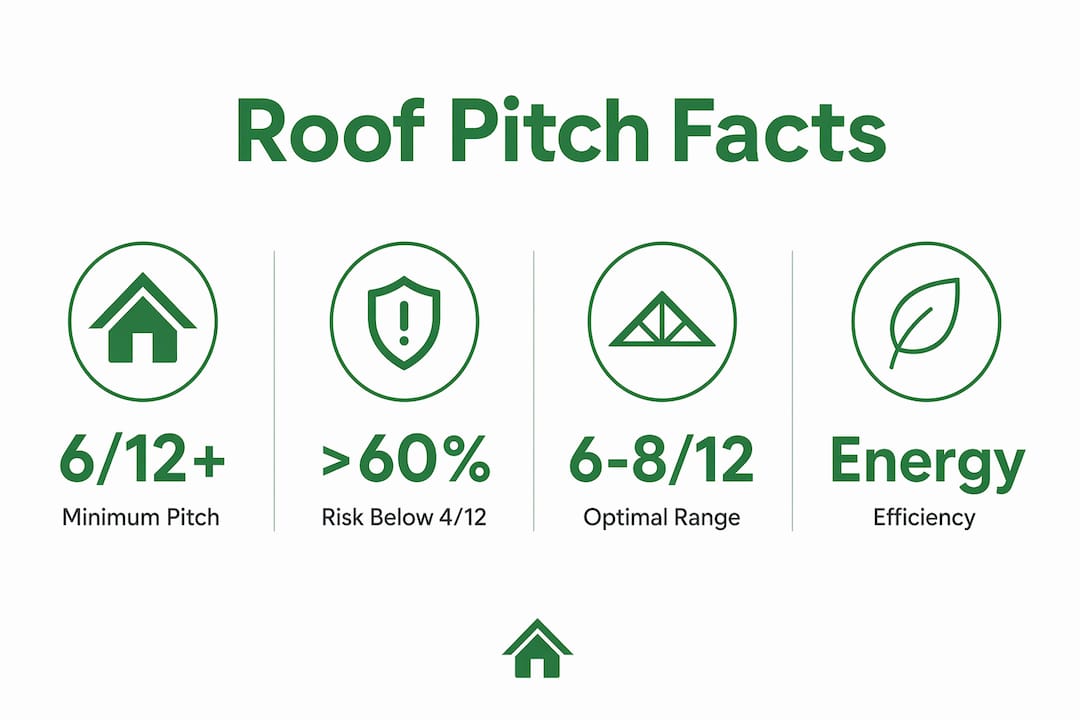
Cabins with a pitch below 4/12 face over 60% greater risk of premature failure in climates with significant rainfall or snowfall. That’s a striking figure, and it means a roof that looks perfectly fine during a dry summer can start failing within a few years once the wet seasons arrive. For UK garden cabins, where rain is a near-constant companion, this matters enormously.
Pitches between 6/12 and 12/12 shed snow and water effectively, reducing the risk of pooling, leaks, and the rot that follows. A 6/12 pitch means the roof rises 6 inches for every 12 inches of horizontal run. That’s a moderately steep slope, enough to keep water moving without making the roof feel imposing or out of place in a typical garden setting.
Here’s a quick breakdown of how pitch ranges perform in different conditions:
- Below 3/12: Only suitable for very dry climates. Requires specialist waterproofing materials such as EPDM rubber membranes. Standard roofing felt or tiles cannot be used reliably.
- 3/12 to 5/12: A low-to-moderate pitch. Workable in mild climates but needs careful material selection. Low-pitch roofs often require expensive EPDM or ice-and-water shielding, which offsets any initial cost savings.
- 6/12 to 9/12: The sweet spot for most UK garden log cabins. Good drainage, compatible with a wide range of roofing materials, and manageable construction costs.
- 10/12 and above: Excellent weather performance and a striking visual presence, but material use and labour costs rise sharply.
Pro Tip: If your garden cabin sits beneath overhanging trees or in a shaded spot that stays damp, lean towards a 6/12 pitch or steeper. Moisture lingers longer in shaded areas, and a steeper slope gives it less chance to cause damage.
For roofing materials suited to UK pitches, the choice between felt, shingles, and metal roofing depends heavily on the angle you choose. Matching material to pitch isn’t optional. It’s what keeps your cabin watertight.
Does roof pitch improve ventilation and energy efficiency?
A steeper roof does more than shed rain. It creates attic space, and that space is where ventilation and insulation do their work. More volume above the cabin ceiling means better airflow, less heat build-up in summer, and more room for insulation in winter.
A roof pitch of 6/12 or higher with good ventilation can reduce heating and cooling energy use by 10 to 20% through improved attic air circulation. For a garden cabin used as a home office or studio, that’s a meaningful saving over the course of a year.
Here’s how to make the most of your roof pitch for ventilation and energy performance:
- Choose a pitch of at least 6/12. This creates enough attic volume to install ridge vents and soffit vents, which work together to draw cool air in at the eaves and push warm air out at the ridge.
- Install a breathable roofing membrane. This sits beneath your tiles or felt and allows moisture vapour to escape without letting water in, reducing condensation in the roof space.
- Add insulation between and above the rafters. A steeper pitch gives you more depth to work with. Combining rigid insulation boards with mineral wool between rafters achieves the best thermal performance.
- Avoid blocking soffit vents. It’s a common mistake during installation. Blocked vents defeat the purpose of a well-pitched roof entirely.
You can read more about cabin ventilation and comfort to understand how roof design connects to the air quality inside your cabin. Poor ventilation leads to condensation, mould, and an uncomfortable space regardless of how well-built the walls are. The roof pitch sets the conditions for everything else to work properly.
For detailed guidance on insulating your cabin roof, the pitch you choose directly affects which insulation methods are practical and how effective they’ll be.
Balancing style and practicality when choosing your roof pitch
Roof pitch shapes the character of a cabin as much as any other design choice. A shallow pitch gives a modern, low-profile look. A steep pitch creates a traditional, cottage-style feel. Neither is wrong, but both come with trade-offs.
| Roof style | Typical pitch range | Character | Key consideration |
|---|---|---|---|
| Gable (standard) | 5/12 to 9/12 | Classic, versatile | Most common for UK garden cabins |
| A-frame | 10/12 to 18/12 | Dramatic, alpine | High material and labour costs |
| Hip roof | 4/12 to 6/12 | Neat, compact | Better wind resistance, more complex build |
| Mono-pitch (lean-to) | 2/12 to 5/12 | Minimal, contemporary | Needs careful waterproofing |
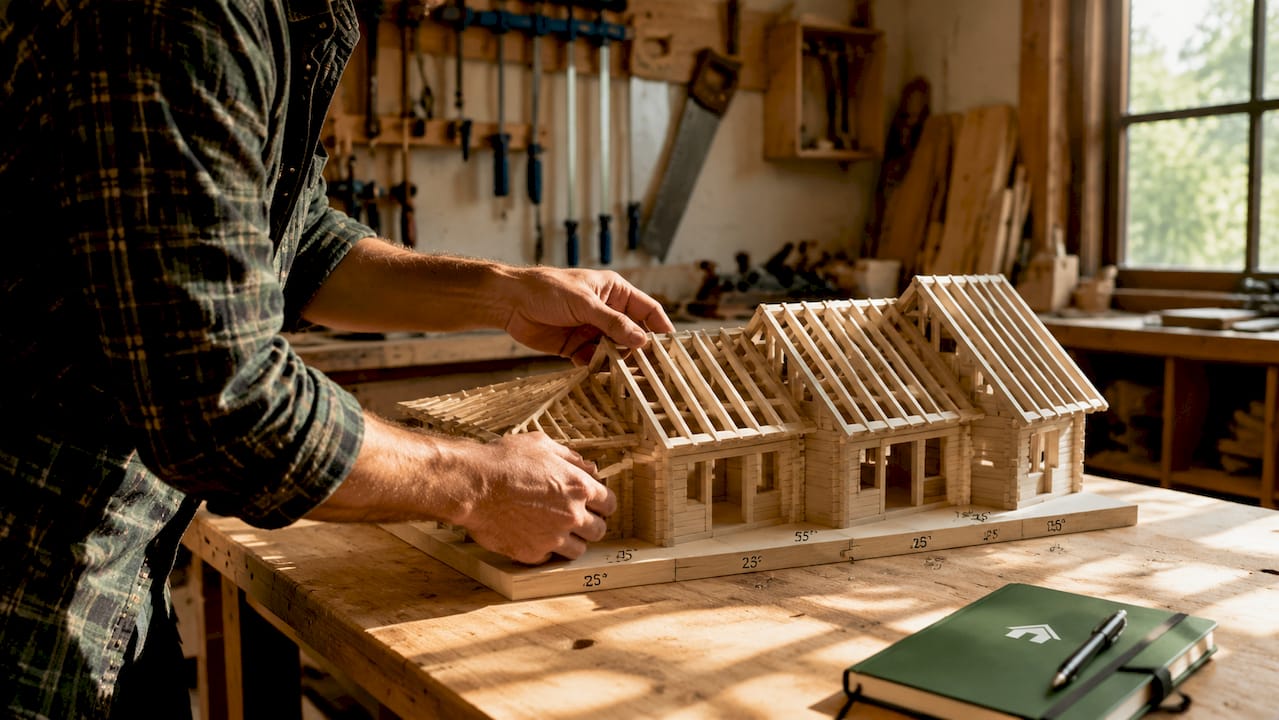
Matching your roof pitch to the local architectural style, typically 4/12 to 6/12 in most UK residential areas, can increase property resale value by 5 to 10%. A cabin that looks at home in its surroundings adds to the overall appeal of your property rather than standing out awkwardly.
Cost is the other side of this equation. Steep pitches of 9/12 to 12/12 often require professional fall-arrest systems during construction, which can increase labour costs by 20 to 50%. Beyond that, steeper pitches increase roof surface area and material needs by around 30%, raising both material and labour costs further. A pitch that looks stunning in a design sketch can become a budget challenge once you price it up properly.
Pro Tip: For most UK garden log cabins, a pitch between 6/12 and 8/12 hits the best balance. You get solid weather performance, a pleasing traditional look, and construction costs that don’t spiral. Going steeper than 12/12 offers diminishing functional returns and greater wind resistance without meaningful extra benefit.
Common mistakes to avoid when selecting cabin roof pitch
Most roof pitch mistakes come down to one of two things: choosing a pitch based on looks alone, or misunderstanding how pitch is measured. Both are easy to avoid once you know what to watch for.
- Prioritising appearance over climate suitability. Builders often prioritise appearance over climate suitability, risking premature roof failure. A beautiful low-pitch roof in a rainy UK garden is a maintenance problem waiting to happen.
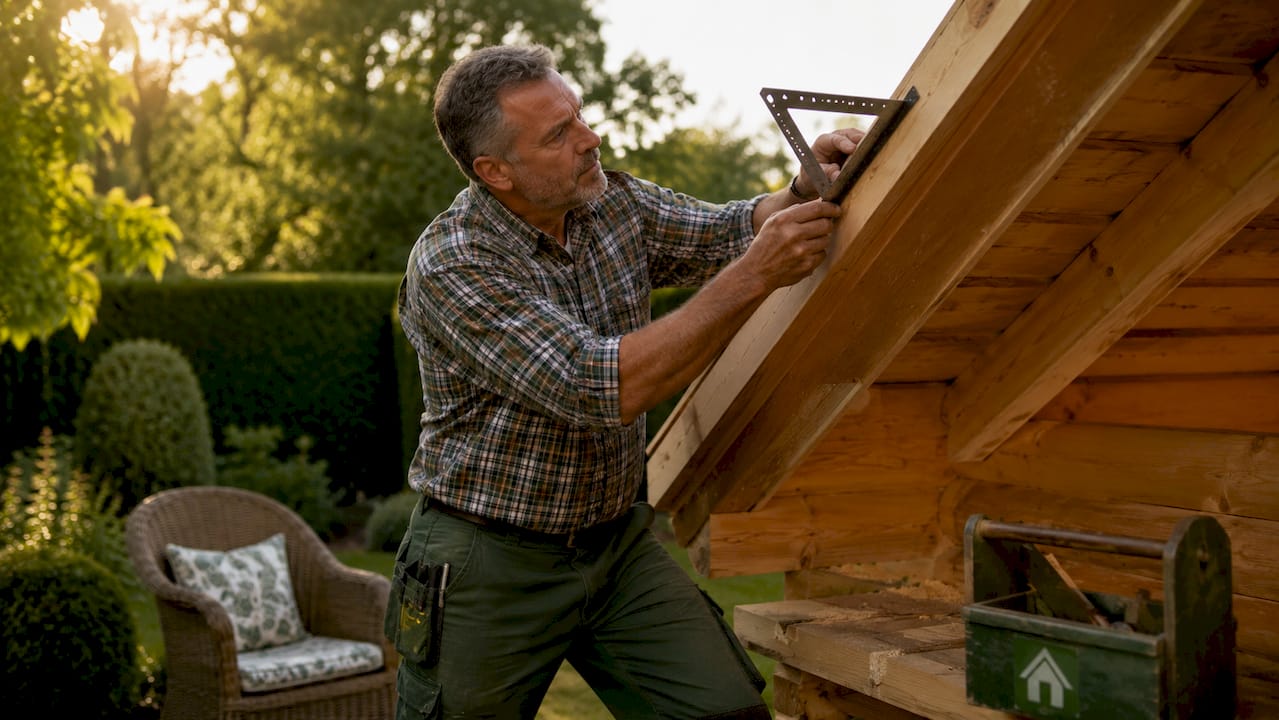
- Confusing pitch with angle. A 12/12 pitch equals a 45-degree angle, not 90 degrees. This is a surprisingly common error that leads to wrong rafter length calculations and costly material ordering mistakes.
- Choosing complex roof shapes in wet or snowy climates. Roofs with valleys can trap snow and ice, causing localised structural stress and leaks even when the main pitch is adequate. Simple gable roofs are far more reliable in challenging weather.
- Underestimating maintenance on very steep roofs. A pitch above 12/12 is harder and more dangerous to access for cleaning, repairs, or moss removal. Factor in long-term maintenance access, not just the initial build.
- Ignoring building regulations. Roof pitch affects roofing material legality and building code compliance. Some materials have minimum pitch requirements, and using them below that threshold can void warranties and create planning issues.
How to choose the right roof pitch for your garden log cabin
Picking the right pitch doesn’t need to be complicated. Work through these steps and you’ll arrive at a decision that suits your climate, budget, and style.
- Check your local climate. If you’re in a part of the UK with heavy rainfall or occasional snow, aim for a minimum pitch of 6/12. Drier southern regions can work with 4/12 to 5/12, provided you choose appropriate materials.
- Review local planning guidelines. Some areas have restrictions on roof height or pitch, particularly in conservation areas or where permitted development rules apply. Check before you design.
- Choose roofing materials that suit your pitch. Concrete or clay tiles typically need a minimum of 4/12 to 5/12. Felt and EPDM work at lower pitches. Metal roofing is flexible across a wide range.
- Plan your ventilation strategy early. Decide whether you want ridge and soffit vents, and make sure your chosen pitch creates enough attic depth to accommodate them. This is much easier to plan before build than to retrofit later.
- Get professional input on steep pitches. If you’re considering anything above 9/12, speak to a builder about safety requirements and access scaffolding. The costs are real and worth knowing upfront.
- Use a pitch calculator. Online tools let you input your cabin’s span and desired pitch to calculate rafter lengths and roof surface area. This helps you budget accurately and avoid the measurement errors mentioned above.
For ongoing roof maintenance advice once your cabin is built, keeping the roof in good condition is much simpler when the pitch was chosen correctly from the start.
Key takeaways
Roof pitch is the single most consequential structural decision in garden log cabin design, directly determining weather resilience, energy performance, and long-term maintenance costs.
| Point | Details |
|---|---|
| Minimum pitch for UK cabins | A pitch of 6/12 or above is recommended for reliable water and snow shedding in the UK climate. |
| Energy efficiency gains | Pitches of 6/12 or higher with proper ventilation can cut heating and cooling costs by 10 to 20%. |
| Cost versus steepness | Pitches above 9/12 increase material needs by around 30% and labour costs by up to 50%. |
| Avoid valley traps | Simple gable roofs outperform complex shapes in wet climates by eliminating snow and ice accumulation points. |
| Match pitch to materials | Every roofing material has a minimum pitch requirement. Ignoring this risks leaks, warranty issues, and planning problems. |
Why I always say: sort the pitch before you sort the style
I’ve spoken with a lot of cabin owners over the years, and the ones who regret their roof choice almost always made the same mistake. They fell in love with a look, a low sweeping roofline or a dramatic A-frame, and worked backwards from there. The pitch became an afterthought.
The UK is not a forgiving climate for flat or near-flat roofs on timber buildings. Wood and moisture are a bad combination, and a roof that doesn’t drain properly will find every weakness in the structure over time. I’ve seen beautifully built cabins with poor pitch choices that needed significant work within five years. It’s a frustrating and avoidable situation.
My honest recommendation for most garden log cabins in the UK is a gable roof at 6/12 to 8/12. It’s not the most dramatic option, but it works. It drains well, it ventilates well, it suits a wide range of materials, and it looks right in a typical British garden. If you want something steeper for the aesthetic, go for it, but budget properly for the extra materials and labour, and make sure you have a plan for maintenance access.
The other thing I’d say is don’t skip the ventilation conversation. A well-pitched roof with poor ventilation still causes problems. The pitch creates the opportunity for good airflow. The vents and insulation are what actually deliver it.
— Martin
Find your ideal garden log cabin at Logcabinkits
At Logcabinkits, we offer a wide range of garden log cabins designed with roof pitch and UK weather conditions firmly in mind. Whether you’re after a compact home office or a larger leisure space, our cabins come with roof designs suited to the British climate. If our standard range isn’t quite right, our bespoke log cabin builds let you tailor the pitch, materials, and dimensions to exactly what you need. Browse the range today or get in touch with our team to talk through your options. We’re here to make the whole process straightforward.
FAQ
What is the best roof pitch for a UK garden log cabin?
A pitch of 6/12 to 8/12 suits most UK garden log cabins, offering reliable drainage, good ventilation potential, and compatibility with standard roofing materials. It also fits well with typical British garden aesthetics.
Can I use a flat or low-pitch roof on a log cabin?
Pitches below 4/12 require specialist waterproofing materials such as EPDM and carry a significantly higher risk of premature failure in wet climates. Standard tiles and felt cannot be used reliably at these angles.
Does roof pitch affect planning permission for a garden cabin?
Roof pitch affects the overall height of your cabin, which can be relevant to permitted development rules. In conservation areas or where height restrictions apply, a lower pitch may be necessary to stay within permitted limits.
How does roof pitch affect energy bills for a cabin?
A pitch of 6/12 or higher creates attic space for ventilation and insulation, which can reduce heating and cooling energy use by 10 to 20% compared to low-slope alternatives with poor airflow.
What’s the difference between roof pitch and roof angle?
Roof pitch is expressed as a ratio of rise to run, such as 6/12. Roof angle is expressed in degrees. A 12/12 pitch equals 45 degrees, not 90. Confusing the two leads to errors in rafter calculations and material orders.