
Roof design in cabins: why it matters more than you think
TL;DR:
- Proper roof design—considering pitch, style, and drainage—is essential for cabin durability and climate adaptation. Investing time early in planning ensures effective weather protection, insulation, and low maintenance costs for decades. Prioritizing these elements results in a more comfortable, resilient, and visually appealing cabin.
Most people planning a cabin spend hours choosing the layout, the log thickness, and the finish. The roof? Often an afterthought. But understanding the importance of roof design in cabins is what separates a structure that lasts decades from one that causes you headaches within a few years. Your roof handles rain, snow, wind, and heat. It shapes how your cabin looks, how comfortable it feels inside, and how much you spend on upkeep. Get it right from the start and everything else gets easier.
Table of Contents
- Key takeaways
- Common cabin roof styles and their benefits
- How roof pitch affects weather resilience
- Structural factors: materials, loads, and ventilation
- Roof overhangs, drainage, and maintenance
- My honest take on roof design
- Find a cabin with the right roof for your garden
- FAQ
Key takeaways
| Point | Details |
|---|---|
| Roof design affects more than looks | The pitch, shape, and materials all influence weather protection, insulation, and long-term durability. |
| Pitch is critical in wet or snowy climates | Roofs below 4/12 pitch have a significantly higher failure rate in high-rainfall or snowy regions. |
| Insulation and ventilation work together | Balanced ventilation combined with proper air sealing prevents ice dams and moisture damage. |
| Overhangs protect your cabin walls | Correctly sized overhangs shield log walls from rain and moisture, reducing long-term maintenance costs. |
| Plan early, save later | Investing time in roof planning before construction avoids costly structural corrections down the line. |
Common cabin roof styles and their benefits
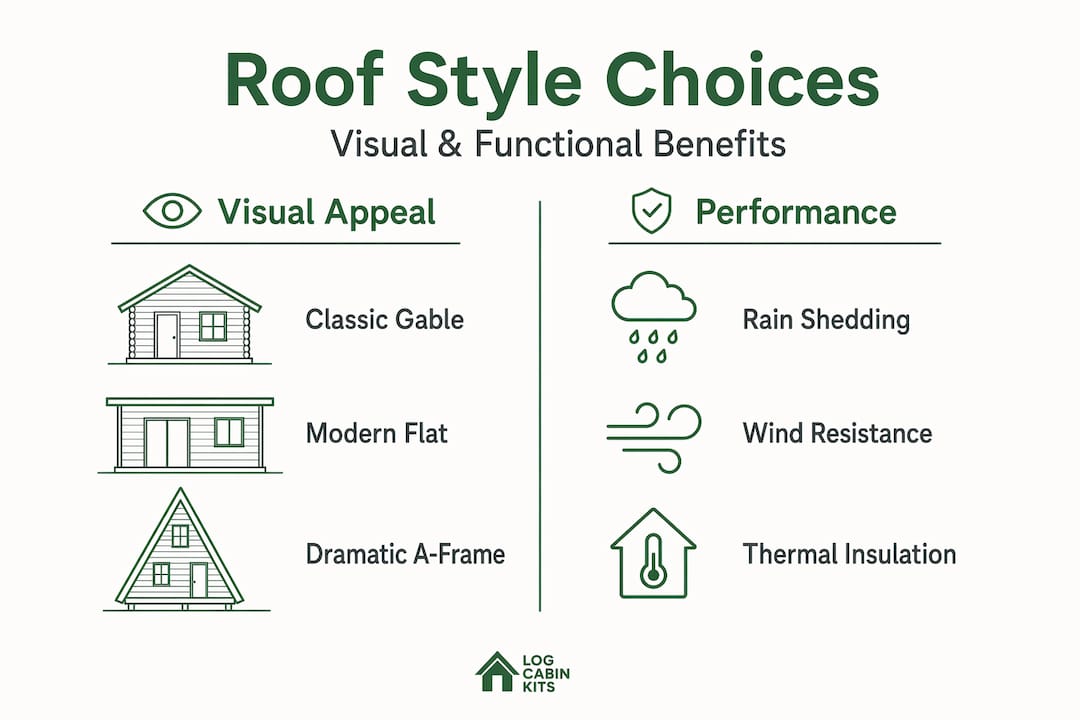
Your choice of cabin roof style shapes everything from how your building looks in the garden to how well it sheds rainwater. Here are the most popular options and what each one actually offers.
Gable roof — two sloping sides meeting at a central ridge. It’s the classic cabin shape. Simple to build, effective at draining water, and gives you useful loft space. Great for most UK gardens.
A-frame roof — steep slopes that double as walls. Dramatic and eye-catching, and excellent at shedding heavy snow. The trade-off is reduced usable floor space near the sides.
Dutch gable — a hybrid combining a gable with a hip roof. You get the visual interest of a gable end window with the extra weather resistance of a hipped design. A popular choice for bespoke builds.
Hip roof — all four sides slope down to the walls. No vertical gable ends means less wind resistance, which makes it ideal for exposed garden positions. More complex to build, but very stable.
Flat green roof — minimal pitch, often planted with sedum or grass. Looks fantastic in contemporary settings and adds insulation. Requires proper waterproofing and drainage detailing from the outset.
Here’s a quick comparison to help you weigh up your options:
| Roof style | Pros | Cons | Typical pitch | Best suited for |
|---|---|---|---|---|
| Gable | Simple, cost-effective, good drainage | Can catch wind at gable ends | 4/12 to 9/12 | Most standard cabins |
| A-frame | Excellent snow shedding, distinctive | Limited side headroom | 12/12 and steeper | Heavy snow areas |
| Dutch gable | Attractive, weather resistant | More complex build | 5/12 to 8/12 | Bespoke garden cabins |
| Hip | Very stable, low wind profile | Higher construction cost | 4/12 to 6/12 | Exposed or windy sites |
| Flat green roof | Contemporary look, added insulation | Needs expert waterproofing | Up to 2/12 | Modern builds |
The visual appeal of each style is obvious, but the functional trade-offs are where the real decisions get made. A gable roof on a windy hilltop site will need additional bracing. A flat green roof without proper drainage detail will cause problems quickly. Think about your garden’s exposure, your local weather patterns, and how much maintenance you’re willing to take on.
How roof pitch affects weather resilience
Roof pitch is the angle of the slope, usually expressed as a ratio. A 4/12 pitch means the roof rises 4 inches for every 12 inches of horizontal run. It sounds technical, but the concept is simple: steeper roofs shed water and snow faster.
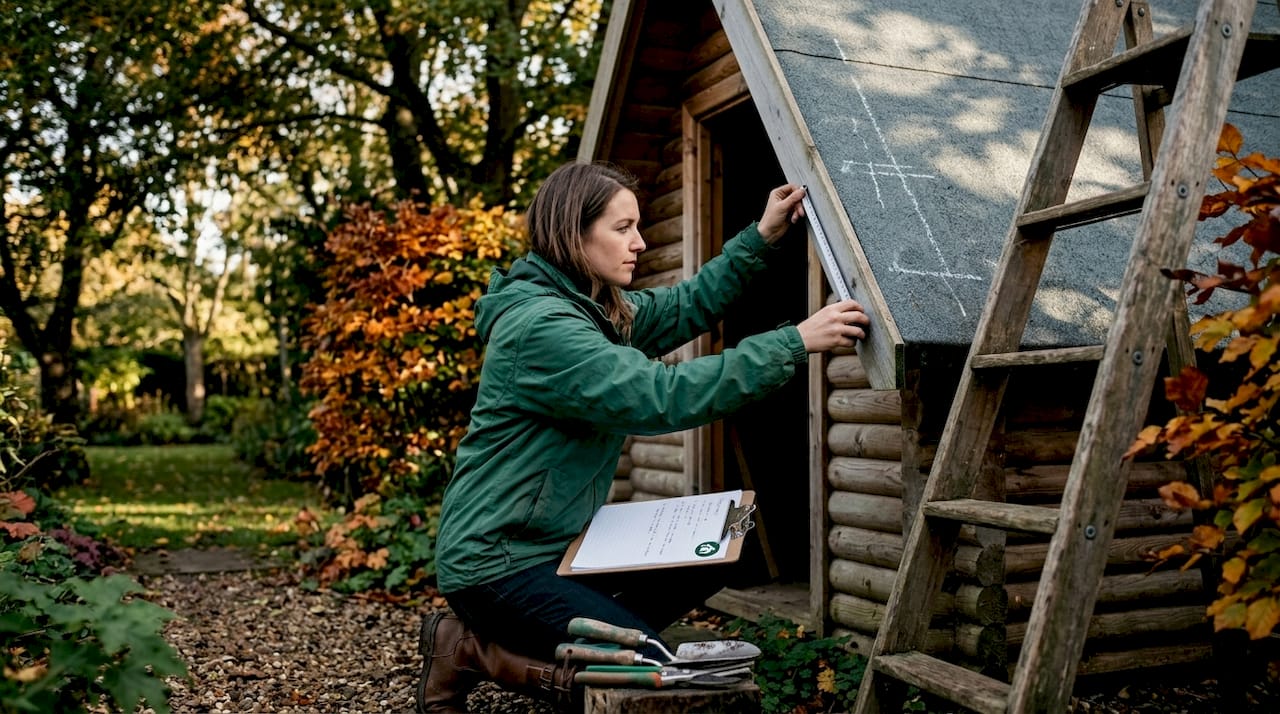
This matters enormously in the UK, where rain is frequent and snowfall, while not always heavy, can arrive suddenly. Roofs with pitches below 4/12 have a 60% higher failure rate in climates with high rainfall or snow. That’s a significant risk for a cabin you’re expecting to last 20 or 30 years.
If you’re in an area with moderate snowfall, a pitch between 4/12 and 6/12 is generally recommended. For heavier snow regions, pitches between 6/12 and 8/12 are more appropriate, and areas with very heavy snow loads need 8/12 or steeper. On metal roofing specifically, slopes above roughly 3.2/12 cause snow to slide off before it accumulates, reducing structural strain considerably.
A steeper pitch also improves drainage speed. Water doesn’t get a chance to pool, seep under roofing felt, or work its way into joints. Low-pitch roofs in wet climates are a recipe for persistent damp problems if the detailing isn’t spot on.
Pro Tip: Don’t choose the steepest pitch by default. Very steep roofs cost more to build, are harder to maintain, and add structural complexity. Match the pitch to your climate and material choice rather than going steeper “just to be safe.”
Here’s what to keep in mind when deciding on pitch:
- Heavier rainfall areas need at least a 4/12 pitch as a minimum
- Metal roofs shed snow at lower pitches than felt or tile roofs
- Steeper roofs increase loft space but add to material costs
- Complex roof shapes with multiple angles can trap snow at junctions
- A professional structural check is worth the cost for anything unusual
Structural factors: materials, loads, and ventilation
A roof has to carry more than just its own weight. Even in warm climates with no snow, building codes require a minimum 20 pounds per square foot live load design for safety. That accounts for maintenance workers, temporary storage of materials, and other practical realities. Your cabin roof needs to be designed with this in mind from day one.
Here are the key structural factors that affect cabin roof performance:
-
Live load and snow load. Your rafters must be sized to handle not just the roof’s dead weight but also any live loads above. The combination of pitch and material influences how much snow load your structure must bear.
-
Rafter sizing and spacing. Undersized rafters flex under load and can cause the roof covering to crack or lift. Get this calculation right at the design stage, not after the roof is on.
-
Insulation and air sealing. Poor insulation at the roof level is one of the most common mistakes in cabin builds. It leads directly to ice dam formation, where meltwater refreezes at the eaves, backs up under the covering, and causes rot and mould.
-
Balanced ventilation. Attic air sealing combined with balanced ventilation is the most effective long-term solution to ice dams. Heating cables are a short-term fix and nothing more.
-
Roofing material choice. Different materials carry different weights and perform differently in heat, cold, and damp. Modern reflective roofing materials combined with proper ventilation can improve energy efficiency and indoor comfort noticeably.
A few common pitfalls that catch people out:
- Skipping vapour barriers to save cost, then dealing with condensation inside the roof structure
- Using undersized gutters that overflow in heavy rain and soak the log walls below
- Complex roof geometry that creates snow drift points at internal angles, requiring additional engineering
Pro Tip: If you’re adding roof insulation to your cabin, check that your ventilation path stays clear above the insulation layer. Blocking the airflow defeats the purpose and can lead to moisture build-up that shortens the roof’s life.
Roof overhangs, drainage, and maintenance
The details you can’t see from the garden are often the ones that matter most. Overhang size, gutter placement, and how well water is directed away from the structure all affect how long your cabin roof stays healthy.
Roof overhangs protect log walls from moisture by keeping rain from running directly down the walls. In wet climates, wider overhangs are better. In hot climates, they provide shade that reduces cooling demand. In heavy snow areas, they need to be structurally supported to handle the extra load. There’s no single right answer; it depends on where you are and how you use the cabin.
Drainage deserves just as much attention. Poorly designed roof drainage leads to pooling, debris build-up, and persistent overflow problems that increase maintenance costs over time. Good drainage design means:
- Gutters sized generously for your roof area and local rainfall intensity
- Downpipes positioned to carry water well clear of the cabin’s foundation
- Leaf guards on gutters if your garden has nearby trees
- Overflow provision so that blocked gutters don’t send water back under the roof edge
- Checking downpipe connections at least twice a year and clearing debris before winter
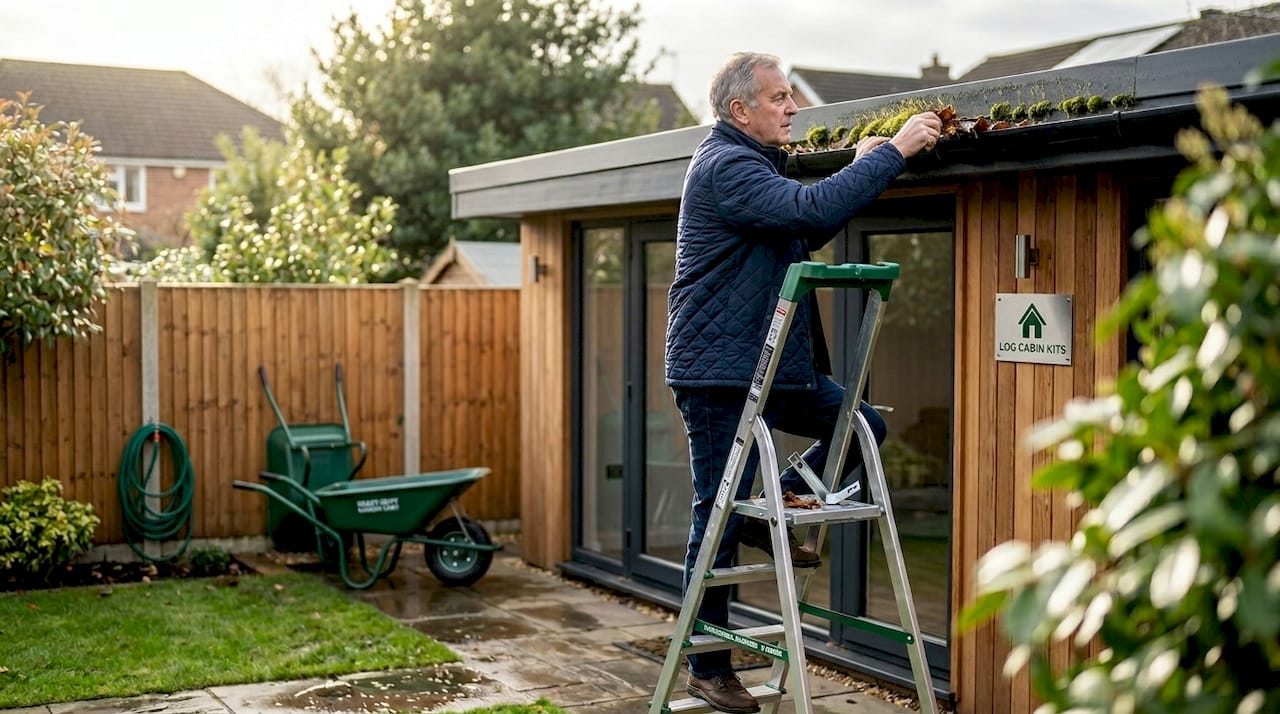
For maintenance, a routine goes a long way. Clear gutters in autumn before the first heavy rains. Inspect felt or membrane for any lifting or cracking after a harsh winter. Check for moss on north-facing roof slopes and treat it before it starts lifting the surface material. For detailed guidance, the cabin roof maintenance tips from Logcabinkits cover this well. Regular checks take an hour a year and can save you hundreds in repairs.
For those interested in the energy side of things, reflective cool roofing materials can make a real difference. Reflective roofs can be more than 28°C cooler on sunny afternoons, which directly reduces heat flowing into the cabin on hot days. Pair that with good insulation and you have a noticeably more comfortable space, summer and winter. If that interests you, the guide on making your cabin energy efficient is worth a read before you finalise your material choices.
My honest take on roof design
I’ve seen it happen more times than I’d like. Someone invests months into planning their bespoke garden cabin, gets every detail of the interior exactly right, and then rushes the roof decisions in the final few weeks. The result tends to show up two or three winters later. A damp patch on the ceiling. A gutter that’s pulling away. Insulation that’s not doing the job it was supposed to do.
What I’ve learned from years of working with bespoke garden cabin builds is that roof design is where good intentions and rushed timelines collide most often. People understand that the walls matter. They know insulation is a good idea. But they don’t always connect those ideas with the roof structure itself.
The thing that surprises most people when they take roof design seriously is how much it simplifies everything else. When the pitch is right for your climate, drainage looks after itself. When overhangs are correctly sized, your log walls stay dry and maintenance drops off considerably. When ventilation is balanced, you’re not fighting moisture inside the roof space year after year.
My genuine advice: spend as much time on your roof design as you do on your floor plan. Talk to someone who’s seen both the successes and the failures. A well-designed roof doesn’t just protect the cabin. It quietly does its job for decades without demanding your attention.
— Martin
Find a cabin with the right roof for your garden
At Logcabinkits, every cabin in our range has been designed with roofing as a core part of the structure, not a finishing touch. Whether you’re after a classic gable on a garden log cabin, or something more distinctive through our bespoke build service, we can help you match the roof style to your climate, your garden, and your budget. Our team is happy to talk through pitch, materials, and overhang options before you commit to anything. We also offer a professional installation service if you’d prefer your roof assembled by experienced hands. Just get in touch and we’ll take it from there.
FAQ
What is the best roof pitch for a garden cabin in the UK?
For most UK locations, a pitch between 4/12 and 6/12 works well. Steeper pitches improve drainage and snow shedding, while anything below 4/12 carries a higher risk of water-related failure in wetter climates.
Which cabin roof styles are most popular for garden buildings?
Gable and hip roofs are the most common choices for garden cabins. Gable roofs offer simplicity and good drainage, while hip roofs perform better in exposed or windy sites.
How does roof design affect energy efficiency in cabins?
Roof design affects insulation performance, ventilation, and heat gain. Reflective roofing materials combined with proper insulation can reduce internal temperatures significantly on hot days and lower heating demand in winter.
How do I prevent moisture damage in a cabin roof?
The best approach combines a well-pitched roof, balanced attic ventilation, quality insulation, and correctly sized overhangs. Heating cables alone are a short-term measure and do not address the underlying cause.
How often should I maintain my cabin roof?
A basic inspection twice a year, once in autumn and once after winter, is enough to catch most issues early. Clear gutters, check for lifting felt or membrane, and treat any moss on north-facing slopes before it causes damage.