
What is double glazing in cabins: your full guide
TL;DR:
- Double glazing in cabins features two glass panes separated by a sealed gas-filled gap to reduce heat loss. It significantly improves energy efficiency, lowers bills, and enhances comfort year-round. Proper installation and quality materials are essential to maximize these benefits and prevent energy loss.
Double glazing in cabins is defined as a window unit made from two panes of glass separated by a sealed gap, typically filled with air or an inert gas such as argon. This construction dramatically reduces heat loss, cuts energy bills, and keeps your cabin comfortable year-round. The U-value of double glazing sits between 1.2 and 2.0 W/m²K, compared to 4.8 to 5.8 W/m²K for single glazing. That gap is the difference between a cabin that feels like a proper room and one that’s freezing in January. Whether you’re planning a garden office, a retreat, or a bespoke log cabin build, understanding how double glazing works will help you make a much better decision.
How does double glazing work in cabins?
Double glazing works by trapping a layer of gas or air between two glass panes, which slows the transfer of heat from inside to outside. The sealed unit, often called an IGU (insulated glass unit), is the core component in any modern insulated cabin window. The gas fill, most commonly argon, conducts heat far less efficiently than air alone, which is why argon-filled units outperform basic air-filled ones.
The frame holds everything together and plays a bigger role than most people realise. A high-performance glazing unit fitted into a poorly insulated frame will still lose heat at the edges. This is why the whole window system matters, not just the glass itself.
For cabins specifically, the principle is the same as in a house, but the stakes are slightly different. Cabins often have thinner walls and less thermal mass than a brick home, so the glazing carries more of the insulation burden. Getting it right from the start saves you money and hassle for years to come.
How double glazing improves energy efficiency in cabins
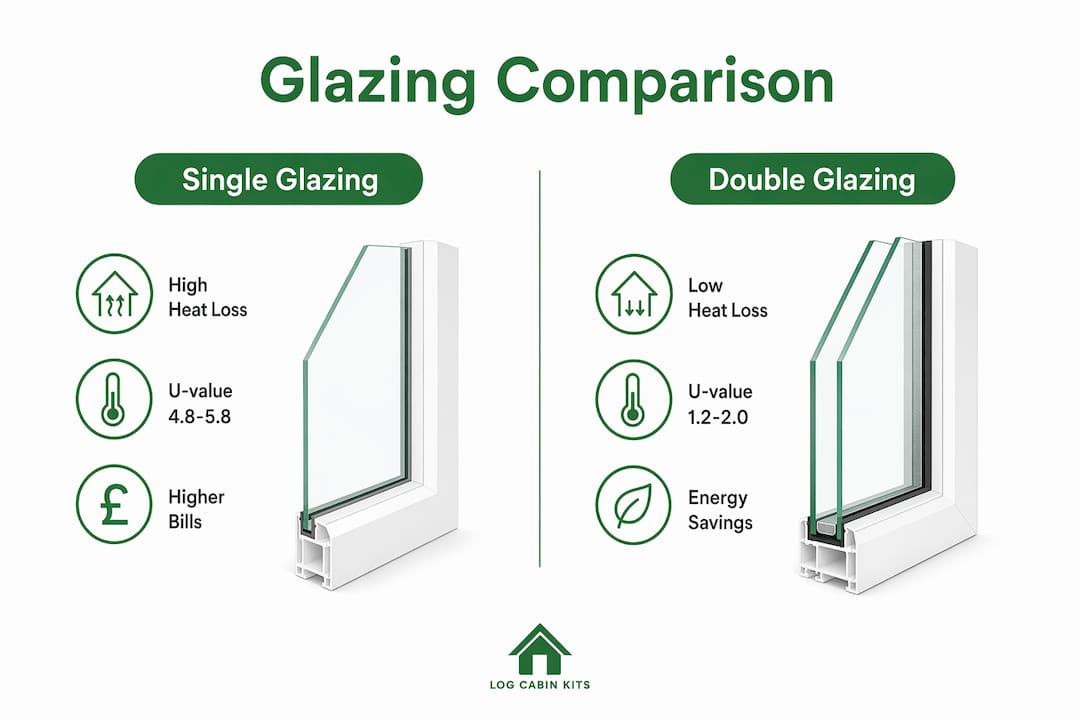
The energy efficiency gains from switching to double glazing are significant and measurable. Single glazing carries a U-value of roughly 4.8 to 5.8 W/m²K, while quality double glazing brings that down to between 1.2 and 2.0 W/m²K. A lower U-value means less heat escapes, so your heater works less and your bills drop.
In practical terms, switching from single to double glazing can save between £115 and £195 per year on energy bills. Over 20 years, that adds up to between £2,300 and £3,900. For a cabin used as a home office or regular retreat, those savings are very real.
The table below shows how the two glazing types compare on key performance measures:
| Feature | Single glazing | Double glazing |
|---|---|---|
| U-value (W/m²K) | 4.8 to 5.8 | 1.2 to 2.0 |
| Annual energy saving | Baseline | £115 to £195 |
| Condensation risk | High | Low |
| Noise reduction | Minimal | Moderate to good |
| Typical lifespan | 20 to 30 years | 20 to 35 years |
The carbon footprint reduction is also worth noting. Less heating demand means fewer emissions, which matters if you’re trying to run an eco-friendly cabin or meet modern building standards.
Pro Tip: Look for units with Low-E (low emissivity) coatings alongside an argon gas fill. The coating reflects heat back into the cabin rather than letting it escape through the glass, giving you noticeably better performance without a dramatic price increase.
Other benefits of double glazing for your cabin
Thermal performance gets most of the attention, but the advantages of double glazing go well beyond keeping the heat in. Here’s what else you gain:
- Noise reduction. Two panes with a gas-filled gap create a sound barrier that single glazing simply cannot match. If your cabin sits near a road, a neighbour’s garden, or a busy area, this makes a real difference to how peaceful the space feels.
- Condensation control. Double glazing keeps the inner pane warmer, which means moisture in the air is far less likely to settle on the glass. Less condensation means less mould risk and better air quality inside your cabin.
- Improved security. Double glazed units are harder to break than single pane glass. Many modern units also come with multi-point locking mechanisms built into the frame, adding another layer of protection.
- Property value. Homes with double glazing often sell for 5 to 10% more, and the installation cost is typically recovered through energy savings within 10 to 15 years. A well-glazed cabin adds genuine value to your property.
- Reduced draughts. A properly sealed double glazed unit eliminates the cold air leaks that are common with older single pane windows, making the cabin feel warmer even before you switch the heating on.
These benefits combine to make your cabin a more comfortable, usable space across all four seasons, not just in summer.
Glazing options: materials, coatings, and gas fills
Not all double glazing is the same. The materials, coatings, and gas fills you choose will affect performance, appearance, and cost. Frame materials for double glazing typically fall into three categories: uPVC, aluminium, and timber.
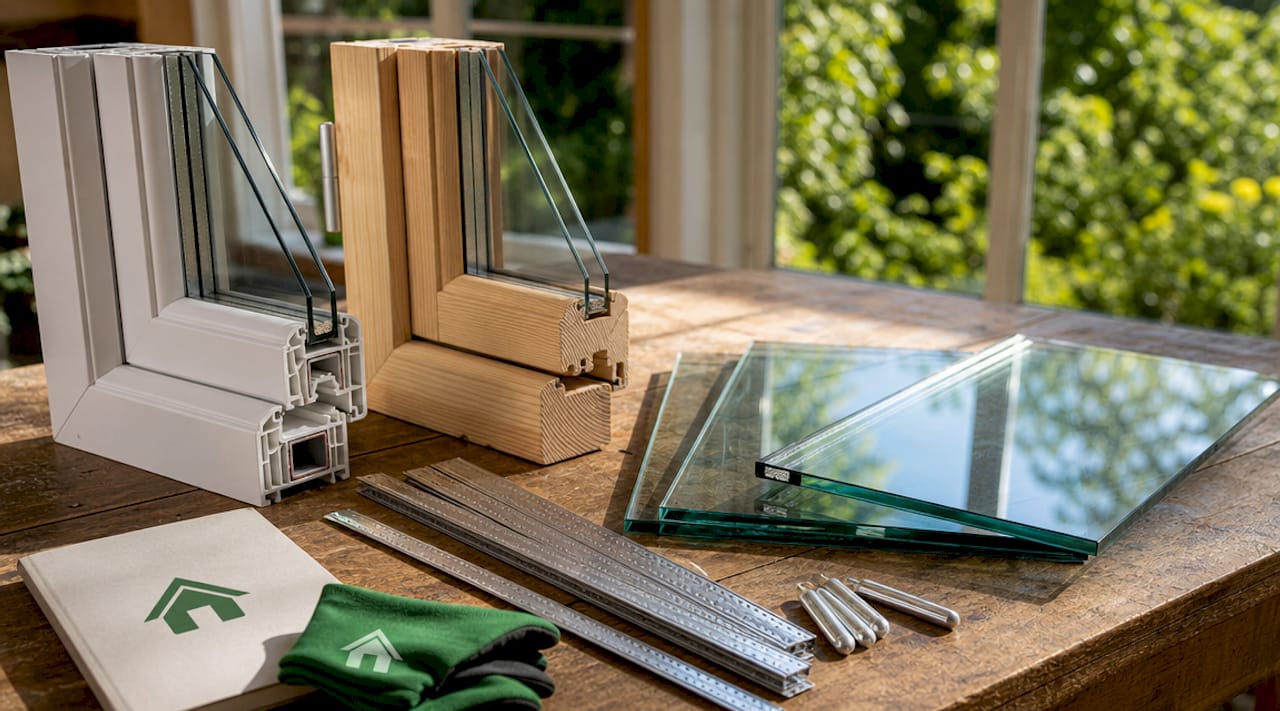
uPVC is the most common choice for budget-conscious builds. It’s low maintenance, widely available, and performs well thermally. Aluminium frames are slimmer and more modern-looking, which suits contemporary cabin designs, though they conduct heat more readily than uPVC unless they include a thermal break. Timber frames suit traditional log cabin aesthetics beautifully and offer good insulation, but they do need more upkeep over time.
The table below compares the main glazing options to help you decide:
| Option | Cost | Thermal performance | Maintenance | Best suited for |
|---|---|---|---|---|
| uPVC double glazed | Low to mid | Good | Very low | Budget builds, standard cabins |
| Aluminium double glazed | Mid to high | Good with thermal break | Low | Modern or contemporary cabins |
| Timber double glazed | Mid to high | Very good | Moderate | Traditional log cabins |
| Low-E argon-filled unit | Mid to high | Excellent | Low | High-performance or year-round use |
| Krypton gas-filled unit | High | Outstanding | Low | Extreme climate or Passivhaus builds |
Low-E coatings work by applying a microscopically thin metallic layer to the glass surface. This layer reflects long-wave infrared radiation, which is essentially the heat your cabin generates, back into the room. Low-E coatings combined with argon gas represent the best balance of cost and performance for most cabin projects.
Krypton gas offers even better thermal resistance than argon but costs considerably more. It’s worth considering for off-grid cabins or builds where heating costs are a major concern, but for most garden log cabin projects, argon with a Low-E coating is the sweet spot.
Pro Tip: If your cabin faces north or sits in a shaded spot, prioritise a high-performance Low-E unit to compensate for reduced solar gain. South-facing cabins can afford slightly less aggressive specs because the sun does some of the work for you.
Common pitfalls when installing double glazing in cabins
Good glazing units can underperform badly if the installation isn’t done properly. Poor sealing and air infiltration around glazing can cause a cabin to use 15 to 35% more energy, which wipes out much of the benefit you paid for. Here are the key things to get right:
- Seal every joint properly. Gaps between the window frame and the cabin wall are the most common source of heat loss. Use appropriate sealant and check the fit before finishing the interior.
- Check door frames too. Doors are often overlooked, but a poorly fitted door frame creates the same draught and heat loss problems as a badly fitted window.
- Think about orientation. Large glazed areas without shading or proper orientation can cause overheating in summer and increased heat loss in winter. A south-facing wall of glass is wonderful in February but can turn your cabin into a greenhouse in July.
- Size your heating correctly. If you’re upgrading from single to double glazing, your heating system may be oversized for the new heat load. A smaller, more efficient heater will often do the job better.
- Check planning restrictions. If your cabin is in a conservation area or attached to a listed building, there may be restrictions on the type of glazing you can use. Always check with your local planning authority before ordering.
- Maintain the seals over time. Double glazed units can fail when the edge seal breaks down, allowing moisture into the gap. Inspect your windows every couple of years and replace any units showing signs of misting between the panes.
Getting these details right from the start means your glazing performs as intended for its full lifespan.
How to choose the best glazing for your cabin
Choosing the right double glazing comes down to how you use your cabin and what you want from it. A garden office used five days a week in all weathers needs a different specification to a summer retreat used occasionally. Start by asking yourself a few honest questions:
- How often will you use the cabin, and in which seasons?
- Is noise reduction a priority, or is thermal performance your main concern?
- What’s your budget, and are you willing to pay more upfront for lower running costs?
- Does the glazing need to match a specific aesthetic, such as a traditional timber look?
- Are you connecting the cabin to mains heating, or relying on a standalone heater?
A-rated double glazing meets most UK building regulations and delivers a meaningful improvement in comfort and draught reduction over basic options. For year-round use, it’s the minimum worth specifying. If you’re building a bespoke cabin or upgrading an existing one, it’s also worth looking at how the glazing integrates with your wall insulation and ventilation. A well-insulated wall paired with poor glazing, or vice versa, leaves a weak point in the building envelope.
You can explore cabin window insulation options in more detail to understand how glazing choices interact with the wider cabin design. Logcabinkits offers bespoke cabin designs where glazing specifications can be tailored to your exact needs, which is worth considering if you want a cabin that performs well rather than just looks good.
Key takeaways
Double glazing in cabins is the single most effective window upgrade for improving insulation, reducing energy bills, and making the space genuinely comfortable across all seasons.
| Point | Details |
|---|---|
| U-value improvement | Double glazing achieves 1.2 to 2.0 W/m²K versus 4.8 to 5.8 for single glazing. |
| Energy bill savings | Switching saves between £115 and £195 per year, adding up to £3,900 over 20 years. |
| Best performance spec | Low-E coatings with argon gas fill deliver the best balance of cost and efficiency. |
| Installation matters | Poor sealing can increase energy use by 15 to 35%, negating the glazing upgrade. |
| Frame choice counts | uPVC suits budget builds; timber suits traditional cabins; aluminium suits modern designs. |
Why glazing quality is the detail most cabin buyers underestimate
I’ve seen a lot of cabin projects over the years, and the glazing decision is almost always treated as an afterthought. People spend weeks agonising over the floor plan and the cladding colour, then accept whatever windows come as standard without asking a single question. That’s a mistake I’d encourage you to avoid.
The glazing is the weakest point in any cabin’s thermal envelope. Walls can be insulated to a very high standard, but if the windows are basic single pane units or low-quality double glazed frames with poor edge seals, you’ll feel it every winter morning. I’ve walked into cabins that had excellent wall insulation but were still cold and draughty because the glazing hadn’t been thought through properly.
My honest view is that high-spec double glazing hits the sweet spot for most cabin projects. Triple glazing is heavier, more expensive, and rarely necessary unless you’re building to Passivhaus standards or in an unusually exposed location. A good Low-E argon unit in a well-fitted timber or uPVC frame will serve you extremely well.
The other thing I’d stress is air infiltration. It’s invisible, so people ignore it. But unsealed joints around glazing can quietly undo a significant chunk of the efficiency you’ve paid for. If you’re having a cabin built or installed, ask specifically how the window-to-wall junction is sealed. It’s a simple question that separates a careful builder from a careless one.
If you’re specifying a bespoke cabin, use that opportunity to upgrade the glazing beyond the standard offering. It’s one of the best investments you can make in long-term comfort.
— Martin
Find a cabin with the right glazing built in
At Logcabinkits, double glazing is a standard part of how we think about cabin design, not a bolt-on extra. Whether you’re browsing our garden log cabin range or looking for something completely tailored to your space, we can help you get the glazing specification right from the start.
Our bespoke cabin design service lets you choose the frame material, glazing performance level, and window configuration that suits your project. We work with homeowners and builders across the UK, and we’re always happy to talk through your options. Get in touch and we’ll make the whole process straightforward.
FAQ
What is double glazing in a cabin?
Double glazing in a cabin is a window unit made from two glass panes separated by a sealed gap filled with air or inert gas, such as argon. It reduces heat loss, cuts energy bills, and improves comfort compared to single glazing.
Is double glazing worth it for a garden cabin?
Yes. Double glazing saves between £115 and £195 per year on energy bills and significantly improves comfort, condensation control, and noise reduction. For any cabin used regularly, it pays for itself within 10 to 15 years.
What is the difference between double glazing and single glazing in cabins?
Single glazing has a U-value of around 4.8 to 5.8 W/m²K, while double glazing achieves 1.2 to 2.0 W/m²K. That means double glazing loses far less heat, keeping the cabin warmer and reducing heating costs.
What gas is used in double glazed cabin windows?
Argon is the most common gas fill in double glazed units. It conducts heat less efficiently than air, improving the window’s thermal resistance. Krypton is also used in high-performance units but costs more.
Can poor installation reduce the benefits of double glazing?
Yes. Poor sealing around the window frame can increase energy use by 15 to 35%, significantly reducing the efficiency gains from double glazing. Proper installation and airtight sealing are just as important as the glazing unit itself.
Recommended
- Is Double Glazing Worth Having In A Garden Log Cabin - Log Cabin Kits To Buy Online
- Exploring Double Glazing: Benefits And Functionality - Log Cabin Kits To Buy Online
- blog step by step cabin insulation your complete diy guide | Specialist Garden Cabin Supplier
- blog garden cabin lighting guide uk homeowners handbook | Specialist Garden Cabin Supplier