
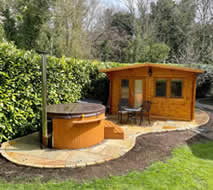
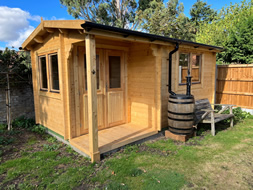
bespoke cabin ordering process
TL;DR:
- The bespoke cabin ordering process is a structured, customer-driven journey from initial design ideas to final installation. It involves stages such as consultation, site assessment, detailed quoting, and planning permission, all supported by clear documentation. Customisation choices impact project cost and timeline, requiring early site preparation and careful supplier selection for a smooth experience.
The bespoke cabin ordering process is the complete, customer-driven journey from your first design idea through to a finished, installed garden cabin tailored exactly to your needs. Unlike buying a standard off-the-shelf kit, a custom build involves a series of structured steps covering design consultation, site assessment, detailed quoting, planning permissions, and final installation. Logcabinkits specialises in this kind of tailored approach, and free design consultations are available to help you get started without any pressure. Whether you want a compact home office or a spacious multi-room retreat, understanding each stage makes the whole experience far less daunting.
What are the key stages in the bespoke cabin ordering process?
The bespoke cabin ordering process follows a clear sequence of steps. Knowing what comes next at every stage means you stay in control and avoid nasty surprises.
-
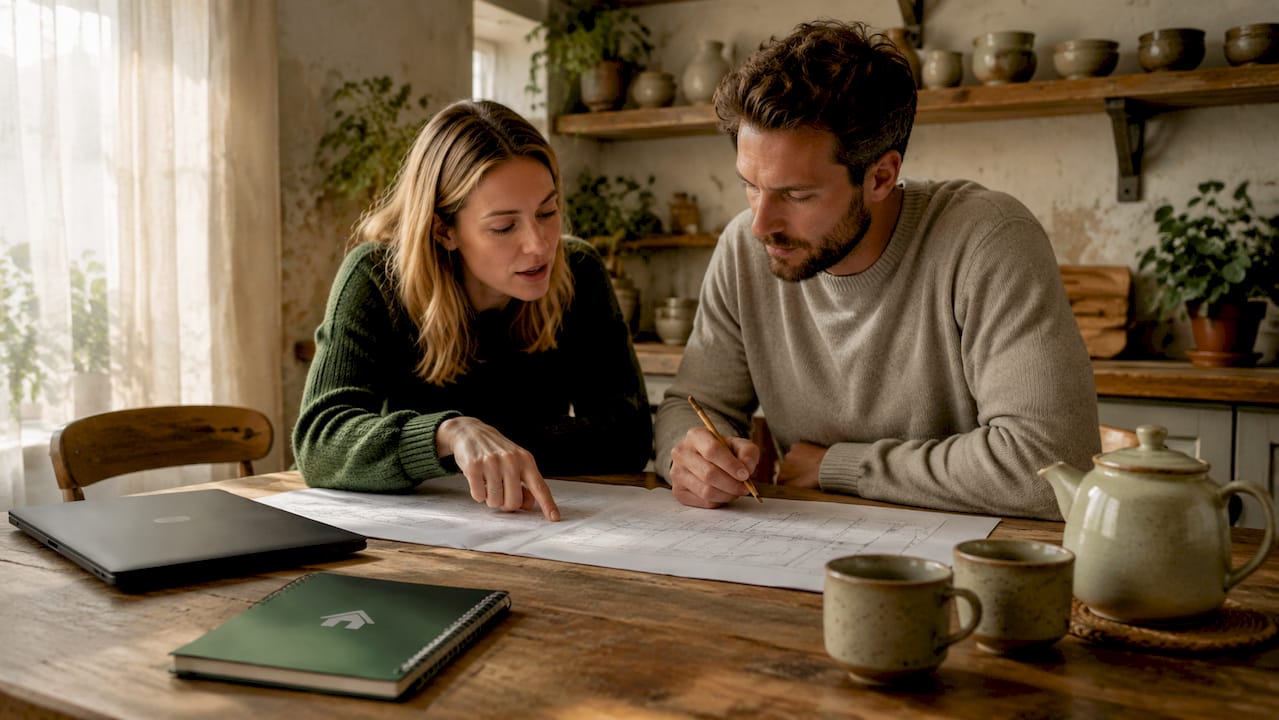
Initial design consultation. This is where you share your ideas, preferred size, and intended use. A good supplier will ask about your garden dimensions, how you plan to use the space, and any specific features you want. Design consultations help define layouts and materials to your exact specification before any money changes hands.
-
Site survey and assessment. Once your design brief is agreed, a site survey confirms whether your plans are feasible. A survey may consist of an actual site visit or more often, a digital viewing where images and video of the proposed site are shared. The surveyor checks ground conditions, access routes, and any obstacles that could affect the build. Site accessibility for delivery trucks and equipment is critical, and a thorough survey prevents costly delays later.
-
Detailed quotation. A professional supplier provides a fully itemised quote covering materials, labour, foundations, and site conditions. This is the stage where you can compare what is and is not included. Itemised quotes prevent mid-build surprises and extra costs that can derail your budget.
-
Finalising drawings and specifications. Floor plans, elevations, and material specifications are confirmed in writing. This document becomes the reference point for the entire build, so read it carefully before signing.
-
Planning permission check. Depending on your cabin size and location, you may need local authority approval. Understanding planning rules early avoids project delays and potential fines.
-
Production and scheduling. Once approved, your cabin goes into production. Lead times vary depending on complexity and the supplier’s current workload. You should receive a clear timeline at this point.
-
Delivery and installation. Materials arrive on site and assembly begins. A good supplier coordinates this carefully to match your site readiness.
-
Final walkthrough and handover. Before the project closes, a walkthrough confirms everything meets the agreed specification. Clear communication milestones from quote to handover are what separates professional suppliers from the rest.
Pro Tip: Ask your supplier for a written project timeline at the quotation stage. Having dates in writing keeps everyone accountable and gives you a clear reference if anything slips.
How do customisation options affect cost and timeline?
Customisation is the heart of any bespoke cabin project, and your choices directly shape both the price and how long the build takes. Popular bespoke features include larger footprints, triple glazing, and enhanced insulation, all of which add to build complexity.
The most common variables you will choose from include:
- Cabin size and footprint. Larger cabins cost more and take longer to build. A bigger floor plan also affects foundation requirements.
- Wall thickness. Thicker walls improve insulation and durability. A 44mm wall suits seasonal use, while 70mm or 90mm is better for year-round occupation.
- Roofing style. Apex roofs, pent roofs, and multi-pitch designs each carry different costs and planning implications. You can explore apex roof cabin options to see what suits your garden.
- Windows and doors. Double or triple glazing, bi-fold doors, and bespoke window sizes all affect both price and lead time.
- Interior finishes. Flooring, cladding, electrics, and insulation boards are often optional extras. Choosing them upfront keeps the project moving.
Here is a quick comparison to help you weigh up your options:
| Feature | Cost impact | Build complexity |
|---|---|---|
| Standard size (under 20 sq m) | Lower | Simple |
| Larger footprint (over 20 sq m) | Higher | Moderate to complex |
| 44mm walls | Standard | Low |
| 70mm or 90mm walls | Moderate increase | Moderate |
| Triple glazing | Moderate increase | Low |
| Full interior fit-out | Significant increase | High |
Balancing your wish list against your budget is easier when you can see the trade-offs clearly. A good cabin ordering guide will always show you these options side by side rather than burying them in small print.
What are the typical costs in a bespoke cabin project?
Total finished costs for bespoke cabins in the UK often run two to three times the initial kit price once foundations, assembly, utilities, and finishing are included. That means a kit priced at £10,000 could realistically cost £20,000 to £30,000 fully installed. This is not a reason to be put off. It is simply a reason to plan properly from the start.
Turnkey pricing ranges from £125 to £275 per square foot in the current UK market. A turnkey package covers foundations, assembly, utilities, interior finishes, and inspections, delivering a move-in-ready cabin with no further work needed. This option suits buyers who want a hands-off experience and a fixed total cost.
Common costs that catch buyers off guard include:
- Foundations. Concrete bases, timber frames, or ground screws all carry different costs depending on your ground conditions.
- Electrics and plumbing. Running power or water to a garden cabin requires a qualified tradesperson and adds to the total.
- Planning application fees. These are modest but worth budgeting for if your cabin requires permission.
- Delivery surcharges. Remote or difficult-to-access sites may attract additional delivery costs.
“Avoiding ballpark quotes prevents mid-build surprises and extra costs.” — PennWood Cabins
DIY interior finishing can reduce total project costs significantly. Many buyers save thousands by completing painting, flooring, or cabinetry themselves once the main structure is up. This is a practical way to get more cabin for your money if you have the time and skills.
Pro Tip: Always ask for a fully itemised quote rather than a single lump-sum figure. A detailed breakdown lets you see exactly where your money is going and makes it easier to adjust the spec if you need to trim costs.
How to prepare your site for bespoke cabin installation
Good site preparation is what separates a smooth installation from a stressful one. Getting this right before your cabin arrives saves time, money, and a great deal of frustration.
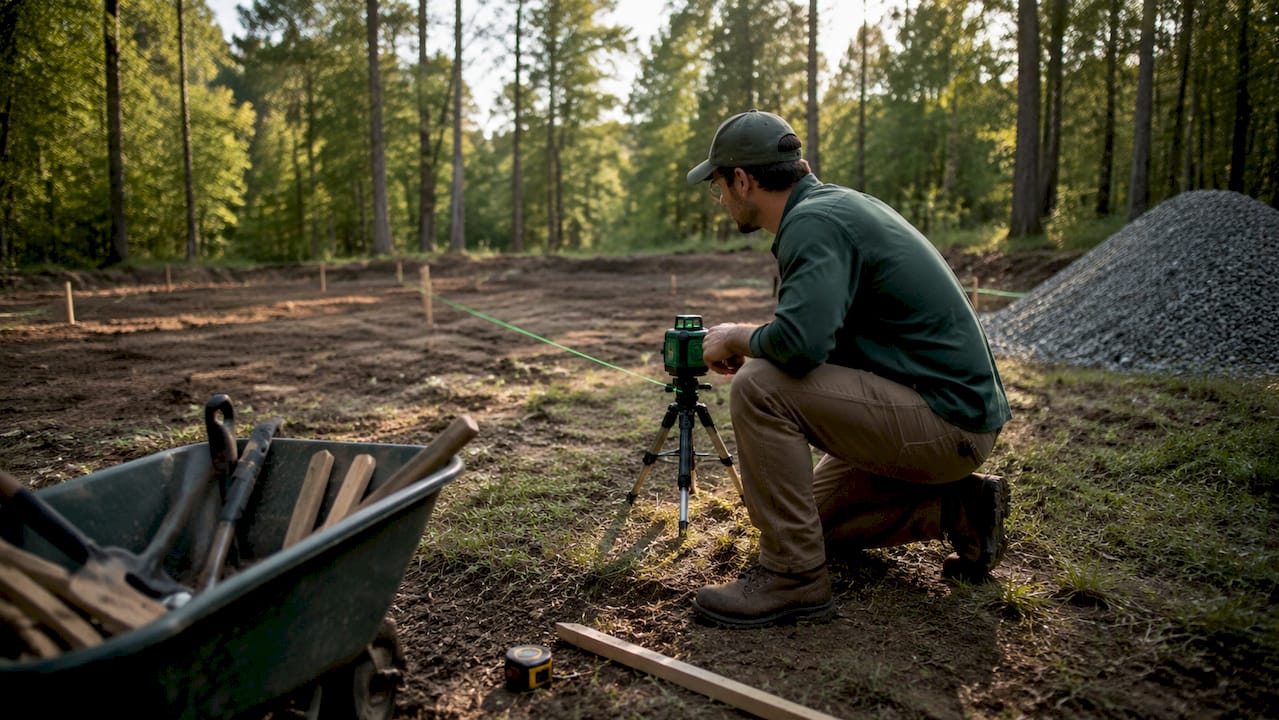
Start with a thorough site survey. This confirms ground conditions, drainage, and whether the area is level. Uneven or waterlogged ground needs addressing before foundations go in. Your supplier should carry out or recommend a survey as part of the ordering process.
Check access carefully. Delivery lorries and equipment need a clear route to your garden. Narrow gates, low-hanging trees, or tight corners can all cause problems. Measure your access points and share the details with your supplier at the earliest opportunity.
Key site preparation steps to work through:
- Clear the area of plants, debris, and any existing structures
- Confirm the ground is level or arrange for levelling work
- Check that utilities (power, water) can reach the site if needed
- Verify gate and path widths for delivery vehicle access
- Confirm your boundary positions to avoid disputes with neighbours
UK planning permissions may be required depending on cabin size, placement, and local regulations. Checking this early avoids delays once your cabin is already in production. Most garden cabins under a certain size fall within permitted development rights, but it is always worth confirming with your local planning authority.
Pro Tip: Take photographs of your site from multiple angles before work begins. These are useful for reference during the build and for any future insurance or planning queries.
What should you look for in a bespoke cabin supplier?
Choosing the right supplier is as important as choosing the right design. A reliable supplier makes the whole tailored cabin experience straightforward. A poor one makes it expensive and stressful.
Look for these signs of a professional service:
- Itemised, written quotes. Clear contracts with itemised inclusions, warranty details, and delay policies build buyer confidence. Any supplier offering only a rough ballpark figure should be treated with caution.
- Transparent timelines. You should know when production starts, when delivery is expected, and how long installation takes.
- Design support. Free design services that let you visualise and customise your cabin before ordering are a strong indicator of a customer-focused business.
- Warranty and after-sales care. Ask specifically what is covered and for how long. A good warranty on timber and fixings gives you peace of mind for years after handover.
- References or reviews. Real customer feedback from UK buyers is worth more than any marketing claim.
Logcabinkits offers a guide to choosing a supplier that covers these points in detail. Reading it before you approach any supplier puts you in a much stronger position to ask the right questions.
Pro Tip: Before signing anything, ask the supplier to walk you through what happens if there is a delay or a problem with materials. How they answer tells you a great deal about how they operate.
Key takeaways
The bespoke cabin ordering process works best when you understand each stage, budget for the full finished cost, and choose a supplier who provides itemised quotes and clear timelines.
| Point | Details |
|---|---|
| Follow the full process | Eight clear stages take you from design brief to final handover without surprises. |
| Budget for total cost | Finished costs run two to three times the kit price once foundations and fitting are included. |
| Customise with care | Choices like wall thickness, glazing, and interior finishes all affect price and lead time. |
| Prepare your site early | Access, ground conditions, and planning permission should be confirmed before production starts. |
| Choose suppliers carefully | Itemised quotes, clear warranties, and design support are the marks of a trustworthy supplier. |
My honest view on ordering a bespoke cabin in the UK
Having worked with hundreds of UK buyers through the cabin ordering process, the single biggest mistake I see is treating the kit price as the project budget. It never is. The foundations, electrics, delivery, and finishing always add up, and buyers who do not account for this end up either cutting corners or overspending in a panic.
The second thing I have noticed is that buyers who invest time in the design consultation stage almost always end up happier with the result. It is tempting to rush through the early stages and get to the exciting part of watching your cabin go up. But the decisions you make at the consultation stage, about size, wall thickness, windows, and layout, are the ones that shape everything that follows.
The UK market for bespoke garden cabins has matured considerably. Buyers are more informed, suppliers are more transparent, and the range of options available through companies like Logcabinkits is genuinely impressive. If you go in with a clear brief, a realistic budget, and a supplier who gives you proper written documentation at every stage, the process is far more straightforward than most people expect.
— Martin
Explore bespoke garden cabins from Logcabinkits
If you are ready to start your custom cabin project, Logcabinkits makes it easy to explore your options without any pressure. Browse the full range of garden log cabins or go straight to the bespoke build service to see what is possible with a tailored design. Free UK delivery is included, and the team is on hand to help you work through every stage of the ordering process, from your first sketch to final installation.
Whether your budget is modest or you are planning something more ambitious, there is a cabin to suit. You can also find plenty of ideas in the garden building inspiration section to help you picture what your finished space could look like.
FAQ
What does the bespoke cabin ordering process involve?
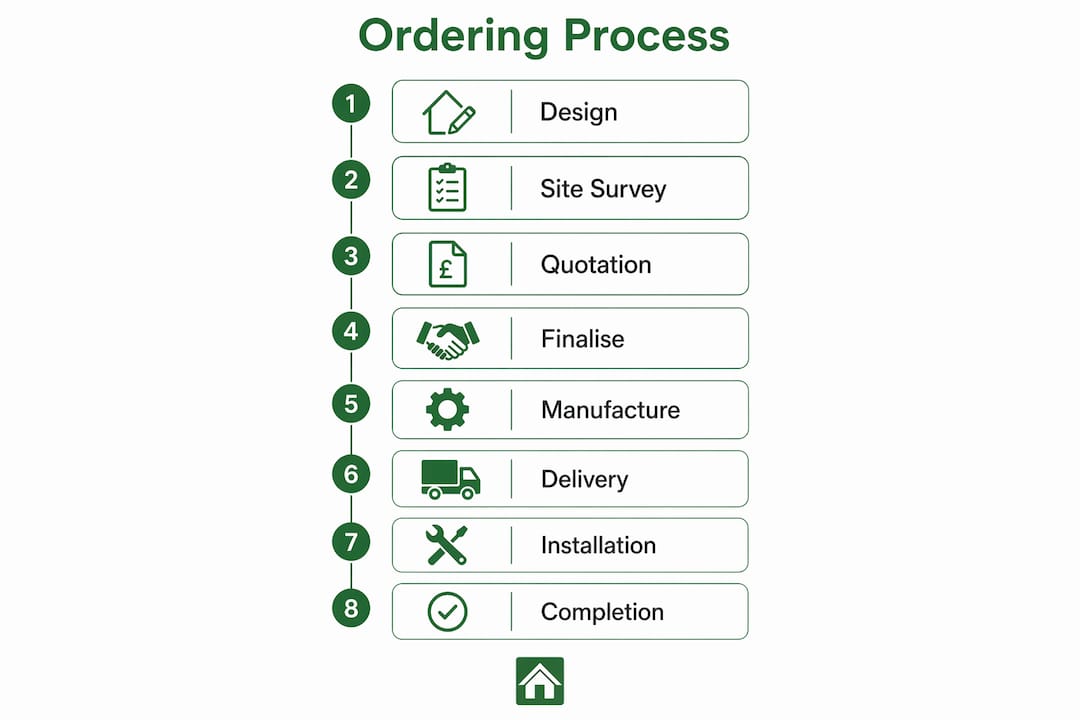
The bespoke cabin ordering process covers eight stages: design consultation, site survey, detailed quotation, finalising drawings, planning permission, production, delivery, and final handover. Each stage involves clear decisions and written documentation to keep the project on track.
How much does a bespoke garden cabin cost in the UK?
Turnkey bespoke cabin costs range from £125 to £275 per square foot in the current UK market, with total finished costs typically running two to three times the base kit price once foundations, assembly, and utilities are included.
Do I need planning permission for a bespoke garden cabin?
Planning permission may be required depending on your cabin’s size, height, and placement. Most garden cabins fall within permitted development rights, but you should confirm with your local planning authority before ordering.
How long does the bespoke cabin ordering process take?
Timelines vary by supplier and design complexity, but most bespoke cabin projects run from eight to twenty weeks from initial consultation to installation. A professional supplier will give you a written timeline at the quotation stage.
How can I reduce the cost of a bespoke cabin build?
Completing interior work yourself, such as painting, flooring, or cabinetry, can save thousands on the total project cost. Choosing a standard footprint and 44mm walls rather than premium upgrades also keeps the base price lower.