
Why cabins add property value: a 2026 guide
TL;DR:
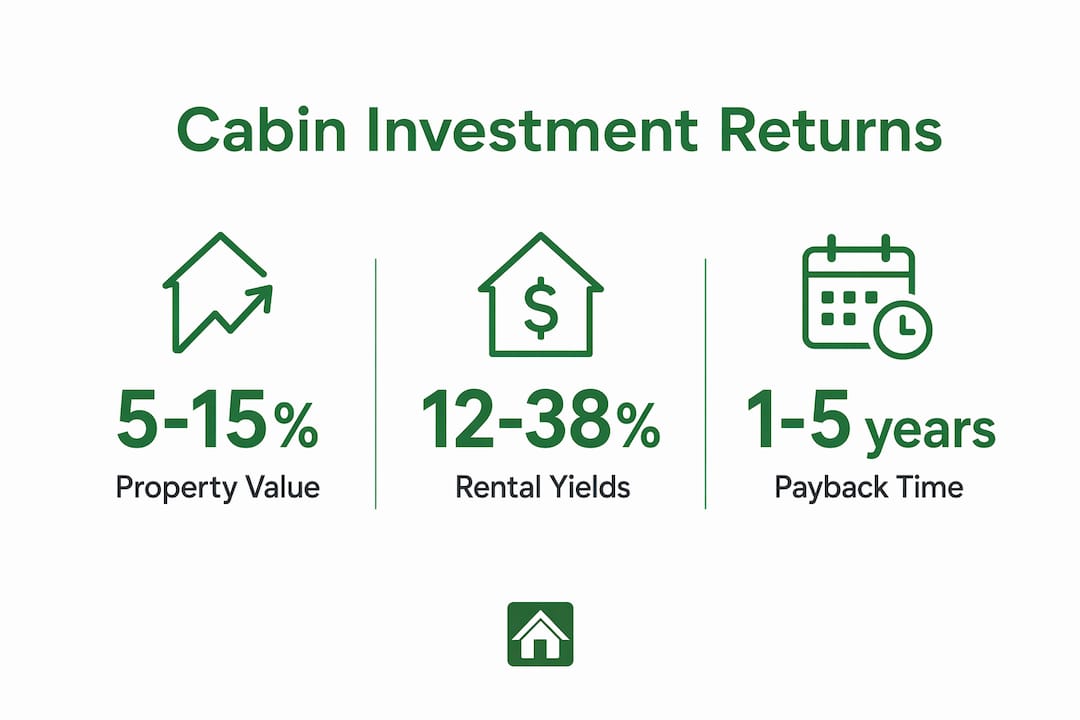
- A well-designed garden cabin can increase property value by 5 to 15 percent and generate high rental yields. High-quality, insulated, multi-room cabins with bespoke designs attract buyers, boost curb appeal, and pay for themselves within four years. Proper installation, maintenance, and adherence to planning regulations are essential to maximize investment benefits.
A quality garden cabin adds measurable value to your property by increasing usable space, generating rental income, and boosting buyer appeal in ways that most interior renovations simply cannot match. The industry term for this type of addition is an “ancillary garden building,” and the financial case for it is strong. A well-built garden cabin can add 5%–15% to your property’s market value. That figure rises further when you factor in rental income, lifestyle appeal, and the growing demand from buyers who want flexible, multi-use outdoor spaces. If you’ve been wondering why cabins add property value so consistently, the answer comes down to three things: versatility, yield, and kerb appeal.
How do cabins increase property value compared to other home improvements?
Garden cabins deliver a higher return on investment than most traditional renovations. Exterior improvements like cabins consistently outperform costly kitchen or bathroom remodels in terms of buyer appeal and resale uplift. A kitchen remodel might cost £15,000 and return 60–70% of that spend at sale. A well-specified garden cabin at a similar price point can return 80–100% and generate income in the meantime.
Modern buyers prioritise lifestyle and curb appeal over updated fixtures. A cabin signals space, flexibility, and a premium living experience before a buyer even steps inside the house. That perception drives faster sales and stronger offers.
Here’s how the returns compare across common home improvements:
| Improvement | Typical cost | Estimated ROI at resale |
|---|---|---|
| Kitchen remodel | £10,000–£20,000 | 60–70% |
| Bathroom renovation | £5,000–£12,000 | 55–65% |
| Garden cabin (standard) | £8,000–£18,000 | 75–90% |
| Garden cabin (bespoke, insulated) | £15,000–£35,000 | 85–100%+ |
| Loft conversion | £25,000–£50,000 | 60–80% |
The cabin stands out because it adds both static value and income potential. A loft conversion adds space but not yield. A cabin can do both.
Pro Tip: Choose a cabin that can serve multiple purposes, such as a home office, guest room, or gym. Multi-use cabins appeal to a wider range of buyers and command a higher valuation.
What cabin features attract buyers and increase value most?
The features that make a cabin genuinely valuable are the ones that make it usable all year round. A cabin that sits empty from october to march is a liability, not an asset. Insulation, double-glazing, and a proper heating source turn a seasonal structure into a permanent room.
Here are the cabin features that buyers and valuers respond to most:
- Year-round insulation — Cabins with good insulation and double-glazing retain value better and stay attractive to renters for decades. A poorly insulated cabin deteriorates quickly and becomes a cost rather than an asset.
- Multi-room layouts — Multi-room cabins used as guest annexes provide a value uplift of 20–30%, compared to smaller single-room units. The extra functionality justifies a significantly higher price tag.
- Dedicated purpose — Cabins fitted out as home offices, gyms, or treatment rooms attract buyers with specific lifestyle needs. These buyers often pay a premium for a property that already meets their requirements.
- Quality materials — Timber grade, roof specification, and cladding quality all affect how a cabin ages. A cabin built from quality kiln-dried timber with a felt or shingle roof will look good and perform well for 20 or more years.
- Bespoke design — A cabin that fits the garden perfectly, whether that means a corner design, an apex roof cabin, or a custom footprint, looks intentional rather than afterthought. Buyers notice the difference.
Timber cabins also carry a wellness benefit that buyers respond to emotionally. Natural wood interiors reduce stress and create a calming atmosphere. That lifestyle appeal is increasingly powerful in property marketing, particularly for buyers moving out of cities.
Pro Tip: If you’re planning a cabin primarily for resale value, opt for a multi-room log cabin with a separate entrance. This gives buyers the option to use it as a rentable annexe, which adds a second layer of financial appeal.
How can cabins generate rental income and boost your return?
Rental income is where the financial case for cabin investment becomes very compelling. A cabin is not just a static improvement. It’s a working asset that pays for itself.
Here’s how the numbers typically break down for UK garden cabin rentals:
- Short-term rental yield — Garden cabins used as short-term rental accommodation achieve net yields of 18–38%. That is significantly higher than the typical 4–6% yield from a standard buy-to-let property.
- Long-term rental yield — Long-term cabin rentals return net yields of 12–22%, still well above conventional property investment benchmarks.
- Payback period — Most well-specified cabins pay back their full build cost within 2–4 years through rental income alone. After that, the income is pure return.
- Nightly rate uplift — Rental listings that combine a main house with a garden cabin see nightly rates increase by 30–60%. Guests pay more for the extra space and privacy.
- Monthly gross revenue — Platforms like Airbnb generate around £2,600 monthly in gross revenue for UK garden cabin short-term rentals. That figure varies by region, but it illustrates the income scale available.
Cabin investments work particularly well because they use existing land and infrastructure, turning underused garden space into a premium lodging tier. You’re not buying a new property. You’re unlocking the value already sitting in your garden.
The key operational consideration is specification. A cabin that’s cold, damp, or poorly finished will attract negative reviews and low occupancy. A well-built, well-presented cabin will hold high occupancy and command premium rates year-round.
What pitfalls should you avoid to protect your cabin investment?
Not every cabin adds value. A poorly chosen or badly installed cabin can actually reduce your property’s appeal and create ongoing maintenance costs. Knowing what to avoid is just as useful as knowing what to do.
- Avoid low-spec builds — The most common failure in cabin investments is installing a poorly insulated cabin, which leads to maintenance liabilities within three years. Cheap cabins warp, leak, and deteriorate quickly. They look neglected and put buyers off.
- Don’t skip professional installation — A cabin that’s not level, not weatherproofed, or not connected to power properly will cause problems. Professional installation protects your investment and satisfies building regulations where applicable.
- Check permitted development rights — Most garden cabins in England fall under permitted development, meaning you don’t need planning permission. But there are size and height limits, and properties in conservation areas or with Article 4 directions have different rules. Check with your local planning authority before you build.
- Choose the right size for your plot — A cabin that overwhelms the garden reduces outdoor amenity and can actually lower buyer appeal. The cabin should complement the garden, not consume it.
- Maintain it properly — Timber needs treating every few years to stay in good condition. A well-maintained cabin holds its value. A neglected one signals poor upkeep to buyers and surveyors alike.
Pro Tip: Before purchasing, check whether your chosen cabin supplier offers bespoke cabin design options. A cabin sized and specified for your exact plot is far more likely to add value than an off-the-shelf unit that doesn’t quite fit.
Key takeaways
A quality, well-specified garden cabin adds 5–15% to property value, generates rental yields of 12–38%, and pays back its build cost within 2–4 years.
| Point | Details |
|---|---|
| Value uplift from cabins | A quality garden cabin adds 5%–15% to property value, rising to 20–30% for multi-room annexe designs. |
| Rental yield advantage | Short-term cabin rentals achieve net yields of 18–38%, far above standard buy-to-let returns. |
| Payback period | Most well-built cabins recover their full build cost through rental income within 2–4 years. |
| Features that matter most | Year-round insulation, double-glazing, multi-room layouts, and bespoke design drive the highest buyer appeal. |
| Biggest risk to avoid | Low-spec, poorly insulated cabins create maintenance liabilities within three years and reduce property appeal. |
Why I think most people underestimate cabin investment
I’ve watched the garden cabin market grow steadily over the past decade, and the thing that still surprises me is how many property owners treat a cabin as a lifestyle purchase rather than a financial one. They think about how nice it would be to have a garden office or a guest room. They don’t always think about the rental yield, the resale uplift, or the payback period.
The data tells a different story. A bespoke, well-insulated cabin on a well-proportioned plot is one of the most efficient property investments available to a UK homeowner. The returns are real, the payback is fast, and the buyer appeal is growing as more people prioritise flexible living space.
What I’ve also noticed is that the quality gap matters enormously. Two cabins at the same price point can produce very different outcomes depending on specification. A cabin with proper insulation, quality timber, and a thoughtful layout will hold its value and attract tenants or buyers for decades. A cheap, thin-walled unit will be a problem within a few years.
My honest advice is to think of your cabin the way you’d think of any other investment. Specify it properly, size it for your plot, and choose a design that serves a clear purpose. The amazing uses for log cabins are genuinely broad, from home offices to wellness retreats to guest annexes. The more versatile your cabin, the more buyers it will appeal to, and the stronger your return will be.
Don’t cut corners on specification. The difference between a cabin that adds value and one that doesn’t almost always comes down to build quality.
— Martin
How Logcabinkits can help you add real value to your property
If you’re ready to add a cabin that genuinely increases your property’s worth, Logcabinkits makes the process straightforward. The range covers everything from compact garden offices to large multi-room garden buildings, all available with bespoke sizing and specification options to suit your plot and your goals.
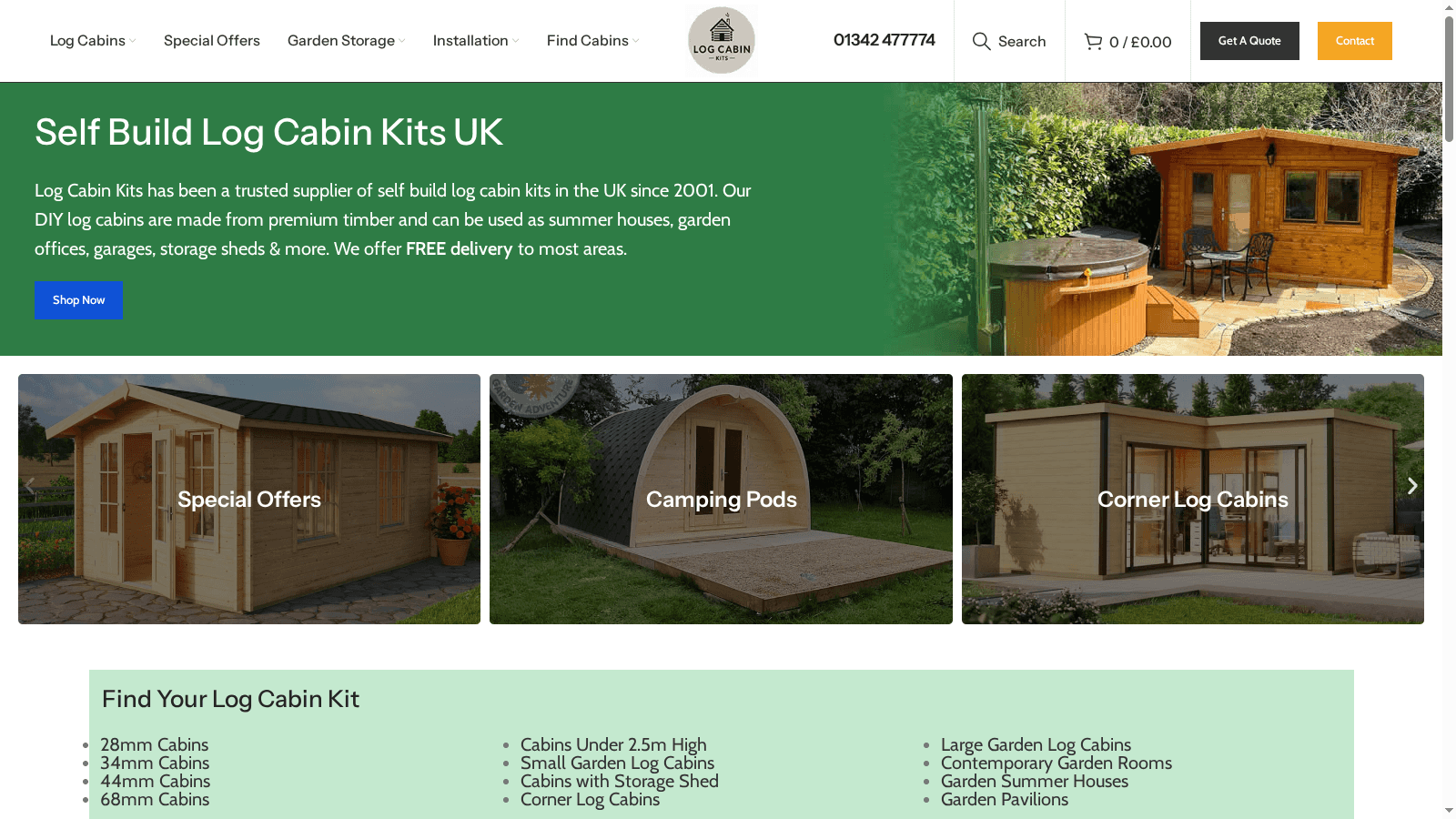
Every cabin in the Logcabinkits range is built from quality timber and designed for year-round use. Free UK delivery is included, and the team is on hand to help you choose the right size, roof style, and layout for maximum value. Whether you want a contemporary garden building or a traditional log cabin design, you’ll find options that are built to last and designed to impress buyers. Browse the full garden log cabins range and see what’s possible for your property.
FAQ
How much value does a garden cabin add to a property?
A well-built garden cabin adds 5%–15% to a property’s value, with multi-room annexe designs adding up to 20–30%. Build quality and year-round usability are the key factors.
Do cabins increase home value if used as a rental?
Yes. Garden cabins used as short-term rentals achieve net yields of 18–38% and typically pay back their build cost within 2–4 years, which also increases the property’s overall asset value.
Do I need planning permission for a garden cabin in the UK?
Most garden cabins fall under permitted development rights in England and do not require planning permission, provided they meet size and height limits. Always check with your local planning authority if your property is in a conservation area.
What type of cabin adds the most value?
Multi-room cabins with insulation, double-glazing, and a dedicated purpose such as a guest annexe or home office add the most value. These attract the widest range of buyers and command the highest rental rates.
How long does a garden cabin last?
A quality garden cabin built from kiln-dried timber with proper treatment and maintenance will last 20 or more years. Regular timber treatment every 2–3 years is the main maintenance requirement.