
Factory Fit Tilt and Turn Cabin Windows Matched to Wall Thickness
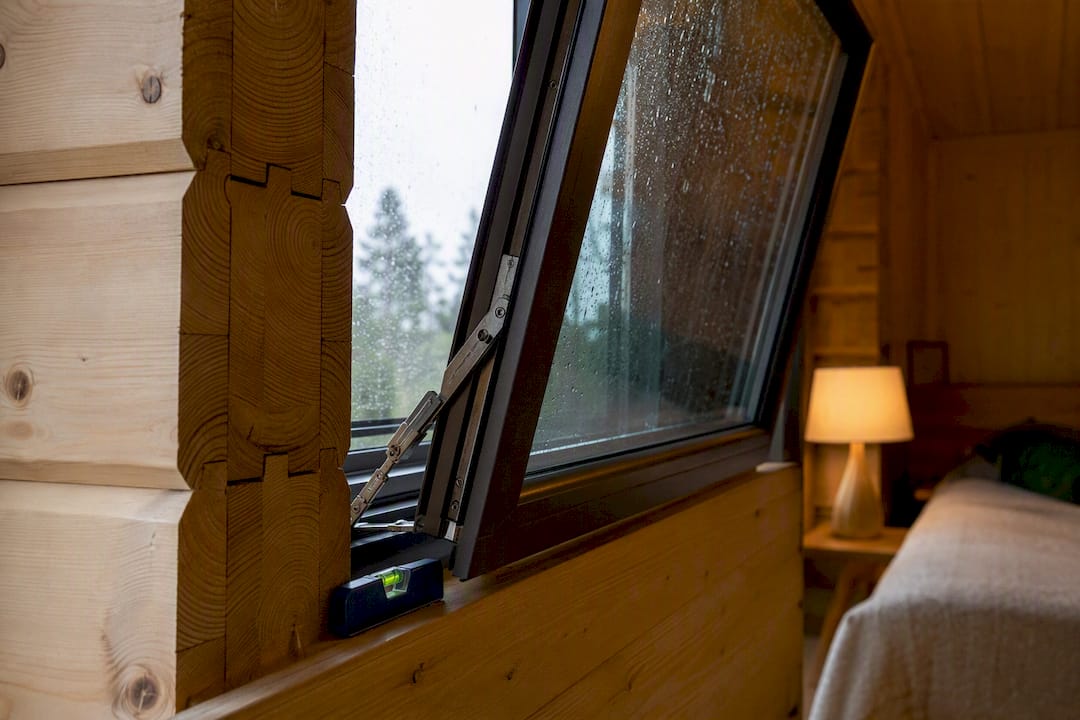
Tilt-and-turn windows suit cabins well, as long as you get the sizing and hardware right. The handle moves between three positions, closed, tilt and turn, giving you background ventilation one way and a wide-open sash the other. Before you order, check the frame material, the hinge load rating, and the glazing spec. Get those three right and the window will earn its keep for years.
TL;DR:
- Ensure cabinet windows have hinges rated for at least 20% above the sash weight to prevent sagging over time.
- Verify the hinge and gearbox load ratings, cycle test certificates, and corrosion resistance before ordering.
- Factory-fitted windows offer better long-term sealing and insulation, especially for thicker or twin-skin cabin walls.
- Measure the swing radius accurately to avoid installation issues, particularly when fitting turn-mode windows near furniture or walls.
- Choose the right frame material— uPVC, aluminum, or timber—based on weight, maintenance, thermal performance, and compatibility with hardware.
Table of Contents
- What are the benefits of tilt-and-turn cabin windows?
- How does the tilt-and-turn mechanism actually work?
- Which frame material suits a cabin best?
- How do you measure and fit cabin windows correctly?
- What should you check before getting a quote?
- Log Cabin Kits perspective: why factory-fit is the safer bet
- Order a bespoke cabin with tilt-and-turn windows
- Sources
What are the benefits of tilt-and-turn cabin windows?
Tilt mode lets air flow in at the top of the window while keeping rain out, which makes it perfect for a cabin bedroom or office where you want fresh air overnight without a puddle on the windowsill. Turn mode swings the whole sash inward, so you can clean the outside glass from your armchair and use it as an emergency exit if you ever need one.
There’s a safety point worth knowing here too. The mechanism forces you to pass through tilt before you reach turn, which stops the window blowing wide open in a gust. That matters more in a garden cabin than you’d think, since cabins sit more exposed to wind than a house tucked between neighbours.
On security and energy, the same hardware does double duty:
- Multi-point locking pulls the sash tight against the frame at several points, not just the handle.
- Even gasket compression around the whole frame stops draughts settling in one corner.
- Pairing the sash with the right glazing cuts heat loss through the window, which matters a lot in an insulated cabin.
- The style works best in bedrooms, garden offices, bathrooms and any high-level glass you need to reach for cleaning.
Manufacturers rate hinges from around 80 to 130 kilograms, so a bigger bespoke sash needs hardware built for that weight from the outset, not fitted and hoped for.
How does the tilt-and-turn mechanism actually work?
One handle, three jobs. Turn it to the first position and the sash stays locked flat against the frame. Turn again and it tilts inward from the top for ventilation. Keep turning and the whole sash swings open on its side hinge. Behind the scenes, a gearbox and drive rod move locking cams and pivots around the edge of the sash, which is why one small handle can control a heavy window so smoothly.
| Component | Job it does |
|---|---|
| Gearbox | Converts handle turns into the tilt or turn action |
| Drive rod / espagnolette | Runs the locking cams along the sash edge |
| Corner drives | Transfer motion around the corners of the frame |
| Bottom corner hinge | Takes the weight when the sash tilts or turns |
| Tilt pivot and stay arm | Hold the sash safely in the tilted position |
| Gaskets | Seal the gap when the window is closed |
Ask for the hinge and gearbox load rating in writing, along with cycle-test certificates and corrosion-resistant fittings, especially if your cabin sits somewhere exposed or coastal.
Pro Tip: If a window suddenly feels stuck between positions, don’t force it. That’s usually a striker plate out of alignment rather than a broken part, and a quick adjustment often sorts it without buying new hardware.
Which frame material suits a cabin best?
- uPVC costs less and needs almost no upkeep, though very large sashes get heavy, so check the hinge rating matches the size you want.
- Aluminium gives slim, modern sightlines and copes well with big glazed panels, but it needs a thermal break inside the frame or it will let heat escape.
- Timber, including engineered and glulam frames, gives you that natural look that sits right alongside a log cabin, and factory-finished timber performs well thermally too.
Whichever you choose, the frame material affects which hinges you can fit. A heavy timber sash needs a stronger hinge than a light uPVC one, and mismatching the two is a common reason windows sag out of true after a year or two. Our guide to premium doors and windows covers this in more detail if you want to compare finishes before you order.
How do you measure and fit cabin windows correctly?
- Measure the internal clearance in front of the window opening. Turn mode needs a swing radius roughly equal to the sash width, so leave that space clear of shelving or furniture.
- Check the hinge load rating against your actual sash size and glazing weight, not just a rough guess. Ask the supplier for their cycle test results if they haven’t already sent them.
- Specify how the frame meets the wall on a thicker log or twin-skin build. You’ll need packers, flashing and a continuous seal around the reveal to stop draughts and damp getting in.
- Plan for condensation. An insulated cabin holds moisture differently to a house, so make sure there’s trickle ventilation or extraction where the window alone won’t cope.
- Decide between factory-fitted units and site-fitted glazing. For twin-skin cabin walls, factory-fitted windows tend to seal better long term because they’re built to match the wall thickness exactly.
Pro Tip: Don’t skip the swing radius check. It’s the single most common measuring mistake we see, and it’s the one that makes people regret choosing turn mode near a desk or bed.
If you’re planning the build yourself, our DIY installation pointers walk through fitting windows into cabin wall openings step by step.
What should you check before getting a quote?
Costs move depending on a handful of choices: frame material, bespoke sizing, double versus triple glazing, low-E coatings, warm-edge spacers, hardware grade, and any factory paint finish. Bespoke sizes and higher hardware grades push the price up, but they’re also what stops a window failing early.
Before you request quotes, put this in writing to each supplier:
- Hinge and gearbox load rating for your sash size
- Cycle test certificate or equivalent evidence
- Corrosion-resistant fittings, particularly for exposed sites
- U-value target for the glazing
- Warranty terms in writing, not just verbally promised
Ask about lead times too. Supply-only orders move fastest, factory-fit units take longer but arrive sealed and tested, and full supply-and-install with your cabin build usually sits in between. For large bespoke sashes, aim for hinges rated with a 20 to 30% safety margin above the actual sash weight, and get exact tolerances and finishing confirmed on paper before you commit.
Log Cabin Kits perspective: why factory-fit is the safer bet
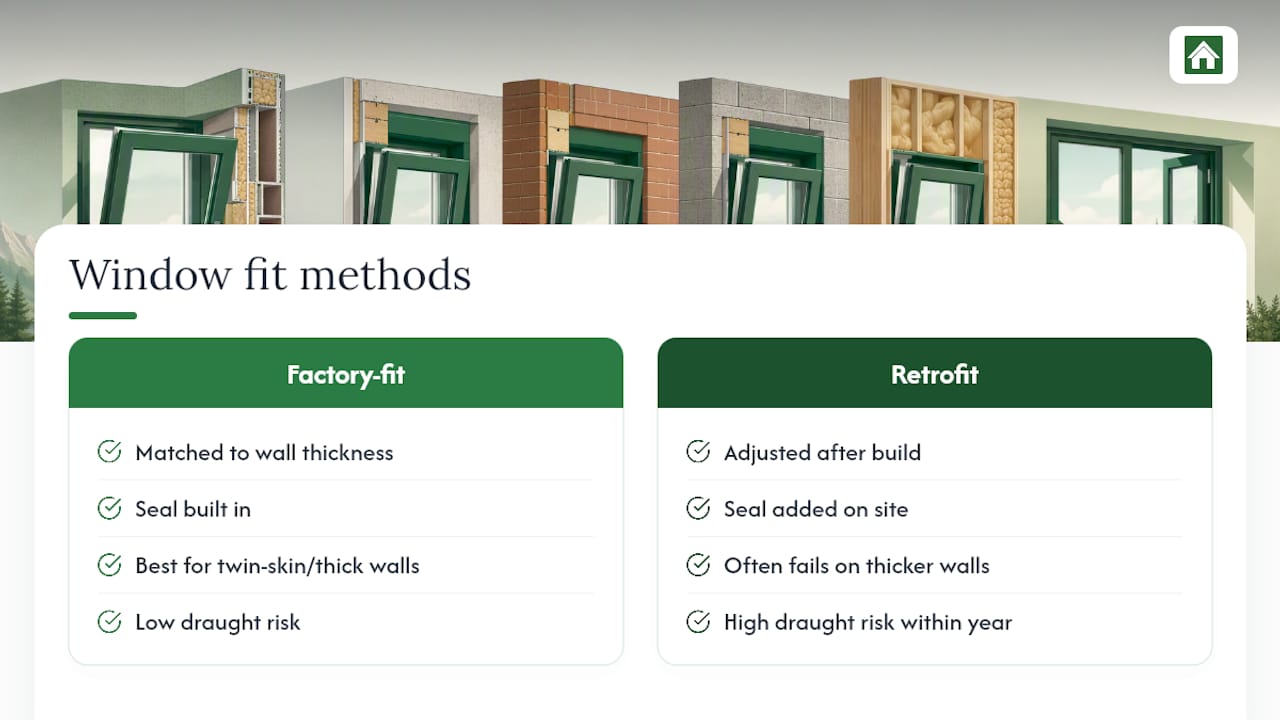
Here’s the thing most guides won’t tell you: a tilt-and-turn window is only as good as the wall it sits in. Bolt residential-grade hardware into a log cabin wall that wasn’t built with the right reveal depth, and you’ll be fighting draughts within a year, no matter how good the gearbox is.
Logcabinkits fits residential-grade windows as standard and builds bespoke configurations around them, matched to wall thickness from the start rather than adjusted afterwards. For twin-skin or thicker-walled cabins especially, factory-fitted windows beat retrofitting almost every time, since the seal is built in rather than added on site. If you’re specifying a bespoke cabin, our custom cabin kits page and residential-grade windows page are worth reading side by side before you order.
— Martin
Order a bespoke cabin with tilt-and-turn windows
Logcabinkits builds bespoke cabins around residential-grade tilt-and-turn windows fitted at the factory, not bolted in after delivery, and delivers across the UK mainland. That means the seal between window and wall is done properly before the cabin ever leaves the workshop, which is exactly the weak point most retrofitted cabin windows suffer from.
Browse the full range of garden log cabins to see standard layouts, or head straight to bespoke cabin design if you already know you want custom window positions or larger glazed sashes. Not sure where to start? The cabin selection wizard walks you through sizes and window options in a few clicks, or get in touch to request a bespoke quote with your exact window specification included.
Sources
- How do Tilt and Turn Window Handles and Hinges Work? — Origin Global
- What Is a Tilt and Turn Window and How Does It Work? — CMECH
- Mastering tilt-and-turn windows: how to operate and enjoy their benefits — Balhousie Glazing