
LogCabinKits: Get a UK Log Cabin in as Little as 7 Working Days
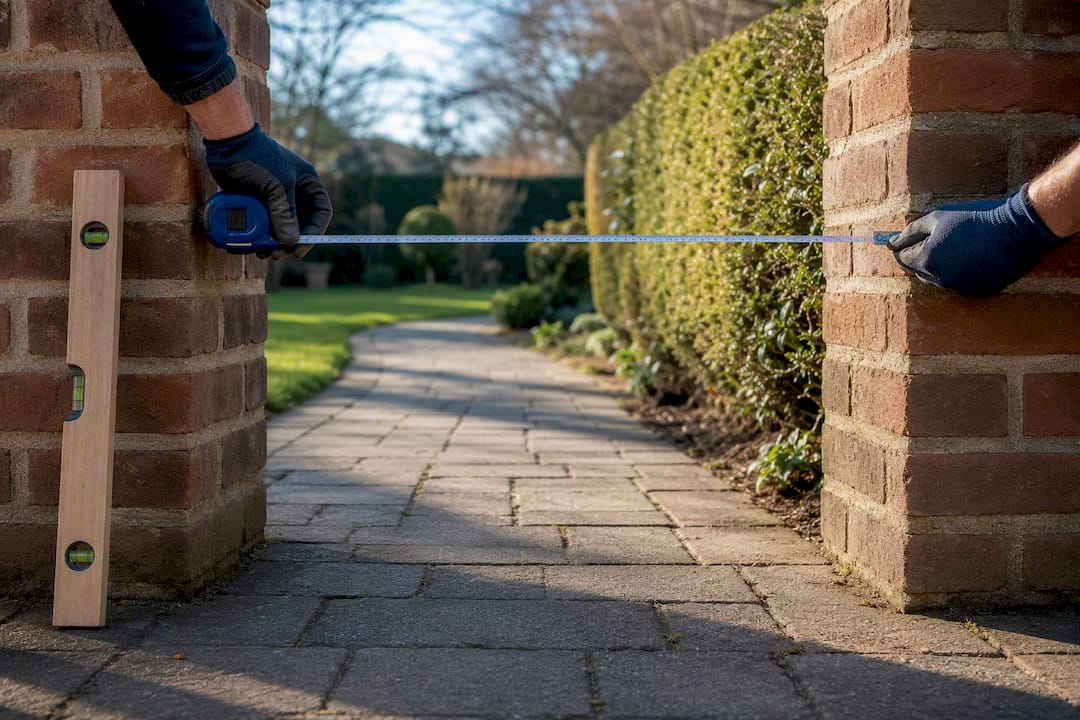
Fast delivery is possible almost everywhere on the UK mainland, and some suppliers offer in-stock cabins alongside short-lead and bespoke options. Realistically, a small in-stock kit can reach you within about 7 working days, common models take 2 to 6 weeks, and bespoke builds run longer. Check the delivery badge on the product page, then get in touch with your postcode and site-access details to confirm a firm date.
TL;DR:
- In-stock cabins can typically be delivered within 7 working days, while standard models take 2 to 6 weeks, and bespoke builds require longer lead times.
- Delivery costs vary depending on location, distance, and site access, with offshore and remote sites incurring higher surcharges or separate quotes.
- Site readiness, including gate width, level base, and clear access, is crucial to avoid delays more than the supply itself.
- Professional installation is recommended for multi-room or difficult-site cabins, while DIY kits suit straightforward, small projects for quick assembly.
- Most garden cabins are permitted under current rules if within height and coverage limits, but adding kitchens or bathrooms can trigger separate council tax assessments.
Table of Contents
- What “fast delivery” actually means for a garden log cabin
- How much does log cabin delivery cost in the UK?
- Which UK areas get log cabin delivery, and how does scheduling work?
- Getting your site ready before the lorry turns up
- Self-build kit or professional installation: which suits you?
- Planning permission and council tax: what to check first
- Choosing the right delivery option: a quick checklist
- How Logcabinkits handles fast delivery across the UK
- A few honest words on what actually slows delivery down
- Ready for a fast, fuss-free cabin? Here’s how to get one
- Sources
- FAQ
What “fast delivery” actually means for a garden log cabin
“Fast delivery” covers three very different situations, and mixing them up is the easiest way to end up disappointed on collection day.
In-stock, ready-to-ship cabins are already built or pre-cut and sitting in a warehouse. These move fastest, often within about 7 working days of ordering. Short-lead models are standard designs made to order in batches. They typically take 2 to 6 weeks depending on the manufacturer’s schedule. Made-to-order bespoke cabins are cut and finished to your exact specification, so lead times stretch further. If you need an unusual footprint, a specific room layout, or matching cladding to an existing building, a bespoke cabin design takes longer to plan properly, and that’s time well spent rather than time lost.
There’s also a difference between delivery only and delivery plus installation, and suppliers don’t always make this obvious on the product page. Delivery only means the kit arrives on a lorry and you (or your builder) put it up. Installation means a team turns up, builds it, and leaves you with a finished cabin.
A few common upgrades add time to any order:
- Increased wall thickness (say, moving from 28mm to 44mm logs)
- Double glazing instead of single-pane windows
- Factory-applied paint or stain finishes
- Non-standard door and window positions
- Multi-room layouts with internal partition walls
None of these are reasons to avoid customising your cabin. They’re simply worth factoring into your planning if you have a date in mind, such as a summer party or a home office start date.
How much does log cabin delivery cost in the UK?
Delivery pricing usually follows one of three models: a flat fee regardless of location, a postcode-banded charge, or free delivery once your order passes a certain value. Many suppliers advertise free delivery across most of the UK mainland but exclude islands and remote spots, or add a surcharge for craning and specialist offload.
Watch for these common triggers that push the price up:
- Deliveries to Scottish islands, the Isle of Wight, or other offshore locations
- Sites requiring a crane or forklift to lift the cabin over an obstacle
- Long-distance runs beyond a supplier’s standard delivery radius
- Restricted access that needs a smaller vehicle or a second visit
The most reliable way to get an accurate figure is to give the supplier your postcode, a couple of photos of the delivery route and base area, and your preferred delivery day. That combination lets a supplier price the job properly first time, rather than adjusting the quote after the lorry driver reports back from your street. It also avoids the classic gotcha where a “free delivery” cabin quietly picks up a £150 access surcharge once the driver sees your gate.
Which UK areas get log cabin delivery, and how does scheduling work?
Many suppliers deliver to the majority of UK mainland postcodes as standard. Islands, the far north of Scotland, and some remote rural areas are commonly excluded from the standard rate and priced separately. The safest approach is to check cabin delivery areas before you order, or simply ask, rather than assuming coverage.
Scheduling generally works like this:
- You place your order and confirm your postcode and access details.
- The supplier calculates a lead time based on stock or build schedule.
- You’re offered a “pick a day” or chosen delivery date, usually from a shortlist of available slots.
- The delivery is confirmed in writing, ideally with a rough time window rather than just a date.
- A few days before delivery, the driver or dispatch team makes contact to confirm timing.
On the day itself, expect a call or text with a narrower time window, often a few hours rather than “sometime Tuesday”. Have your access route clear, someone at home who can point the driver to the right spot, and any pets secured well before the lorry arrives.
Getting your site ready before the lorry turns up
Delivery delays almost never come down to the cabin itself. They come down to the driveway.
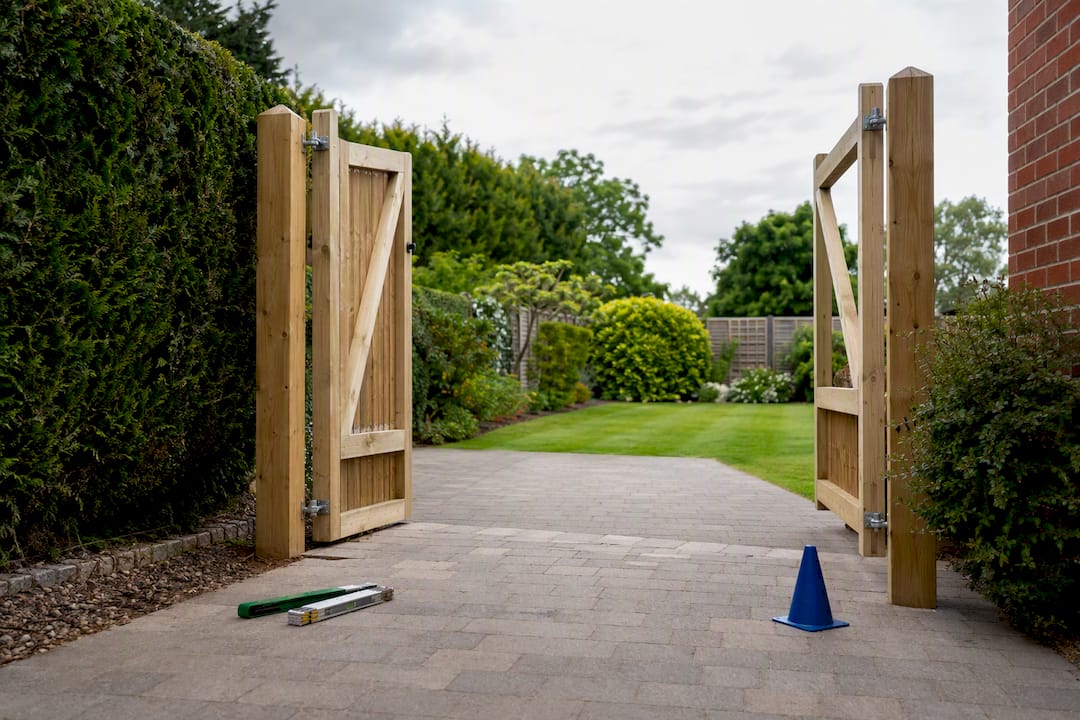
Vehicle access matters more than most buyers expect. Gate widths, tight turning circles, and dropped kerbs all affect whether a standard delivery lorry can reach your garden, or whether the driver has to unload further away and hand-carry panels. Base readiness is just as important: your base needs to be level, solid, and the right size before the cabin arrives, because delivery teams generally won’t wait around while you finish laying slabs. Craning or specialist offload is sometimes the only option where access is genuinely tight, and this always adds cost, so it’s worth flagging early rather than discovering it on delivery morning.
Before delivery day, check:
- Gate and pathway widths against the lorry’s stated dimensions
- A firm, level, correctly sized base is fully cured and ready
- Fences, sheds, or low branches that might block the route
- Someone aged 18 or over is present for the whole delivery window
Pro Tip: Take a few photos of your access route and base on your phone and send them to the supplier when you book. It takes two minutes and can save you a surprise surcharge on the day.
Self-build kit or professional installation: which suits you?
A self-build kit typically arrives with pre-cut logs, roofing materials, fixings, glazing units, and a set of instructions. For a straightforward small cabin, a competent DIYer can expect a weekend or two of steady work, longer for bigger or multi-room designs.
Professional installation is a different experience altogether. A team delivers the cabin and builds it on site, usually adding some lead time to the schedule because installers work to their own diary. It costs more than delivery alone, but it removes the physical labour and the risk of getting something wrong on a structure you’ll be using for years.
Installation tends to make more sense when:
- You’re building a multi-room cabin or anything used as a garden office or residential space
- Site access is tricky and needs experienced hands
- You want the reassurance of a professionally fitted result
- Warranty terms specify or favour professional assembly
If speed and a hands-on project appeal to you, a kit from the garden log cabins range gets you started sooner. If you’d rather hand the whole job over, professional installation is worth the extra wait.
Planning permission and council tax: what to check first
Most garden cabins fall under permitted development, meaning you won’t need formal planning permission if you stay within the rules. The key limits are height near boundaries, positioning behind the main house where required, and keeping total garden coverage under 50% of the garden, based on your house’s original footprint.
That last point catches people out more than any other. Permitted development coverage is calculated against the “original house” as it stood when built, or as of 1 July 1948 for older properties, so previous extensions can eat into your allowance without you realising it.
Worth knowing: The commonly repeated “30 cubic metre” limit for garden buildings doesn’t actually exist in current rules. The real tests are siting, height near boundaries, and how the building is used, not a fixed volume figure.
Council tax is the other question buyers often overlook. A cabin used incidentally, as a home office, gym, or storage, usually doesn’t attract separate council tax. But adding a kitchen or bathroom raises the risk that the Valuation Office Agency treats it as a self-contained dwelling and bands it separately. If you’re near a boundary or on designated land, check with your local planning authority before ordering. Our corner log cabin boundary planning rules guide walks through the boundary distance and height checks in more detail.
Choosing the right delivery option: a quick checklist
Match your choice to what actually matters to you: speed, exact specification, or peace of mind.
- Decide how urgent it is. If you need a cabin fast, look at in-stock models first. If size or finish matters more, a bespoke order is worth the wait.
- Sort your site before you book. Confirm your base is finished and access is clear so your delivery date doesn’t slip.
- Ask for an itemised quote. Get the delivery window, any craning fees, and installation costs written down separately.
- Check the small print. Ask about delivery insurance, what happens if something arrives damaged, and the cancellation policy before you pay.
Getting these four steps right before you order avoids most of the delays buyers run into.
How Logcabinkits handles fast delivery across the UK
Some suppliers run a bespoke log cabin service and a professional installation service alongside standard delivery across the UK mainland. Whether you want a quick in-stock cabin or a fully customised build, both routes are covered from the same order process.
Checking coverage is simple: visit cabin delivery areas to see where standard delivery applies, then get in touch with your postcode and site photos to request a firm date. It’s a small step that saves back-and-forth later.
A few honest words on what actually slows delivery down
In practice, the two things that hold up a cabin delivery again and again are narrow gates and unfinished bases. Neither has anything to do with the cabin itself; both are entirely within your control.
Three quick wins: measure your access route before you order, get your base finished and cured a week early, and send photos when you book rather than waiting to be asked.
— Martin
Ready for a fast, fuss-free cabin? Here’s how to get one
Some suppliers offer a more direct route to a finished cabin than by browsing large standard ranges. Where off-the-shelf options fall short, on size, layout, or finish, our Bespoke Log Cabin Service lets you specify exactly what you need, with Professional Installation handling the build so you don’t have to.
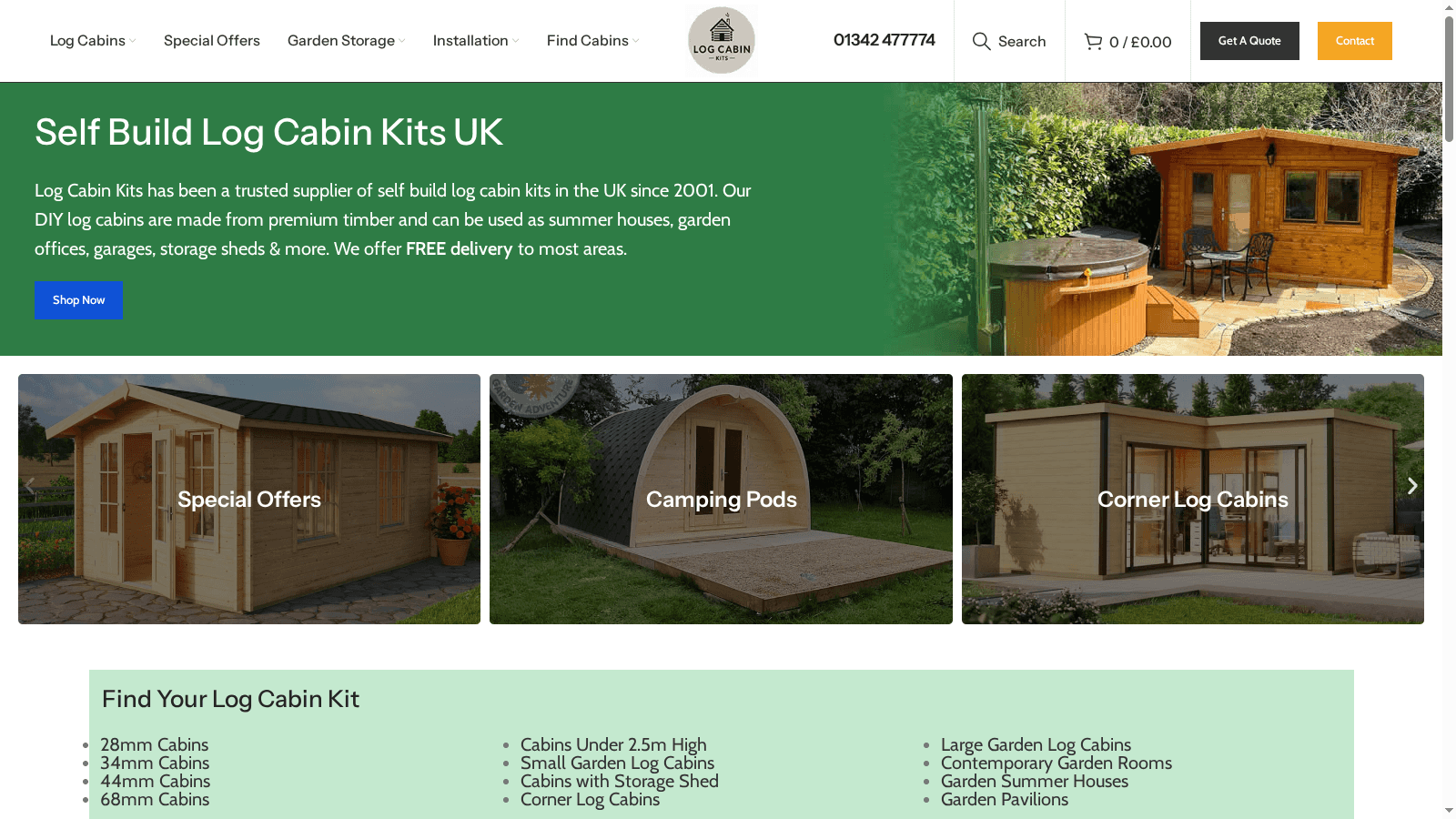
Getting a quote is straightforward. Send us your postcode, a couple of photos of your base and access route, and your preferred delivery date, and we’ll confirm a realistic delivery window along with any craning or access costs upfront, no surprises later. Once you’ve enquired, expect a written confirmation of your delivery slot and a short checklist covering exactly what to prepare before the lorry arrives.
Browse garden log cabins for in-stock and short-lead models, or head straight to custom build log cabins if you already know you want something bespoke. Either way, get in touch today with your details and we’ll get a delivery date confirmed for you.
Sources
- Gov
- Planning Permission - Outbuildings - Planning Portal
- Do I Need Planning Permission for a Log Cabin? 2026 | PlanWatch
- Do garden rooms affect council tax? — Summerfield Browne
FAQ
Who is the best log cabin supplier in the UK?
There’s no single “best” supplier for every buyer, it depends on whether you need speed, a bespoke design, or a specific budget. Logcabinkits covers both ends through in-stock garden log cabins for fast delivery and a Bespoke Log Cabin Service for custom builds with professional installation.
Can you legally live in a log cabin in the UK?
It depends on planning permission and how the cabin is used, not just its size. A cabin used as a genuine second home or main residence generally needs full planning permission, since permitted development rules are built around incidental garden use, not independent living accommodation.
How much does a log cabin cost in the UK?
Costs vary widely depending on size, wall thickness, glazing, and whether you choose a standard kit or a bespoke build, so current prices are best checked directly on the site for your chosen model. Delivery and installation are usually quoted separately once your postcode and access details are confirmed.
Do you pay council tax on log cabins?
Most garden cabins used incidentally, as an office, gym, or storage, don’t attract separate council tax. The risk increases once you add a kitchen or bathroom, since a self-contained cabin with those facilities can be banded separately by the Valuation Office Agency.