
Aluminium vs Timber Windows: Which Should You Choose?

Timber windows give you warmth, character and repairability. Aluminium gives you slim frames, big views and very little upkeep. Neither is better for everyone, so the right pick comes down to your house (or garden room), your budget and how much time you want to spend on maintenance.
This guide goes through the real differences in plain English, with UK prices and rules. We also cover what it means if you’re choosing windows for a garden log cabin, which is what we do every day.
TL;DR
- Cost: 2026 UK guide figures put timber at roughly £500 to £1,200 per window and aluminium at roughly £600 to £1,800.
- Lifespan: aluminium typically lasts 40+ years. Well-kept timber can last 30 to 60+ years.
- Upkeep: timber needs repainting or restaining every 5 to 10 years. Aluminium needs regular cleaning, not zero care.
- Looks: aluminium suits modern buildings and big glass areas. Timber suits traditional homes and natural-looking garden rooms.
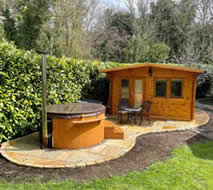
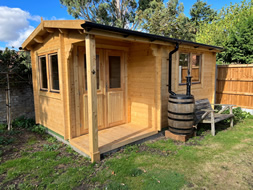
- Cabins: with a timber cabin, the window material is part of the whole look, so it’s worth choosing it alongside the cabin, not after.
Table of Contents
- The quick comparison
- Cost: what you’ll actually pay
- Lifespan and maintenance
- Looks and style
- Insulation and energy efficiency
- The environment
- Aluminium vs timber windows for a garden log cabin
- Measuring up properly
- Our view: why we lean towards timber for cabins
- Want windows that suit your cabin exactly?
- Which one is right for you?
- FAQ
- Sources
The quick comparison
| Timber | Aluminium | |
|---|---|---|
| Typical price per window (2026 guide) | £500 to £1,200 | £600 to £1,800 |
| Typical lifespan | 30 to 60+ years with care | 40+ years |
| Upkeep | Repaint or restain every 5 to 10 years | Regular cleaning |
| Frame thickness | Chunkier | Slim, strong |
| Look | Warm, natural, traditional | Sleek, modern |
| Repairs | Often repairable | Usually replaced or reglazed |
| Insulation of the frame itself | Naturally good | Needs a thermal break |
The price and lifespan figures are ranges from buyer guides, not quotes. Your own price will depend on size, glazing, finish and installer.
Cost: what you’ll actually pay
On price alone, the two are closer than most people expect. The 2026 buyer guide we’ve used gives £500 to £1,200 for timber and £600 to £1,800 for aluminium per window. The same guide says timber can work out cheaper over a 60-year lifespan, because it can be repaired instead of replaced.
A few things push the price up on either side:
- Bigger panes and bespoke sizes
- Double or triple glazing
- Factory-painted or special colour finishes
- Opening styles such as sliding, tilt and turn, or sash
- Fitting costs
One cost people forget is the repainting. Timber is cheaper on day one in many cases, but you’ll need to budget for a coat of paint or stain every few years. Aluminium costs more up front for the slimmer, larger designs, and then mostly just needs a wipe down.
Lifespan and maintenance
Aluminium windows typically last 40+ years with little maintenance. Good timber windows can reach 30 to 60+ years, as long as you repaint or restain every 5 to 10 years to keep rot away.

So timber isn’t short-lived by nature. Historic England says properly maintained historic timber windows can last indefinitely, because they were usually made from high-quality durable timber. Modern timber isn’t always the same quality, so buy the best you can afford. The big thing is small, regular jobs. Fix a flaking patch of paint this summer and you’ll avoid a rotten sill later.
Is aluminium really maintenance-free?
Not quite. It’s often sold that way, but an Australian service-life study notes that aluminium finishes need regular cleaning to stop surface dirt damaging the coating, sometimes monthly in harsh environments. Think seaside homes. A quick rinse and wipe a few times a year is a sensible habit for most UK homes.
Can timber windows be repaired?
Often, yes. Historic England explains that carpenters can splice in new sections of matching timber, and that repairs can cost significantly less than replacing traditional windows. That’s a real plus for timber. With aluminium, a damaged frame usually means a new unit.

Looks and style
This is where most people decide.
Timber has natural grain, warm colours and softer lines. You can paint it nearly any colour, and it looks right on period homes, cottages and, of course, log cabins.
Aluminium is strong, so the frames can be very slim. That means more glass and more view. A home-improvement guide describes it as the pick for slim, modern frames and garden-facing extensions where light and views matter most. Think bi-fold doors, big fixed panes and clean, minimal lines.
A simple rule: if the building is traditional or natural in style, start with timber. If it’s contemporary and you want as much glass as possible, start with aluminium.
Insulation and energy efficiency
Timber is a natural insulator, so a timber frame loses less heat through the frame itself. Aluminium conducts heat quickly, so good aluminium windows have a thermal break, a layer of insulating material inside the frame.
In practice, the glass matters just as much as the frame. Double glazing makes a big difference, and the quality of the seals and fitting matters too. When you compare quotes, compare the U-value (lower is better) and the window energy rating, not just the frame material. The kjm guide suggests looking for an A+ Window Energy Rating.
Building Regulations for replacement windows
If you’re replacing windows in a house in England, they need to meet Part L of the Building Regulations. The research we’ve used gives a maximum U-value of 1.4 W/m²K for new window installations. Keep your FENSA certificate or building control sign-off, because buyers’ surveyors often ask for it when you sell. If the rules clash with preserving a building’s character, slim-profile double glazing or secondary glazing may be allowed, so ask your local building control team before you order.
Scotland, Wales and Northern Ireland have their own rules, so check locally.
The environment
It’s not a simple win for either. A peer-reviewed study found aluminium performs well over a full building life thanks to recyclability. It also found that well-maintained timber can have a lower life-cycle carbon footprint, since timber stores carbon and takes less energy to make than metal frames. If green credentials matter to you, look for timber from a certified, responsibly managed source, and plan to keep your windows for decades.
Aluminium vs timber windows for a garden log cabin
Here’s where our everyday work comes in. A garden cabin isn’t a house, so the choice looks a bit different.
- Match the cabin’s style. A classic log cabin or summer house looks great with warm timber-look frames. A contemporary garden building or a pavilion with big glass often suits slim frames.
- Think about how you’ll use it. A garden office or year-round room needs good insulation and double glazing. A summer house for sunny afternoons is more relaxed.
- Think about upkeep. Your cabin’s timber walls will need a little care anyway, so adding timber windows to the same routine isn’t a big step. If you’d rather not paint anything, go low-maintenance.
- Plan the glass area early. More glass means more light, but also more heat in summer and more loss in winter.
- Get the sizes right. Cabin windows are often made to measure. Our guide to custom window sizes explains why you should measure first.
For more on this, see our articles on choosing windows for garden rooms, residential grade windows and window placement by room.
Which cabin types give you the most choice?
The more flexible the design, the more you can tailor the windows:
- Garden log cabins: our standard range, which we can adjust for window and door layouts.
- Multi-room log cabins: useful when each room needs a different amount of light, such as an office and a lounge.
- Apex roof cabins: the roof shape gives a classic look that suits traditional window styles.
- Garden summer houses: often designed around big views and plenty of glass.
- Garden pavilions: fully enclosed, with a light and airy feel.
Measuring up properly
Whatever you pick, accurate measurements save money. Made-to-measure windows only fit if the opening is right, and that matters just as much on a house extension as on a cabin. If you’re planning something bigger, such as an extension, a measured building survey gives you exact dimensions to order windows from.
Our view: why we lean towards timber for cabins
We sell self-build log cabin kits, and a big part of what we do is bespoke work: changing sizes, adding rooms, moving doors and windows until the cabin suits your garden and your life. That’s why windows come up in nearly every conversation.
Here’s how we see it.
- A timber cabin and timber-style windows go together naturally. The whole building feels like one piece.
- Don’t pick windows last. The number, size and position of windows changes how the cabin feels inside, so decide with the layout.
- Glass is where comfort is won or lost. Double glazing and good insulation matter more than the debate over frame material.
- Aluminium has its place. If you want a modern, glass-heavy building, slim frames can look brilliant, and we’re happy to talk it through.
- Choose what you’ll actually look after. The best frame is the one you’ll keep up.
We’d always rather you ask a question now than be unhappy later. If you’re not sure, tell us how you plan to use the cabin and we’ll point you the right way.
— Martin
Want windows that suit your cabin exactly?
Our bespoke log cabin service lets you adjust our standard cabins, including door and window layouts, sizes and features like insulation and double glazing. You can also see what’s possible on our bespoke cabin design page. We deliver across the UK mainland, so just get in touch with your ideas and we’ll take it from there. No trawling through pages needed.
Which one is right for you?
Choose timber if:
- Your home or cabin is traditional or natural in style
- You don’t mind a repaint every 5 to 10 years
- You like the idea of repairing instead of replacing
- You want a warm, natural look
Choose aluminium if:
- You want slim frames and big glass areas
- Your building is modern or contemporary
- You want the least painting and fuss
- You’re happy to give it a regular clean
If you’re stuck between the two, ask for samples and compare quotes using the same glazing spec. That tells you much more than the frame material alone.
FAQ
What are the disadvantages of wooden windows?
Timber needs regular care. You’ll need to repaint or restain every 5 to 10 years, or it can rot. Cheap timber also doesn’t last as long as high-quality timber. The good news is that timber can often be repaired.
Are timber windows worth it?
For many people, yes. They look warm and natural, can last 30 to 60+ years with care, and can often be repaired. They’re especially good on traditional homes and timber cabins. If you don’t want any painting at all, aluminium may suit you better.
Are aluminium windows good for a house?
Yes, especially on modern homes. They’re strong, long-lasting and allow slim frames and large panes. Choose ones with a thermal break and good double glazing, and give them a regular clean to protect the finish.
Which is cheaper, aluminium or timber windows?
It depends on the spec. One 2026 UK guide gives £500 to £1,200 for timber and £600 to £1,800 for aluminium per window. Timber has repainting costs, while aluminium costs more up front for large or slim designs. Always compare full quotes.
Sources
- Timber Windows UK 2026 Buyer Guide
- Timber Windows: The Complete UK Buyer’s Guide 2026
- Repair or Change Windows in an Older Home, Historic England
- Draught-proofing Windows and Doors, Historic England
- Comparative service life assessment on windows
- Installing New Windows in Your Home: The Complete Guide & Checklist
- Approved Document L: Conservation of fuel and power
- Life-cycle study of window materials