Blog

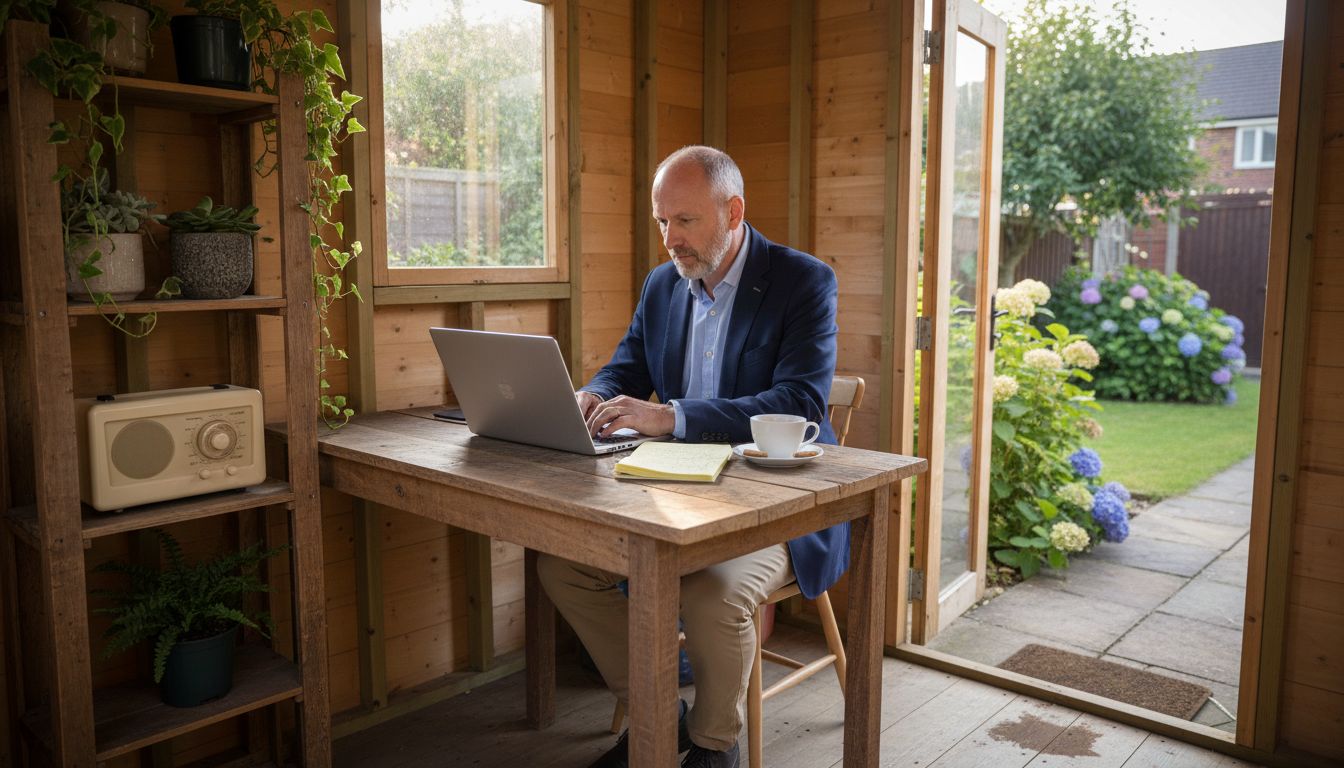
More than 40 percent of British professionals now work from home in some capacity, reshaping how people across the United Kingdom approach productivity. Finding a quiet, dedicated workspace can be a real challenge, especially for those juggling career and family under one roof. Smart garden offices offer a clever alternative, blending advanced technology with distinctive British design and helping remote workers reclaim their focus and comfort just steps from their back door.
Table of Contents
- Defining Smart Garden Offices In The UK
- Types Of Smart Garden Office Buildings
- Key Features And Smart Technology Explained
- UK Planning Permission And Legal Requirements
- Cost Factors And Common Pitfalls To Avoid
Key Takeaways
| Point | Details |
|---|---|
| Smart Garden Offices Enhance Work-Life Balance | They provide a separate workspace, promoting productivity and flexibility for remote professionals. |
| Diverse Architectural Styles Cater to Varied Needs | Options range from prefabricated designs to bespoke structures, allowing customisation for individual preferences. |
| Integration of Smart Technology Improves Functionality | Features like climate control and high-speed internet create intelligent work environments that adapt to users’ needs. |
| Understanding Legal Requirements is Crucial | Compliance with planning regulations ensures smooth construction and usage of garden offices. |
Defining Smart Garden Offices in the UK
A smart garden office represents a modern solution for professionals seeking a dedicated workspace that seamlessly integrates with their home environment. These purpose-built structures are more than simple garden sheds – they are sophisticated, technologically enhanced work spaces designed specifically for remote professionals.
According to Wikipedia’s garden office definition, a garden office is an outbuilding located separately from the main house, specifically created as a dedicated workspace for remote workers or home-based businesses. Modern smart garden offices go several steps further by incorporating intelligent design features that enhance productivity and comfort.
These innovative workspaces typically include several key characteristics that distinguish them from traditional garden buildings:
- High-quality insulation for year-round usability
- Integrated electrical systems and robust internet connectivity
- Ergonomic design with natural lighting considerations
- Sustainable construction materials
- Advanced security features
- Flexible interior configurations
By creating a distinct separation between home life and professional environments, smart garden offices offer UK professionals a transformative solution to home working challenges. The ability to step into a purpose-built workspace just metres from one’s home provides unprecedented flexibility and work-life balance.
Types of Smart Garden Office Buildings
Smart garden offices in the UK have evolved into diverse architectural styles, each designed to meet specific professional and aesthetic requirements. From compact modular designs to expansive custom-built structures, these innovative workspaces offer remarkable flexibility for remote professionals seeking a dedicated home working environment.
When exploring the types of garden offices for productive outdoor spaces, homeowners can discover several distinct categories that cater to different needs:
- Prefabricated Log Cabins: Standardised designs with quick installation
- Bespoke Timber Structures: Custom-built offices tailored to individual specifications
- Modular Pod Systems: Flexible units with expandable configurations
- Glass-Fronted Modern Designs: Contemporary spaces maximising natural light
- Traditional Wooden Cabin Styles: Classic aesthetic with modern technological integration
- Eco-Friendly Sustainable Buildings: Constructed with environmentally conscious materials
Each type of smart garden office provides unique advantages, allowing professionals to select a workspace that perfectly matches their functional requirements, budget constraints, and aesthetic preferences. The key is understanding how these different architectural approaches can transform a simple garden building into a sophisticated, technology-enabled professional environment.
Key Features and Smart Technology Explained
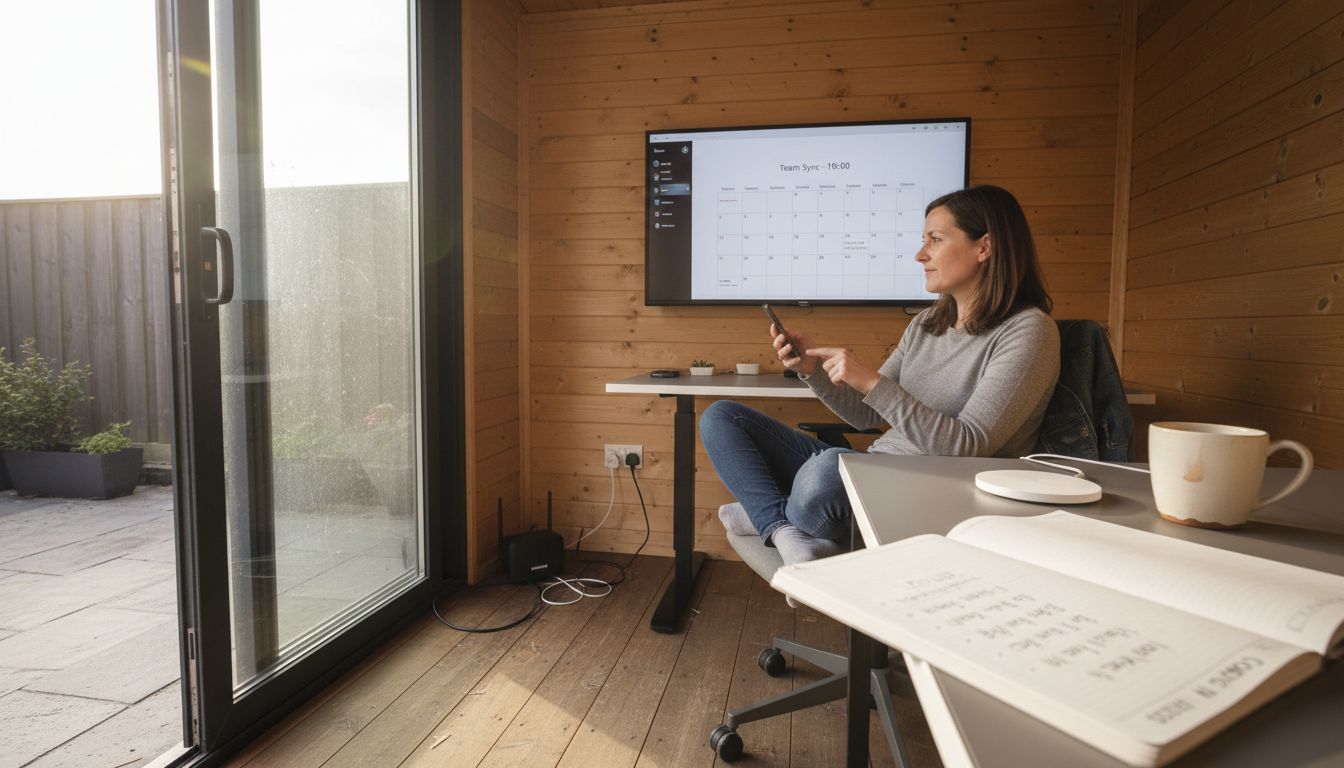
Smart technology has revolutionised garden office design, transforming traditional wooden structures into intelligent workspaces that adapt to professional needs. These cutting-edge environments go far beyond simple timber constructions, integrating advanced technological features that enhance productivity, comfort, and efficiency.
Homeowners can now explore transformative log cabin technology integration that brings sophisticated digital capabilities directly into their outdoor workspace. These intelligent features typically encompass several key technological elements:
- Climate Control Systems: Automated temperature regulation
- Smart Lighting: Motion-activated and programmable illumination
- High-Speed Internet Connectivity: Robust Wi-Fi and networking infrastructure
- Security Systems: Integrated alarm and monitoring technologies
- Energy Management: Solar power integration and intelligent power usage tracking
- Acoustic Engineering: Sound insulation and noise reduction technologies
The true innovation of smart garden offices lies in their ability to create a seamless technological ecosystem. These spaces are designed to be more than just physical structures – they represent intelligent work environments that adapt to individual professional requirements, offering unprecedented flexibility and technological sophistication for modern remote workers.
UK Planning Permission and Legal Requirements
Navigating the legal landscape for garden offices can be complex, with specific regulations governing their construction and use. According to garden office planning guidelines, homeowners can typically install a garden office without formal planning permission, provided they meet crucial size and placement criteria.
Professionals considering a garden office should understand the comprehensive legal requirements for log cabin installations. The key legal considerations include:
- Permitted Development Rights: Structures under 2.5 metres in height often bypass full planning permission
- Location Restrictions: Must be located within the property’s curtilage
- Size Limitations: Maximum floor area typically restricted to 50% of garden space
- Distance from Boundaries: Minimum setback requirements from property lines
- Usage Restrictions: Solely for home office or personal use
- Height Constraints: Single-storey structures with specific roof angle limitations
While many garden offices fall under permitted development, specific circumstances may require formal planning consent. Local council regulations can vary, making it crucial to consult individual municipal guidelines before commencing construction. Homeowners should always verify their specific situation, as seemingly minor variations in design or location can trigger additional legal requirements.
Cost Factors and Common Pitfalls to Avoid
Garden office investments require careful financial planning and strategic decision-making to ensure long-term value and functionality. Homeowners must navigate a complex landscape of potential expenses and hidden challenges that can significantly impact their overall project budget and satisfaction.
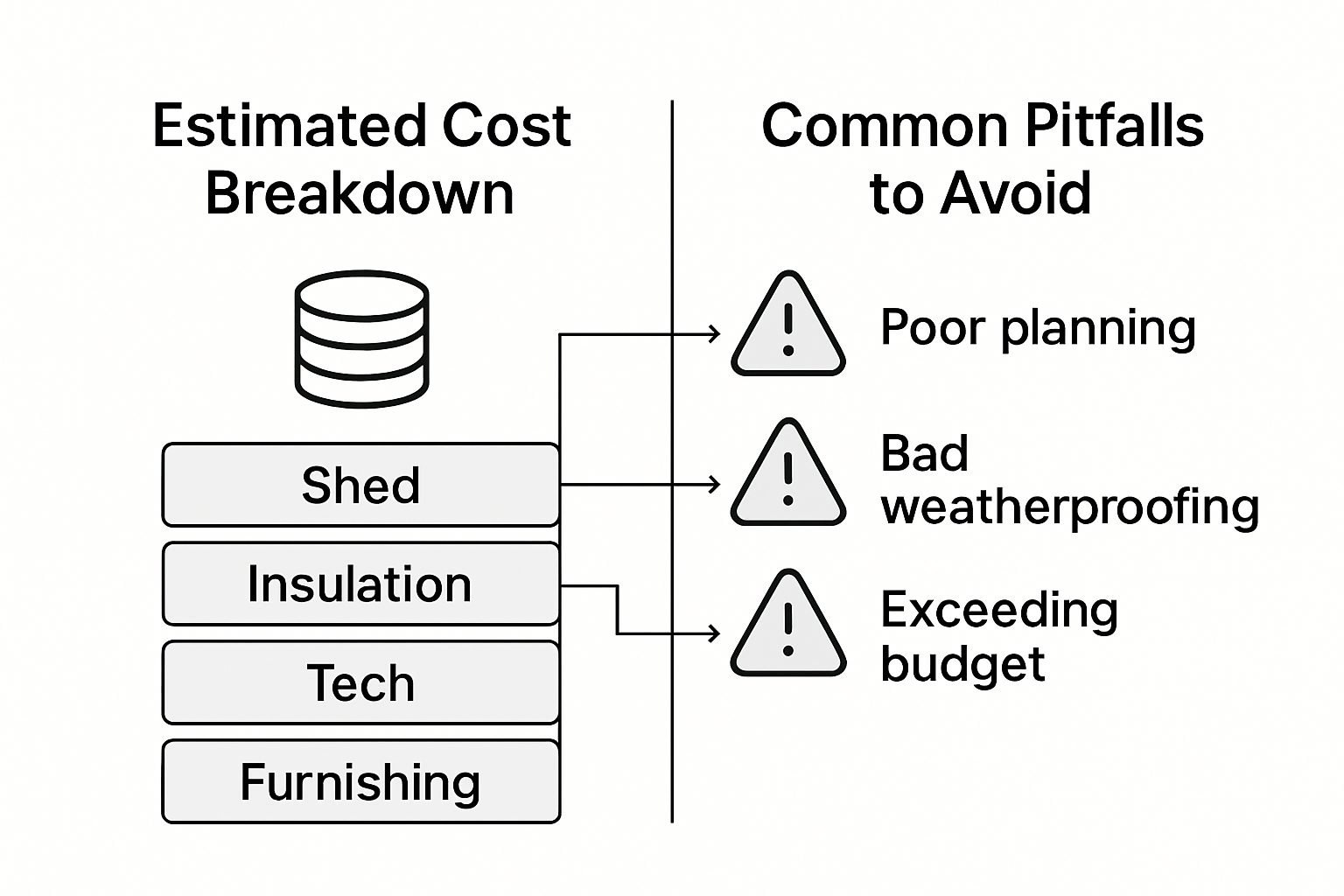
When considering a garden office investment, professionals should explore comprehensive budgeting strategies for garden building projects, taking into account multiple cost dimensions:
- Base Construction Costs: Fundamental building expenses
- Timber quality and sourcing
- Foundation preparation
- Structural materials
- Technological Integration: Smart feature investments
- Electrical infrastructure
- Internet connectivity
- Security systems
- Ongoing Maintenance: Long-term financial considerations
- Weatherproofing treatments
- Periodic structural checks
- Technology upgrades
Common pitfalls often emerge from inadequate initial planning and unrealistic budget expectations. Professional-grade garden offices demand precision in design, material selection, and technological implementation. Successful projects require a holistic approach that balances immediate costs with future-proofing strategies, ensuring the workspace remains functional, comfortable, and aligned with evolving professional requirements.
Discover Your Ideal Smart Garden Office Solution Today
Struggling to find a dedicated, technologically advanced workspace that fits seamlessly in your UK garden We understand the challenges remote professionals face balancing comfort, functionality and legal compliance Our range of bespoke garden buildings allows you to transform your outdoor space into a smart garden office tailored exactly to your needs From high-quality insulation and smart lighting to robust internet connectivity and eco-friendly materials we help you create an intelligent workspace that boosts productivity and supports your work life balance
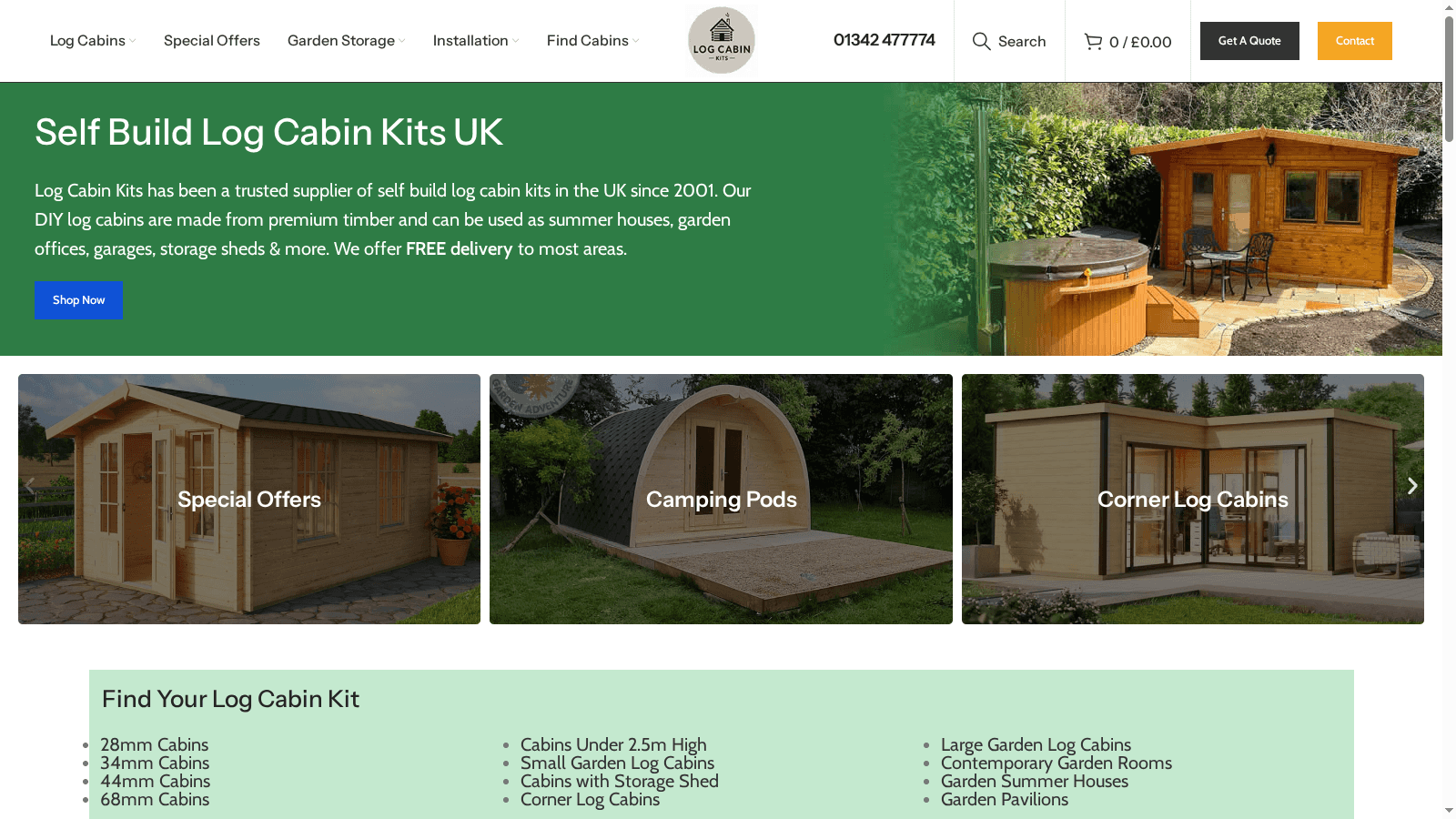
Explore how you can elevate your home working environment with expert guidance and customised options at Log Cabin Kits Browse our selection of bespoke timber structures designed to meet modern smart technology standards Don’t let common pitfalls compromise your investment Start planning your smart garden office now and enjoy a workspace that truly adapts to you