
Can a Side Shed Extension Be Built on Either Side of a Log Cabin? A Technical Guide for Self-Builders
One of the most common questions asked by customers considering a log cabin with an integrated side shed is surprisingly simple: can the shed section be positioned on either side of the main building?
The answer is often yes, but understanding exactly how this works requires a closer look at modern log cabin construction methods. Today's premium timber buildings are typically manufactured using modular interlocking wall systems, precision-machined timber components and engineered framing frameworks that offer significantly more flexibility than many buyers realise.
For self-builders, this flexibility can prove invaluable when dealing with restrictive garden layouts, awkward fence lines, narrow access routes or challenging boundary positions.
This guide explains how log cabins with a side shed can often be inverted during installation, the structural considerations involved, and how careful planning can help maximise available space while maintaining safe access around the building.
Understanding the Typical Log Cabin and Side Shed Configuration
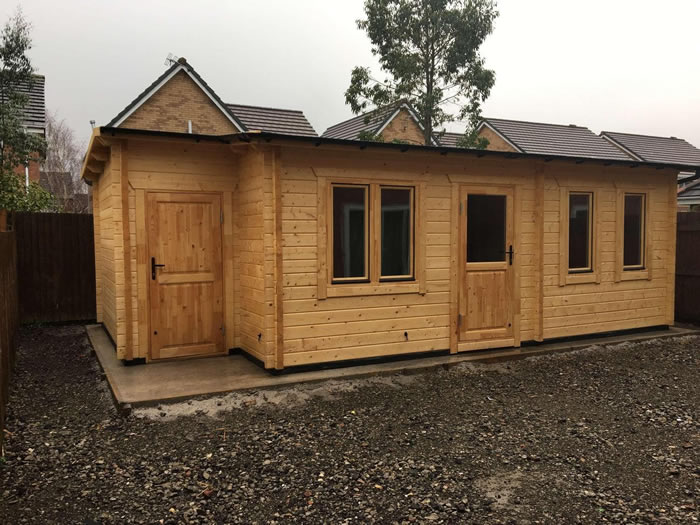
A popular garden building design combines a fully enclosed log cabin with an attached side storage area.
The arrangement typically provides:
- A primary usable cabin space.
- An integrated storage shed.
- A shared roof structure.
- A common foundation system.
- A continuous external appearance.
These designs are popular because they eliminate the need for separate storage buildings while preserving valuable internal floor space.
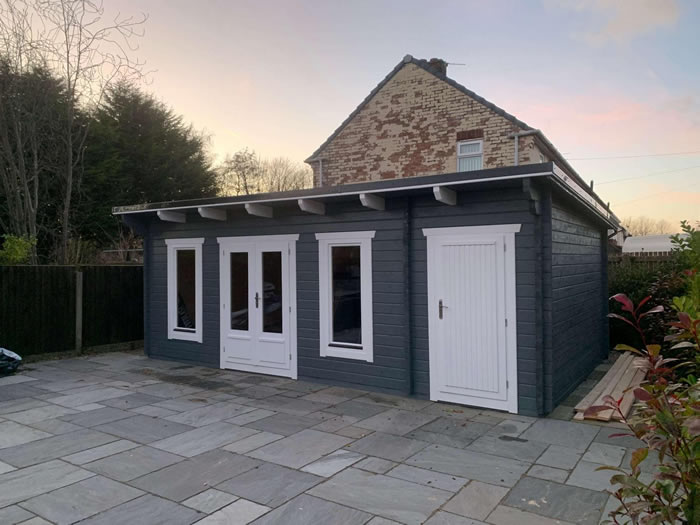
However, every garden is different, and the factory layout is not always ideal for the installation site.
Why Homeowners Want to Reverse the Layout
The desire to invert the shed position is usually driven by site-specific constraints.
Common examples include:
- Garden access paths.
- Boundary fences.
- Existing patios.
- Neighbouring structures.
- Tree locations.
- Property access routes.
For example, a customer may require the shed door to face an existing pathway rather than a fence.
Similarly, the cabin glazing may provide a better garden outlook when the storage section is relocated to the opposite side.
How Modern Interlocking Wall Systems Create Flexibility
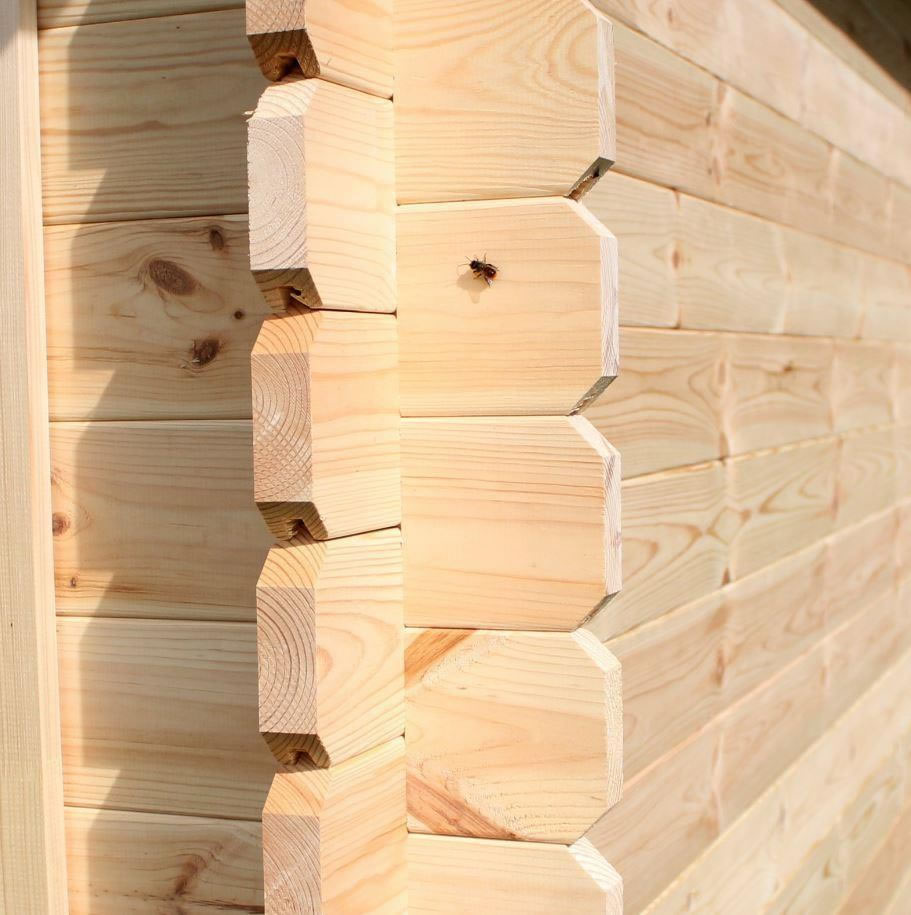
Modern log cabins are typically constructed using precision-machined interlocking wall logs.
Each wall component is manufactured with tongue-and-groove profiles that connect securely during assembly.
Unlike traditional framed buildings that rely heavily on fixed panel arrangements, interlocking systems often provide greater installation flexibility.
Many designs are effectively mirror-image capable because:
- Wall logs are symmetrical.
- Corner joints are identical.
- Structural loads transfer evenly.
- Roof systems are modular.
This often allows installers to reverse the arrangement during construction while maintaining structural integrity.
The Importance of the Floor Plan
The first step is determining whether the particular model has a reversible layout.
Not every cabin can be inverted.
Factors that influence flexibility include:
- Door positions.
- Window locations.
- Roof orientation.
- Internal partitions.
- Roof overhangs.
Symmetrical designs are generally the easiest to reverse.
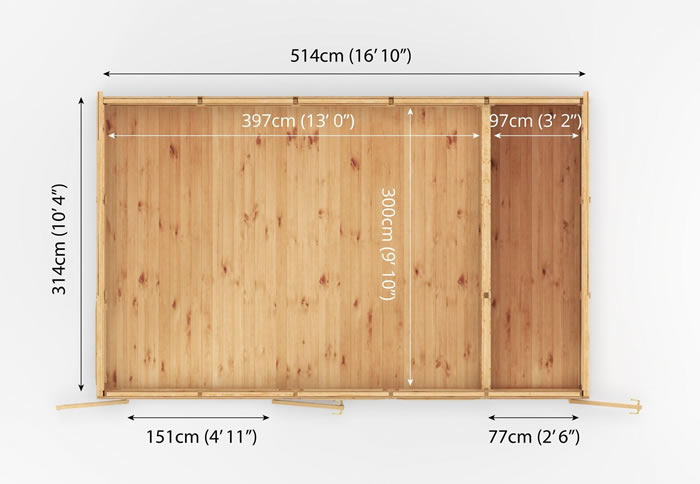
Understanding Framing Frameworks
Many modern side shed systems utilise supplementary framing structures in addition to the interlocking wall logs.
These frameworks support:
- Door openings.
- Window openings.
- Internal divisions.
- Roof connections.
- Storage compartments.
Because these components are manufactured as individual sections, they can frequently be reassembled in a mirrored configuration.
This is one of the reasons many manufacturers advertise certain buildings as reversible or left-hand/right-hand configurable.
Reversing the Roof Structure
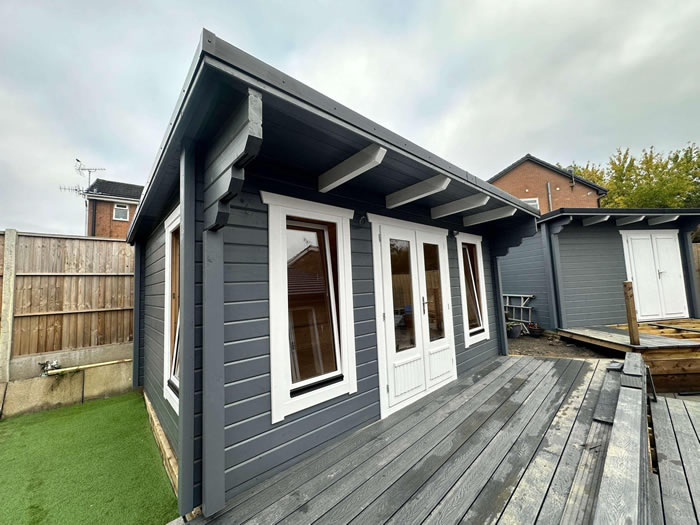
The roof design often determines whether inversion is straightforward.
Pent Roof Buildings
Pent roofs generally provide the greatest flexibility.
Because the roof slopes in one direction, installers can often rotate or mirror the layout with minimal structural implications.
However, rainwater drainage should always be considered.
The roof fall should direct water away from important access routes and neighbouring properties wherever possible.
Apex Roof Buildings
Apex roofs are usually symmetrical.
This often makes left-hand and right-hand configurations easier to achieve.
The central ridge remains unchanged regardless of the shed position.
Navigating Restrictive Boundary Lines
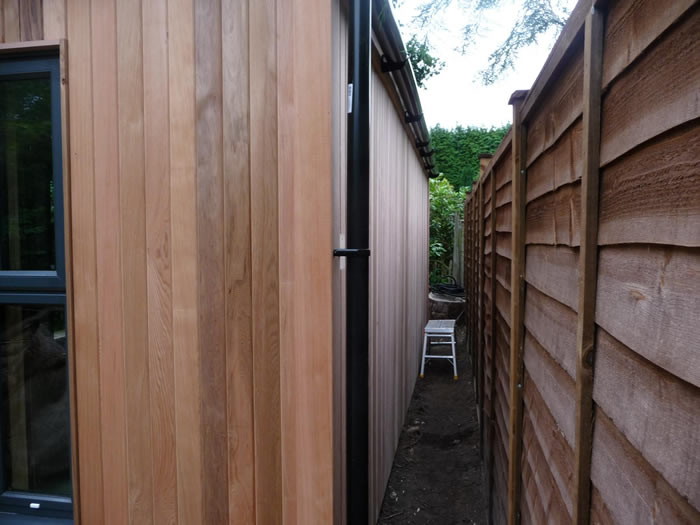
One of the most common reasons for reversing a shed extension is to accommodate boundary restrictions.
The storage area may require less natural light than the primary cabin.
Placing the shed closest to the boundary can therefore create several advantages:
- Improved cabin views.
- Better glazing orientation.
- Enhanced natural daylight.
- Greater interior comfort.
This arrangement allows the main cabin space to face the garden while the storage section occupies the least desirable position.
Maintaining Safe Access Walkways
Garden access is frequently overlooked during planning.
Many homeowners focus on the building itself without considering long-term maintenance and usability.
Before finalising the shed position, consider:
- Wheelbarrow access.
- Lawn maintenance routes.
- Fence maintenance access.
- Drainage inspections.
- Future landscaping projects.
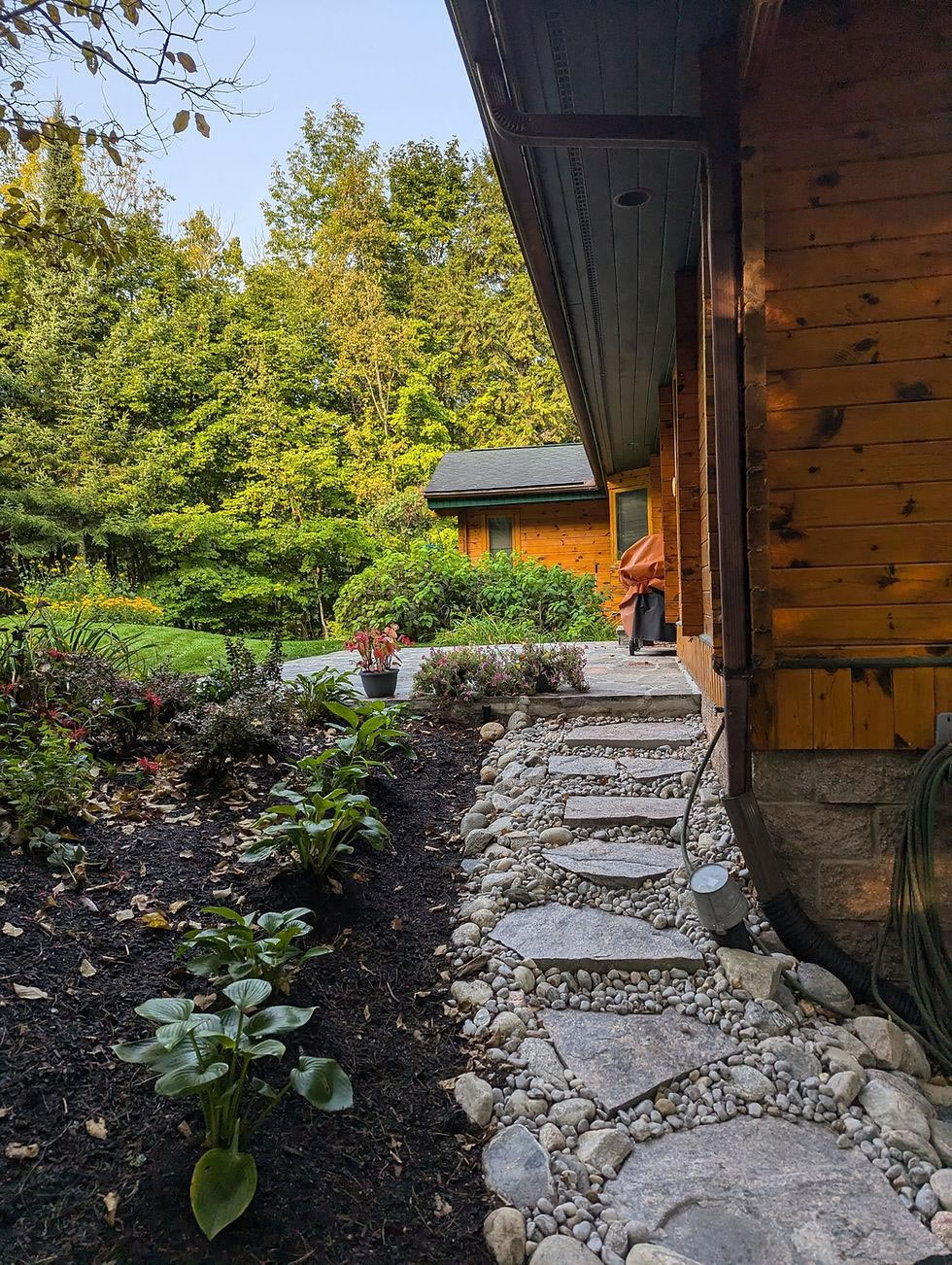
Maintaining clear circulation routes often determines which side the storage section should occupy.
Optimising Door Locations
Shed doors are used differently from cabin doors.
Storage access often benefits from direct routes to:
- Garden equipment.
- Bicycle storage.
- Tool storage.
- Outdoor furniture.
- Maintenance supplies.
Reversing the shed layout can significantly improve usability if it places the storage door closer to these activity zones.
Managing Window Orientation
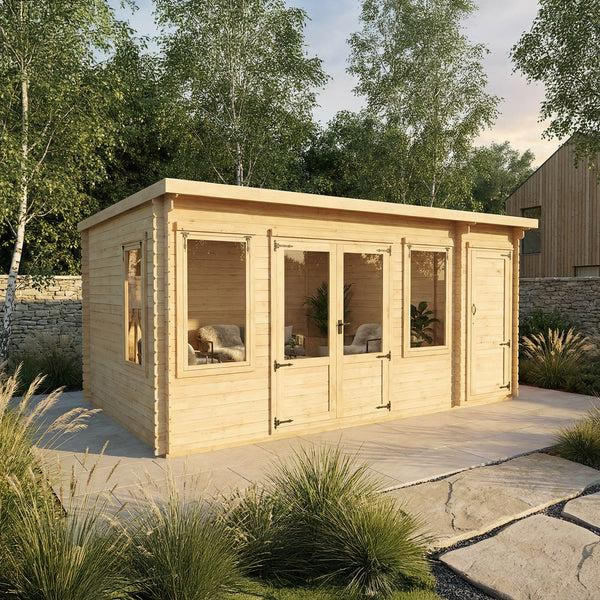
One of the greatest benefits of reversing a cabin layout is often improved window positioning.
Glazing should ideally face:
- Garden views.
- Patio areas.
- Open spaces.
- Sunlight exposure.
By relocating the shed section to the less attractive side of the site, larger windows can be positioned towards the most desirable outlook.
Foundation Planning Considerations
The foundation design must accommodate the chosen configuration from the beginning.
Whether using:
- Concrete bases.
- Ground screws.
- Pad foundations.
- Timber subframes.
The base dimensions should reflect the final mirrored layout.
Making changes after construction begins can create unnecessary complications.
Common Installation Mistakes
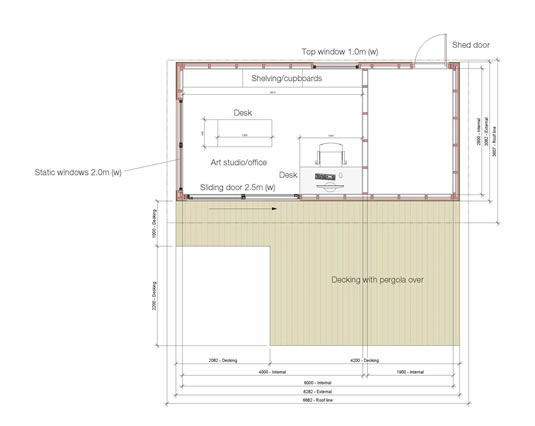
Several mistakes regularly occur when homeowners attempt to reverse layouts without sufficient planning.
- Ignoring roof drainage direction.
- Blocking maintenance access routes.
- Overlooking door swing clearances.
- Positioning windows against fences.
- Failing to verify component compatibility.
Reviewing the full construction drawings before installation helps prevent these issues.
Final Thoughts
In many modern log cabin systems, side shed extensions can indeed be built on either side of the main cabin. Thanks to modular interlocking wall logs, engineered framing systems and symmetrical roof structures, many designs can be safely mirrored during installation.
For self-builders, this flexibility offers significant advantages when dealing with challenging garden layouts, restrictive fence lines and limited access routes. By carefully considering glazing orientation, roof drainage, walkway access and boundary constraints before construction begins, it is often possible to create a more practical and attractive finished building.
The key is to confirm reversibility before installation, review the manufacturer's plans carefully and ensure that the chosen configuration supports both current and future use of the space. When planned correctly, reversing the side shed layout can dramatically improve the functionality of the entire garden building.