
Why use Scandinavian timber for garden buildings
TL;DR:
- Scandinavian timber’s high density and resin content make it naturally resistant to moisture, rot, and decay. Its slow growth cycle produces durable, dimensionally stable wood that minimizes maintenance and extends its lifespan. Proper installation and certified sourcing further enhance its long-term performance and sustainability.
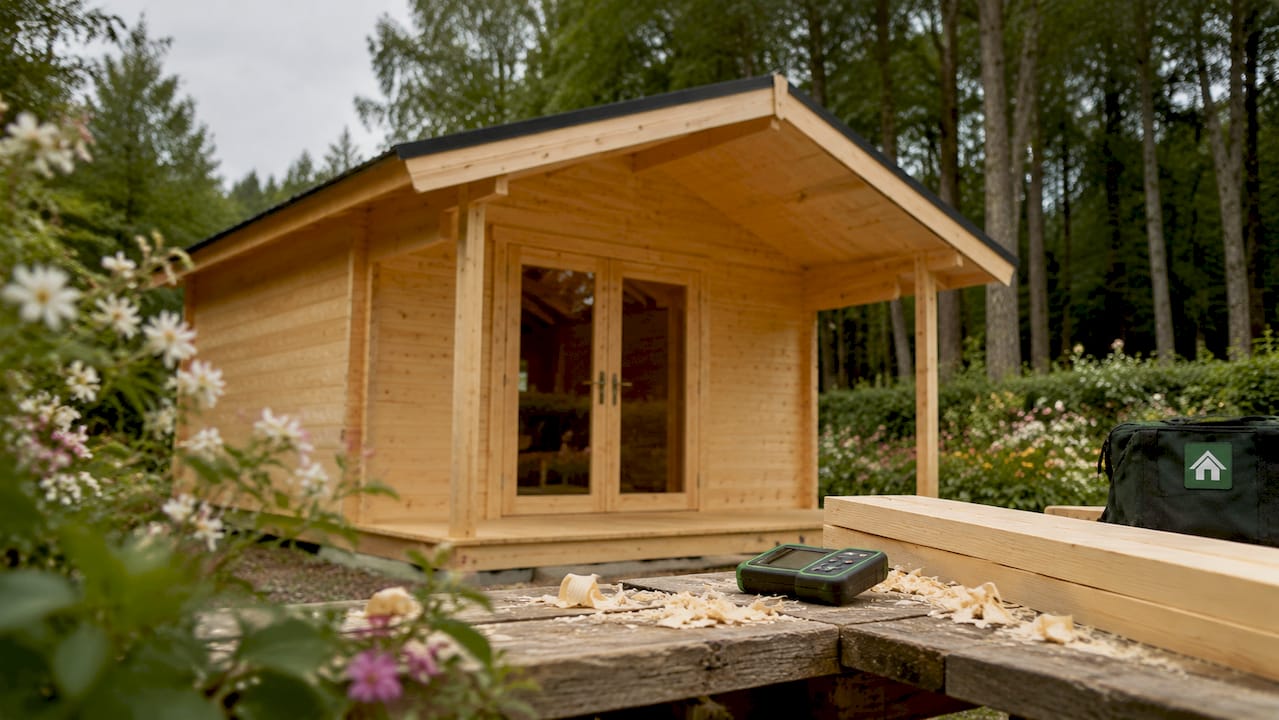
Scandinavian timber is defined by its exceptional density, natural resin content, and dimensional stability, making it the preferred choice for garden structures that need to last. The slow growth cycles of Nordic forests produce wood with a tighter grain than most softwoods available in the UK market. That tighter grain is what gives Scandinavian timber its reputation for durability, low maintenance, and resistance to the wet British climate. Whether you are planning a garden log cabin, a summerhouse, or a timber-clad garden room, understanding why use Scandinavian timber puts you in a much stronger position before you spend a penny.
Why Scandinavian timber is so durable and dimensionally stable
The durability of Nordic timber comes directly from where and how it grows. Trees in Scandinavia and Finland grow slowly through long, cold winters, completing growth cycles of 50–120 years. That slow growth produces denser cells and higher natural resin content, which means the wood resists moisture far better than faster-grown alternatives.
That resin content is not a minor detail. It acts as a built-in barrier against water ingress, reducing the risk of rot at fixings, joints, and board ends. Faster-grown softwoods, which are common in the UK market, lack this density and need chemical pressure treatment to achieve a fraction of the same protection.
Dimensional stability is the other major advantage. Kiln-dried Scandinavian spruce resists warping, twisting, and splitting far better than green or air-dried timber. For a DIY build, that matters enormously. Boards that stay straight make assembly accurate and joints tight from day one.
Northern Scandinavian spruce graded to T1 or T3 meets C18 and C24 structural standards, which are the recognised benchmarks for load-bearing timber in the UK. That grading gives you confidence the wood will perform structurally, not just aesthetically.
Key reasons Scandinavian timber outperforms standard softwoods:
- Dense, tight grain from slow growth cycles resists moisture and decay naturally
- High resin content reduces the need for chemical treatment
- Kiln drying to the correct moisture level prevents post-installation movement
- Structural grading (C18/C24) confirms load-bearing suitability
- Longer service life with less routine maintenance than pressure-treated pine
Pro Tip: Always ask your supplier for the moisture content certificate. Scandinavian spruce kiln dried to 16–18% moisture content is far less likely to warp or twist after installation than timber without documented drying records.
How does Nordic timber compare on cost and lifespan?
The upfront cost of Scandinavian timber is higher than standard pressure-treated pine. Naturally durable options like Siberian larch or thermally modified wood (sold as ThermoWood) cost £15–£30 more per square metre than pressure-treated pine. On a 20m² cladding project, that is a supply difference of £900–£1,800. That sounds significant until you factor in what you save on maintenance over a decade.
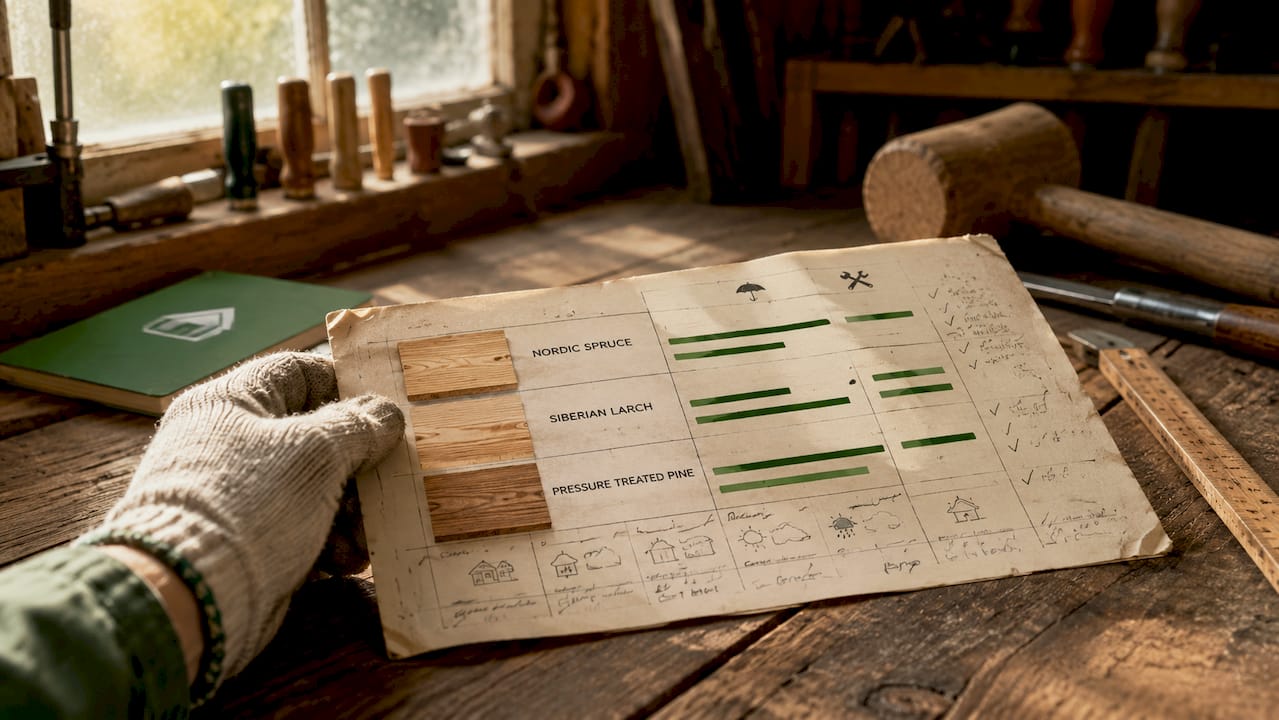
Nordic spruce is the most affordable entry point. It requires treatment every 2–3 years but costs less upfront. Siberian larch and ThermoWood sit at the premium end, but their service lives of 20–40 years with minimal maintenance make them genuinely cost-effective over time.
| Timber type | Typical lifespan | Maintenance interval | Relative cost |
|---|---|---|---|
| Nordic spruce | 15–25 years | Every 2–3 years | Lower |
| Siberian larch | 20–35 years | Every 5–7 years | Medium |
| ThermoWood | 25–40 years | Every 7–10 years | Higher |
| Pressure-treated pine | 10–15 years | Every 1–2 years | Lowest upfront |
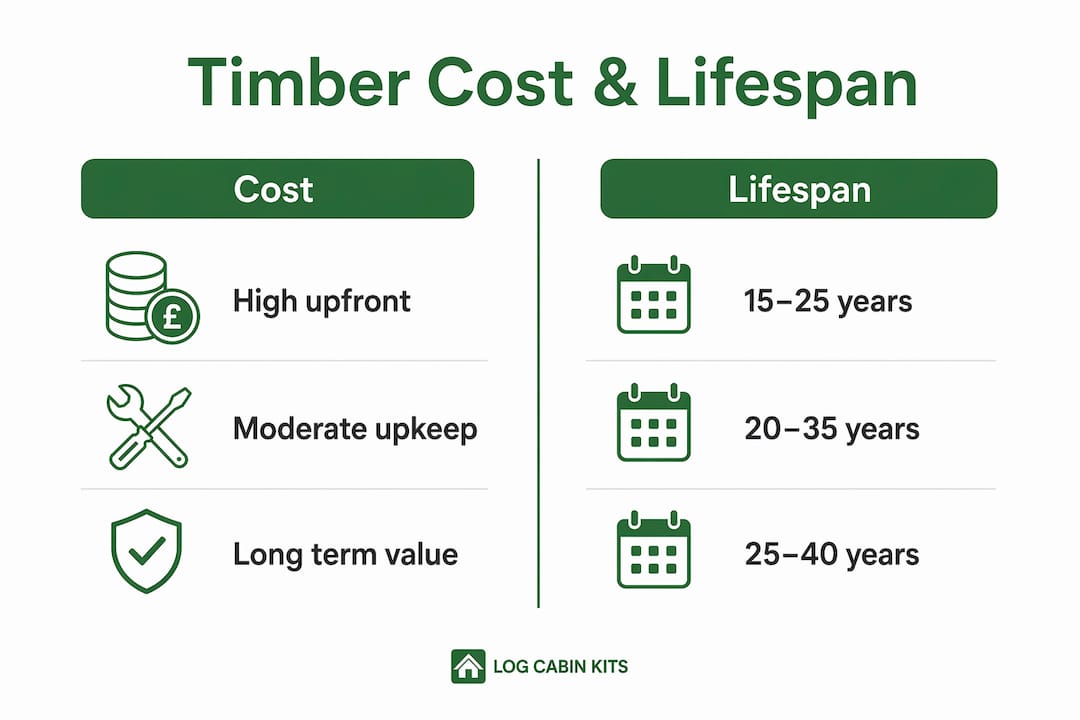
The table tells a clear story. Pressure-treated pine looks cheap at the point of purchase. Over 20 years, the cost of repeated treatments, repairs, and earlier replacement closes that gap quickly.
What the numbers do not show is the time cost. Treating a garden cabin every two years is a chore. Choosing Siberian larch or ThermoWood from the start means you spend your weekends enjoying the cabin, not maintaining it. You can read more about the benefits of spruce specifically for garden buildings if you want a deeper look at that timber type.
What sustainability benefits does Scandinavian timber offer?
Scandinavian timber sustainability is one of its strongest selling points, and it is backed by real forestry practice rather than marketing claims. Finnish sustainable forestry ensures that more wood grows annually than is harvested. That means the resource is genuinely renewable, not just labelled as such.
The two certifications to look for are FSC (Forest Stewardship Council) and PEFC (Programme for the Endorsement of Forest Certification). Both confirm that the timber comes from forests managed to strict environmental and social standards. Buying certified timber means your garden building is not contributing to deforestation.
Natural durability also reduces the environmental footprint of the timber itself. Because Scandinavian species resist decay without heavy chemical treatment, there is less reliance on preservatives that can leach into soil over time. That matters if you grow vegetables near your garden structure or simply prefer a cleaner garden environment.
Key sustainability credentials to check when buying Nordic timber:
- FSC or PEFC certification on the supplier’s documentation
- Country of origin confirmed as Scandinavia or Finland
- No unnecessary chemical treatment where natural durability is sufficient
- Responsible disposal options at end of life, since untreated timber composts or burns cleanly
For more on setting up an eco-friendly garden building, Logcabinkits has a practical guide covering sustainable choices from foundations to finishing.
Pro Tip: PEFC certification is more common on Scandinavian timber than FSC in the UK market. Both are equally credible. Do not let a supplier tell you one is superior to the other.
Best practices for using Nordic lumber in your garden project
Getting the timber right is only half the job. How you install and maintain it determines whether you get 15 years or 40 years from your investment. Follow these steps to get the most from your Nordic lumber.
-
Install a ventilated rainscreen cavity. A 25mm drained cavity behind cladding boards allows air to circulate and moisture to drain away. Without it, moisture builds up at fixings and board ends, accelerating decay even in naturally durable timber. This single step extends cladding life more than any other installation choice.
-
Seal all end grain before installation. End grain absorbs water at a much faster rate than face grain. Apply a penetrating end-grain sealer to every cut before the board goes up. This is especially important for horizontal surfaces like decking and window sills.
-
Specify kiln-dried, structurally graded timber. Ask for C18 or C24 graded material for any load-bearing element. For cladding, confirm the moisture content is within the 16–18% range. Timber outside this range is more likely to move after installation.
-
Raise the structure off the ground. Ground contact is the fastest route to decay, even for naturally durable species. Use concrete pads, adjustable feet, or a treated bearer system to keep timber at least 150mm above soil level.
-
Apply a breathable finish, not a film-forming one. Oil-based or microporous finishes allow the timber to breathe while protecting the surface. Film-forming paints trap moisture inside the wood, which causes blistering and accelerates rot from within.
-
Check fixings annually. Stainless steel or hot-dip galvanised fixings resist corrosion in the UK climate. Check them each spring and replace any that show signs of rust, since corroding fixings stain timber and create entry points for water.
-
Clear debris from joints and ledges. Leaves and organic matter sitting against timber hold moisture. A quick brush-down twice a year, particularly in autumn, prevents the damp patches that start decay.
Key takeaways
Scandinavian timber is the most cost-effective long-term choice for garden structures because its natural density, resin content, and sustainable sourcing reduce both maintenance costs and environmental impact.
| Point | Details |
|---|---|
| Slow growth equals durability | Growth cycles of 50–120 years produce dense, resin-rich timber that resists moisture naturally. |
| Kiln drying prevents movement | Timber dried to 16–18% moisture content stays straight and true after installation. |
| Long service life offsets cost | Siberian larch and ThermoWood last 20–40 years, making the higher upfront cost worthwhile. |
| Certified timber is genuinely sustainable | FSC and PEFC certification confirms responsible forest management and renewable sourcing. |
| Installation method matters as much as timber choice | A 25mm ventilated rainscreen cavity is the single most effective way to extend cladding lifespan. |
What I have learned from years of watching garden timber perform
I have seen a lot of garden buildings go up over the years, and the pattern is always the same. Homeowners who chose the cheapest softwood available are back in touch within five years asking about repairs or replacement. The ones who invested in Siberian larch or quality Nordic spruce from the start are still happy a decade later.
The thing that surprises most people is how little work the better timber actually needs. A well-installed Scandinavian timber cabin with a proper ventilated cavity and stainless fixings genuinely asks very little of you. An annual check and a coat of oil every few years is about it.
What I would caution against is assuming all “Nordic spruce” is equal. The label covers a wide range of quality, and timber quality must be verified to achieve the dimensional stability you are paying for. Always ask for grading documentation and moisture content records. A supplier who cannot provide those is not selling you the quality they are claiming.
Budget planning is the other area where people come unstuck. The premium for quality Scandinavian timber is real, but it is a one-time cost. Factor it in at the planning stage rather than trying to cut it out later. The savings you make by choosing cheaper timber rarely survive the first five winters.
— Martin
Scandinavian timber garden buildings from Logcabinkits
Logcabinkits builds its garden log cabins from quality Scandinavian timber, with FSC-certified options available across the range. Whether you want a standard design or something built to your exact dimensions, the focus is always on timber that performs in the British climate without demanding constant attention from you.
The range covers everything from compact garden summer houses to larger multi-room cabins and bespoke custom builds. If you are not sure where to start, the cabin selection wizard on the Logcabinkits website walks you through the key decisions without any pressure. Good timber deserves a good design. Logcabinkits makes it straightforward to get both.
FAQ
What makes Scandinavian timber better than pressure-treated pine?
Scandinavian timber has naturally higher resin content and denser grain from slow growth cycles, giving it inherent moisture resistance. Pressure-treated pine relies on chemical preservatives to achieve similar protection and requires retreatment every 1–2 years.
How long does Scandinavian timber last outdoors in the UK?
Siberian larch lasts 20–35 years with minimal maintenance, and ThermoWood lasts 25–40 years. Nordic spruce lasts 15–25 years with treatment every 2–3 years, making it the most affordable option for shorter-term projects.
Is Scandinavian timber sustainably sourced?
Yes, when certified by FSC or PEFC. Finnish and Scandinavian forests grow more wood annually than is harvested, making certified Nordic timber one of the most genuinely renewable building materials available.
What moisture content should kiln-dried Scandinavian timber have?
Kiln-dried Scandinavian spruce should have a moisture content of 16–18%. Timber outside this range is more likely to warp or twist after installation, so always request documentation from your supplier.
Does Scandinavian timber need chemical treatment?
Naturally durable species like Siberian larch and ThermoWood do not require chemical preservatives for most garden applications. Nordic spruce benefits from a breathable oil or microporous finish but does not need pressure treatment when properly installed with good drainage and ventilation.