
Why choose double glazed cabins for your garden
TL;DR:
- Double glazed cabins use double-pane windows filled with gas, providing better insulation and noise reduction. They can save homeowners up to £235 annually on heating bills and reduce condensation by up to 60 percent. These cabins are more comfortable, secure, and suitable for year-round use, making them a valuable extension of any home.
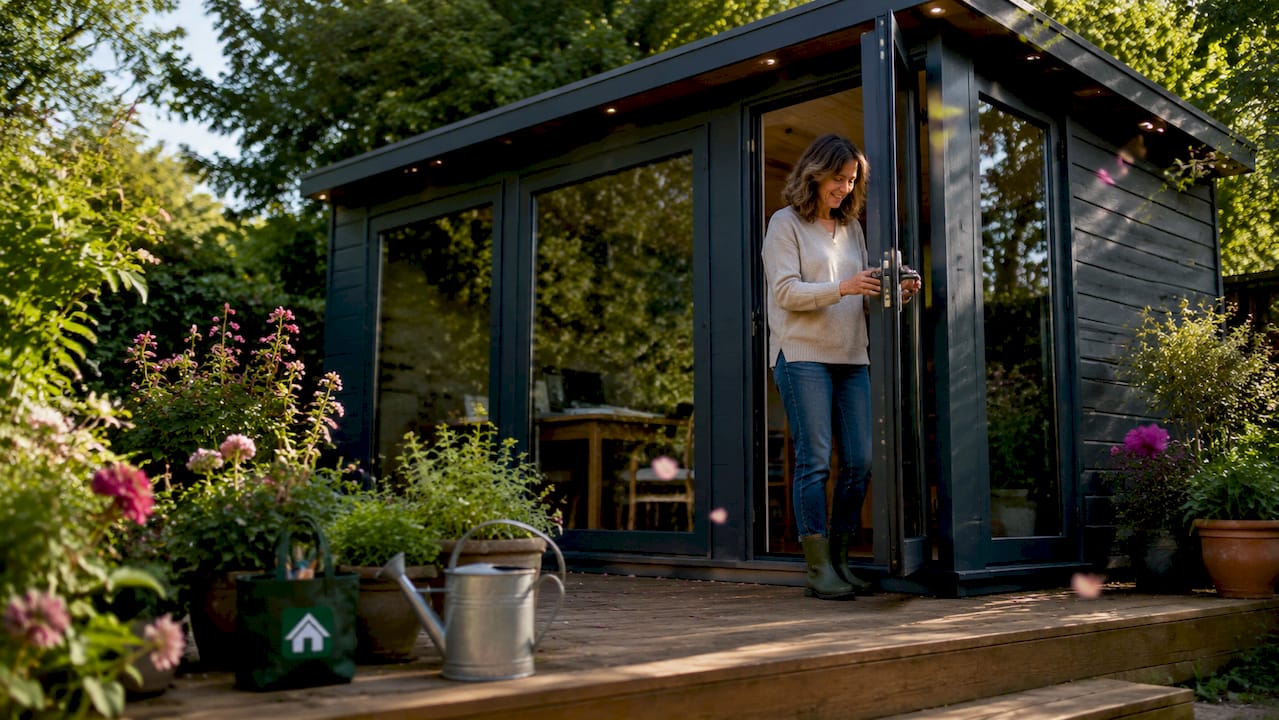
Double glazed cabins are garden buildings fitted with windows that contain two panes of glass separated by a sealed, gas-filled gap. That gap, typically filled with argon gas and coated with a low-emissivity (low-E) layer, acts as an insulating barrier that slows heat loss and blocks outside noise. The Energy Saving Trust confirms that A-rated double glazing can save a typical UK home around £195 per year on energy bills for a semi-detached property, and up to £235 for a detached home. For anyone asking why choose double glazed cabins, the short answer is this: they stay warmer in winter, quieter year-round, and far less prone to the damp and condensation that plague single-glazed garden buildings. Whether you use your cabin as a home office, a studio, or a garden lounge, double glazing turns a seasonal structure into a genuinely usable space.
Why choose double glazed cabins for energy efficiency?
Double glazing works by trapping an insulating layer of gas between two panes of glass. Argon gas and low-E coatings are standard in quality units, and together they slow the transfer of heat through the glass significantly. Low-E coatings reflect heat back into the cabin during winter, while the gas fill reduces convection currents that would otherwise carry warmth away.
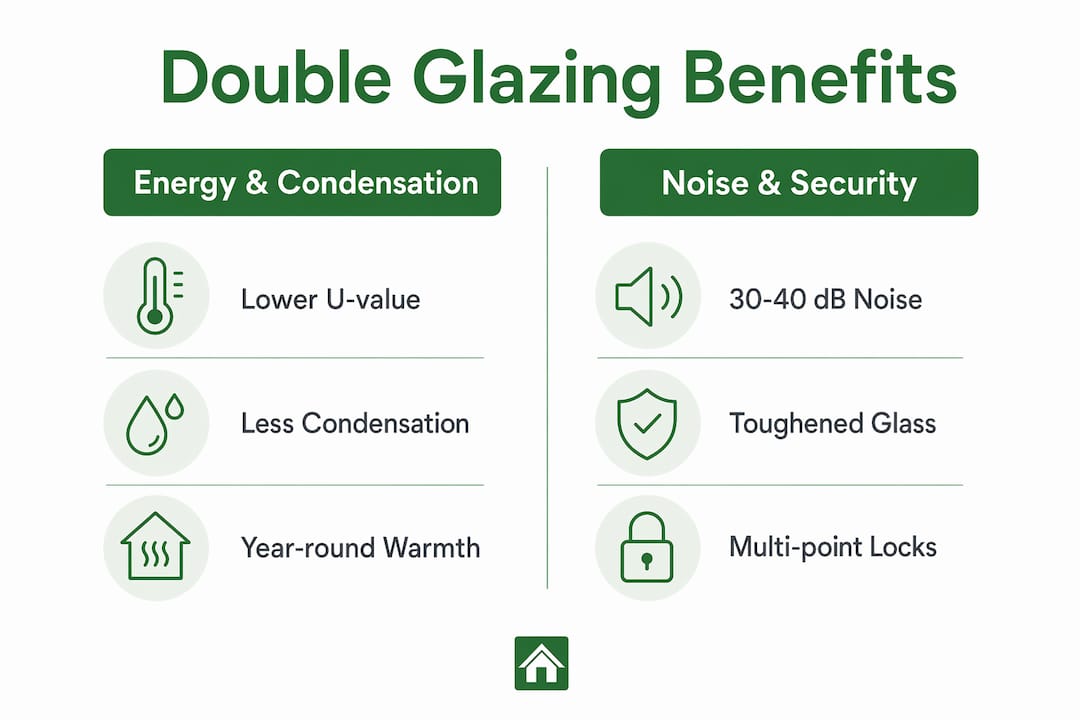
The key measurement here is the U-value. A U-value tells you how quickly heat passes through a material. The lower the number, the better the insulation. Single glazing typically carries a U-value of around 5.0 W/m²K. Quality double glazing brings that down to around 1.1–1.6 W/m²K. That difference is substantial in a British winter.
| Feature | Single glazing | Double glazing |
|---|---|---|
| Typical U-value (W/m²K) | ~5.0 | ~1.1–1.6 |
| Annual heating saving (semi-detached) | Baseline | ~£195 |
| Annual heating saving (detached) | Baseline | ~£235 |
| Energy consumption | Higher | Noticeably lower |
The savings add up quickly. A cabin used as a home office five days a week will rack up heating hours fast. Double glazing reduces the load on any electric heater or heat pump you use inside, which means lower running costs and a smaller carbon footprint.
Pro Tip: Frame choice matters as much as the glass itself. Insulated uPVC frames outperform aluminium frames on both thermal performance and noise reduction, so pair your double glazed units with the right frame material for best results.
Airtight sealing around the frame is equally important. Even the best glass unit loses its advantage if warm air escapes through gaps at the edges. Proper installation, with quality sealant and correctly fitted frames, is what locks in the efficiency gains you are paying for.
Does double glazing reduce condensation in garden cabins?
Condensation is one of the most common complaints from owners of single-glazed garden buildings. Cold glass surfaces cause warm, moist indoor air to condense on contact, leaving water droplets on the panes and eventually encouraging mould on frames and walls. Double glazing solves this by raising the inner pane temperature closer to room temperature, so the glass never gets cold enough to trigger condensation.
Research shows that double glazing reduces internal condensation by up to 60% compared to single glazing. That figure matters because mould is not just a cosmetic problem. It damages timber frames, degrades insulation, and affects air quality for anyone spending time inside.
Here is what that means practically for cabin owners:
- Less mould risk. Warmer inner panes mean moisture stays in the air rather than settling on surfaces.
- Better air quality. Reduced condensation leads to fewer airborne mould spores inside the cabin.
- Longer cabin lifespan. Timber frames and internal fittings last longer when they are not repeatedly exposed to moisture.
- Lower maintenance costs. You spend less time cleaning frames and treating mould patches.
- More comfortable mornings. No wiping down windows before you can start work or relax.
Pro Tip: When specifying your double glazed units, ask for a 12mm gap between the panes. That width hits the sweet spot for both thermal insulation and condensation control, giving you the best of both benefits.
The low-E coating plays a supporting role here too. It reflects radiant heat back into the room, which keeps the inner pane warmer and further reduces the risk of condensation forming. For a garden cabin used year-round, this combination of technology makes a real, visible difference from the very first cold morning.
How does double glazing improve noise reduction and security?
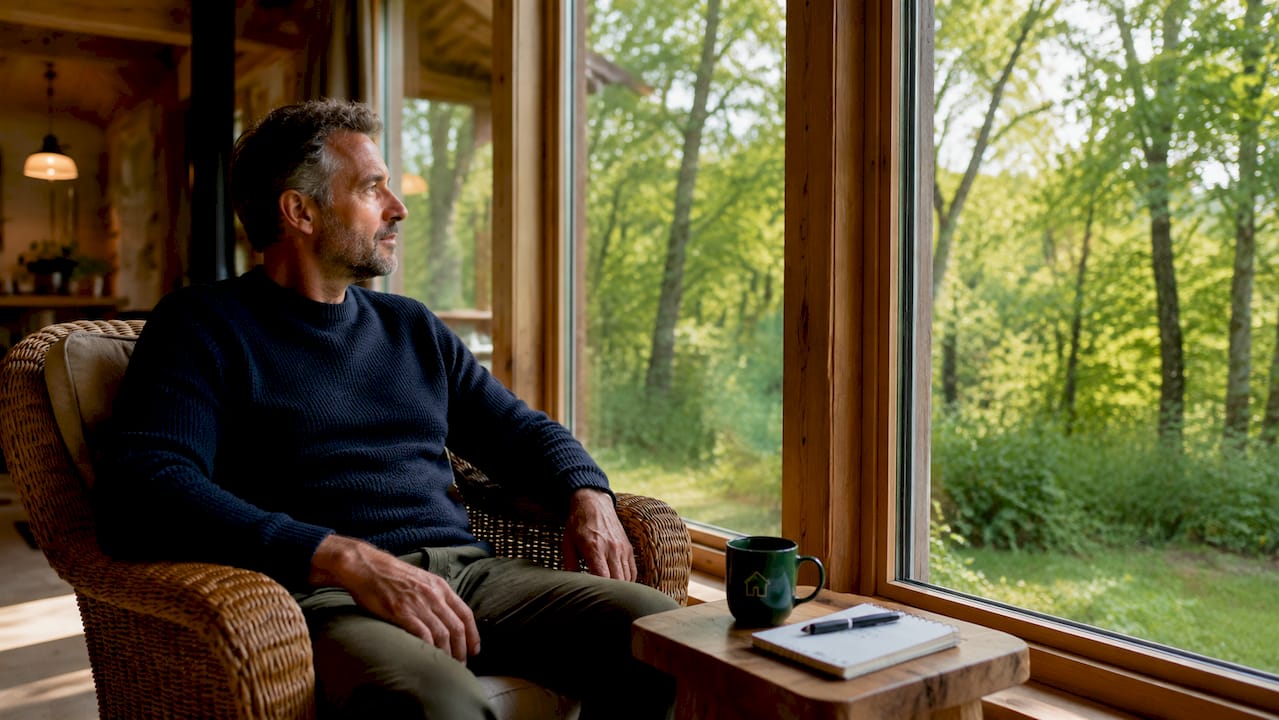
![A double glazed garden cabin surrounded by mature planting, showing clear glass panels and solid timber construction]
Noise reduction is one of the double glazed cabin advantages that often surprises people. High-spec double glazed units with a 12mm gap can reduce external noise by 30–40 decibels. To put that in context, a 10-decibel reduction roughly halves the perceived loudness of a sound. So 30–40 decibels of attenuation turns a noisy street into something close to background murmur.
For a cabin used as a home office or music studio, that level of acoustic comfort is not a luxury. It is a practical requirement. Common noise sources that double glazing handles well include traffic, rain on the roof, neighbours’ gardens, and general suburban activity.
| Factor | Single glazing | Double glazing |
|---|---|---|
| Noise reduction | Minimal | 30–40 decibels |
| Glass type | Standard | Toughened or laminated |
| Locking system | Basic | Multi-point locks |
| Building regulation compliance | Variable | Meets Part Q standards |
| Burglary deterrence | Low | Significantly higher |
Security is the other major gain. Toughened or laminated glass combined with multi-point locking systems meets Part Q building regulations, which set minimum security standards for new buildings in England. A single pane of standard glass offers very little resistance to forced entry. Double glazed units with toughened glass are far harder to break quickly, which is a meaningful deterrent.
If you store equipment, tools, or valuables in your cabin, the security upgrade alone justifies the investment. And if your cabin doubles as a workspace, knowing it is properly secured gives you genuine peace of mind.
What makes UK homeowners choose double glazed garden cabins?
The practical benefits stack up quickly, but the real reason UK homeowners choose double glazed garden cabins comes down to one thing: usability. A cabin you can only use comfortably from may through september is a seasonal luxury. A cabin you can use every day of the year is a genuine extension of your home.
Clients who upgrade to double glazed cabins consistently report that the space feels less reactive to outside temperature. It does not overheat in summer or turn icy in winter. The temperature stays stable, which is exactly what you need for a home office, an art studio, or a relaxed garden lounge. The value of double glazing lies in that comfort and the sense that the cabin is a proper room, not a temporary structure.
Here are the top reasons UK garden enthusiasts choose double glazing for their cabins:
- Year-round comfort. Stable indoor temperatures make the cabin usable in january just as easily as in july.
- Lower running costs. Reduced heat loss means less energy spent warming the space each morning.
- Reduced carbon footprint. Less heating demand directly lowers your household emissions.
- Increased property value. A well-insulated, double glazed cabin is a genuine selling point for your home. You can read more about adding value with a cabin on the Logcabinkits blog.
- Better for bespoke designs. Double glazing pairs naturally with thicker log walls and upgraded insulation, making it the obvious choice for a bespoke cabin build.
- Healthier indoor environment. Less condensation and mould means cleaner air for everyone using the space.
The environmental angle is worth dwelling on. Reduced heating demand in your cabin means fewer kilowatt-hours consumed overall. For homeowners trying to lower their carbon footprint alongside their energy bills, double glazing is one of the most straightforward upgrades available. It does not require planning permission in most cases, and the benefits start from day one.
Key takeaways
Double glazed cabins deliver year-round comfort, lower energy costs, and genuine security improvements that single-glazed garden buildings simply cannot match.
| Point | Details |
|---|---|
| Energy savings are real | A-rated double glazing saves UK homeowners up to £235 per year on heating bills. |
| Condensation drops significantly | Double glazing reduces internal condensation by up to 60%, protecting timber and air quality. |
| Noise reduction is substantial | Quality units cut external noise by 30–40 decibels, making cabins viable as offices and studios. |
| Security improves meaningfully | Toughened glass and multi-point locks meet Part Q standards and deter forced entry. |
| Year-round usability is the real prize | Stable indoor temperatures turn a seasonal cabin into a genuine living space extension. |
Why I think double glazing is the single best upgrade for a garden cabin
People often ask me whether double glazing is worth the extra cost on a garden cabin. My honest answer is that it is not really optional if you want the cabin to earn its place in your garden.
I have seen too many single-glazed cabins sit unused from october through march because they are simply too cold and too damp to be comfortable. The owners bought them with good intentions, used them through summer, and then abandoned them. That is a waste of money and a waste of a perfectly good space.
Double glazing changes that equation completely. The thermal efficiency gains are not marginal. They are the difference between a cabin you use every day and one you avoid for half the year. The British climate is not extreme, but it is consistently grey, wet, and cool for a large part of the year. A cabin that cannot handle that is not fit for purpose.
What I find most interesting is how clients describe the feeling rather than the statistics. They say the cabin feels solid. It does not rattle in the wind or sweat on cold mornings. It feels like a room, not a garden structure. That perception matters, because it is what drives daily use.
Advances in glazing technology mean the gap between single and double glazing keeps widening. Low-E coatings are better than they were five years ago. Gas fills last longer. Frame materials have improved. Investing in double glazing now is also future-proofing your cabin against rising energy costs and tightening building standards.
If you are building a cabin and considering where to spend your budget, put double glazing near the top of the list. You will notice it every single day.
— Martin
Double glazed garden cabins from Logcabinkits
Logcabinkits supplies a full range of garden log cabins built with double glazing as standard or as an upgrade option, depending on the model. Every cabin in the range can be tailored to your space, your use, and your budget.
Whether you want a compact home office, a multi-room retreat, or a fully bespoke design with upgraded glazing and insulation, Logcabinkits can help you get there without the stress. The team specialises in custom builds, so if the standard range does not quite fit your garden or your plans, a bespoke option is always available. Browse the full range and use the cabin selection tool to find the right starting point for your build.
FAQ
What is a double glazed cabin?
A double glazed cabin is a garden building fitted with windows that have two glass panes separated by a sealed, gas-filled gap. The gap acts as an insulating barrier, reducing heat loss, condensation, and noise transfer.
Is double glazing worth it for a garden cabin?
Yes. Double glazing saves UK homeowners up to £235 per year on heating bills and reduces condensation by up to 60%, making it a sound long-term investment for any cabin used regularly.
How much noise does double glazing block in a cabin?
High-spec double glazed units with a 12mm gap reduce external noise by 30–40 decibels. That level of reduction makes a cabin suitable for use as a home office, studio, or quiet retreat even in a noisy location.
Does double glazing improve cabin security?
Double glazing uses toughened or laminated glass combined with multi-point locking systems that meet Part Q building regulations. This makes forced entry significantly harder compared to standard single-glazed windows.
Can I get a bespoke cabin with double glazing from Logcabinkits?
Yes. Logcabinkits specialises in bespoke and custom cabin builds, and double glazing can be specified as part of your design. Contact the team directly to discuss glazing options, wall thickness, and insulation upgrades for your build.