
Over 60 percent of british garden buildings use a pent roof for its practical benefits and modern look. Homeowners across the UK appreciate how this simple design handles rain efficiently while fitting neatly into smaller spaces. Whether planning a home office or tool shed, understanding what makes a pent roof unique helps you choose the right style, materials, and structure for lasting performance and visual appeal.
Table of Contents
- What A Pent Roof Means
- Pent Roof Variations And Benefits
- How Pent Roofs Function Structurally
- Pent Roof Planning And Regulations UK
- Materials, Costs And Practical Implications
Key Takeaways
| Point | Details |
|---|---|
| Pent Roof Characteristics | A pent roof features a single slope, providing excellent water drainage and a modern aesthetic, making it ideal for various garden structures. |
| Design Variations | Options like asymmetrical and integrated solar panel designs allow for customisation, enhancing both function and appeal. |
| Structural Benefits | The straightforward design aids water management and reduces maintenance, ensuring longevity and resilience in different weather conditions. |
| Regulatory Considerations | Homeowners should check local planning permissions as certain limitations apply to pent roof structures under permitted development rights. |
What A Pent Roof Means
A pent roof represents a distinctive architectural roofing style characterised by a single, streamlined sloping surface. According to Merriam-Webster, a pent roof is technically defined as “a roof sloping one way only”, which is also commonly referred to as a shed roof.
The simplicity of a pent roof makes it a popular choice for garden buildings, outdoor structures, and compact architectural designs. As Wikipedia explains, this roof type is alternatively known as a “lean-to roof” or “mono-pitched roof”, emphasising its singular directional slope. This unique design allows for efficient water drainage and a clean, minimalist aesthetic that suits various garden building styles.
Key characteristics of a pent roof include:
- A single, unidirectional slope from high point to low point
- Typically lower maintenance compared to more complex roof designs
- Excellent water runoff capabilities
- Versatile application across different garden structure types
- Modern and streamlined visual appearance
Pent roofs are particularly well-suited for smaller garden structures like bike sheds, tool stores, and compact garden offices. Their straightforward construction means they can be easily integrated into diverse garden landscapes, offering both functional protection and an understated architectural elegance.
Pent Roof Variations And Benefits
Pent roofs offer gardeners and homeowners a versatile roofing solution with multiple design and functional variations. Homebuilding highlights that these roofs, also known as skillion or mono-pitched roofs, are particularly noteworthy for their simplicity and cost-effectiveness in construction.
The variations in pent roof designs can significantly impact both aesthetic appeal and practical functionality. Homeowners can choose from different pitch angles, materials, and configurations to suit their specific garden building requirements. Some popular pent roof variations include:
- Asymmetrical pent roofs: Where one side is significantly longer or higher than the other
- Angled pent roofs: Designed with a specific degree of slope for enhanced water drainage
- Extended overhang pent roofs: Providing additional shelter and protection
- Integrated solar panel pent roofs: Optimised for maximum sunlight exposure
Benefits of pent roofs extend beyond their simple construction. According to Homebuilding, these roofs are especially advantageous for solar panel installation when oriented southward, making them an energy-efficient choice for environmentally conscious garden building owners. The single-slope design ensures excellent water runoff, reduces maintenance requirements, and provides a modern, clean architectural appearance that complements various garden landscaping styles.
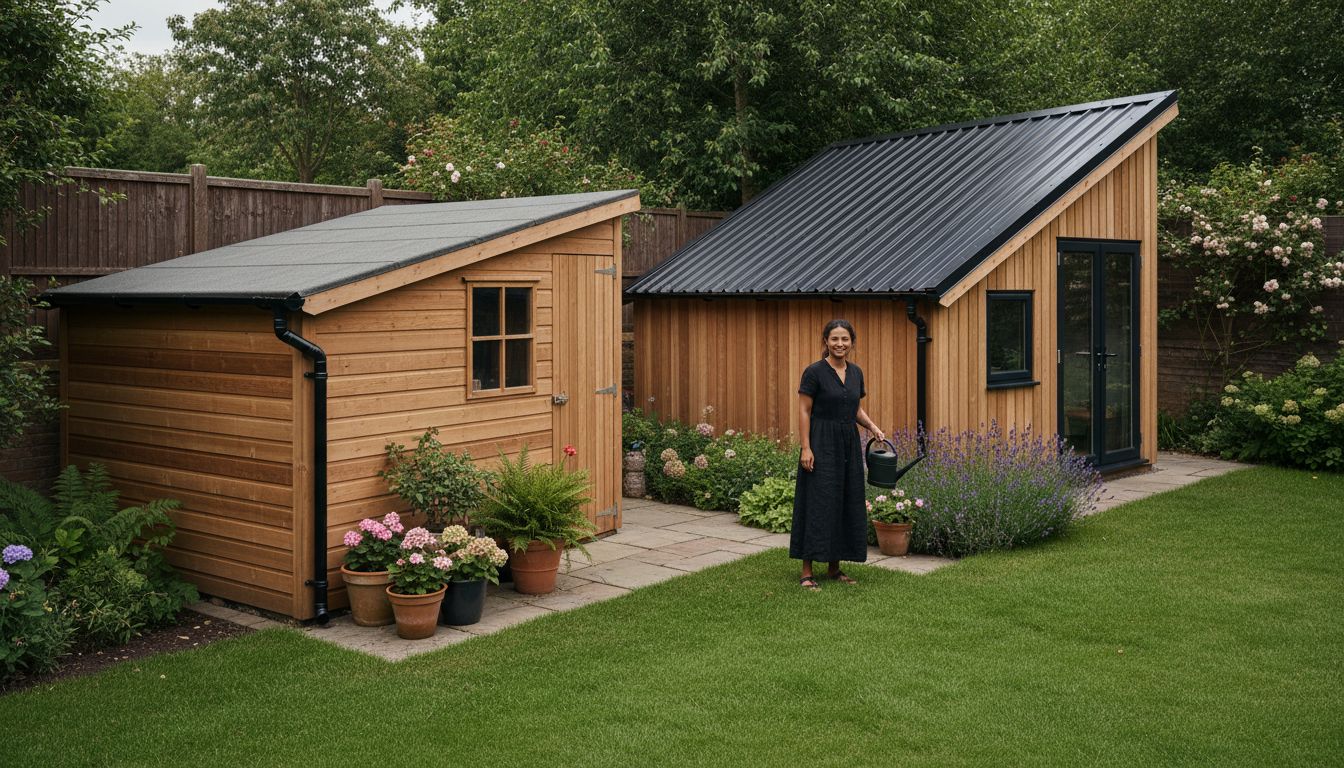
When selecting a pent roof for your garden building, consider factors such as local climate, desired aesthetic, budget, and intended use. Whether you’re looking to create a compact garden office, a stylish bike shed, or a functional storage solution, the versatility of pent roofs makes them an excellent choice for UK garden structures.
How Pent Roofs Function Structurally
The structural integrity of a pent roof relies on its distinctive single-pitched design, which provides unique engineering advantages for garden buildings and outdoor structures. Wikipedia describes this roof type as a “single-pitched roof surface”, often used as a smaller addition or standalone structure, which fundamentally defines its structural approach.
Pent roofs are engineered with a critical focus on weight distribution and water management. The singular slope creates a natural gravitational channel for rainwater, allowing efficient drainage from the higher side to the lower edge. This design minimises water pooling and reduces potential structural stress, making pent roofs particularly resilient in varying weather conditions.
Key structural components of a pent roof include:
- Roof trusses: Angled support framework providing primary structural strength
- Rafters: Diagonal beams that create the roof’s pitch and support the roofing material
- Roof decking: Solid base layer providing additional structural rigidity
- Fascia and soffit: Edge components that protect roof edges and provide ventilation
According to Roofers Nottingham Group, pent roofs are “particularly effective” for UK outbuildings due to their straightforward construction and inherent structural advantages. The single-pitch design allows for greater flexibility in building height, enabling homeowners to maximise usable space while maintaining a compact, efficient roof structure that can withstand local climate challenges.
Pent Roof Planning And Regulations UK
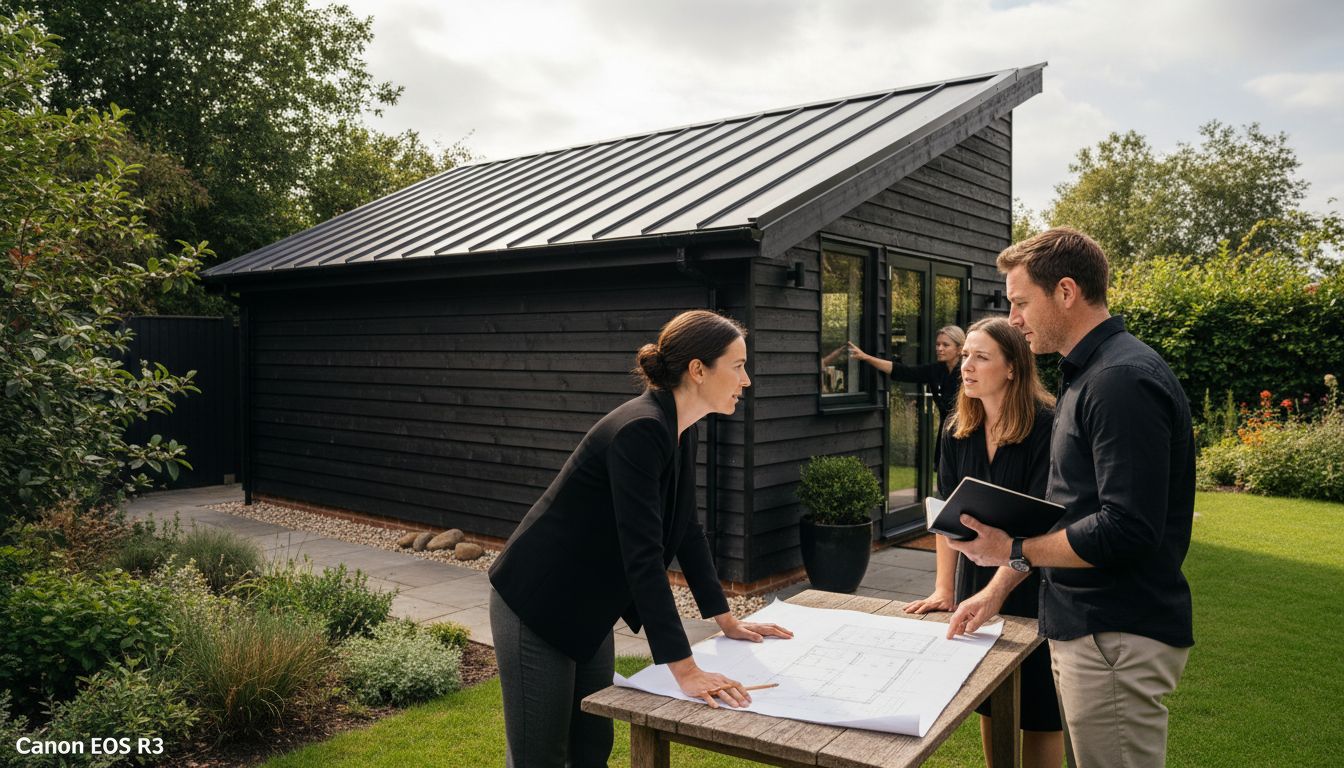
Navigating the regulatory landscape for garden buildings with pent roofs requires careful consideration of local planning permissions and building regulations. Understanding these requirements is crucial to ensure your garden structure remains compliant and avoids potential legal complications.
In the UK, the need for planning permission depends on several key factors related to your pent roof structure. Generally, garden buildings fall under permitted development rights, which allow certain constructions without formal planning approval. However, specific limitations exist that homeowners must carefully evaluate:
- Structures must be single-storey with a maximum eaves height of 2.5 metres
- Total building footprint cannot exceed 50% of the garden area
- Located at least 2 metres from any property boundary
- Maximum overall height of 4 metres for pitched roofs
- Cannot be used as self-contained living accommodation
Before proceeding with your pent roof garden building, it’s essential to verify local requirements. Building Regulations Compliance can vary significantly depending on the structure’s intended use, size, and specific location. Some critical considerations include potential requirements for foundations, electrical installations, and structural integrity.
While many garden buildings with pent roofs can be constructed under permitted development, consulting your local planning authority is always recommended. They can provide definitive guidance specific to your property, ensuring you avoid potential enforcement actions and maintain full compliance with UK building regulations.
Materials, Costs And Practical Implications
Choosing the right materials for a pent roof involves balancing cost, durability, and aesthetic considerations for garden buildings. Lidget highlights that pent roofs are inherently cost-effective, primarily due to their simple design requiring fewer materials and reduced labour expenses.
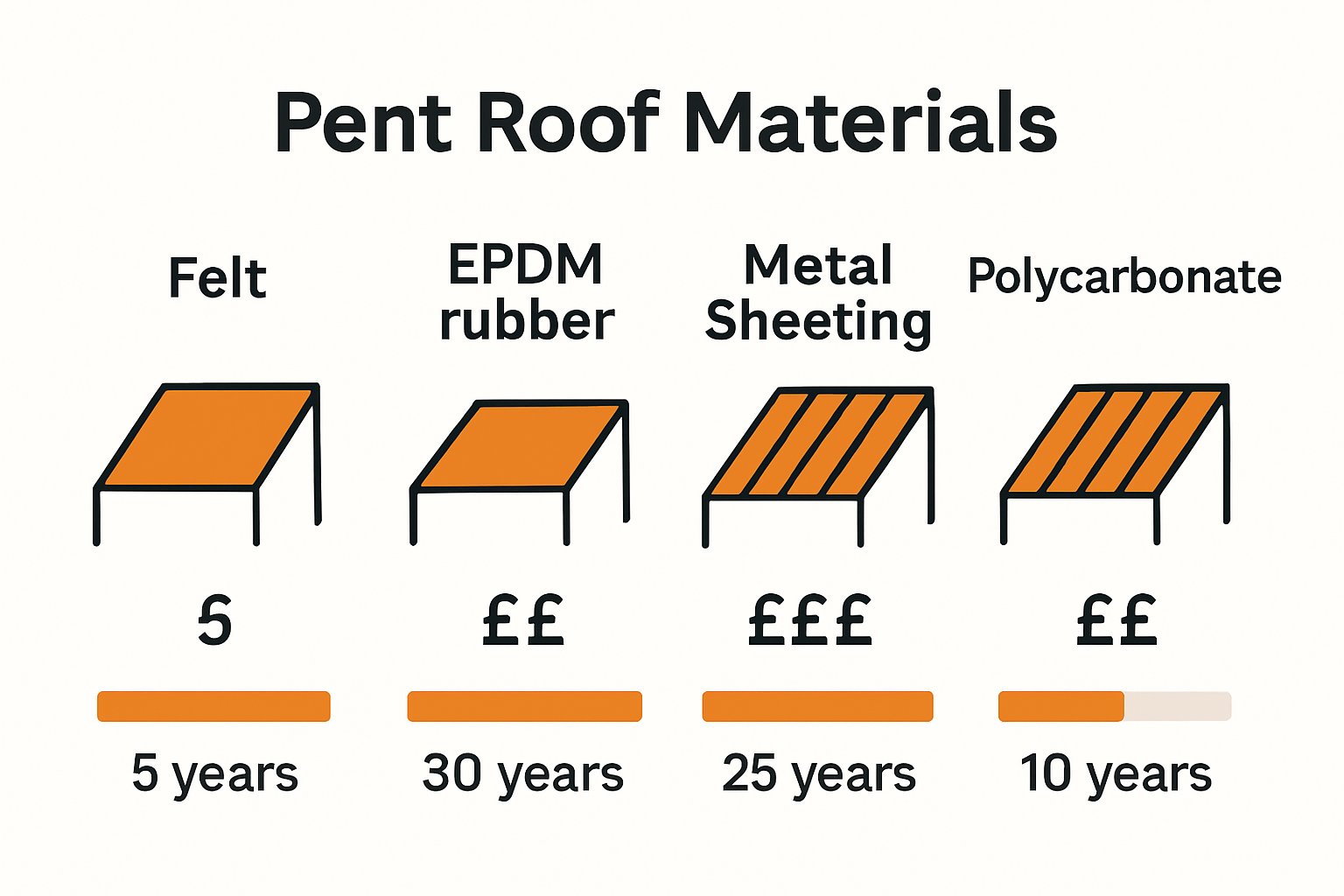
Typical materials for pent roof construction include:
- Felt roofing: Most economical option, typically £20-£50 per square metre
- EPDM rubber membrane: Highly durable, lasting up to 50 years, priced around £50-£80 per square metre
- Metal sheeting: Lightweight and robust, costing approximately £30-£60 per square metre
- Polycarbonate panels: Excellent light transmission, ranging £40-£70 per square metre
According to Homebuilding, pent roofs are particularly economical because they are constructed from “one single piece of roofing, fixed at an angle of at least 15 degrees”. This straightforward construction method significantly reduces both material and installation costs compared to more complex roof designs.
Practical implications extend beyond initial expenses. The single-slope design offers excellent water drainage, minimal maintenance requirements, and flexibility in positioning. Homeowners can expect lower long-term maintenance costs, with most pent roof structures requiring only periodic inspection and occasional resealing to maintain their structural integrity and weather resistance.
Discover the Perfect Pent Roof Garden Building for Your Outdoor Space
Choosing the right pent roof for your garden building can be a challenge when balancing cost, durability and style. The article highlights common concerns such as ensuring effective water drainage, meeting UK planning regulations and selecting materials that offer longevity with minimal maintenance. If you want a structure that combines a sleek, modern appearance with practical benefits like simple construction and excellent weather resistance, you do not have to look further.
At Log Cabin Kits, we specialise in bespoke garden buildings tailored to your needs, including options featuring pent roofs that perfectly fit UK gardens. Our carefully crafted designs take into account structural strength, aesthetics and compliance with regulations, making it easier for you to create your ideal garden office, bike shed or store. Start your garden building journey today by exploring our range and discover how a quality pent roof can transform your outdoor space into a stylish haven. Visit Log Cabin Kits now to learn more and bring your vision to life.
Frequently Asked Questions
What is a pent roof?
A pent roof is a roofing style characterised by a single, sloping surface that slopes in one direction only, also known as a shed roof or lean-to roof.
What are the benefits of a pent roof for garden buildings?
Pent roofs are cost-effective, provide excellent water runoff, require lower maintenance, and have a modern aesthetic that suits various garden structures.
How do pent roofs function structurally?
Pent roofs rely on their single-pitched design for effective weight distribution and efficient water drainage, reducing the risk of water pooling and structural stress.
What materials are commonly used for pent roofs and what are their costs?
Common materials for pent roofs include felt roofing (£20-£50 per square metre), EPDM rubber (£50-£80 per square metre), metal sheeting (£30-£60 per square metre), and polycarbonate panels (£40-£70 per square metre).