
Multi-Room Log Cabin Planning Permission Guide: UK Rules for Larger Garden Buildings
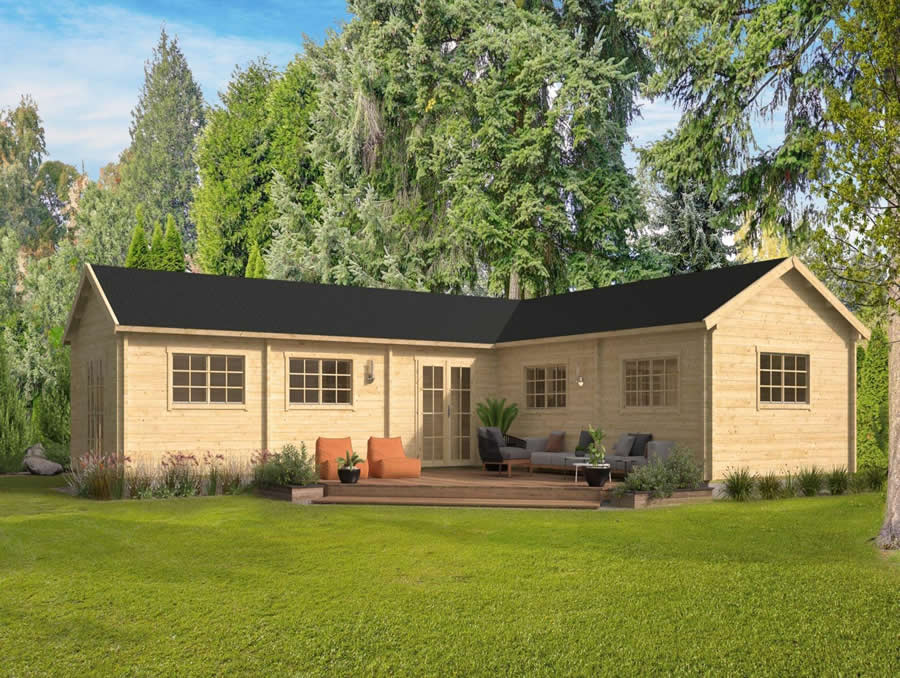
Two-room log cabin kits have become one of the most popular garden building choices for homeowners looking to maximise the usefulness of their outdoor space. By dividing the internal footprint into separate rooms, these larger structures can accommodate home offices, gyms, workshops, hobby rooms, storage areas and relaxation spaces within a single building.
However, because multi-room cabins naturally occupy a larger footprint than a traditional summerhouse or garden shed, buyers often become concerned about planning permission, building regulations and whether their chosen building will comply with Permitted Development rights.
The good news is that many multi-room log cabins can still be installed without formal planning permission. However, understanding the rules before purchasing is essential.
This guide explains the key regulations that affect larger garden buildings and outlines the circumstances where planning permission or Building Regulations approval may become necessary.
Do Multi-Room Log Cabins Usually Need Planning Permission?
In many cases, no.
Most multi-room garden buildings fall within Permitted Development rights, allowing homeowners to install them without submitting a formal planning application.
However, the structure must satisfy several important conditions relating to height, location and overall garden coverage.
The fact that a cabin contains multiple rooms does not automatically trigger planning permission requirements. Instead, the regulations focus primarily on the physical dimensions and positioning of the building.
The Critical 2.5 Metre Height Rule
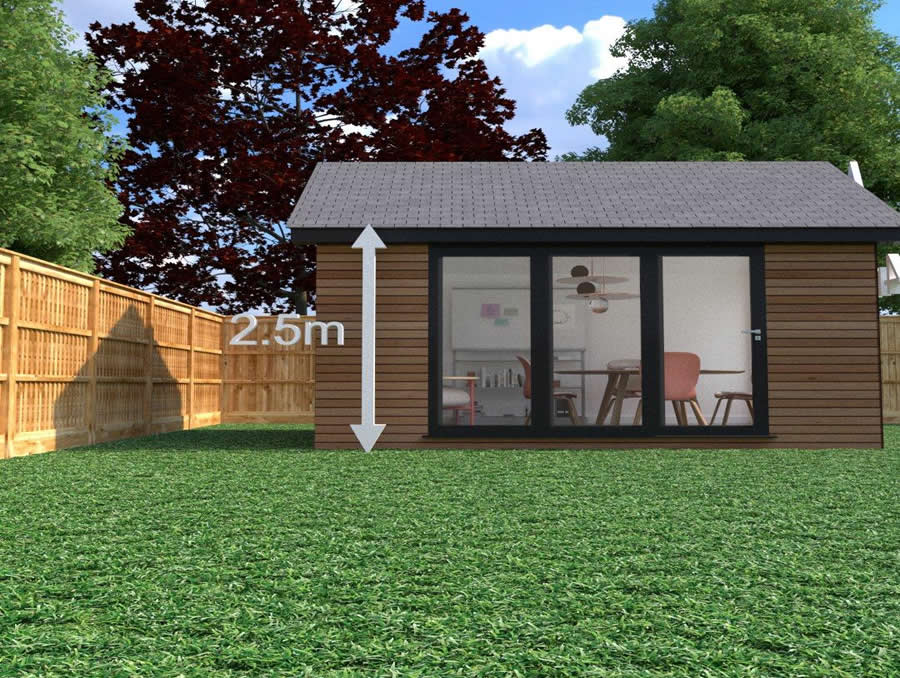
The most important planning consideration for many buyers is the well-known 2.5 metre height restriction.
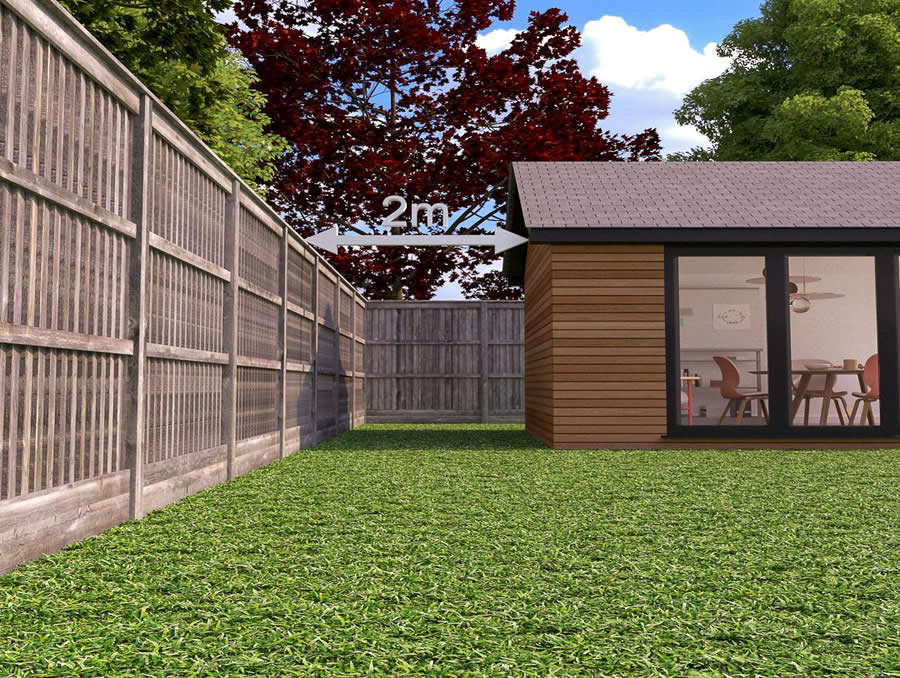
If any part of the building is positioned within 2 metres of a property boundary, the overall height must not exceed 2.5 metres.
This rule applies regardless of whether the roof design is:
- Pent roof.
- Flat roof.
- Apex roof.
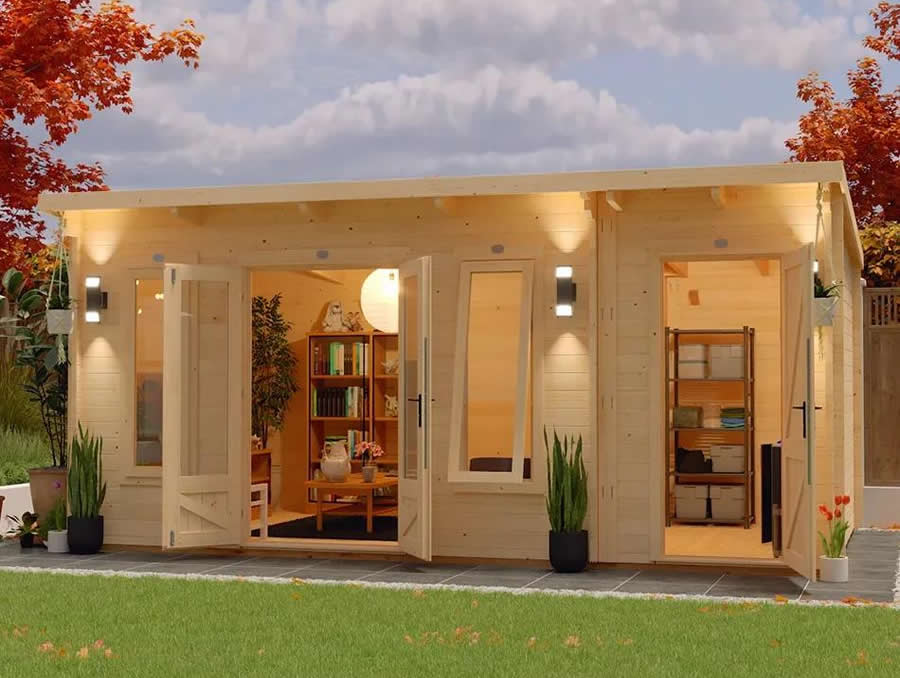
- Contemporary mono-pitch roof.
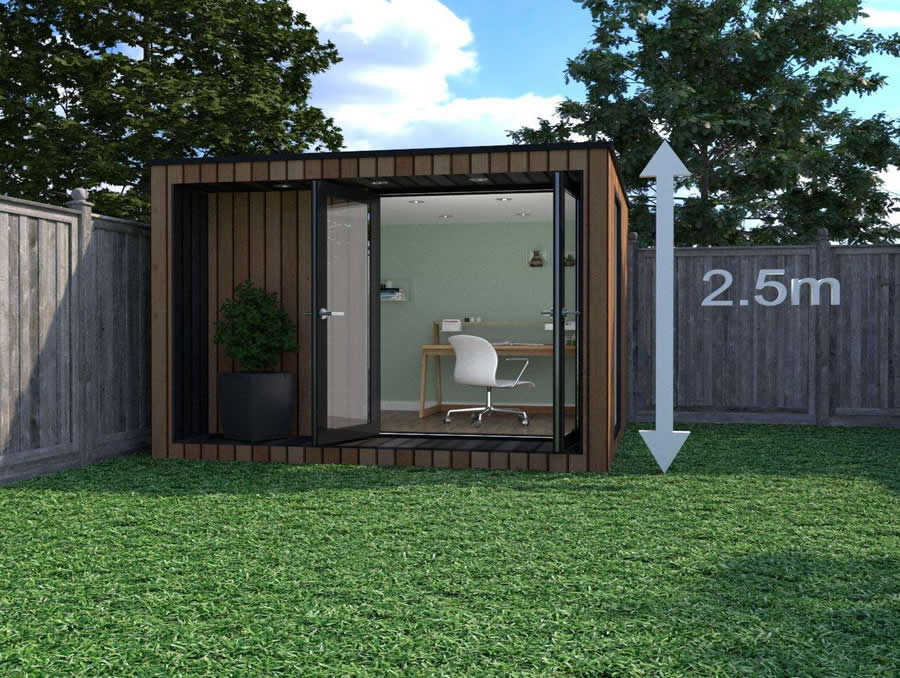
For larger multi-room cabins, this often influences the choice of roof design.
Many homeowners select pent roof models because they provide usable internal space while remaining comfortably below the height threshold.
Why the 2.5 Metre Rule Matters More for Multi-Room Cabins
Single-room buildings are often compact enough to be positioned anywhere within the garden.
Multi-room cabins, however, generally require a larger footprint.
This means they are more likely to be located closer to fences or boundaries simply because of available garden space.
As a result, the 2.5 metre rule becomes one of the most important design considerations during the planning stage.
The 50% Garden Coverage Rule
Another crucial Permitted Development restriction concerns the total area occupied by outbuildings.
Under current rules, garden buildings must not cover more than 50% of the land surrounding the original house.
This calculation includes:
- Log cabins.
- Garden offices.
- Sheds.
- Garages.
- Greenhouses.
- Other outbuildings.
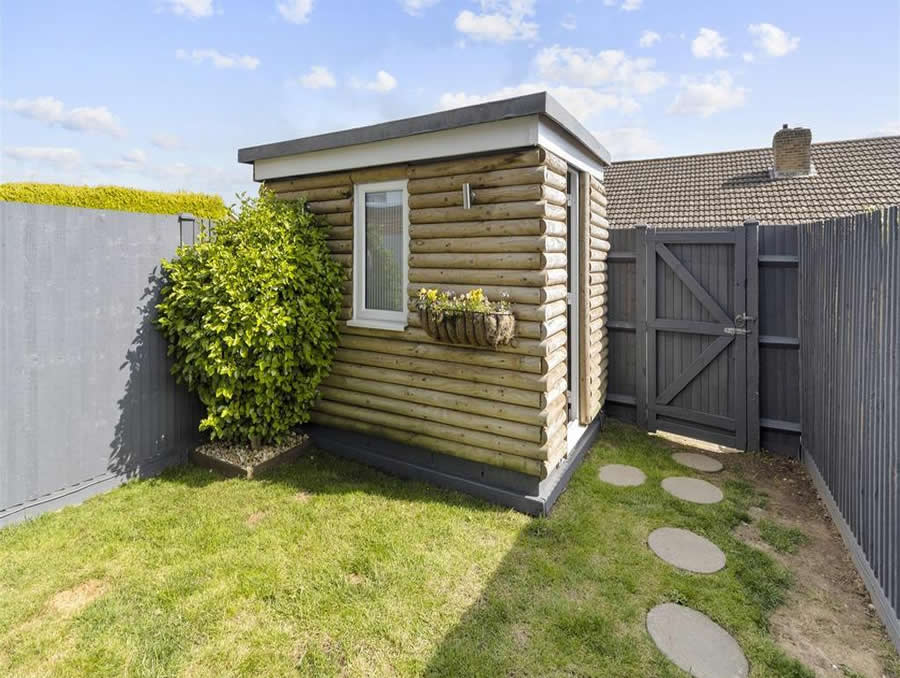
Many homeowners mistakenly assume this rule applies only to the new building being installed.
In reality, all existing outbuildings contribute towards the total coverage calculation.
Measuring Garden Coverage Correctly
When assessing whether a multi-room cabin remains within Permitted Development limits, homeowners should calculate:
- The total garden area.
- The footprint of all existing outbuildings.
- The footprint of the proposed cabin.
Only after combining all structures can an accurate determination be made.
For most average-sized UK gardens, this restriction is rarely problematic, but it becomes increasingly important as cabin sizes increase.
Distance from the Main House
Most garden buildings can be positioned relatively close to the house.
However, practical considerations often influence the final location.
These include:
- Access routes.
- Drainage systems.
- Existing landscaping.
- Privacy requirements.
- Window positioning.
What Happens if the Building Exceeds 2.5 Metres?
If the cabin remains more than 2 metres away from all boundaries, greater height allowances become available.
In these circumstances, Permitted Development generally allows:
- Up to 4 metres overall height for dual-pitched roofs.
- Up to 3 metres overall height for other roof types.
This flexibility often allows larger apex-style multi-room cabins to remain within permitted limits.
When Building Regulations May Apply
Planning permission and Building Regulations are entirely separate legal frameworks.
A building may not require planning permission but could still be subject to Building Regulations requirements.
This distinction is frequently misunderstood.
The 15 Square Metre Threshold
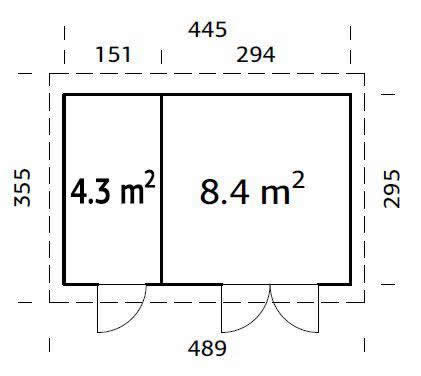
Buildings with an internal floor area below 15 square metres are often exempt from Building Regulations.
Provided the structure is detached and contains no sleeping accommodation, approval is generally not required.
The 15–30 Square Metre Category
Many multi-room cabins fall into this category.
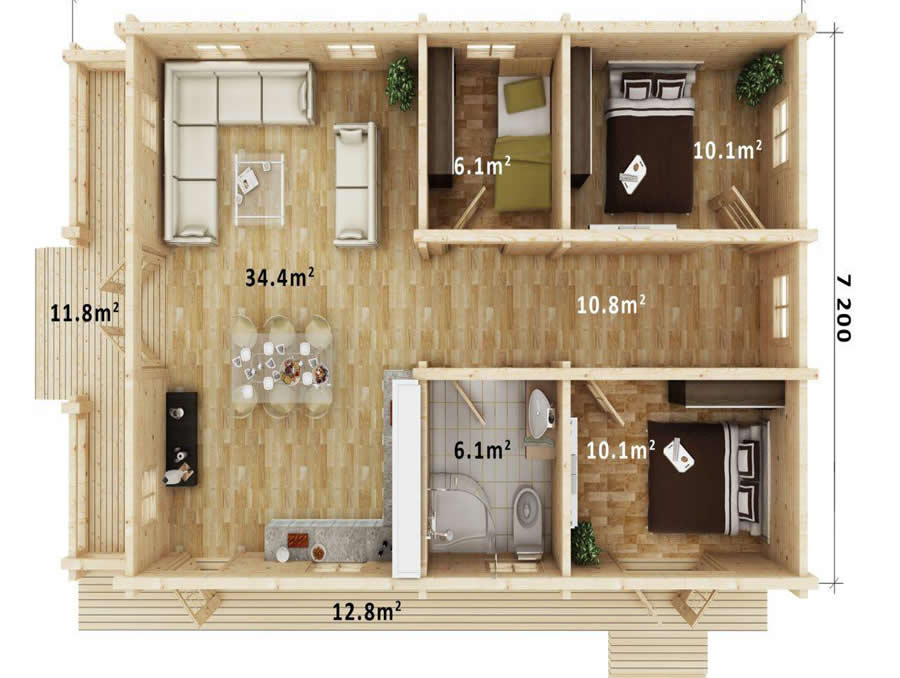
Detached buildings between 15 and 30 square metres can often remain exempt provided they are:
- Constructed substantially from non-combustible materials; or
- Positioned at least 1 metre from the boundary.
Because timber buildings are combustible by definition, boundary positioning becomes particularly important.
Buildings Exceeding 30 Square Metres
Larger multi-room cabins exceeding 30 square metres may trigger Building Regulations requirements.
Factors considered include:
- Structural stability.
- Fire safety.
- Ventilation.
- Thermal performance.
- Electrical installations.
Sleeping Accommodation Changes Everything
Many homeowners eventually consider using a multi-room cabin as guest accommodation.
This can significantly alter the regulatory position.
Buildings containing sleeping accommodation are often subject to additional controls, even when they otherwise satisfy Permitted Development criteria.
Electrical Installations and Compliance
Many larger cabins include lighting, heating, internet connectivity and power outlets.
Electrical work should always be undertaken in accordance with current UK regulations.
Professional installation helps ensure safety and compliance.
Common Planning Mistakes
- Ignoring the 2 metre boundary measurement.
- Misunderstanding ridge height calculations.
- Overlooking existing outbuildings when calculating garden coverage.
- Assuming planning permission and Building Regulations are the same.
- Failing to consider future building uses.
Conclusion
Most multi-room log cabins can be installed under Permitted Development rights, but larger footprints demand careful planning. The 2.5 metre height restriction remains the single most important rule when building within 2 metres of a boundary, while the 50% garden coverage rule ensures outbuildings do not dominate the plot.
Buyers should also understand that Building Regulations considerations may arise as floor area increases beyond 15 square metres and particularly beyond 30 square metres. By understanding these rules before purchasing, homeowners can select a multi-room cabin that delivers maximum functionality while remaining fully compliant with UK regulations.
```