
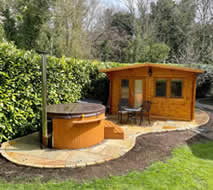
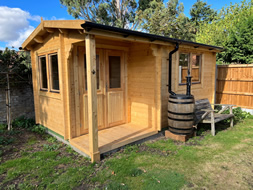
Creating extra room at home often feels like a choice between messy renovations and sacrificing your garden’s charm. For homeowners in rural England, bespoke multi-room garden cabins offer a refined solution that blends style with practicality. These structures provide comfortable, purpose-built zones for work or leisure while maintaining your outdoor sanctuary. This guide explains what defines a multi-room cabin, why smart design and quality matter, and how they deliver truly flexible living without compromising your property’s character.
Table of Contents
- Defining Multi-Room Garden Cabins In England
- Variations In Cabin Design And Layouts
- Essential Features For Year-Round Comfort
- Planning Permission And Building Regulations
- Costs, Value, And Common Pitfalls To Avoid
Key Takeaways
| Point | Details |
|---|---|
| Multi-Room Flexibility | Multi-room garden cabins provide versatile spaces for work, leisure, and storage, offering homeowners effective alternatives to traditional extensions. |
| Design Variety | Homeowners can choose from various layouts and designs, such as open-plan or compartmentalised, tailored to their specific needs and property characteristics. |
| Year-Round Comfort | Proper insulation, heating, and ventilation are essential for maintaining consistent comfort in garden cabins, ensuring they are usable throughout the year. |
| Regulatory Awareness | Understanding planning permissions and building regulations is crucial before construction to avoid legal pitfalls and ensure compliance with safety standards. |
Defining Multi-Room Garden Cabins In England
Multi-room garden cabins represent a sophisticated approach to expanding living and working spaces within the confines of a residential property in England. These versatile structures go beyond traditional garden buildings, offering homeowners flexible, purpose-built environments that seamlessly blend functionality with aesthetic appeal. Multi-room cabin features have revolutionised how British homeowners perceive additional space solutions.
At their core, multi-room garden cabins are purpose-designed wooden structures featuring multiple distinct areas tailored to specific needs. Unlike standard single-room garden buildings, these cabins can incorporate several functional zones such as:
- Home office spaces with dedicated work areas
- Leisure rooms for relaxation and entertainment
- Storage sections with organised compartments
- Changing areas or small washroom facilities
- Workshop or craft zones
The design philosophy behind multi-room garden cabins centres on maximising utility while maintaining a compact architectural footprint. These structures provide a professional solution for homeowners seeking to expand their living or working environments without undertaking extensive property renovations. Garden cabins multi-room benefits highlight how these structures offer remarkable versatility compared to traditional extensions.
Typically constructed using high-quality timber and featuring modular design principles, multi-room garden cabins can be customised to suit individual preferences. Bespoke configurations allow property owners to create unique spaces that reflect their specific requirements, whether for professional work, creative pursuits, or personal relaxation.
Pro tip: When planning a multi-room garden cabin, consider future adaptability and ensure the initial design allows for potential modifications or expansions.
Variations In Cabin Design And Layouts
Multi-room garden cabins in England showcase remarkable diversity in design and layout, offering homeowners unprecedented flexibility for creating personalised spaces. Layout considerations for multi-room cabins reveal the intricate planning required to transform these wooden structures into functional living environments.
The primary variations in cabin design typically encompass several key architectural approaches:
- Open-plan configurations with fluid spatial transitions
- Compartmentalised layouts with distinct room boundaries
- L-shaped and wraparound designs maximising garden footprint
- Asymmetrical structures accommodating unique plot requirements
- Modular designs enabling future expansions
Each design variation responds to specific homeowner needs, whether creating a professional workspace, a recreational retreat, or a multipurpose living area. The timber construction allows for remarkable adaptability, with architects and manufacturers offering increasingly sophisticated solutions that blend seamlessly with traditional English garden landscapes.
Geographical constraints and individual property characteristics significantly influence cabin layout strategies. Urban gardens with limited space might favour compact, vertically-oriented designs, while rural properties can accommodate more expansive, horizontally distributed cabin configurations. Designing your ideal multi-room cabin emphasises the importance of matching architectural design to specific environmental contexts.
Pro tip: When planning your multi-room garden cabin layout, always sketch preliminary designs and consider potential future usage requirements to ensure long-term functionality.
The table below summarises the main types of cabin layout and their ideal use cases:
| Layout Type | Best For | Key Advantage |
|---|---|---|
| Open-plan | Flexible living or working | Easy reconfiguration of space |
| Compartmentalised | Dedicated room purposes | Clear separation of activities |
| L-shaped | Maximising awkward plots | Fits corners efficiently |
| Asymmetrical | Unique property demands | Adaptable to irregular gardens |
| Modular | Future expansion plans | Easy to add new rooms later |
Essential Features For Year-Round Comfort
Creating a multi-room garden cabin that provides consistent comfort throughout England’s variable climate requires strategic design and sophisticated technological integration. Year-round cabin comfort solutions demonstrate the critical importance of selecting appropriate insulation, heating, and ventilation systems.
The essential features for maintaining year-round comfort in garden cabins include:
- High-performance thermal insulation materials
- Advanced double-glazed window systems
- Efficient underfloor heating technologies
- Robust weatherproofing techniques
- Humidity and condensation control mechanisms
- Renewable energy integration options
Modern multi-room garden cabins leverage sophisticated construction techniques that transform traditional wooden structures into highly efficient living spaces. The timber framework, when combined with contemporary thermal engineering, creates an environment capable of maintaining consistent internal temperatures regardless of external weather conditions.
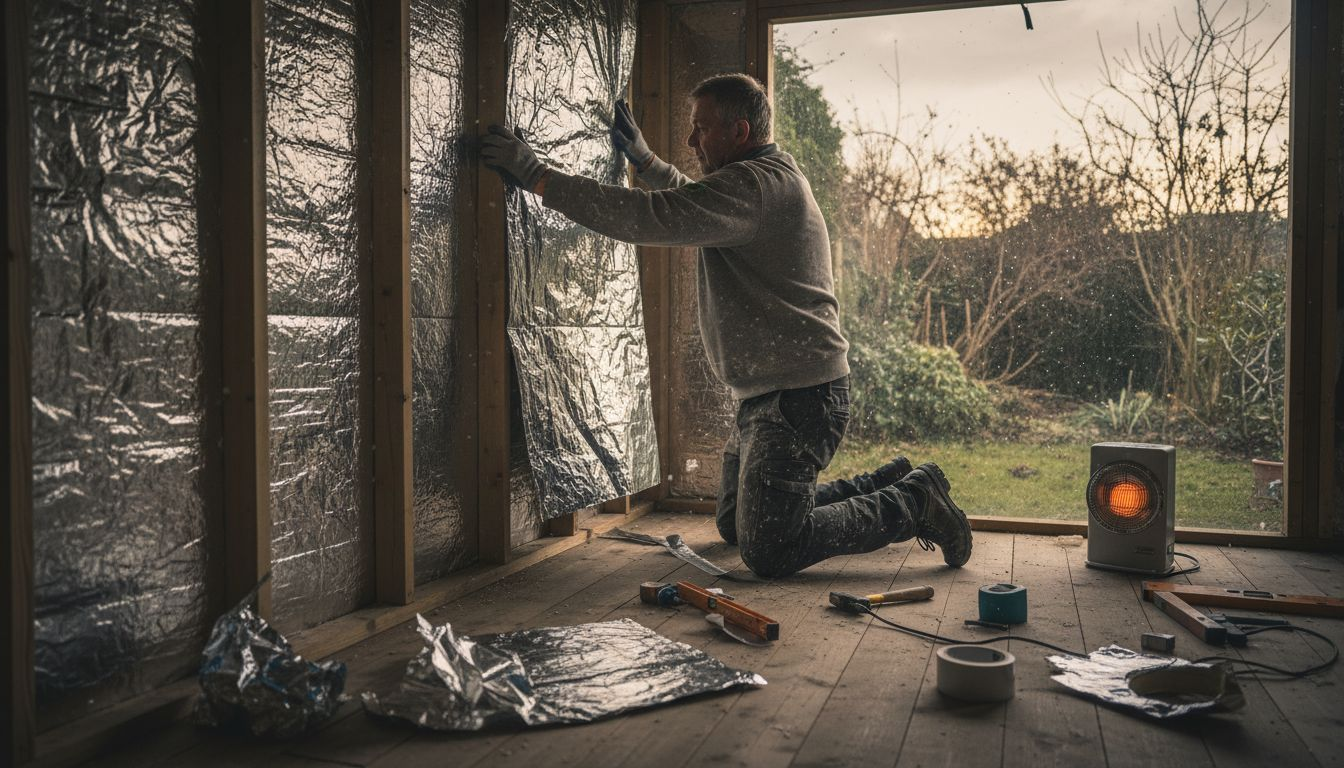
Garden cabins for year-round UK use highlight the importance of intelligent design that considers specific regional climatic challenges. Homeowners must focus on features like superior wall thickness, strategic window placement, and integrated climate control systems to ensure optimal comfort throughout seasonal transitions.
Pro tip: Invest in high-quality, multi-layered insulation and consider installing a programmable heating system to maximise energy efficiency and maintain consistent interior temperatures.
Planning Permission And Building Regulations
Understanding the intricacies of planning permission and building regulations is crucial for homeowners seeking to install multi-room garden cabins in England. Planning permission guidelines reveal the complex landscape of legal requirements surrounding garden structures.
Most multi-room garden cabins in England benefit from permitted development rights, which typically mean homeowners can construct cabins without formal planning permission, subject to specific conditions:
- Maximum height restrictions of 2.5 metres
- Total ground coverage limited to 50% of garden area
- Structure positioned more than 2 metres from property boundaries
- No sleeping accommodation permitted
- No significant alterations to existing property
- Must be used for non-residential purposes
Complex scenarios require careful consideration. Conservation areas, listed buildings, and properties with existing planning restrictions demand additional scrutiny. Common mistakes in planning permission highlight the importance of thorough research and potential professional consultation.
Building regulations become particularly critical when multi-room garden cabins include plumbing, electrical installations, or structural modifications that might impact overall property integrity. Local authorities require compliance with thermal efficiency, structural stability, and electrical safety standards to ensure occupant safety and environmental performance.
Pro tip: Always consult your local planning authority and consider a pre-application consultation to clarify specific requirements for your unique property situation.
Costs, Value, And Common Pitfalls To Avoid
Investing in a multi-room garden cabin requires careful financial planning and strategic decision-making to ensure optimal value and avoid potential costly mistakes. Understanding the comprehensive cost landscape is crucial for homeowners considering this significant property enhancement.
The primary cost components for multi-room garden cabins typically include:
- Initial construction and materials
- Foundation and groundwork preparation
- Electrical and plumbing installations
- Interior finishing and furnishings
- Ongoing maintenance expenses
- Potential utility connection costs
Homeowners must be acutely aware of hidden expenses that can dramatically impact overall project budgeting. Professional installation, quality timber selection, and advanced insulation technologies represent significant investments that directly influence long-term value and performance.
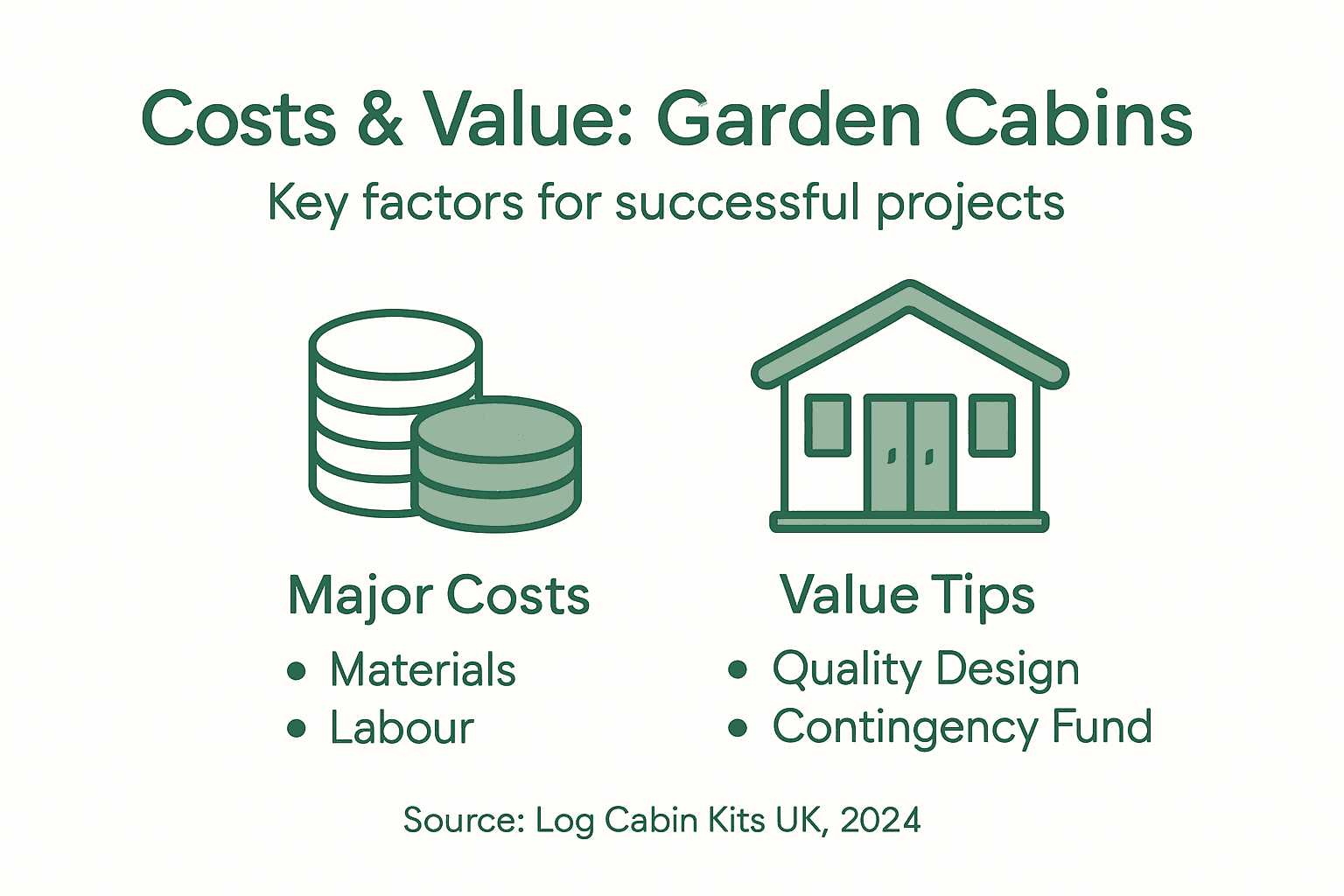
Here is a quick overview of the core cost areas and how they affect long-term value:
| Cost Component | Impact on Value | Common Oversight |
|---|---|---|
| Quality Materials | Increases durability | Selecting budget timber |
| Professional Installation | Boosts aesthetics | Skipping skilled labour |
| Insulation Upgrades | Improved year-round use | Underestimating heating needs |
| Interior Finishing | Enhanced comfort | Neglecting fit-out budget |
| Maintenance Planning | Preserves resale value | Ignoring upkeep expenses |
Potential pitfalls to carefully navigate include:
- Underestimating total project costs
- Choosing inferior construction materials
- Neglecting proper foundation requirements
- Overlooking planning permission regulations
- Failing to consider long-term maintenance needs
- Insufficient budget for interior fit-out
Property value enhancement depends significantly on the quality of design and execution. A well-constructed multi-room garden cabin can potentially increase residential property value by 5-10%, providing both immediate functional benefits and future financial returns.
Pro tip: Always obtain multiple quotes, create a detailed budget with a 15-20% contingency fund, and prioritise quality construction over initial cost savings.
Transform Your Garden Space with Bespoke Multi-Room Cabins
If you have been exploring multi-room garden cabins as a tailored solution for expanding your living or working space, you understand the challenge of balancing functionality, comfort, and planning requirements. At Log Cabin Kits, we specialise in helping homeowners across England overcome common pain points like customising cabin layouts, ensuring year-round comfort, and navigating planning permissions. Our bespoke options give you the freedom to create a multi-room garden cabin that truly meets your needs.
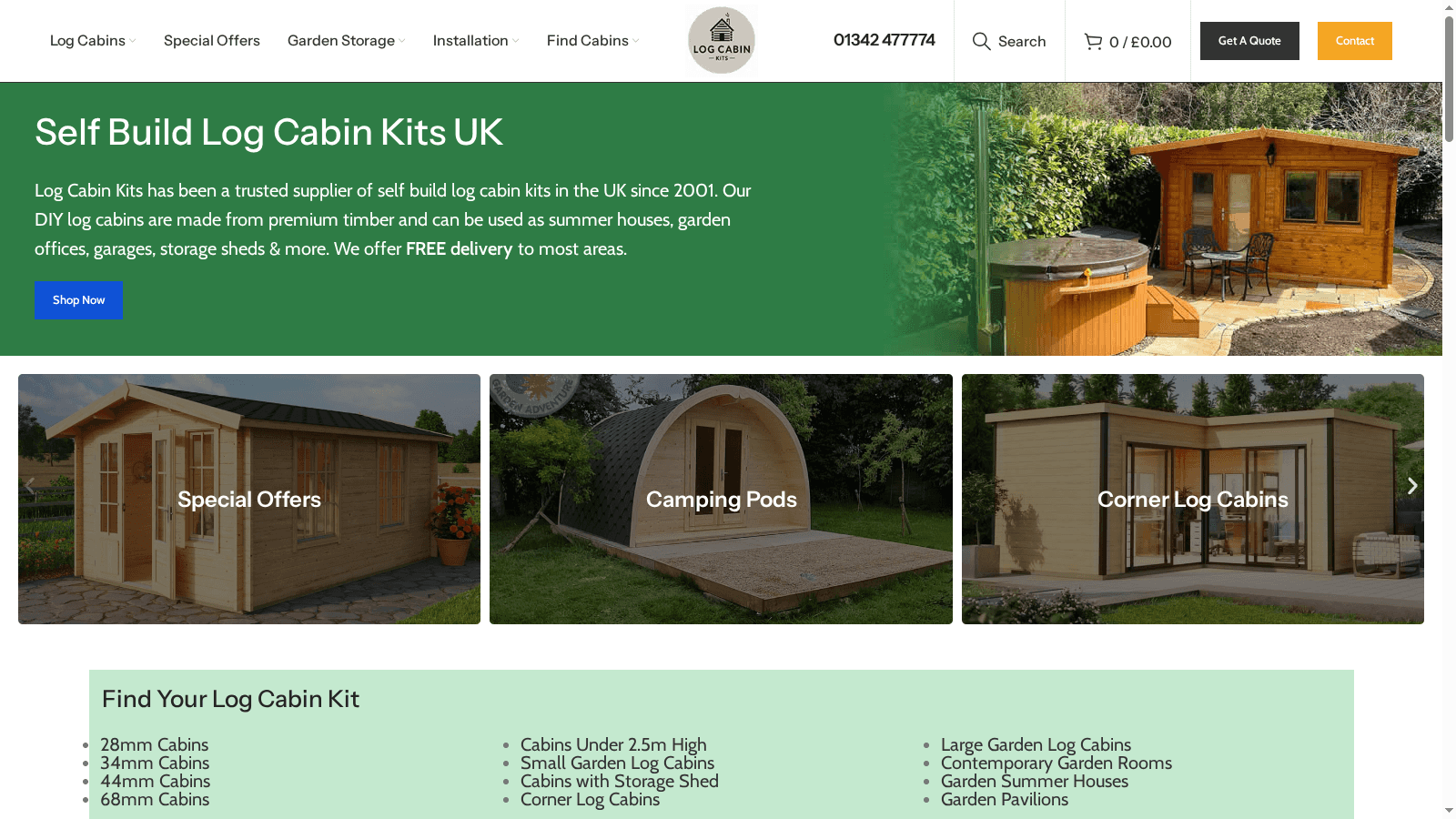
Explore our wide range of customisable designs at Log Cabin Kits today and take the first step towards your perfect garden retreat. Whether you want expert advice on designing your ideal multi-room cabin or need guidance on planning permissions, we are here to support your project. Don’t wait to transform your garden space into a valuable, comfortable extension of your home—discover the possibilities now at Log Cabin Kits.
Frequently Asked Questions
What are multi-room garden cabins?
Multi-room garden cabins are purpose-designed wooden structures that offer multiple distinct spaces tailored for specific needs, such as home offices, leisure rooms, or workshops, allowing homeowners to expand their living or working environments.
Do I need planning permission to build a multi-room garden cabin?
Most multi-room garden cabins can be constructed under permitted development rights, meaning formal planning permission is generally not required, provided certain conditions regarding height, ground coverage, and usage are met.
What are some essential features to include for year-round comfort?
Key features for year-round comfort include high-performance thermal insulation, advanced double-glazed windows, effective heating technologies, and structured ventilation systems to manage humidity and condensation.
How do I avoid common pitfalls when constructing a multi-room garden cabin?
To avoid pitfalls, ensure you accurately estimate total project costs, select high-quality materials, comply with planning regulations, and allocate a sufficient budget for both construction and long-term maintenance.