
Apex cabin roof explained: design, benefits & build tips
TL;DR:
- An apex cabin roof is a pitched structure where two slopes meet at a central ridge, forming a traditional gable shape. It offers practical benefits such as excellent weather resistance, increased internal volume, and versatile design options suitable for UK gardens. Proper construction, including correct pitch and waterproofing, is essential for durability, and the style enhances the cabin’s character and energy efficiency.
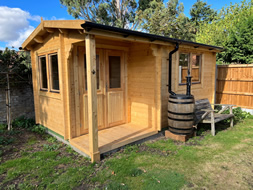
An apex cabin roof is defined as the pitched structure where two sloping roof planes meet at a central ridge, forming the classic triangular gable shape used across traditional and contemporary cabin architecture. Known in the industry as a gable or pitched roof, this design is the most popular choice for garden log cabins in the UK. The roof apex is the highest external junction where those two slopes converge, and it plays a critical role in load transfer and waterproofing. If you’re wondering what is apex cabin roof and whether it’s right for your build, this guide covers everything you need to know.
What is an apex cabin roof and why does it matter?
An apex cabin roof is the triangular pitched roof form where two symmetrical slopes rise from the eaves to meet at a central ridge line. The industry terms for this shape are gable roof or pitched roof, and the word “apex” simply refers to that highest meeting point. According to Marley, the apex is geometric rather than a structural element itself, but it is critical for correct roof load distribution across the walls below.
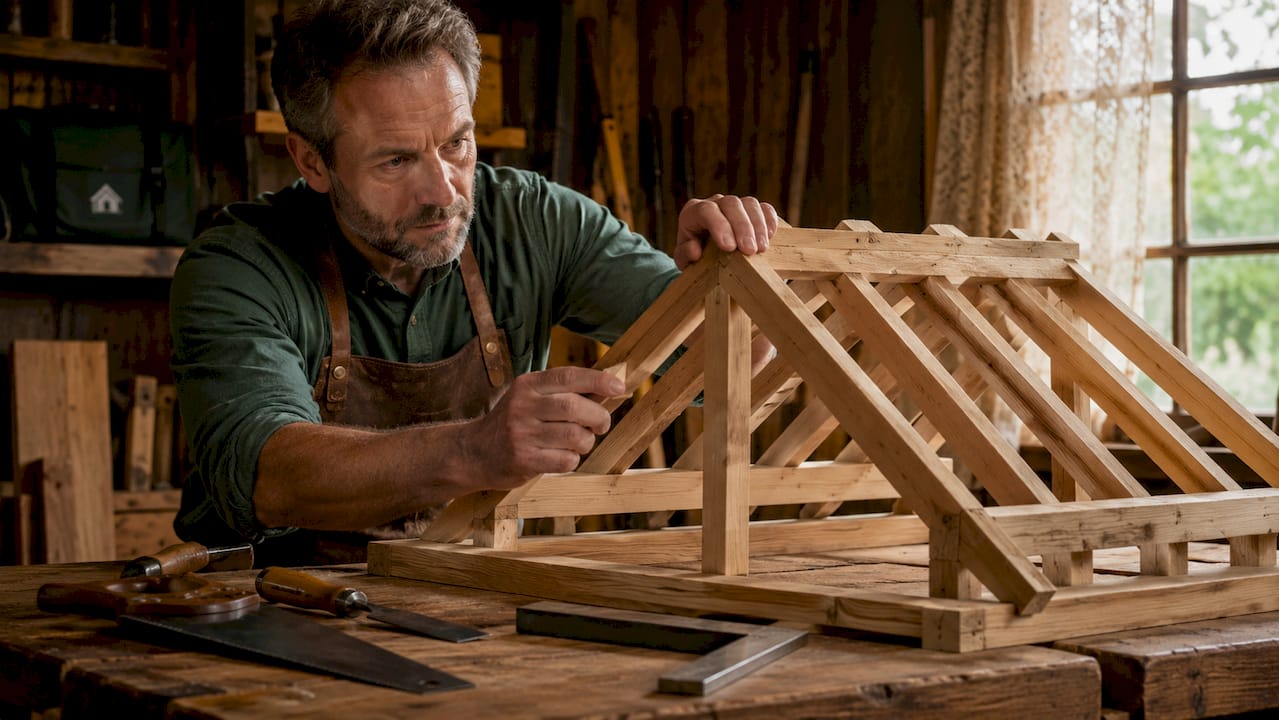
The ridge line at the top is supported by a ridge board, with rafters running down each side to the wall plates. Flashing and ridge caps seal the apex against water ingress. These three components work together to make the roof weathertight and structurally sound.
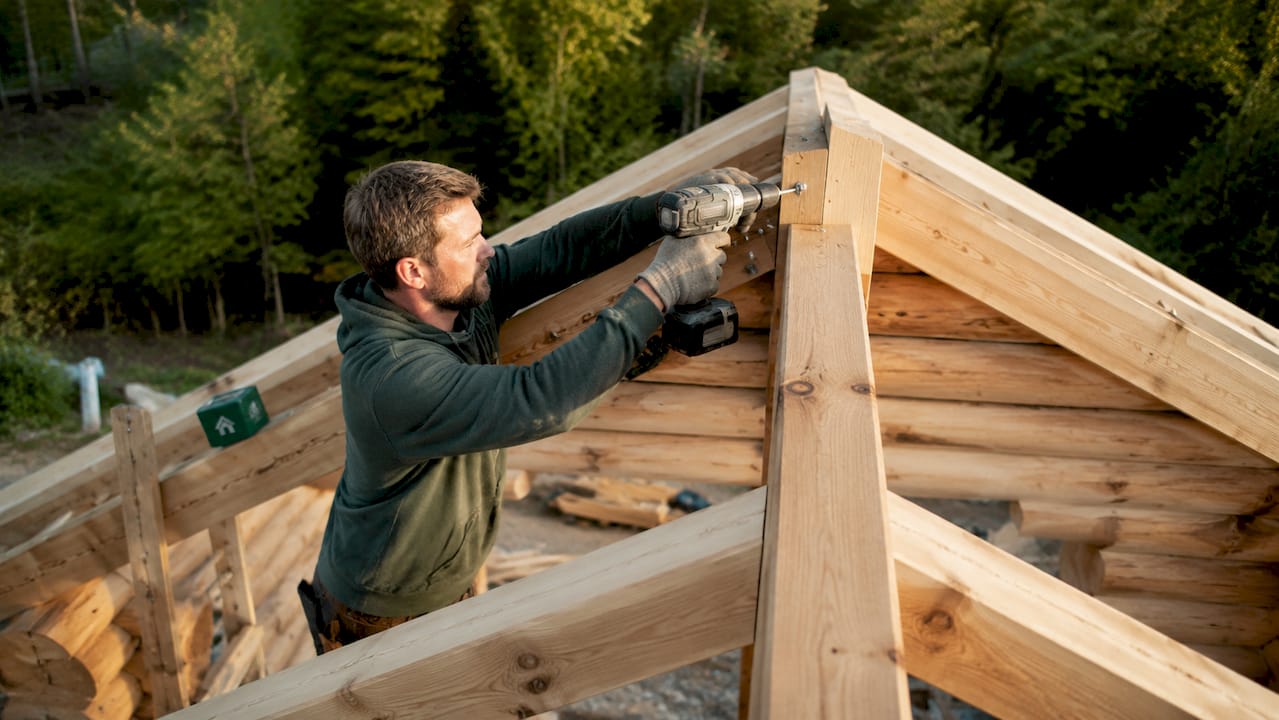
For cabin design, the apex shape matters because it defines the interior volume, the ceiling height, and the overall character of the building. A steeper pitch creates a taller, more dramatic interior. A shallower pitch gives a lower, cosier feel. Getting that angle right from the start shapes everything else about your cabin.
What are the structural and functional benefits of an apex roof on cabins?
The apex roof design delivers practical advantages that flat or mono-pitch roofs simply cannot match. Here are the main reasons cabin builders and homeowners choose it:
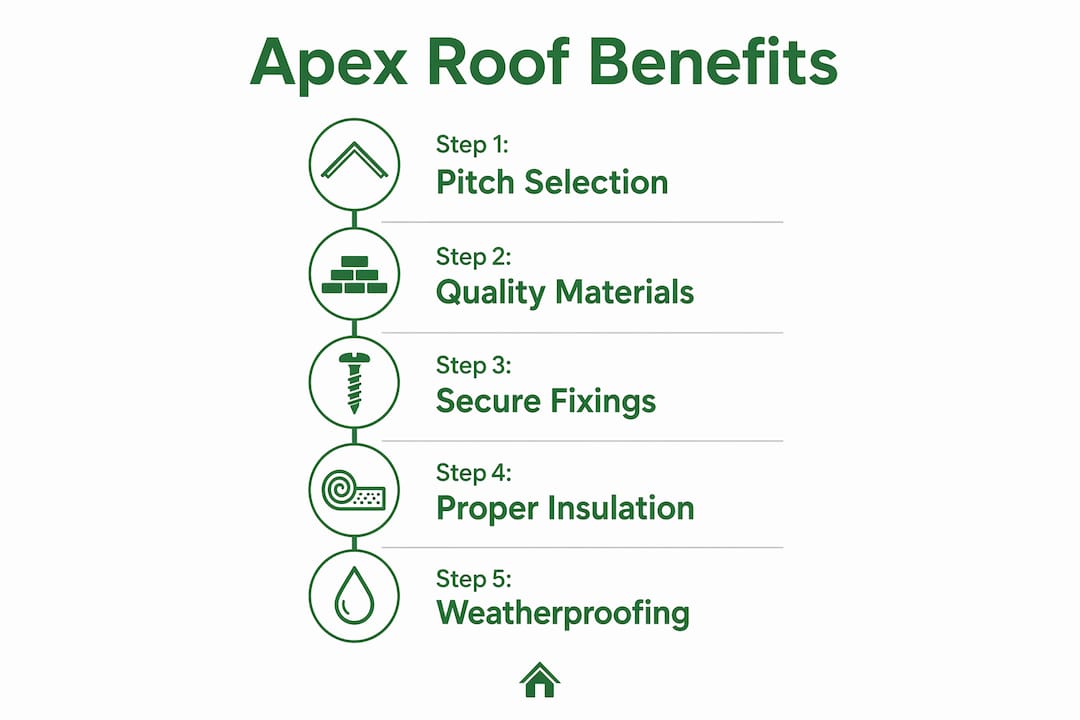
- Weather resistance. Apex roofs need a pitch of at least 15 degrees to shed rain and snow efficiently. Water runs off quickly rather than pooling, which reduces the risk of leaks over time.
- Snow load management. In areas with heavy snowfall, a steeper pitch allows snow to slide clear rather than accumulate. This reduces structural stress on the roof frame significantly.
- Better ventilation. The greater internal volume created by the pitched shape allows warm air to rise and escape, keeping the cabin cooler in summer and reducing condensation in winter.
- Loft and storage potential. Gable apex roofs provide increased internal volume that is usable for loft storage or high-level lighting, something a flat roof cannot offer.
- Insulation capacity. More roof space means more room for insulation layers, which directly improves year-round comfort and energy efficiency.
The materials most commonly used for apex cabin roofs include timber rafters and ridge boards, mineral felt or EPDM rubber for the deck, and ridge caps or metal flashing at the apex itself. Slate, clay tiles, and metal sheeting are popular finishing choices depending on the style you want.
Pro Tip: If your cabin sits in a garden with overhanging trees, choose a steeper pitch of 30 degrees or more. It sheds debris faster and reduces the chance of moss build-up on the roof surface.
How does an apex cabin roof compare with other cabin roof types?
Choosing the right roof type is one of the most important design decisions you’ll make. The apex or gable roof is the most widely used, but it’s worth knowing how it stacks up against the alternatives.
| Roof Type | Shape | Internal Space | Weather Resistance | Best For |
|---|---|---|---|---|
| Apex (Gable) | Two slopes meeting at a ridge | High, with loft potential | Excellent | Traditional cabins, year-round use |
| Gambrel | Four slopes, two angles per side | Very high, barn-style | Good | Maximum storage, rural aesthetics |
| Shed (Mono-pitch) | Single slope | Moderate | Good for rain, less for snow | Modern minimalist designs |
| Hip | Four slopes meeting at a point | Moderate | Very good in high winds | Exposed or coastal sites |
| Flat | Horizontal or very low pitch | Low | Poor without specialist membrane | Contemporary garden rooms |
The apex roof wins on the combination of classic appearance, practical drainage, and usable interior height. A gambrel roof can double overhead storage without increasing the overall cabin height, which makes it a strong choice if you need a barn-style look with maximum internal space. However, gambrel roofs are more complex and costly to build.
Shed roofs suit contemporary garden buildings where a clean, angular profile is the priority. Hip roofs perform well on exposed sites where wind uplift is a concern. Flat roofs are the simplest to construct but require specialist waterproofing membranes and regular maintenance to prevent water pooling.
For most garden log cabins in the UK, the apex design offers the best all-round balance. It looks right on a timber building, handles the British climate well, and gives you the interior space to use the cabin properly throughout the year.
What design and construction considerations are key when building an apex cabin roof?
Getting the construction details right makes the difference between a roof that lasts 30 years and one that causes problems within five. Here are the key steps and considerations to work through:
-
Choose the correct pitch for your climate. A minimum of 15 degrees is required for effective runoff, but steeper pitches above 15 degrees are recommended in snow-heavy regions for structural stability. In the UK, a pitch of 22–35 degrees suits most garden settings well.
-
Size the ridge board correctly. The ridge board runs the full length of the roof at the apex and must be deep enough to carry the load from both sets of rafters. Undersizing this component is one of the most common structural errors in DIY cabin builds.
-
Install proper ridge flashing. Waterproofing at the apex is critical, with integrated flashing and ridge caps required for durability. Skipping or cutting corners on flashing is the single most common cause of water ingress in cabin roofs.
-
Plan insulation from the start. Insulation and ventilation are enhanced in apex roofs due to greater space for layers and airflow compared to flat roofs. Decide early whether you want a warm roof or cold roof construction, as this affects rafter depth and ventilation gap requirements.
-
Consider a ring beam for a contemporary finish. Some modern apex designs use enclosed ring beams to maintain interior height while giving a clean exterior profile. This approach delivers the drainage benefits of a pitched roof with a sleeker appearance.
-
Check UK building regulations. Most garden cabins under 2.5 metres in height and within permitted development limits do not require planning permission. However, if your cabin is close to a boundary or above the height threshold, you will need to check with your local planning authority before starting.
Pro Tip: Always use stainless steel or galvanised fixings at the ridge. Standard steel screws corrode quickly at the apex where moisture and temperature changes are most extreme, and replacing them later is a costly job.
What are the aesthetic and energy-efficiency benefits of an apex roof?
The apex roof does more than keep the rain out. It shapes the entire character of your cabin and has a direct impact on how comfortable and efficient the building is to use.
- Architectural character. Apex roofs add immediate architectural character through height and natural light potential that flat roofs cannot match. The pitched silhouette reads as a proper building rather than a garden structure.
- Natural light. High-level glazing in the gable ends or roof slopes brings daylight deep into the cabin. Many people underestimate how much difference a well-placed gable window makes to the feel of the interior.
- Vaulted ceiling effect. Exposing the roof structure internally creates a vaulted ceiling that makes even a modest cabin feel spacious and open. This is one of the most popular design choices in contemporary apex log cabins.
- Material versatility. Apex roofs work well with timber, slate, and metal, suiting both traditional and contemporary cabin styles. You can match the roof material to the cladding for a cohesive look or contrast them for visual interest.
- Energy efficiency. The additional roof volume allows for thicker insulation without reducing headroom. Combined with good ventilation, this means your cabin stays warmer in winter and cooler in summer without relying heavily on heating or cooling.
If you’re drawn to a more contemporary look, you don’t have to sacrifice the apex shape. Zinc or standing-seam metal roofing over a traditional gable frame gives a modern finish while keeping all the structural and drainage advantages of the pitched form. You can explore ideas like this in the garden building inspiration section on the Logcabinkits website.
Key takeaways
An apex cabin roof is the most practical and versatile roof choice for garden log cabins, combining effective weather resistance, usable interior volume, and strong architectural character.
| Point | Details |
|---|---|
| Definition is clear | An apex roof is where two slopes meet at a central ridge, also called a gable or pitched roof. |
| Pitch angle matters most | A minimum of 15 degrees is required for drainage; steeper pitches suit snow-heavy or exposed sites. |
| Flashing prevents failures | Proper ridge flashing and fixings at the apex are the most critical waterproofing detail in any cabin roof. |
| Interior benefits are significant | Vaulted ceilings, loft storage, and high-level glazing are all made possible by the apex roof shape. |
| Material choice is flexible | Timber, slate, metal, and modern membranes all work well with apex roofs across traditional and contemporary styles. |
Why i think the apex roof is still the smartest choice for most cabin builds
People sometimes ask me whether the apex roof is just a traditional default or whether it genuinely earns its place in modern cabin design. My honest answer is that it earns it every time, and not just for sentimental reasons.
The most common misconception I see is that a steeper pitch is always better. It isn’t. Pitch angle is both a structural and aesthetic decision, and climate plays the defining role. A 45-degree pitch looks dramatic but adds cost and complexity without adding much benefit in a sheltered UK garden. A well-designed 25-degree pitch handles British weather perfectly and gives you a proportionate, attractive building.
The other thing people consistently overlook is the interior volume. When you stand inside a cabin with a vaulted apex ceiling and a gable window at each end, it feels completely different from a building with a flat or mono-pitch roof. That sense of space and light is hard to quantify but very easy to feel. It’s the reason clients who visit our show cabins almost always gravitate towards the apex designs.
My practical advice is this: don’t treat the roof as an afterthought. Get the pitch right for your site, invest in quality flashing, and think about how the interior volume can work for you. If you’re considering a bespoke build, the apex shape gives you the most flexibility to create something genuinely personal. You can explore the full range of timber garden cabins to get a feel for what’s possible before committing to a design.
— Martin
Find your perfect apex cabin with Logcabinkits
If this article has got you thinking about your own cabin project, Logcabinkits makes the next step straightforward. The team specialises in bespoke and custom-built garden log cabins, including a full range of apex roof cabin designs built to your exact requirements.
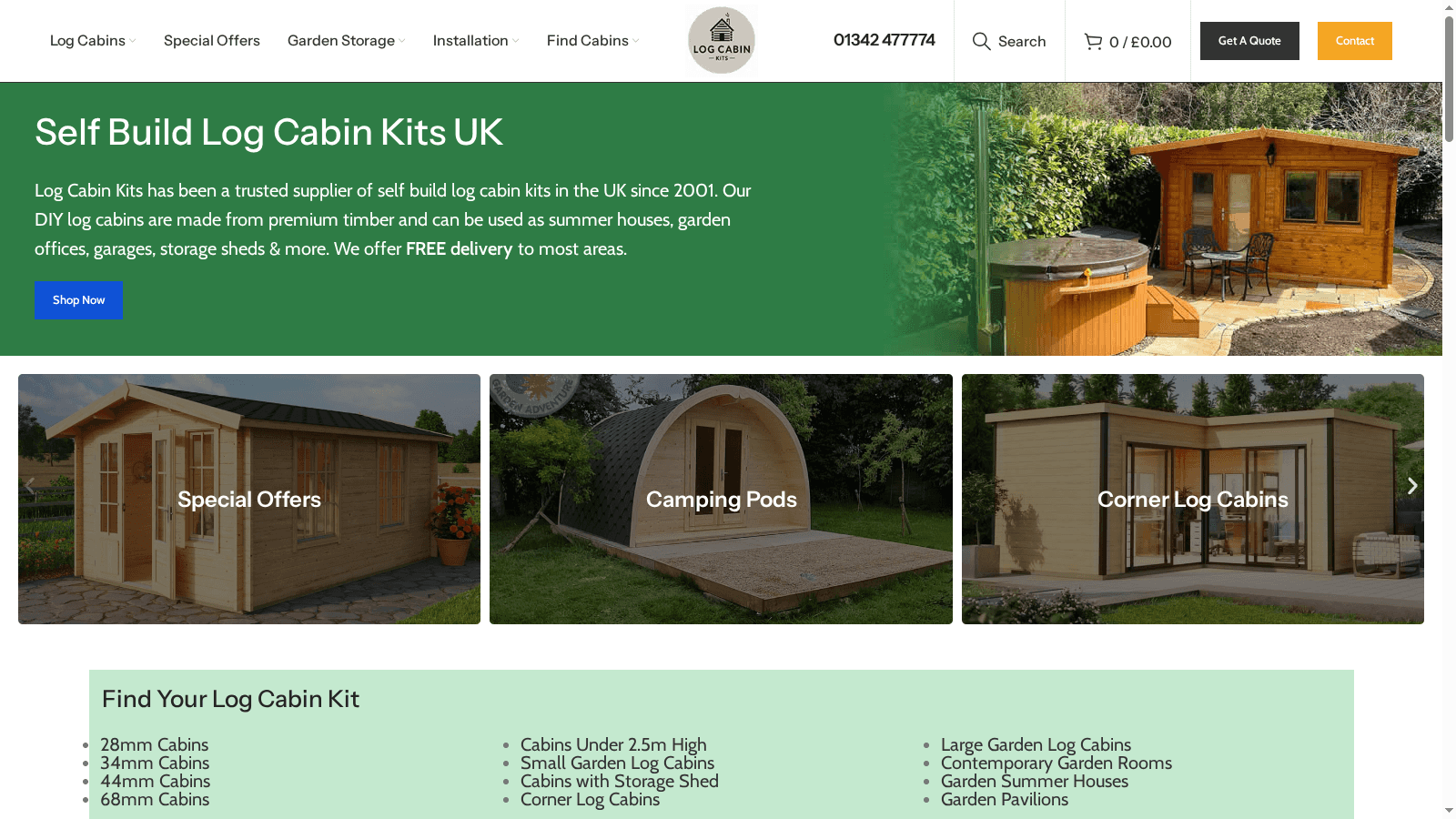
Every cabin comes with free UK delivery, and the team is on hand to help you choose the right pitch, materials, and layout for your garden and climate. Whether you want a classic timber finish or something more contemporary, there’s a design to suit. Browse the full garden log cabins range to see what’s available, or get in touch for a bespoke quote tailored to your space. It’s easier than you might think to get exactly the cabin you want.
FAQ
What is a roof apex on a cabin?
The roof apex is the highest point of a pitched roof where the two sloping sides meet at the central ridge line. It is a geometric point rather than a structural component, but it is critical for load distribution and waterproofing.
What pitch should an apex cabin roof have?
Apex roofs require a minimum pitch of 15 degrees for effective rain and snow runoff. In areas with heavy snowfall or exposed conditions, a steeper pitch is recommended for structural stability and long-term performance.
Is an apex roof better than a flat roof for a garden cabin?
An apex roof outperforms a flat roof for drainage, insulation capacity, interior volume, and long-term durability. Flat roofs require specialist membranes and more frequent maintenance to prevent water pooling and leaks.
Can i add insulation to an apex cabin roof?
Yes. Apex roofs offer more space for insulation layers and ventilation gaps than flat roofs, making them well-suited to year-round cabin use. The choice between warm roof and cold roof construction affects rafter depth and should be planned before building.
Do apex cabin roofs need planning permission in the UK?
Most garden cabins with apex roofs fall within permitted development rights if they are under 2.5 metres in height and meet boundary distance rules. If your cabin exceeds these limits, you will need to check with your local planning authority before starting work.