
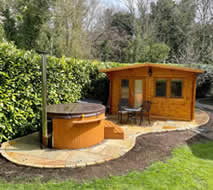
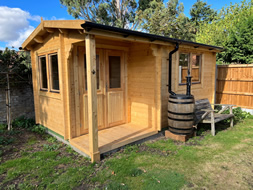
The rise of remote and hybrid working has transformed the way people think about their homes and workspaces. Kitchen tables and spare bedrooms may have served as temporary solutions, but many professionals are now looking for dedicated environments that improve productivity, wellbeing, and work-life balance.
A minimalist contemporary cabin provides exactly that. Combining modern design principles with practical functionality, these standalone garden buildings create a distraction-free workspace that is physically separated from the home while remaining only a short walk away.
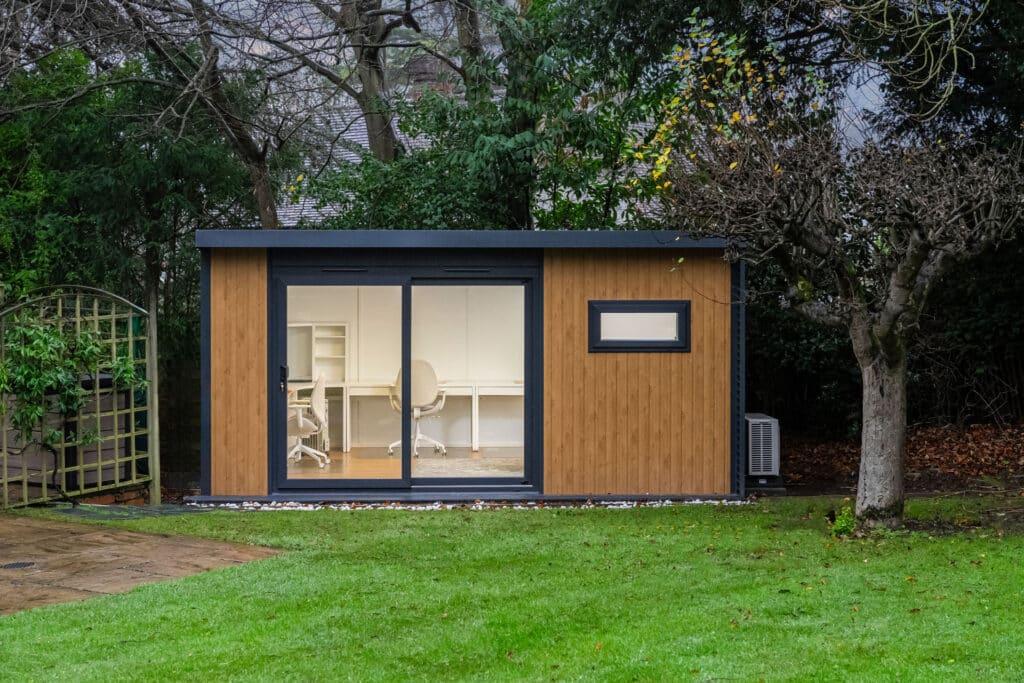
Modern garden buildings are no longer simple outdoor buildings. Advances in insulation, glazing, electrical installation, and interior design have transformed them into highly capable workspaces that can be used comfortably throughout the year.
From carefully planned electrical systems to layered lighting schemes and efficient workspace layouts, every aspect of a contemporary cabin can be designed to support productive remote working.
The Psychology of a Dedicated Workspace
One of the greatest advantages of a contemporary cabin office is the physical separation it creates between home and work.
Even a short walk across the garden creates a psychological distinction that helps workers switch into a professional mindset. At the end of the day, closing the cabin door and returning to the house creates a clear boundary that can be difficult to achieve when working inside the home.
Minimalist design reinforces this effect by removing visual clutter and creating a calm, organised environment. Numerous workplace studies have shown that cluttered environments can contribute to distraction and cognitive overload, while clean and organised spaces help support concentration and focus.
The Principles of Minimalist Cabin Design
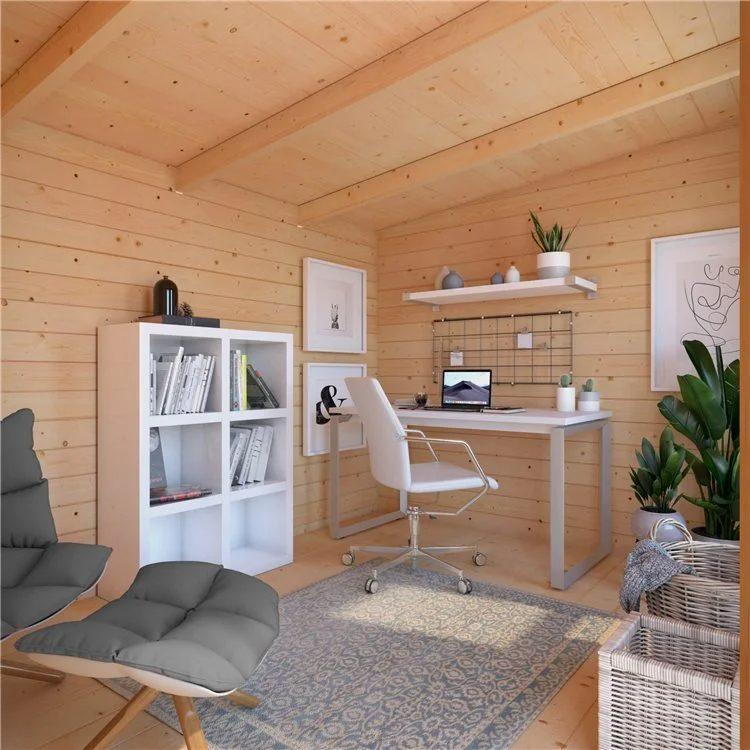
Minimalism is not about creating empty spaces. Instead, it focuses on ensuring that every element within a room serves a purpose.
In a remote working cabin, this often means:
- Clean architectural lines
- Neutral colour palettes
- Integrated storage solutions
- Minimal visual distractions
- Functional furniture
- Open floor plans
The result is a workspace that feels spacious, organised, and highly efficient.
Planning the Electrical Installation
One of the most important technical considerations for a remote working cabin is the electrical supply.
Unlike a traditional garden shed, a modern office cabin often contains multiple electronic devices operating simultaneously throughout the day.
A professionally installed electrical feed ensures safe and reliable operation.
Dedicated Electrical Supply
Most contemporary cabin offices are supplied via an armoured cable connected to the property's consumer unit.
This provides a dedicated power source capable of supporting:
- Computers and laptops
- Monitors
- Printers
- Heating systems
- Lighting circuits
- Networking equipment
- Charging stations
The exact electrical specification will depend on the intended use of the building and should always be designed and installed by a qualified electrician.
Future-Proofing Electrical Capacity
When planning a cabin office, it is wise to consider future requirements.
Additional capacity may be needed for:
- Air conditioning systems
- Electric heaters
- Video conferencing equipment
- Multiple monitor setups
- Audio systems
- Workshop equipment
Installing sufficient circuits and outlets during construction is far easier than upgrading the system later.
Data Connectivity and Internet Access
Reliable internet access is essential for modern remote working.
Several connectivity options are available depending on the location of the cabin and the requirements of the user.
Popular solutions include:
- Hardwired ethernet connections
- Mesh Wi-Fi systems
- Dedicated access points
- Fibre broadband extensions
Hardwired ethernet remains the gold standard for maximum speed and reliability, particularly for video conferencing, cloud-based applications, and large file transfers.
Designing Effective Lighting

Lighting plays a crucial role in productivity, comfort, and wellbeing.
A successful remote working cabin typically combines natural and artificial lighting to create a balanced environment throughout the day.
Maximising Natural Light
Contemporary cabins often feature large glazed doors and expansive windows.
These provide several benefits:
- Reduced reliance on artificial lighting
- Improved mood and wellbeing
- Enhanced connection to nature
- Greater sense of space
Positioning the main desk near a source of natural daylight can significantly improve the working experience.
Layered Artificial Lighting
Professional workspace design often incorporates multiple lighting layers.
This typically includes:
- General ambient lighting
- Task lighting
- Accent lighting
LED ceiling panels or recessed downlights provide consistent ambient illumination, while desk lamps deliver focused task lighting for reading and detailed work.
Accent lighting can add warmth and visual interest without creating distractions.
Creating the Ideal Workspace Layout
The layout of a contemporary cabin office has a major impact on productivity and comfort.
The most successful designs balance functionality, circulation, and aesthetics.
Single Occupancy Layout
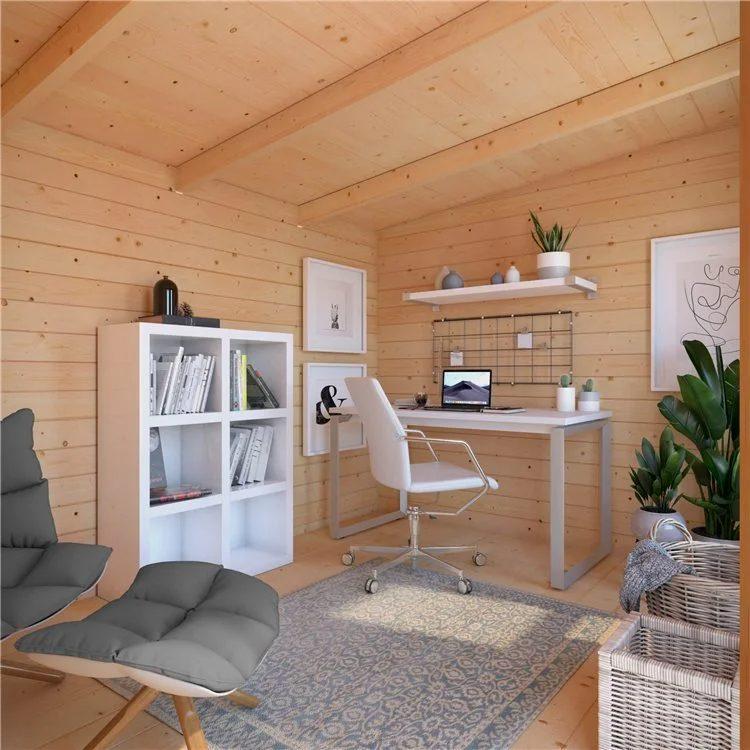
For individuals working alone, a simple layout is often the most effective.
A central desk positioned to maximise natural light creates a clean and focused workspace.
Storage can be integrated into side walls, leaving the centre of the room open and uncluttered.
Dual Workspace Layout
Many households now contain two remote workers.
Contemporary cabins can accommodate dual workstations using:
- Opposing desk arrangements
- L-shaped desk systems
- Parallel workstation layouts
Careful planning helps ensure both occupants have sufficient space and privacy.
Flexible Hybrid Layout
Some users require a workspace that serves multiple functions.
A flexible layout may combine:
- Office workstation
- Meeting area
- Reading corner
- Creative workspace
- Storage zone
This approach allows the cabin to adapt as requirements evolve.
Ergonomics and Comfort
Even the most attractive office will fail if it does not support comfortable working.
Ergonomic principles should influence every aspect of the cabin design.
Important considerations include:
- Adjustable office chairs
- Correct monitor height
- Appropriate desk dimensions
- Proper keyboard positioning
- Comfortable room temperature
Long-term comfort directly influences productivity, concentration, and overall wellbeing.
Storage Without Clutter
Minimalist design relies heavily on effective storage solutions.
Rather than displaying every item, storage should conceal unnecessary visual clutter while keeping essential items easily accessible.
Popular solutions include:
- Built-in cabinetry
- Floating shelves
- Integrated desk storage
- Concealed filing systems
- Multi-purpose furniture
Maintaining a clean visual environment supports focus and reinforces the minimalist aesthetic.
Temperature Control Throughout the Year
A remote working cabin should remain comfortable regardless of season.
Modern insulated cabins can be equipped with a variety of heating solutions including:
- Electric panel heaters
- Infrared heating systems
- Air-source heat pumps
- Underfloor heating
Combined with high-performance glazing and insulated wall systems, these solutions allow year-round use while maintaining energy efficiency.
The Importance of Biophilic Design
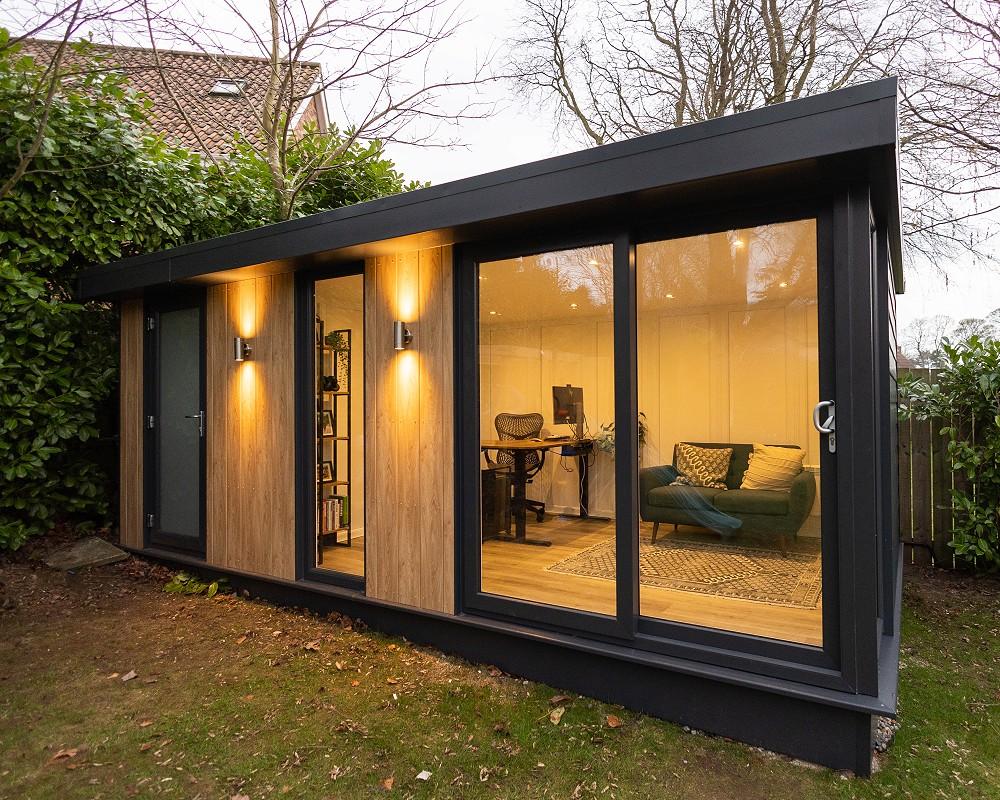
One of the unique advantages of a garden-based office is its connection to nature.
Biophilic design seeks to strengthen this connection by incorporating natural elements into the workspace.
Examples include:
- Large garden-facing windows
- Indoor plants
- Natural timber finishes
- Views of greenery
- Natural materials
Research consistently shows that access to natural environments can improve concentration, reduce stress, and enhance overall wellbeing.
Conclusion
A minimalist contemporary cabin offers far more than simply additional workspace. By combining thoughtful design, modern electrical infrastructure, high-quality lighting, and efficient layouts, these buildings create highly productive environments specifically suited to remote working.
The separation from the home encourages focus, while carefully planned electrical systems support modern technology requirements. Layered lighting improves comfort throughout the day, and minimalist design principles reduce distractions while promoting productivity.
Whether used as a full-time home office, creative studio, consultancy space, or hybrid workplace, a contemporary cabin can provide a professional and inspiring environment that supports both productivity and wellbeing for many years to come.