Blog

Choosing a garden cabin for your outdoor space in the United Kingdom can quickly become confusing when faced with unfamiliar jargon and specialised language. The terms used to describe these structures range from log cabins to leisure pavilions, each with distinct design features and intended uses. By gaining a clear understanding of garden cabin terminology, you empower yourself to communicate effectively with suppliers and select a cabin that aligns with your lifestyle and preferences.
Table of Contents
- What Is Garden Cabin Terminology?
- Types Of Garden Cabins Explained
- Key Construction Terms And Materials
- Planning Permission And Legal Terms
- Common Pitfalls And Buyer Mistakes
Key Takeaways
| Point | Details |
|---|---|
| Understanding Terminology | Familiarise yourself with garden cabin vocabulary to make informed selections regarding size, construction type, and intended use. |
| Consider Design Types | Evaluate various garden cabin styles like Traditional Log Cabins or Multi-Functional Spaces to find the best fit for your needs. |
| Be Aware of Legal Requirements | Check planning permission regulations before construction to avoid legal complications and ensure compliance. |
| Avoid Common Pitfalls | Conduct thorough research on materials and costs to prevent budget miscalculations and design issues during the buying process. |
What Is Garden Cabin Terminology?
Garden cabin terminology encompasses the specialised language used to describe wooden structures designed for outdoor spaces across the United Kingdom. These structures range from small storage units to comprehensive living spaces, each with unique characteristics and purposes. Understanding the specific vocabulary helps homeowners make informed decisions about their garden building projects.
The concept of a garden cabin goes far beyond a simple wooden structure. Architectural definitions of garden buildings reveal a complex landscape of potential uses and design approaches. Cabins typically represent more substantial and purposeful constructions compared to traditional garden sheds, offering versatile spaces for work, leisure, and relaxation.
Key terminology in garden cabin selection includes several critical components:
- Size classifications: Ranging from compact 2×2 metre units to expansive 6×4 metre structures
- Construction types: Log cabin, timber frame, modular panel systems
- Intended usage: Home office, gym, studio, guest accommodation
- Roof styles: Apex, pent, gambrel, and flat roof configurations
- Material specifications: Pressure-treated timber, cedar, spruce, and engineered wood panels
Understanding these terms allows homeowners to communicate precisely with suppliers and make strategic choices about their garden cabin investments. The language reflects not just physical attributes, but potential lifestyle enhancements and functional opportunities.
Pro tip: Always clarify technical terminology with your garden cabin supplier to ensure you select a structure perfectly matched to your specific requirements.
Types Of Garden Cabins Explained
Garden cabins represent a diverse range of wooden structures designed to enhance outdoor living spaces across the United Kingdom. Traditional log cabin designs showcase remarkable versatility, offering homeowners multiple options for personalising their garden environments. These structures go beyond simple storage solutions, transforming garden spaces into functional and aesthetically pleasing extensions of the home.
The primary types of garden cabins can be categorised based on their specific design and intended purpose:
- Traditional Log Cabins: Classic timber structures with rustic charm
- Modern Minimalist Cabins: Sleek designs with clean lines and contemporary aesthetics
- Multi-Functional Spaces: Adaptable cabins serving as home offices, gyms, or guest accommodations
- Modular Garden Offices: Prefabricated units designed for professional remote working
- Leisure Pavilions: Open-sided structures focused on outdoor relaxation and entertainment
Each cabin type brings unique characteristics to garden landscapes. Garden building architectural variations reveal intricate differences in construction, materials, and functional potential. Homeowners can select cabins that complement their specific lifestyle requirements, whether seeking additional workspace, recreational areas, or storage solutions.
Here’s a concise summary of common garden cabin types and their primary attributes:
| Cabin Type | Key Visual Traits | Typical Uses | Notable Benefits |
|---|---|---|---|
| Log Cabin | Rustic timber, pitched roof | Leisure, storage | Natural look, robust structure |
| Modern Minimalist | Clean lines, minimal detailing | Workspace, studio | Contemporary style, low maintenance |
| Multi-Functional | Flexible interior layouts | Office, gym, guest room | Versatile, adapts to changing needs |
| Modular Garden Office | Prefab panels, compact design | Professional remote work | Fast installation, efficient layouts |
| Leisure Pavilion | Open-sided, airy frames | Entertaining, relaxation | Enhances outdoor lifestyle |
The selection process involves careful consideration of factors like size, construction quality, intended usage, and aesthetic compatibility with existing outdoor spaces. Modern garden cabins range from compact 2×3 metre units to expansive 6×4 metre structures, providing remarkable flexibility for different garden configurations and personal preferences.
Pro tip: Consider your long-term usage requirements and potential future adaptations when selecting a garden cabin design to maximise your investment.
Key Construction Terms And Materials
Garden cabin construction involves a complex array of materials and technical specifications that go far beyond simple wooden structures. Sustainable building materials have revolutionised modern garden cabin design, offering homeowners innovative options that balance durability, aesthetic appeal, and environmental responsibility.
Key construction materials for garden cabins include:
- Timber Types:
- Pressure-treated spruce
- Cedar
- Engineered wood panels
- Laminated timber
- Insulation Materials:
- Mineral wool
- Polyurethane foam
- Natural fibre insulation
- Structural Components:
- Foundation bases
- Wall panels
- Roof trusses
- Window frames
Understanding construction standards and specifications is crucial for ensuring long-term performance and compliance with UK building regulations. Professional garden cabin manufacturers carefully select materials that provide optimal thermal efficiency, moisture resistance, and structural integrity.
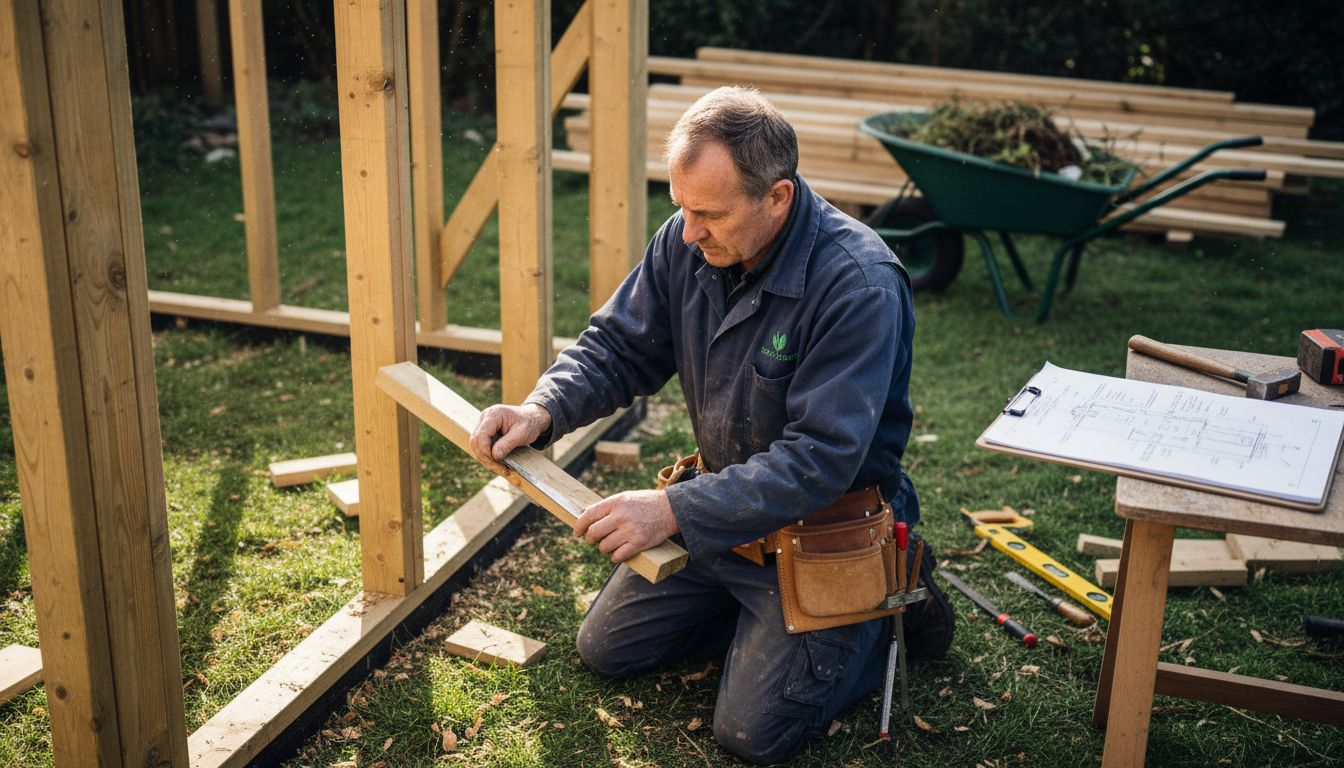
The selection of materials directly impacts a garden cabin’s longevity, maintenance requirements, and overall performance. Modern construction techniques incorporate advanced treatments that protect against weathering, rot, and structural degradation, ensuring that garden cabins remain functional and attractive for many years.
Pro tip: Request detailed material specifications from your cabin manufacturer to understand the exact construction standards and potential long-term performance of your chosen garden cabin.
Planning Permission And Legal Terms
Navigating the legal landscape of garden cabin construction requires a comprehensive understanding of UK planning regulations. Planning permission in the United Kingdom involves complex rules that determine whether homeowners can proceed with their garden cabin projects without formal approval.
Key legal considerations for garden cabin installation include:
- Permitted Development Rights:
- Maximum height restrictions
- Total floor area limitations
- Distance from property boundaries
- Location Specific Regulations:
- Conservation areas
- Listed property constraints
- National park guidelines
- Usage Restrictions:
- Residential vs. commercial use
- Sleeping accommodation limitations
- Permanent residence prohibitions
Understanding permitted development criteria is crucial for homeowners seeking to install a garden cabin without extensive bureaucratic processes. Most garden cabins can be constructed under permitted development rights, provided they meet specific size, height, and placement requirements.
The legal terminology surrounding garden cabin construction can be intricate. Homeowners must carefully assess whether their planned structure falls under ‘permitted development’ or requires a full planning permission application. Factors such as total floor area, height, location, and intended use will determine the necessary legal steps.
Pro tip: Always consult your local planning authority and obtain written confirmation of permitted development status before commencing garden cabin construction.
Common Pitfalls And Buyer Mistakes
Purchasing a garden cabin requires careful consideration to avoid costly and potentially frustrating mistakes. Common construction pitfalls often stem from buyers prioritising aesthetic appeal over practical functionality and structural integrity.
Major buyer mistakes in garden cabin selection include:
- Budget-Related Errors:
- Underestimating total project costs
- Neglecting long-term maintenance expenses
- Choosing lowest price over quality
- Design and Functionality Issues:
- Ignoring intended usage requirements
- Overlooking site-specific constraints
- Failing to consider future adaptability
- Legal and Regulatory Mistakes:
- Disregarding planning permission rules
- Bypassing local building regulations
- Misunderstanding property boundary limitations
Land rights and property management complexities can significantly impact garden cabin purchases. Buyers frequently underestimate the importance of thorough due diligence, which can lead to unexpected legal challenges or restrictions on cabin usage.
Successful garden cabin investments require a holistic approach that balances aesthetic preferences, functional requirements, budgetary constraints, and legal compliance. Potential buyers must look beyond surface-level attractiveness and conduct comprehensive research into structural quality, materials, intended use, and regulatory requirements.
Before purchasing, use this table to check for risk factors and plan proactively:
| Pitfall Category | Example Issue | Prevention Strategy |
|---|---|---|
| Budget | Unexpected maintenance costs | Request full lifecycle estimates |
| Design & Function | Poor adaptability | Review future use scenarios |
| Legal Compliance | Ignored height restrictions | Consult local planning authority |
| Site Constraints | Unsuitable ground conditions | Conduct site survey before purchase |
Pro tip: Engage a professional surveyor or planning consultant to conduct a comprehensive assessment before finalising your garden cabin purchase.
Make Confident Garden Cabin Choices with Expert Support
Understanding garden cabin terminology like construction types, roof styles, and planning permission can feel overwhelming. Many homeowners worry about making costly mistakes or choosing a cabin that does not fit their lifestyle or legal requirements. Our bespoke and custom-built garden log cabins provide clear solutions tailored to your specific needs, whether for a home office, leisure pavilion, or multi-functional space. At Log Cabin Kits, we ensure every detail—from material selection to size classification—is explained so you can make an informed investment with complete confidence.
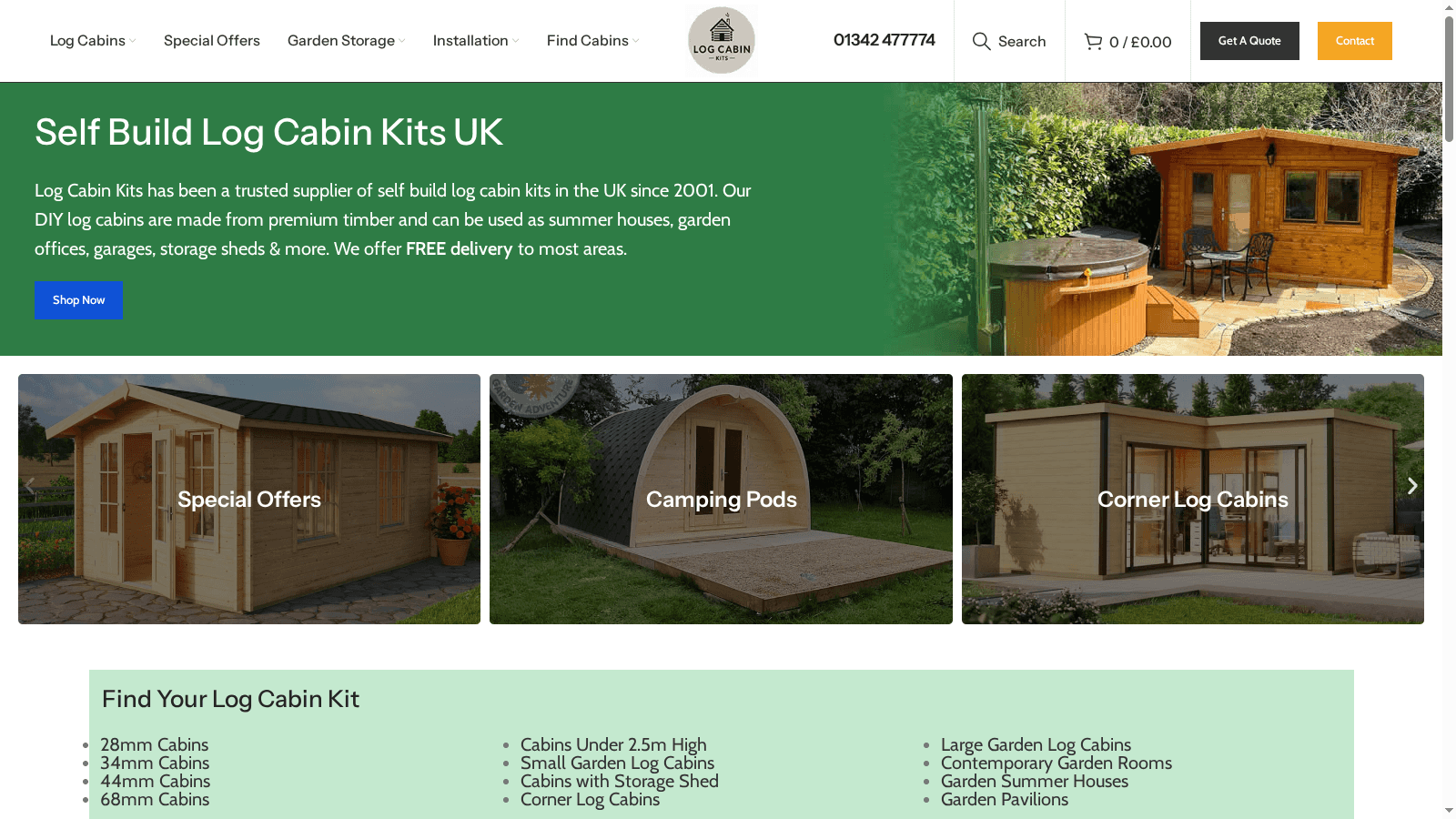
Explore our diverse range of garden cabins designed with your goals in mind and backed by expert guidance on UK building regulations and high-quality materials. Take the first step towards transforming your outdoor space by visiting Log Cabin Kits. Discover how easy it is to align your vision with precise craftsmanship and professional advice today.
Frequently Asked Questions
What types of garden cabins are available?
Garden cabins come in various types, including traditional log cabins, modern minimalist cabins, multi-functional spaces, modular garden offices, and leisure pavilions. Each type serves different purposes, such as storage, workspaces, or recreational areas.
How do I choose the right size for my garden cabin?
When selecting the size of your garden cabin, consider factors like available space in your garden, intended use (e.g., office, gym, guest accommodation), and any local regulations regarding maximum sizes.
What materials are commonly used in garden cabin construction?
Common materials for garden cabins include pressure-treated timber, cedar, engineered wood panels, mineral wool insulation, and structural components like foundation bases and wall panels, which contribute to durability and performance.
Do I need planning permission for a garden cabin?
Planning permission depends on various factors such as size, height, and intended use. Most garden cabins can be built under permitted development rights, but it’s essential to check with your local planning authority to confirm any specific requirements.
Recommended
- How To Design A Bespoke Garden Cabin For Your Home
- Garden Building Terminology Explained: Smart UK Decisions
- Garden Cabin Sense: How It Enhances UK Outdoor Living
- Unlocking Storage Potential: The Benefits of a Garden Cabin – Log Cabin Kits to Buy Online
- Role Of Pathways In Gardens – Transforming Outdoor Spaces