Creating the Perfect Sewing Room in Your Garden Log Cabin: A Step-by-Step Guide
Your garden log cabin can be more than just a storage space or a quiet retreat; it can be transformed into a functional and inspiring sewing room. Whether you're a seasoned seamstress or just discovering the joys of sewing, having a dedicated space can make all the difference in pursuing your passion. In this comprehensive guide, we'll walk you through every step of converting your garden log cabin into the perfect sewing haven. From planning and organising to decorating and setting up your sewing machine, we've got you covered.
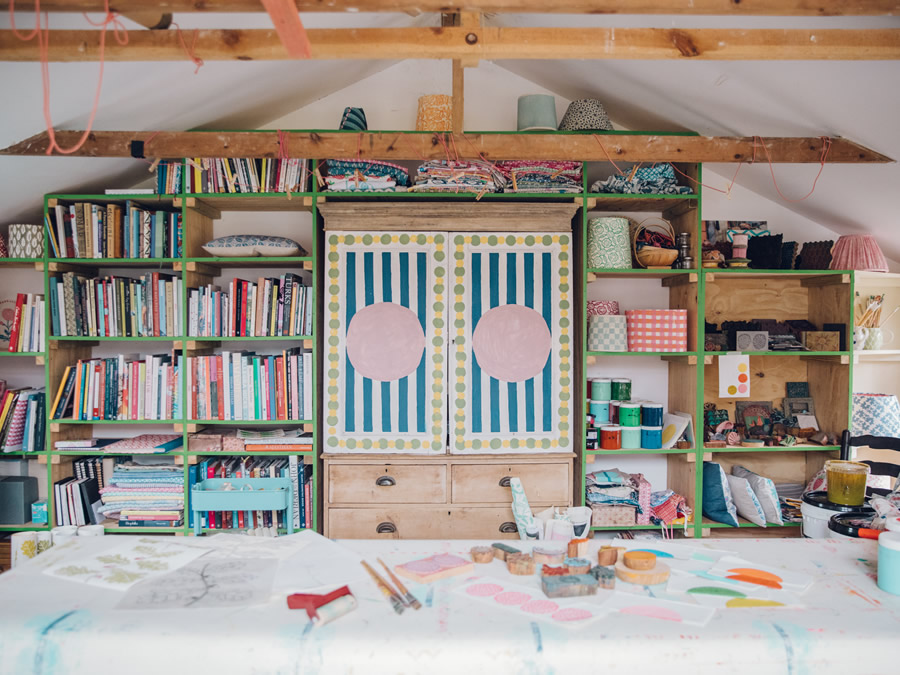
Chapter 1: Planning Your Sewing Space
Creating your dream sewing room in your garden log cabin begins with careful planning. This chapter outlines the essential steps to transform your cabin into a functional and inspiring sewing haven.
Assessing Your Cabin Layout
Begin by evaluating your garden log cabin's layout. Consider the cabin's size, shape, and existing features. Determine how you want to divide the space for sewing, storage, and other potential uses. Consider a multi room cabin.
Choosing the Ideal Location
Selecting the right location for your sewing room is crucial. Ensure your chosen spot receives ample natural light, which is essential for accurate sewing. Windows with adjustable coverings can help control the amount of light entering the room. Additionally, consider proximity to electrical outlets for your sewing machine and equipment.
Addressing Practical Considerations
Make your cabin comfortable and conducive to sewing all year round. Adequate insulation is essential to maintain a comfortable temperature, especially during colder months. Evaluate your insulation needs and plan accordingly. Electrical wiring should also be considered to power your sewing machine, lights, and other equipment.
Optimising Space Efficiency
Optimise the space in your cabin by designing a layout that promotes efficient workflow. Consider the placement of your sewing machine, cutting table, and ironing station. Plan for ample storage to keep fabrics, threads, and notions organised and accessible.
Incorporating Inspiration
Your sewing room should be a place that inspires your creativity. Consider adding elements that motivate you, such as artwork, photos, or a vision board displaying your sewing goals. Think about colour schemes and decor that reflect your personal style.
Planning for Future Growth
Anticipate your sewing needs in the long term. Your sewing space should be flexible enough to accommodate new equipment or changing interests. Plan for expansion if necessary, ensuring your cabin can adapt to your evolving sewing projects.
By carefully planning your sewing space in your garden log cabin, you'll set the foundation for a productive and enjoyable sewing experience. In the following chapters, we'll delve into equipment selection, organisation, and creating an inspiring environment to make your sewing dreams come true.
Chapter 2: Essential Sewing Room Equipment
Equipping your garden log cabin sewing room with the right tools is crucial for a smooth and productive sewing experience. In this chapter, we'll explore the essential equipment every sewing enthusiast needs.
1. Sewing Machine: Your sewing machine is the heart of your sewing room. Invest in a quality machine that suits your sewing projects. Consider features like different stitches, automatic threading, and adjustable speed control.
2. Cutting Table: A sturdy and spacious cutting table is essential for accurately cutting fabric. Ensure it's at a comfortable height to reduce strain while cutting.
3. Ironing Station: A good ironing board and steam iron are crucial for achieving professional results. Look for an iron with adjustable settings to accommodate various fabric types.
4. Storage Solutions: Effective storage keeps your sewing room organised. Consider cabinets, shelves, or modular storage units to store fabric, thread, and sewing notions.
5. Lighting: Proper lighting is vital for precise sewing. A combination of natural light and adjustable task lighting will reduce eye strain. Daylight LED bulbs are an excellent choice.
6. Sewing Notions: Stock up on sewing notions like scissors, pins, needles, bobbins, and measuring tape. Organise them in a way that's easy to access.
7. Dress Form: A dress form allows you to create and fit garments with precision. Look for one that matches your body measurements.
8. Serger/Overlocker: While not mandatory, a serger can finish seams professionally and help create durable, high-quality garments.
9. Computer/Printer: A computer with access to sewing patterns and online resources is valuable. A printer for printing patterns and instructions is also handy.
10. Design Software: Consider sewing software for designing and altering patterns. This can be especially useful if you enjoy creating your designs.
11. Thread Rack: Keep your threads organised and easily accessible with a thread rack or holder.
12. Ergonomic Chair: Sewing can be time-consuming, so invest in an ergonomic chair that supports your back and posture.
13. Organisational Tools: Items like fabric bins, clear containers, and labels are invaluable for keeping your sewing supplies tidy and accessible.
14. Pin Cushion and Magnetic Tray: These simple tools will keep your pins and needles within reach and prevent accidents.
15. Sewing Books and References: A library of sewing books and references can help you learn new techniques and troubleshoot issues.
Remember that your choice of equipment should align with your sewing interests and projects. High-quality tools can make a significant difference in your sewing results, so invest wisely. In the next chapter, we'll discuss the importance of organising your sewing space effectively.
Chapter 3: Organising Your Sewing Supplies
Effective organisation is the backbone of a functional and efficient sewing room. In this chapter, we'll delve into the art of organising your sewing supplies to create a space where creativity can flow without hindrance.
1. Fabric Storage: Categorise and store your fabrics by type, colour, or project. Clear plastic bins, shelves, or fabric bolts are excellent storage options. Ensure your fabric is protected from dust and light.
2. Thread Management: Keep your threads neatly organised. A thread rack, drawer, or specialised thread holder can make your sewing threads easily accessible.
3. Notions Organisation: Small sewing notions like pins, needles, and buttons can easily get lost. Consider using a variety of storage solutions like clear boxes, jars, and compartmentalised containers to keep everything in order.
4. Pattern Storage: If you use printed patterns, keep them well-organised. Large envelopes, plastic sleeves, or binders can help keep your patterns protected and easy to find.
5. Labeling: Label your storage containers, drawers, and shelves for quick identification of contents. This simple step can save you a lot of time and frustration.
6. Pegboards and Wall Storage: Utilise vertical space. Pegboards and wall-mounted storage systems can hold tools, scissors, and even small fabric scraps.
7. Sewing Machine Setup: Keep your sewing machine's manual, maintenance tools, and spare parts close at hand. This ensures that you can quickly troubleshoot any machine issues.
8. Cutting Area: Maintain a clutter-free cutting table by storing cutting mats, rotary cutters, and rulers under the table or on hooks attached to the table legs.
9. Design Space: If you design your patterns, create a dedicated area for this process. Keep your computer, printer, and design software within easy reach.
10. Regular Decluttering: Don't let clutter accumulate. Regularly declutter your sewing space by going through your supplies and donating or disposing of items you no longer need.
11. Work in Progress (WIP) Storage: Set up a dedicated space for your ongoing projects, so you can easily pick up where you left off.
12. Comfort and Ergonomics: Ensure your sewing area is set up for comfort. Your sewing chair, ironing station, and cutting table should be ergonomically arranged to minimise physical strain.
13. Inspiration Board: Create an inspiration board with fabric swatches, sketches, and pictures to keep your creative ideas visible.
By keeping your sewing room well-organised, you'll spend less time searching for supplies and more time doing what you love. The next chapter will discuss essential safety measures to ensure your sewing room remains a safe and enjoyable space.
Chapter 4: Setting Up Your Sewing Machine
Your sewing machine is the heart of your sewing room. To create beautiful and precise stitches, it's essential to set up your sewing machine correctly. In this chapter, we'll guide you through the process.
1. Location and Surface: Place your sewing machine on a sturdy, flat surface. A sewing machine table or cabinet is ideal but not necessary. Make sure there's good lighting near your machine.
2. Plug-In and Power: Ensure your sewing machine is plugged into a reliable power source and that it's switched off when not in use. Surge protectors are a great addition to protect your machine from power surges.
3. Threading the Machine: Follow your machine's manual to thread it correctly. This includes threading the upper thread and winding the bobbin. Check the tension settings for the thread.
4. Needle Selection: Choose the appropriate needle for your fabric. Universal needles work well for many fabrics, but specialised needles are available for various materials.
5. Bobbin Placement: Insert the wound bobbin following your machine's instructions. Some machines have top-loading bobbins, while others have front-loading ones.
6. Stitch Selection: Select the desired stitch type on your machine. Straight stitches are great for seaming, while zigzag stitches are versatile. Decorative stitches can add flair to your projects.
7. Tension Adjustment: Proper tension ensures even stitches. Test on a fabric scrap before starting your project. If the stitches are too tight or loose, adjust the tension accordingly.
8. Sewing Feet: Attach the appropriate presser foot for your project. Common presser feet include a zigzag foot, zipper foot, and buttonhole foot.
9. Needle Position: Adjust the needle position as needed, particularly when sewing seams or topstitching.
10. Stitch Length and Width: Set the desired stitch length and width, which vary based on your project. A shorter stitch length works well for delicate fabrics, while a longer length may be suitable for basting.
11. Stitch Speed: Control your sewing machine's speed. If you're new to sewing, start slowly to gain better control.
12. Practice and Familiarisation: Before starting your project, practice on a fabric scrap. Get comfortable with your machine's operation, stitch selection, and other settings.
13. Maintenance: Regularly clean and oil your machine to keep it in top working condition. Refer to your machine's manual for specific maintenance guidelines.
By setting up your sewing machine properly, you'll avoid common sewing issues and enjoy a smoother sewing experience. The next chapter will delve into various techniques for sewing different types of fabric effectively.
Chapter 5: Creating an Inspiring Sewing Environment
Your sewing room should be an oasis of creativity where you can work comfortably and efficiently. In this chapter, we'll explore how to design an inspiring sewing environment.
1. Lighting: Adequate lighting is essential. Natural light is ideal, so position your sewing area near a window if possible. Invest in bright, adjustable task lighting for nighttime sewing sessions.
2. Ergonomics: Ensure your sewing machine is at a comfortable height, and your chair provides good back support. Ergonomic tools like cutting tables and chairs can reduce strain.
3. Organisational Storage: Invest in storage solutions to keep your sewing supplies organised. Shelves, cabinets, and storage bins are excellent options. Consider clear containers to easily spot your materials.
4. Inspiring Decor: Personalise your sewing space with artwork, fabrics, or other decor that inspires your creativity. Make it a place where you're excited to work.
5. Cutting and Pressing Area: Set up a dedicated cutting table and a pressing station. A large cutting mat and an ironing board are invaluable for prepping fabric.
6. Design Wall: If space allows, create a design wall where you can arrange fabric pieces to visualise your projects. It's especially handy for quilting.
7. Sewing Supplies Accessibility: Keep your most-used tools within arm's reach. Sewing notions, thread, scissors, and rulers should be easily accessible.
8. Thread Organisation: Store your threads on a thread rack or in a thread box so you can quickly find the colour you need.
9. Designate a WIP Area: Set aside a space for works in progress (WIP). You can return to your projects without disruption.
10. Personal Touches: Add personal touches like inspiring quotes, artwork, or a vision board for your sewing goals. Make the space uniquely yours.
11. Sewing References: Hang sewing guides, a measurement chart, or a calendar with project deadlines to keep you on track.
12. Music or Entertainment: Consider playing music, audiobooks, or podcasts that keep you entertained while sewing.
13. Safety: Ensure safety in your sewing room. Keep cords and cables out of the way, and store sharp tools safely.
14. Minimise Clutter: Regularly declutter your sewing space. An organised area fosters productivity and creativity.
15. Keep it Neat: A clean sewing room not only looks better but also reduces distractions.
By creating a comfortable, organised, and visually pleasing sewing space, you'll boost your productivity and, more importantly, enjoy your sewing time. The next chapter delves into various sewing techniques to enhance your skills and broaden your creative horizons.
Chapter 6: Storage and Organisation Hacks
A well-organised sewing space is crucial for a smooth and productive sewing experience. In this chapter, we'll explore some clever storage and organisation hacks that will help you make the most of your sewing room.
1. Pegboards: Installing a pegboard on your wall is a versatile and space-saving storage solution. Use hooks, baskets, and shelves to hang and store various sewing tools, like scissors, rulers, and spools of thread.
2. Magnetic Strips: Magnetic strips or magnetic tape can hold metal sewing notions like bobbins, pins, and scissors. Attach these strips to the inside of cabinet doors or your sewing machine for easy access.
3. Clear Storage Bins: Invest in clear plastic storage bins to keep your fabric, patterns, and other materials visible and neatly organised. Label the bins for quick identification.
4. Hanging Shoe Organisers: Hanging shoe organisers with multiple pockets are perfect for storing small sewing supplies like buttons, zippers, and ribbons. Hang one on the back of your sewing room door.
5. Thread Racks: Thread racks not only provide easy access to your spools of thread but also add a pop of colour to your sewing room. They come in various sizes to accommodate your collection.
6. Bobbin Holders: Bobbin holders or organisers are handy for keeping your bobbins organised and preventing them from unwinding. Some are stackable for space efficiency.
7. Mini Chest of Drawers: A mini chest of drawers with small compartments is ideal for storing small sewing notions. It keeps your supplies sorted and easily accessible.
8. Binder Clips: Use binder clips to organise and hang patterns, fabric swatches, and design ideas on a corkboard or bulletin board.
9. Tension Rods: Install tension rods inside a cabinet or on a wall. You can hang your spools of ribbon, fabric, or even your scissors for a neat and efficient storage solution.
10. Sewing Table with Storage: Invest in a sewing table with built-in storage. These tables often come with drawers, cubbies, and shelves for holding your sewing machine, notions, and fabric.
11. Quilt Racks: Quilt racks can be repurposed for organising and displaying fabric rolls. It's both practical and visually appealing.
12. Ziplock Bags: Use resealable Ziplock bags to store small sewing projects, patterns, and fabric scraps. They keep everything tidy and prevent pieces from getting lost.
13. Over-the-Door Shoe Organisers: Over-the-door shoe organisers can be repurposed for storing sewing notions, scissors, or patterns behind the sewing room door.
14. Label Maker: Invest in a label maker to ensure everything is clearly marked and easy to find. Labels on bins, boxes, and containers help maintain a clutter-free sewing room.
15. DIY Storage Solutions: Get creative and build your custom storage solutions. There are plenty of online tutorials for creating customised sewing room storage to suit your needs.
By incorporating these storage and organisation hacks, you'll maintain a clutter-free, efficient sewing room that allows you to focus on your creative projects. The next chapter will delve into techniques to enhance your sewing skills and explore creative sewing ideas.
Chapter 7: Sewing Safety and Maintenance
Sewing can be an immensely rewarding and creative hobby, but it's essential to prioritise safety and the maintenance of your equipment. In this chapter, we'll explore key safety practices and how to care for your sewing machine and tools.
1. Machine Safety:
- Keep your sewing machine in good working condition by following the manufacturer's maintenance recommendations.
- Unplug your machine when threading, changing needles, or cleaning it.
- Always sew away from your hands, and never place your fingers near the needle while sewing.
- Use a needle guard to prevent accidental finger contact with the needle.
- Teach children about the dangers of sewing machines and ensure they don't operate one unsupervised.
2. Needle Safety:
- Replace dull or bent needles promptly. A damaged needle can lead to thread breakage and potentially damage your fabric.
- Dispose of used needles safely by placing them in a container designed for sharp objects.
3. Iron Safety:
- Use a dedicated iron for sewing to avoid contact with adhesives or other substances that might transfer to your sewing projects.
- Always unplug the iron when not in use, and store it out of reach of children.
4. Scissor Safety:
- Keep your sewing scissors sharp and clean to ensure precise cuts.
- Store scissors safely when not in use and keep them out of reach of children.
5. Tool Maintenance:
- Regularly clean your tools, removing lint, dust, and any adhesive residue.
- Oil your sewing machine according to the manufacturer's recommendations to keep it running smoothly.
6. Fire Safety:
- Avoid leaving your iron unattended while it's plugged in. Unplug it when not in use.
- Keep flammable materials, such as fabric and paper, away from the iron and sewing machine.
7. Ergonomics:
- Maintain a comfortable and ergonomic sewing setup to reduce the risk of strain or injury.
- Take regular breaks to rest your eyes, stretch, and adjust your posture.
8. Fabric Handling:
- Pay attention to fabric weights and thicknesses when sewing. Ensure that your sewing machine can handle the chosen fabric.
9. First Aid Kit:
- Keep a small first aid kit in your sewing room to address minor injuries promptly.
By adhering to these safety practices and taking good care of your sewing equipment, you'll create a safe and productive sewing environment. In the next chapter, we'll delve into advanced sewing techniques to help you expand your skills and take your sewing projects to the next level.
Chapter 8: Crafting Projects and Inspiration
In this chapter, we'll explore various sewing projects and find inspiration for your sewing room. Whether you're a seasoned seamstress or a beginner, there are countless exciting projects you can undertake to put your sewing skills to good use.
1. Wardrobe Upgrades:
- Create custom clothing tailored to your style and body measurements. Sew dresses, skirts, blouses, and even outerwear. You can choose fabrics that match your personal taste, making your wardrobe truly unique.
2. Home Decor:
- Sewing isn't limited to garments. You can craft beautiful home decor items like curtains, throw pillows, table runners, and quilts to give your living space a fresh look.
3. Accessories:
- Design and sew accessories such as handbags, clutches, and wallets. Personalise them with unique fabric choices and embellishments.
4. Quilting:
- Explore the art of quilting. Create intricate patterns, designs, and themes for beautiful, cosy quilts. Quilting allows for artistic expression and can be incredibly rewarding.
5. Repairs and Alterations:
- Extend the life of your clothing by repairing torn seams, replacing buttons, or resizing garments. It's both cost-effective and environmentally friendly.
6. Gifts:
- Handmade gifts are heartfelt and thoughtful. Craft personalised gifts for friends and family, such as custom tote bags, monogrammed towels, or even stuffed animals.
7. Seasonal Decor:
- Celebrate holidays and seasons by sewing festive decor. Craft items like Halloween costumes, Christmas stockings, or Easter table runners.
8. Pet Accessories:
- Show love to your furry friends by sewing pet accessories like beds, blankets, or even stylish bandanas.
9. Toys and Softies:
- Create toys and softies for children or as collectibles. From stuffed animals to dolls, you can explore a world of imaginative sewing.
10. Personalised Embroidery:
- Experiment with embroidery to add custom designs and monograms to your projects, giving them a personal touch.
Remember that sewing is not just a practical skill but also an artistic outlet. Let your imagination run wild and turn your sewing room into a place of creative expression. The possibilities are limitless, and the joy of crafting your own unique creations is immeasurable. In the next chapter, we'll cover the importance of proper storage and organisation in your sewing room to keep your projects running smoothly.
Chapter 9: Personalising Your Sewing Space
A sewing room is more than just a workspace; it's a reflection of your personality and creativity. Personalising your sewing space can make it an even more inviting and inspiring environment. Here are some ideas to help you add a personal touch to your sewing room:
1. Wall Decor:
- Hang up artwork, prints, or posters that resonate with your creative spirit. Inspirational quotes about sewing or your favourite fabrics can also be great additions.
2. Colour Palette:
- Choose a colour scheme for your sewing room that suits your taste. Whether it's calming pastels, vibrant brights, or earthy neutrals, colours can influence your mood and creativity.
3. Inspirational Board:
- Create a vision or inspiration board on one wall where you can pin fabric swatches, design ideas, and images that motivate you.
4. Personalised Labels:
- Make labels with your name or a personal logo to sew onto your creations. These labels can give your handmade items a professional touch.
5. Creative Storage Solutions:
- Use unique storage solutions like vintage crates, antique cabinets, or colourful fabric bins. These not only keep your supplies organised but also add character to your space.
6. Upcycled Furniture:
- Consider upcycling old furniture, such as an antique sewing machine table, into functional pieces for your sewing room.
7. DIY Decor:
- Craft your own decor items, like homemade curtains, throw pillows, or table runners that match your sewing room's theme.
8. Personalised Pin Cushions:
- Sew a custom pin cushion that reflects your style, using fabrics and colours that resonate with you.
9. Gallery Wall:
- Create a gallery wall with frames displaying your past sewing achievements or showcasing fabrics you adore.
10. Vintage Finds:
- Scour flea markets and antique shops for vintage sewing notions, buttons, or spools to display as decor.
Remember, your sewing room is your creative sanctuary, and it should feel like a space that sparks joy and inspiration. Whether you prefer a cosy, cottage-like vibe or a modern, minimalist aesthetic, personalising your sewing space will make it a place where your creativity truly flourishes. In the next chapter, we'll discuss sewing safety and maintenance to ensure your sewing room remains a secure and functional place for your projects.
Chapter 10: Sewing Room Success Stories
As we conclude our journey through setting up the perfect sewing room, it's inspiring to learn about some sewing enthusiasts who've transformed their spaces into havens of creativity. Here are a few sewing room success stories to motivate and encourage you on your sewing adventures:
1. The Crafty Quilter's Cosy Corner:
- Lisa, known as "The Crafty Quilter," turned her sewing room into a welcoming retreat filled with warmth. With handmade wall art, soft lighting, and rustic decor, her sewing space feels like a country cottage, making it the ideal place to sew and quilt.
2. The Minimalist Sewist:
- Sarah is a sewing enthusiast who follows a minimalist approach. Her sewing room features a clean, clutter-free design with simple furnishings, well-organised storage, and plenty of natural light. This minimalist aesthetic allows her to focus on her creative process.
3. The Vintage Sewing Haven:
- Judy's sewing room transports her to a bygone era. Adorned with antique sewing machines, vintage patterns, and retro fabrics, her space celebrates the history of sewing. It's a place where classic designs come to life.
4. The Colourful Creative Corner:
- For Jessica, sewing is all about colours and patterns. Her sewing room is an explosion of vibrant fabrics, wall hangings, and inspirational boards filled with design ideas. The vivid hues provide an energetic atmosphere for her sewing projects.
5. The DIY Diva's Studio:
- Maria is a skilled seamstress who loves making her own decor. Her sewing room doubles as a DIY craft studio. It's filled with handmade curtains, personalised cushions, and a creative wall gallery showcasing her sewing journey.
These success stories remind us that a sewing room isn't just a functional workspace; it's an expression of your unique style and creativity. Whether you prefer cosy, minimalist, vintage, colourful, or DIY-inspired decor, your sewing space should resonate with your personality and artistic vision. Use these stories as inspiration to help you shape your own sewing room into a haven of imagination and innovation.
With the knowledge gained in this guide, you're now equipped to create a sewing room tailored to your needs. From planning and equipment selection to personalisation and safety considerations, your sewing room is prepared to become the birthplace of countless sewing projects and ideas. Happy sewing!
Conclusion
Turning your garden log cabin into a sewing room is a rewarding project that can significantly enhance your sewing experience. With careful planning, the right equipment, and a touch of creativity, you can create a space where your sewing projects thrive. Whether you're a beginner or an experienced sewist, your garden log cabin sewing room is your sanctuary for creativity and self-expression. Start your sewing room transformation today and sew the story of your crafty adventures.