
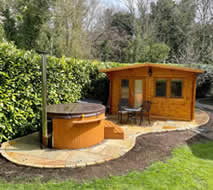
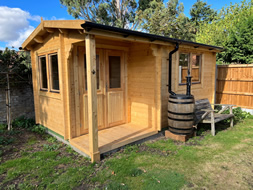
What is a pod cabin? Your 2026 guide explained
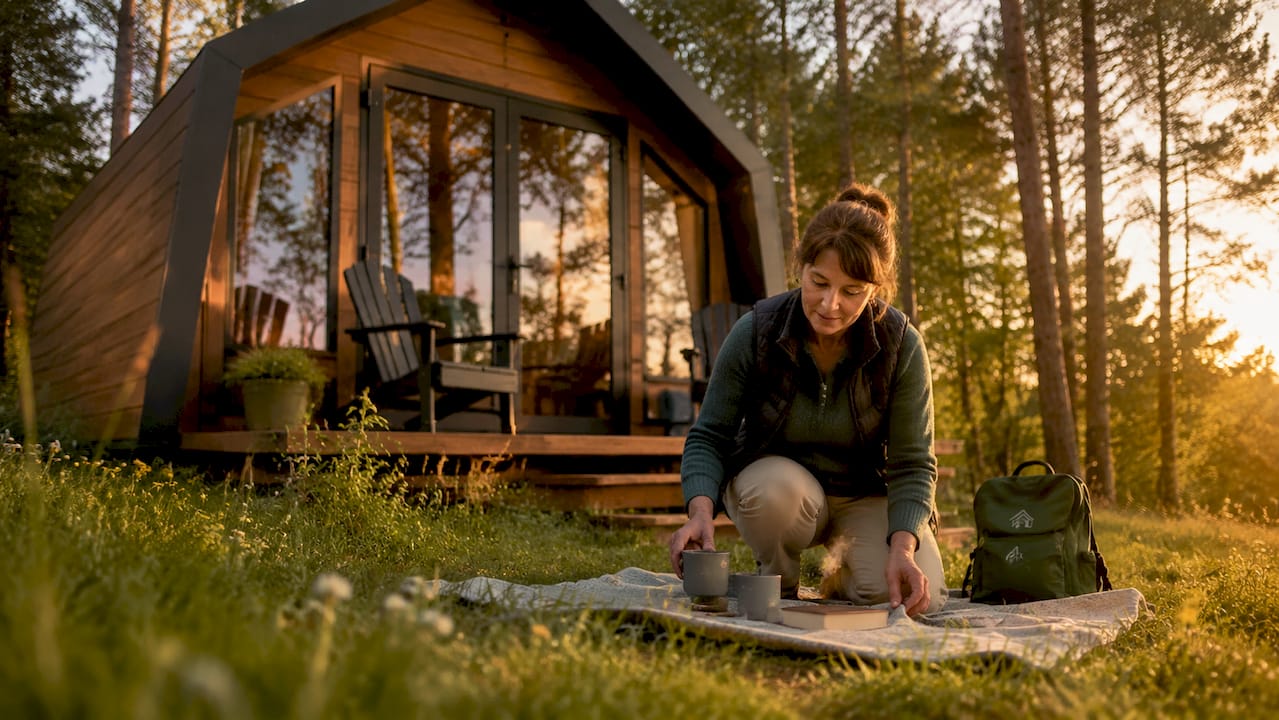
TL;DR:
- A pod cabin is a prefabricated, modular building ranging from 100 to 400 square feet, designed for flexible outdoor use and quick installation. It features high insulation, smart technology, and scalability, making it suitable for gardens, offices, or leisure spaces, with careful site planning essential for success. These cabins offer energy efficiency and design versatility but require attention to planning permission and site preparation for optimal use.
A pod cabin is a compact, prefabricated modular building designed for flexible outdoor living, typically ranging from 100 to 400 square feet and built to over 90% completion in a factory before arriving on site. The term “pod cabin” is the popular, everyday name for what the construction industry more formally calls a modular or capsule dwelling unit. Whether you want a garden office, a glamping retreat, or a hobby room at the bottom of your garden, a pod cabin offers a practical, stylish way to add usable space without a full building project. The prefab construction sector was valued at $173.5 billion in 2025 and is projected to reach $302 billion by 2035, which tells you just how fast this way of building is growing.
What is a pod cabin and how does it differ from other garden buildings?
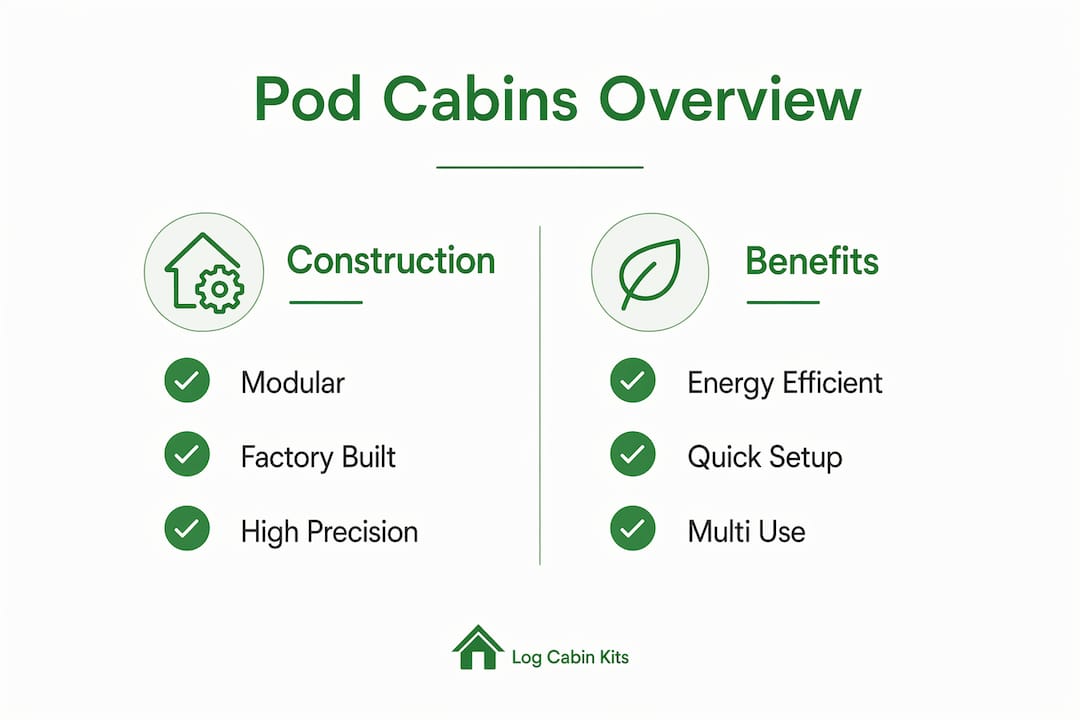
A pod cabin is defined by three things: modular construction, factory precision, and multifunctionality. Unlike a traditional timber garden building that is assembled piece by piece on site, a pod cabin arrives largely complete. That factory-controlled build process means higher insulation standards and better energy performance than most onsite builds can achieve.
Here is how pod cabins compare to standard garden buildings at a glance:
| Feature | Pod cabin | Standard garden building |
|---|---|---|
| Construction method | Factory prefabricated | Onsite assembly |
| Typical size | 100 to 400 sq ft | Varies widely |
| Insulation quality | High (factory controlled) | Variable |
| Multifunctionality | Built in by design | Often single purpose |
| Installation time | Reduced by up to 50% | Longer |
| Expandability | Connectable units possible | Usually fixed |
The key distinction is design philosophy. Pod cabins are built around intelligent space usage, meaning every square foot is planned to serve a purpose. A standard garden building is often a blank box. A pod cabin is engineered from the start to feel like a proper room.
Pod cabin features that set them apart include:
- Modularity: Units can be connected or expanded over time
- Smart technology: Many models include pre-wired electrics, USB points, and climate control
- Design flexibility: Curved, angular, or traditional roof profiles are all available
- Prefabrication: Over 90% factory built, reducing onsite disruption significantly
Pro Tip: If you are comparing a pod cabin to a multi-room log cabin, think about how you plan to use the space over the next five years. Pod cabins suit single-function uses well, while multi-room cabins give you more layout freedom from day one.
How are pod cabins used for gardening and leisure?
Pod cabins are modular and multifunctional, and that versatility is exactly why so many garden owners are interested in them. The same basic structure can serve completely different purposes depending on how you fit it out inside.
Popular uses include:
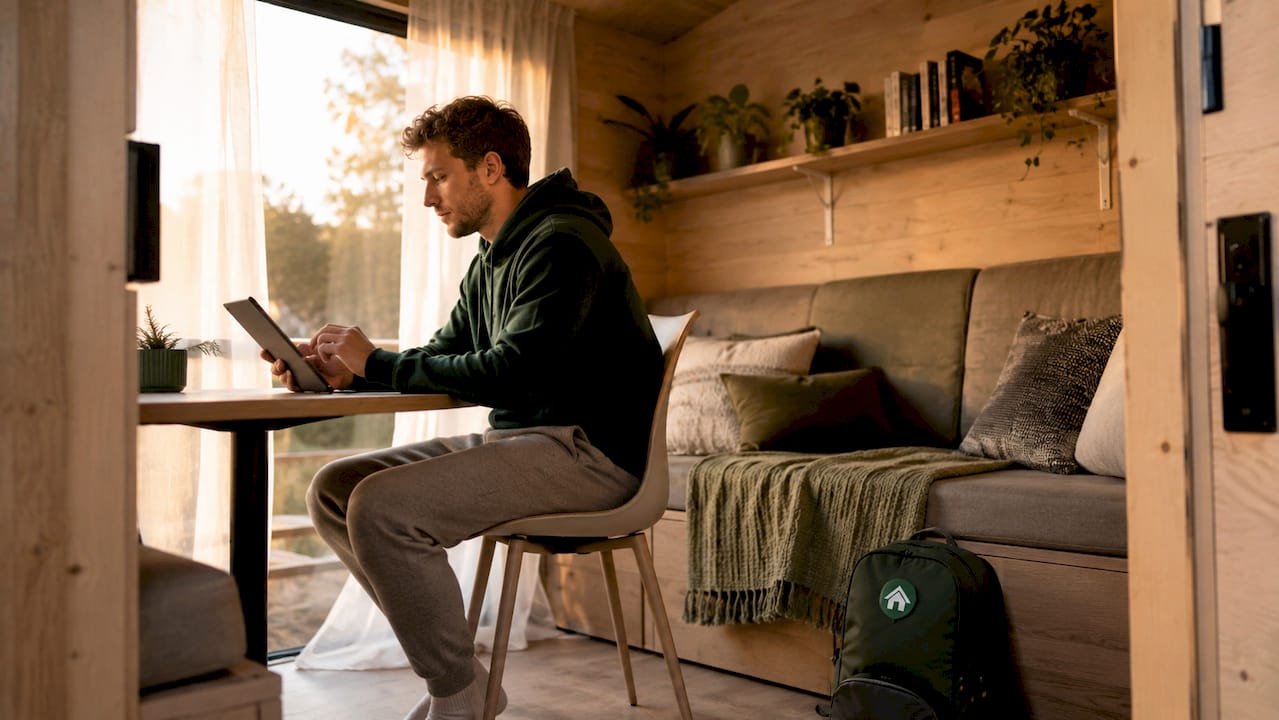
- Garden office: A quiet, dedicated workspace away from the house, with proper insulation and electrics
- Glamping pod: A cosy overnight retreat for guests or a short-term rental opportunity
- Hobby room: Space for art, music, crafts, or fitness without taking over a spare bedroom
- Guesthouse: A self-contained unit for visiting family, especially useful as a granny pod or annexe
- Garden bar or entertaining space: Fitted out with a counter, seating, and mood lighting for year-round socialising
The seasonal flexibility of a well-insulated pod cabin is worth highlighting. Because factory construction delivers consistent insulation, a good pod cabin stays warm in winter and cool in summer without needing expensive retrofitting. You can use it all year, not just on sunny afternoons.
Pod cabins also integrate beautifully with outdoor living areas. Picture a pod cabin positioned at the edge of a patio, with bi-fold doors opening onto a decked area. That kind of connection between indoor and outdoor space is something a standard outbuilding rarely achieves. If you are thinking about guest accommodation specifically, a pod cabin with its own entrance and basic facilities makes a genuinely comfortable space for visitors.
What are the benefits and challenges of owning a pod cabin?
The benefits of pod cabins are real and well documented, but so are the practical challenges. Going in with clear expectations saves a lot of frustration later.
The main benefits, in order of impact:
- Rapid installation. Factory prefabrication reduces onsite time by up to 50% compared to a traditional build. For most garden pod cabins, installation takes days rather than weeks.
- Space optimisation. The design philosophy behind pod cabins means small footprints deliver full functionality. You get a proper room, not a cramped box.
- Energy efficiency. Factory-controlled construction produces better insulation and material integrity than weather-affected onsite builds. This keeps running costs lower over time.
- Cost predictability. Because most of the build happens in a controlled environment, there are fewer surprises. Costs typically range from £20,000 upwards depending on size and specification.
- Sustainability. Many pod cabins use responsibly sourced timber, recycled composites, or eco-friendly cladding. Some models are designed to accept solar panels or rainwater harvesting systems.
The challenges you should plan for:
- Site preparation costs. Level foundations and utility hookups are not included in the pod price and can add significant cost. Skipping proper groundwork risks structural problems down the line.
- Planning permission. Pod cabins intended as permanent structures require full building and zoning approvals. Permitting is the top reason pod cabin projects stall or fail entirely. Contact your local council before you order.
- Delivery logistics. Narrow or restricted access to your garden can complicate delivery and push costs up. Measure your access routes carefully before committing.
“Buyers should treat a pod cabin as a permanent asset from day one. Early engagement with your local planning authority is not optional. It is the single step most likely to protect your investment.”
Pro Tip: Check whether your pod cabin falls under Permitted Development Rights before applying for full planning permission. Many garden buildings under a certain size and height qualify, which can save you time and money.
How to choose and prepare your site for a pod cabin
Choosing the right location for your pod cabin is just as important as choosing the cabin itself. A poorly prepared site will cause problems regardless of how good the unit is.
Work through these key considerations before you commit:
- Ground conditions: The site must be level and well drained. Soft or waterlogged ground needs professional groundwork before installation.
- Access routes: Measure the width and height of all gates, paths, and passages the delivery vehicle will need to use. Delivery complications from restricted access are one of the most common unexpected costs.
- Utility connections: Decide early whether you need electricity, water, or drainage. Running cables or pipes across a garden is straightforward before the cabin arrives and much harder afterwards.
- Orientation: South-facing positions maximise natural light and passive solar warmth. Consider shade from trees and neighbouring buildings throughout the day.
- Boundary distances: Most local authorities require a minimum distance between a garden building and your property boundary. Check this before you finalise the position.
Here is a quick reference for the main site preparation tasks:
| Task | Why it matters | Who does it |
|---|---|---|
| Level base or foundation | Prevents structural movement | Builder or groundworker |
| Electrical supply run | Powers lighting, heating, sockets | Qualified electrician |
| Water and drainage | Needed for kitchen or bathroom use | Plumber |
| Planning permission check | Avoids legal issues post-installation | You and local council |
| Access route survey | Avoids delivery delays and extra costs | You and supplier |
Once your site is ready, think about long-term expansion. Pod cabins are designed to be connectable, so leaving space for a second unit is worth considering if your needs might grow. A bespoke cabin design can also be planned from the outset to accommodate future additions.
What design styles and customisation options are available?
One of the most appealing aspects of pod cabins is the range of styles and finishes available. You are not limited to a single look.
Materials and cladding options include:
- Timber: The most popular choice for garden settings. Natural, warm, and easy to treat or paint. Nordic spruce and larch are both widely used.
- Composite cladding: Low maintenance and highly durable. Good for modern, angular designs.
- Eco-friendly options: Recycled timber composites and sustainably certified wood are increasingly available.
Interior layout ideas worth considering:
- Multifunctional furniture such as fold-down desks, built-in storage benches, and wall-mounted shelving maximise usable space
- Open-plan layouts work well in smaller pods, while a partition wall creates a separate sleeping or working area in larger units
- Underfloor heating is a popular upgrade for year-round comfort without taking up wall space
Smart technology and renewables are now standard options on many pod cabin models. Pre-wired smart lighting, app-controlled heating, and roof-mounted solar panels can all be specified at the build stage. Adding them retrospectively is possible but costs more.
Style directions range from contemporary and minimalist (flat roofs, large glazed panels, clean lines) through to rustic and traditional (apex roofs, log-effect cladding, cottage-style windows). If you prefer a classic garden building aesthetic, an apex roof cabin delivers that familiar look with modern construction quality underneath.
Key takeaways
A pod cabin delivers the most value when you treat it as a permanent, purpose-built space and plan your site, permissions, and utilities before ordering.
| Point | Details |
|---|---|
| Pod cabin definition | A compact, factory-built modular unit of 100 to 400 sq ft designed for flexible outdoor use. |
| Key pod cabin features | Prefabrication, smart technology, modularity, and high insulation set pod cabins apart from standard garden buildings. |
| Main benefits | Rapid installation, energy efficiency, space optimisation, and cost predictability. |
| Top challenge | Planning permission and site preparation are the most common causes of project delays. |
| Design flexibility | Timber, composite, and eco materials are all available, with smart tech and renewables as standard options on many models. |
Why pod cabins are worth taking seriously in 2026
I have spent years helping people find the right garden building, and the honest truth is that pod cabins represent a genuine shift in how people think about outdoor space. Not a passing trend. A practical response to the fact that houses are not getting bigger, gardens are not getting smaller, and people need proper, usable rooms outside.
What I find most interesting is how many buyers underestimate the planning side. They focus on the design, the finish, the interior layout, and then get caught out by a planning refusal or a delivery that cannot get through the side gate. The cabin itself is rarely the problem. The preparation is.
My advice is simple. Treat your pod cabin like a room in your house, not an afterthought at the bottom of the garden. Get your foundations right. Check your permitted development allowances early. Measure your access routes before you fall in love with a particular model. And think about what you actually need the space to do in three years, not just today.
The buyers who get the most from their pod cabins are the ones who planned carefully and chose a build quality that will last. Energy efficiency is a good example. A well-insulated cabin costs more upfront but saves money every winter and makes the space genuinely comfortable all year round. That is the kind of detail that separates a great outdoor space from one that sits unused from October to April.
— Martin
Explore quality timber garden buildings from Logcabinkits
If you love the idea of a pod cabin but want the warmth and character of natural timber, Logcabinkits has a range of quality garden log cabins built to last. Every cabin in the range can be customised to suit your garden, your budget, and your plans.
From compact single-room retreats to fully bespoke custom builds, Logcabinkits specialises in getting the details right. Free UK delivery is included, and the team is always happy to talk through your options before you commit to anything. Whether you want a garden office, a hobby room, or a guest space, there is a cabin that fits. Browse the range and see what is possible.
FAQ
What is the pod cabin definition in simple terms?
A pod cabin is a compact, prefabricated modular building, typically between 100 and 400 square feet, designed for flexible use in garden or leisure settings. It is factory built to a high standard and installed on site in a fraction of the time of a traditional build.
Do pod cabins need planning permission in the UK?
Most pod cabins intended as permanent structures require planning permission or must meet Permitted Development Rights criteria. Contact your local council before ordering to confirm what applies to your specific site and intended use.
What are the main benefits of pod cabins?
The main benefits of pod cabins are rapid installation, strong energy efficiency from factory-controlled construction, flexible design options, and predictable costs. They are also expandable, with units that can be connected as your needs grow.
How long does it take to install a pod cabin?
Factory prefabrication reduces onsite installation time by up to 50% compared to a traditional build. Most garden pod cabins are installed within a few days once the site is prepared and the foundation is in place.
Can a pod cabin be used as a soundproof office pod?
Yes. Many pod cabins are specified with acoustic insulation and are used as dedicated home offices. Purpose-built soundproof office pods take this further with specialist wall construction, making them suitable for calls, recording, or focused work.